avg —
Hungarian goulash soup

Instructions
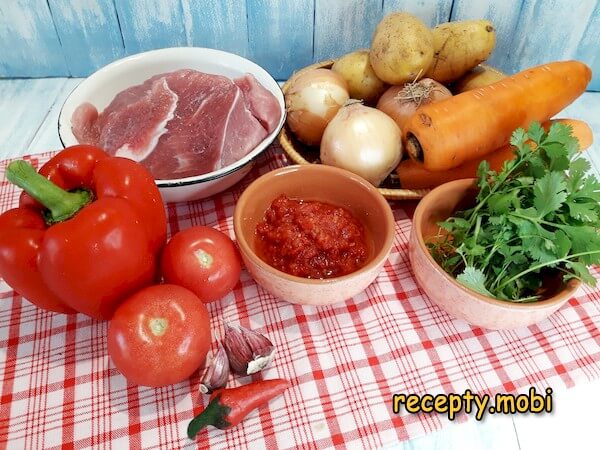
I prepare the ingredients for Hungarian goulash soup. Bone-in beef works (increase weight by 30%, otherwise cook identically); bones add flavour to the broth. ABUNDANT ONION is non-negotiable — caramelised onion provides the sweetness that balances the paprika and creates the signature flavour profile. Don't reduce onion quantity below recipe specification.
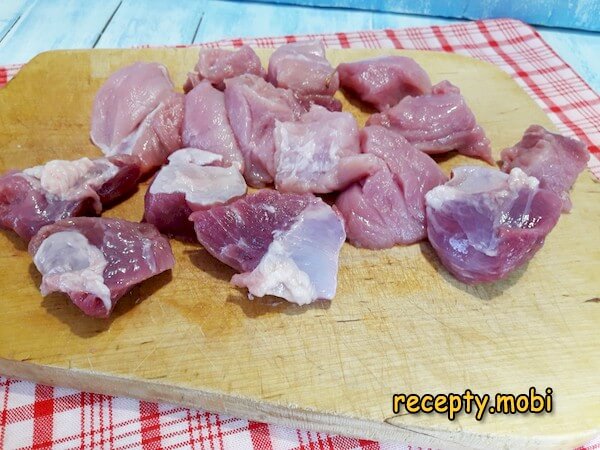
Cut beef into small pieces — maximum 2.5 cm cubes. Larger pieces don't tenderise sufficiently in the 60-minute cook time; smaller pieces lose definition.
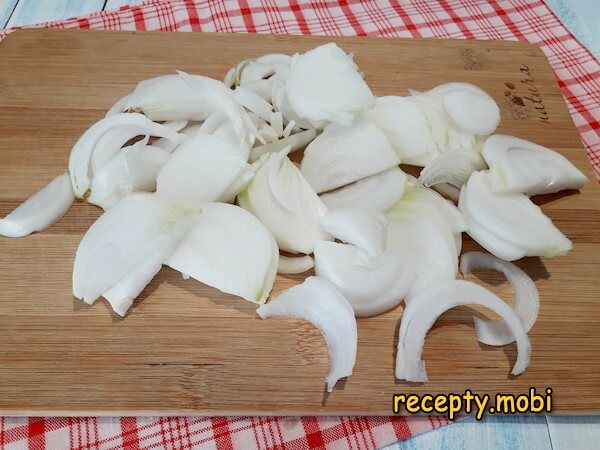
Slice onion into half-rings — not too thin (thin slices melt completely; medium slices retain texture).
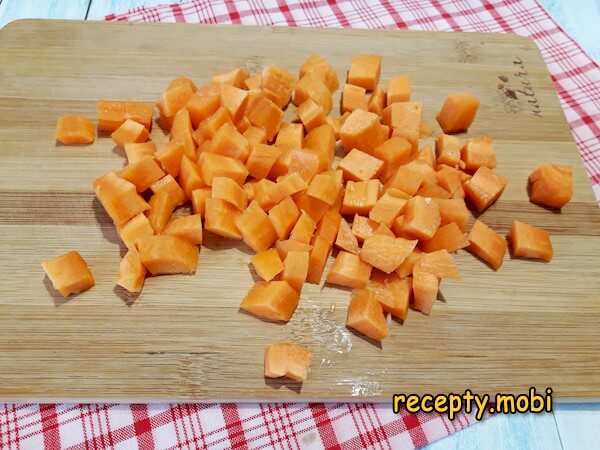
Cut carrot into 1 cm cubes (matches the beef-piece scale visually).
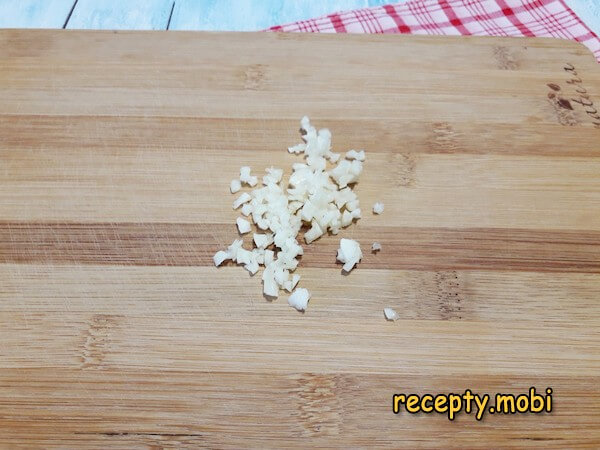
Mince garlic with a knife. Hand-mincing produces better aroma than garlic press (press releases more bitter compounds).
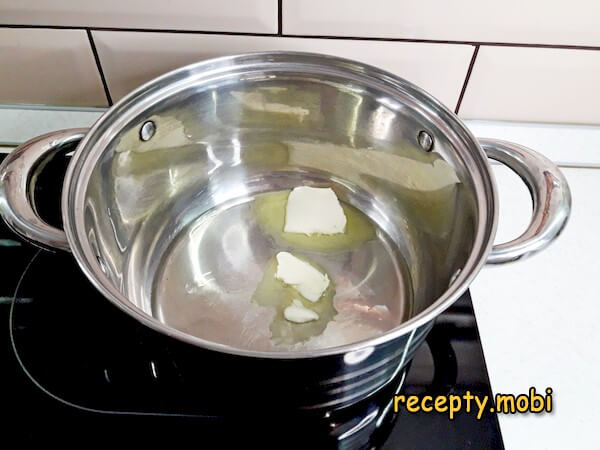
In a heavy pot, melt butter and combine with sunflower oil. The butter+oil combination provides flavour from butter while raising the smoke point with oil.
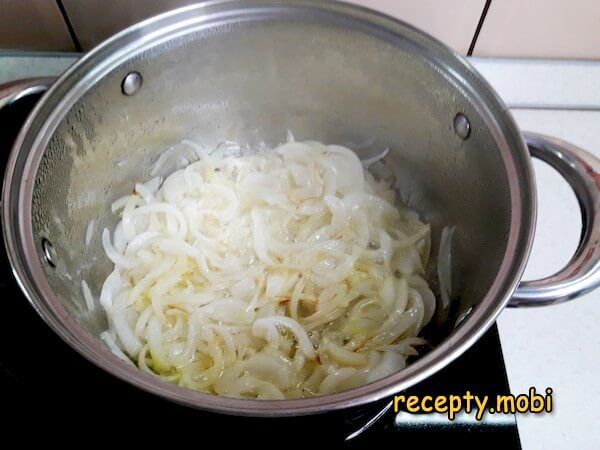
Sauté onion FIRST. Cook on medium heat — slight caramelisation gives the dish its sweetness foundation. Don't overcaramelise — onion should soften with light browning at edges, not turn deep brown.
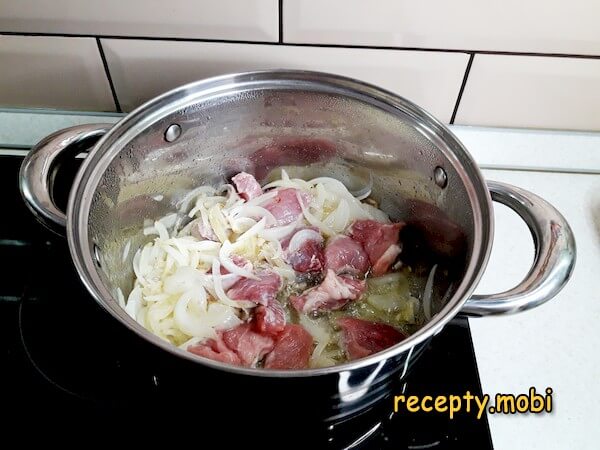
Add HALF the meat pieces; brown well — develop deep golden colour on multiple sides for maximum flavour.
Add minced garlic during the meat browning — the aroma immediately fills the kitchen, indicating proper temperature.
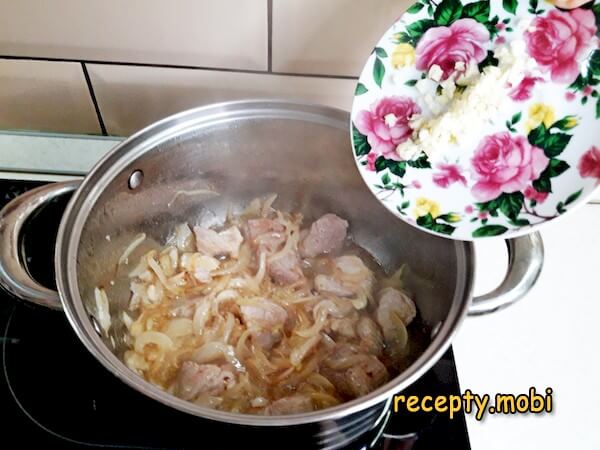
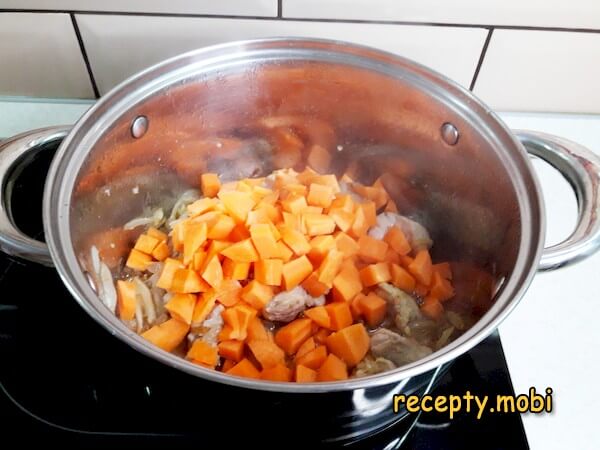
Add carrot cubes to the pot. Briefly sauté with the meat-onion mixture.
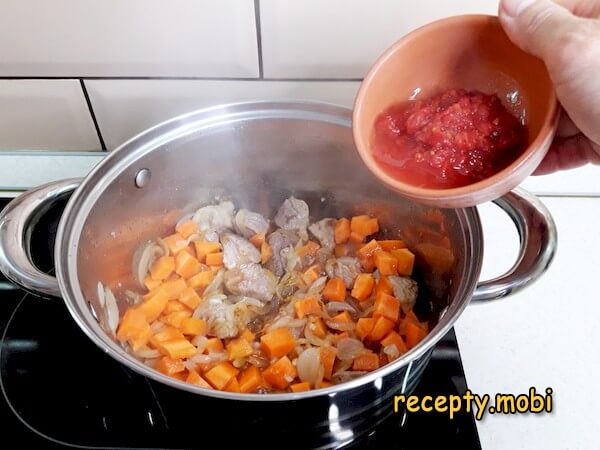
Add canned tomatoes (or tomato paste) and the hot pepper. Mix thoroughly. Reduce heat to minimum — just enough for gentle bubbling.
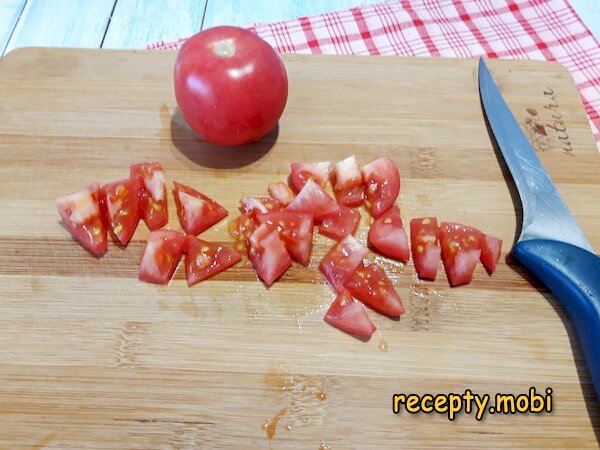
Cut fresh tomatoes into medium cubes (1.5 cm).
Add fresh tomatoes to the pot.
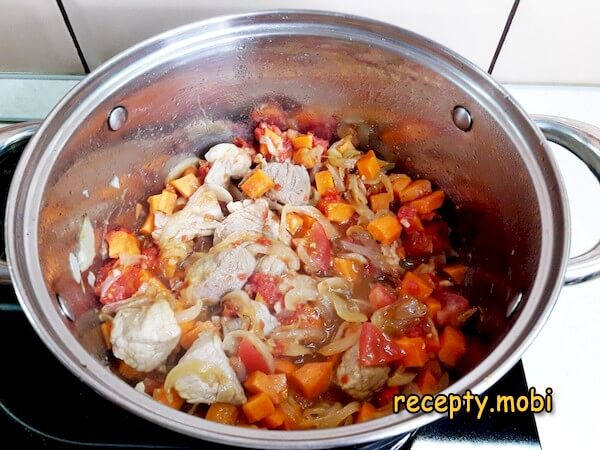
Add the remaining beef pieces. The two-stage meat-addition (half early, half later) maximises both Maillard browning AND tender texture in the final dish.
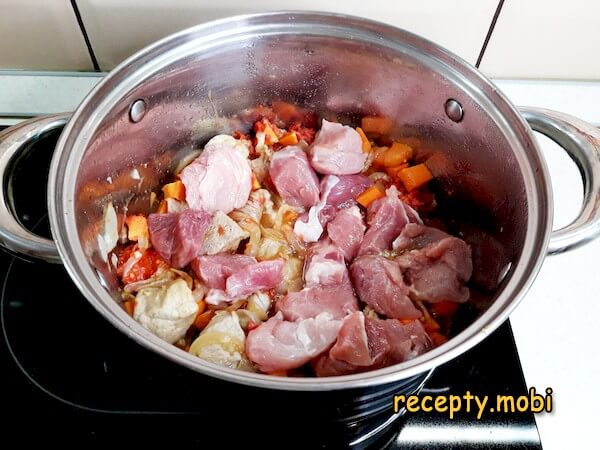
Pour HOT water over everything (cold water shocks the meat texture; hot water maintains cooking momentum).
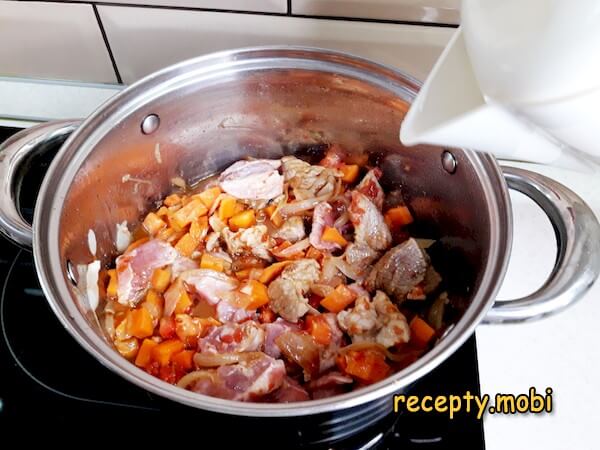
Water quantity: visually adjusted — liquid should just cover all the ingredients, not flood them. Goulash is a thick stew-soup, not a thin soup.
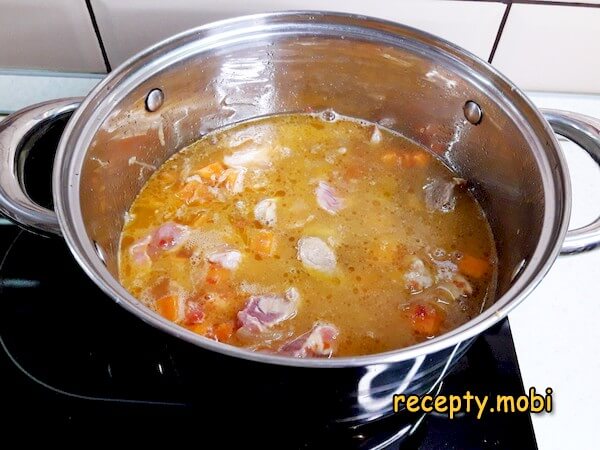
Add sweet paprika. Quality matters: GOOD paprika tastes mildly sweet when sampled directly. BAD paprika (old/rancid) tastes bitter — discard such powder, never use it. The paprika is the soul of Hungarian goulash — don't compromise on quality.
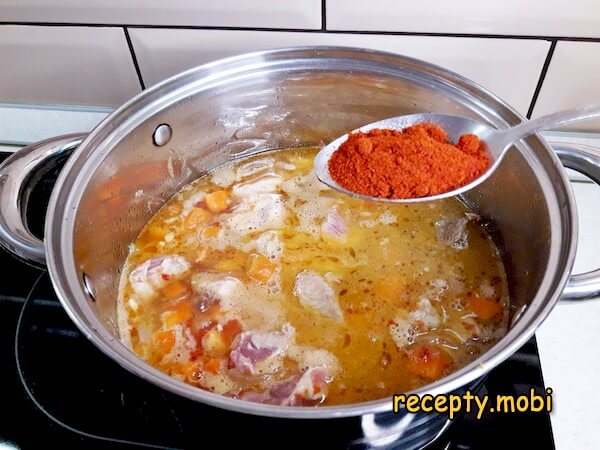
Mix thoroughly. Add bay leaves and SOME salt (full salting later — salt levels change as liquid reduces during cooking).
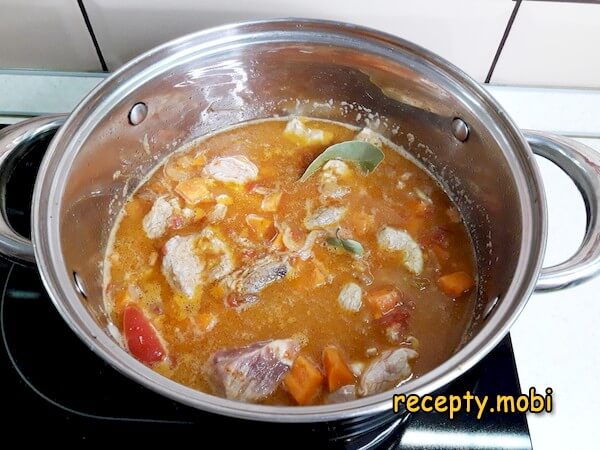
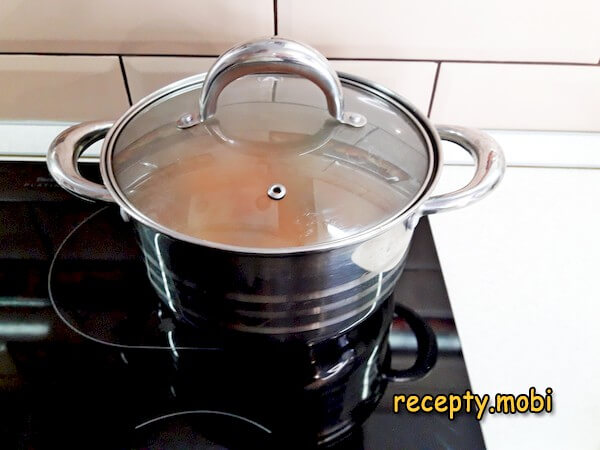
Cover with lid; simmer on LOW heat for 40 minutes — allows beef to fully tenderise.
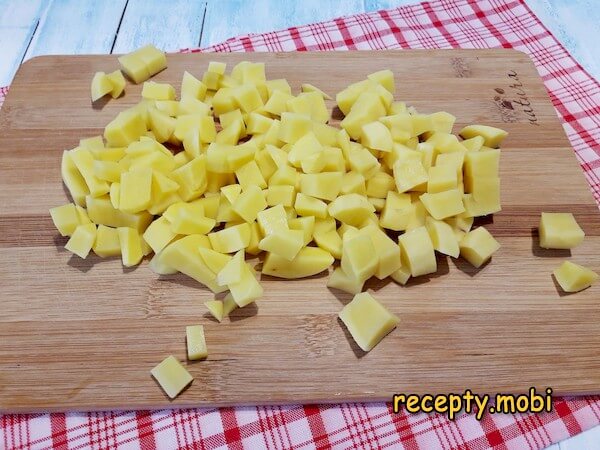
Before the 40 minutes ends, prep the remaining ingredients. Cut potatoes into small cubes (matching beef scale).
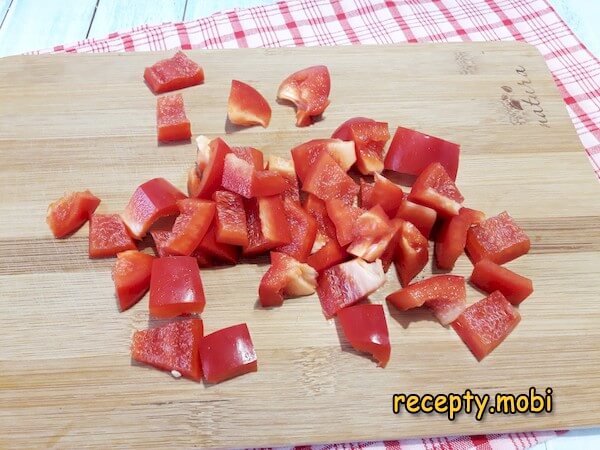
Cut bell pepper into LARGER pieces (3-4 cm) — they don't need long cooking time and retain texture better in larger pieces.
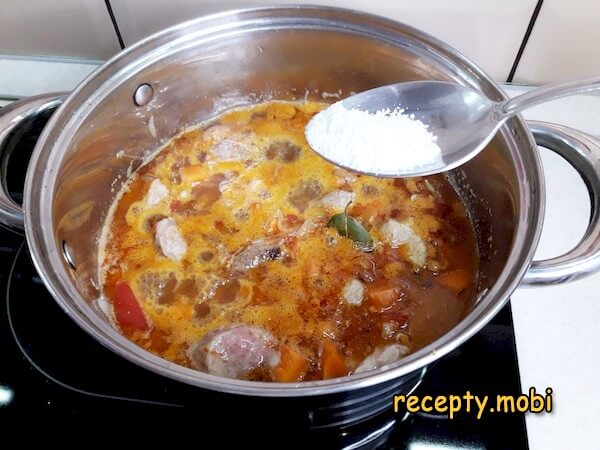
After 40 minutes, taste the broth for salt; adjust to preference (the slow simmer concentrates flavours, so the salting now is informed by reality).
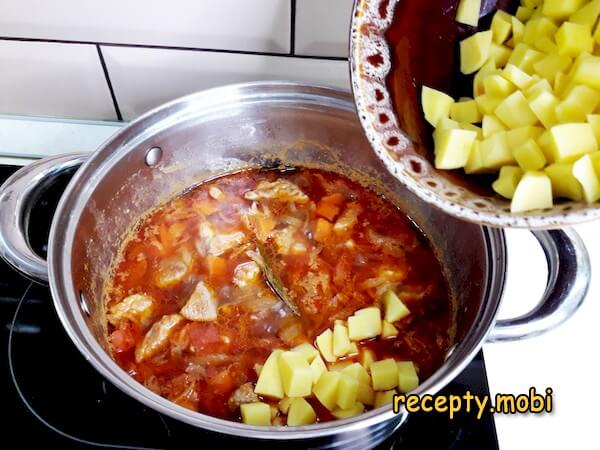
Add the potato cubes to the pot.
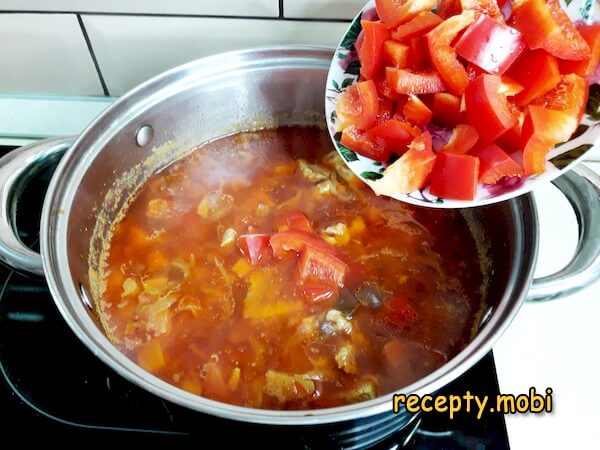
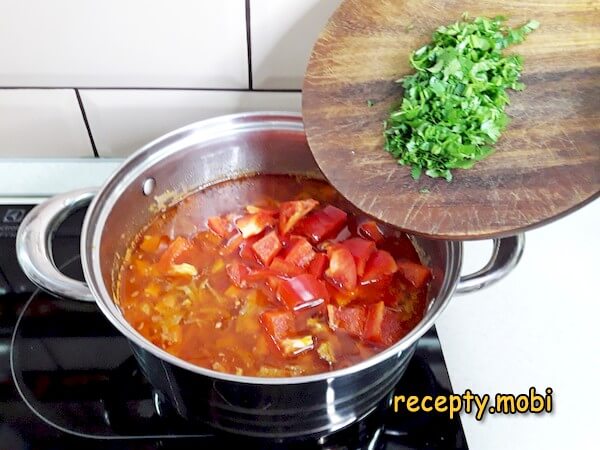
Add bell pepper pieces. If liquid level is low, add more hot water — but the soup should remain THICK (stew-like consistency, not thin broth-like).
Garnish with finely chopped parsley. Cover and simmer 15 more minutes — potatoes become tender and bell pepper softens. Hungarian goulash soup is ready.While still hot, ladle the goulash into individual portion bowls. Traditional finish: a sprinkle of fresh green onions on top. Since this is originally peasant cuisine, dunking a hunk of bread or lavash into the broth is encouraged — actually completes the dish authentically.Enjoy your meal!


Tips
- 1
THE PAPRIKA QUALITY DETERMINES SUCCESS. Step 17's paprika instruction isn't optional sourcing advice — it's the most critical ingredient choice. Hungarian sweet paprika (the Szeged or Kalocsa varieties) is the gold standard; quality "édesnemes" (sweet noble) grade paprika tastes mildly sweet with deep red colour. Old or rancid paprika tastes bitter and produces an unpleasant goulash. Test by tasting a small pinch — sweet = good; bitter = discard. Buy fresh paprika annually; older than 1 year loses both flavour and colour intensity.
- 2
THE TWO-STAGE MEAT ADDITION IS PRECISION. Step 8+14's split-meat addition (half browned early, half added with the tomatoes) achieves dual goals. The early-browned half develops deep Maillard flavour through dry-heat searing — the foundation of rich broth. The late-added half stays in liquid throughout, ending with maximum tenderness. Adding all the meat at once produces either insufficient browning OR overcooked dry meat. The split-method is the precision win. For another rich pork-based soup with substantial body, see Soup with Pork Ribs and Fluffy Dumplings.
- 3
THE LATE-POTATO TIMING IS TEXTURE PRESERVATION. Step 23's potatoes-after-40-minutes addition is texture engineering. Potatoes cooked from the start of a 60-minute simmer break down to mashed-potato consistency, losing distinct piece definition. Adding them in the final 15-20 minutes preserves their tender-but-intact form, providing the visual and textural variety that makes goulash satisfying to eat. Same principle applies to all long-simmered stew dishes — add quick-cooking starches near the end.
- 4
THE THICK-NOT-THIN CONSISTENCY DEFINES GOULASH. Step 24's "still remain fairly thick" instruction is critical for authenticity. Hungarian goulash is a STEW-SOUP — somewhere between regular soup and full stew on the consistency spectrum. Too thin: tastes like beef soup with vegetables, not goulash. Too thick: becomes plain stew, loses the liquid component that defines the dish. The visual test: ingredients should be just covered by liquid, not floating freely. For a similar noodle-based comfort soup worth trying, try Meatball and Noodle Soup.
FAQ
Is "goulash" a stew or a soup? +
The Hungarian name "gulyás" means literally "herdsman's stew" — but it's traditionally somewhere BETWEEN soup and stew on the consistency scale. In Hungarian cuisine: "gulyásleves" (goulash soup, this recipe) is the soupier version with more liquid; "pörkölt" (paprika stew) is the thicker stew version with less liquid. International confusion arises because outside Hungary, "goulash" can refer to either format. This recipe is the soup format — thick enough to be hearty, liquid enough to be ladled into bowls. Both formats use similar ingredients and the same paprika-onion-meat foundation; the difference is liquid quantity.
What other meats work? +
Beef is traditional, but variations exist. Best alternatives: pork shoulder (fattier, richer flavour, common in Hungarian home cooking), lamb (Mediterranean adaptation, stronger flavour profile), veal (more delicate, faster cooking — reduce simmer time to 30 minutes), or beef-pork mix (50/50 ratio, blended flavours). Avoid: chicken (too quick-cooking, wrong texture for this technique), tough mutton (too gamey unless thoroughly aged), tender beef cuts like fillet (wasteful — long-simmered cuts are better suited). Choose stew-quality cuts: chuck, brisket, shank, oxtail. The collagen breakdown during the slow simmer is what creates the lush gravy texture.
Can I make it spicier or milder? +
Yes — the heat level is highly customisable. For SPICIER version: increase hot pepper quantity, or add 1 tsp cayenne, or substitute half the sweet paprika with smoked-hot paprika ("csípős" Hungarian variety), or add a fresh sliced chili at step 11. For MILDER version: omit the hot pepper entirely, use only sweet paprika, add 1 tbsp sour cream per portion at serving (cools the heat). Hungarian goulash traditions vary widely — Szeged region tends mild and sweet, Eastern Hungarian regions tend hotter. Customise to family preference; both directions are equally authentic.
Can I make this in a slow cooker? +
Yes — slow cooker adaptation works excellently. Method: complete all the sautéing steps (1-18) in a regular skillet, then transfer to slow cooker. Cook on LOW for 6-8 hours OR HIGH for 4 hours. Add potatoes and bell pepper in the final hour (HIGH) or final 2 hours (LOW). The slow cooker's gentle heat actually improves the meat tenderness. The trade-off: less liquid evaporation in slow cooker = thinner consistency. Solution: reduce initial water by 25%. The slow-cooker version is excellent for busy weekday cooking — set it up before work, come home to ready dinner.
- Comment
or post as a guest
Be the first to comment.