avg —
Königsberg Klops

Instructions
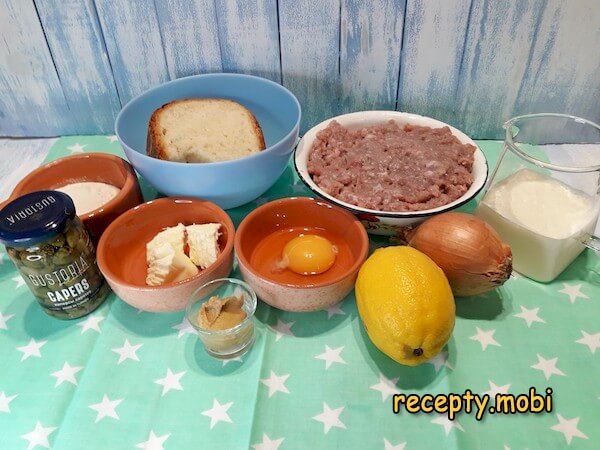
I prepare the ingredients for Königsberg Klops. Pure beef mince works (more authentic to original German recipe); the beef-pork mix is the popular Russian-market adaptation. Cream MUST be at least 20% fat — lower-fat cream curdles in the acid-rich sauce. Capers from a quality brand make a significant difference.
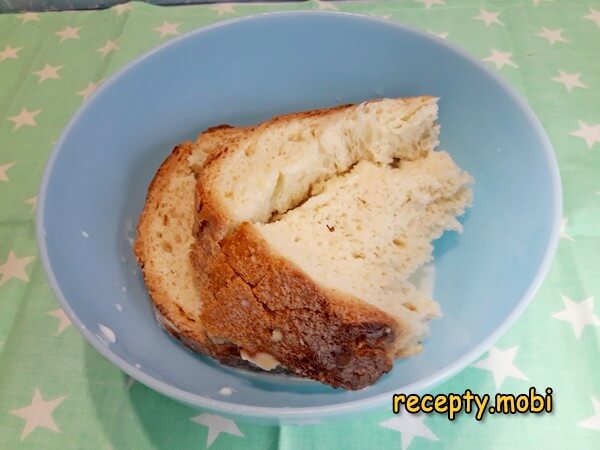
Pour milk over the bread slices in a small bowl; let soak. Fresh bread absorbs in 1 minute; slightly stale bread takes 3-5 minutes.
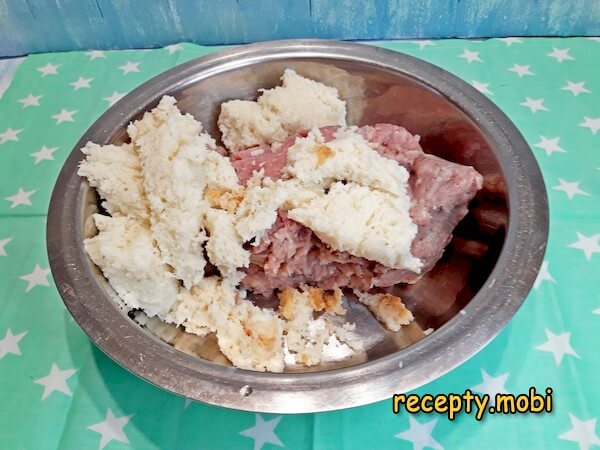
Finely chop the onion using a blender or grater (fine grate produces best texture). Add the chopped onion to the mince along with the soaked bread (squeezed of excess milk).
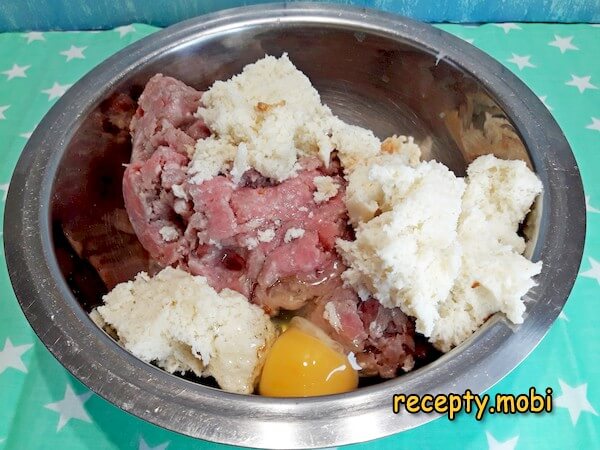
In the mixing bowl, add the egg, salt, and pepper. UNDERSALT the mince — it will absorb additional salt + acid from the sauce during the simmering finish.
Mix and knead thoroughly. Cover with plastic wrap; refrigerate at least 30 minutes. The chill firms up the mince, making subsequent meatball-shaping easier and helping the meatballs hold their shape during boiling.
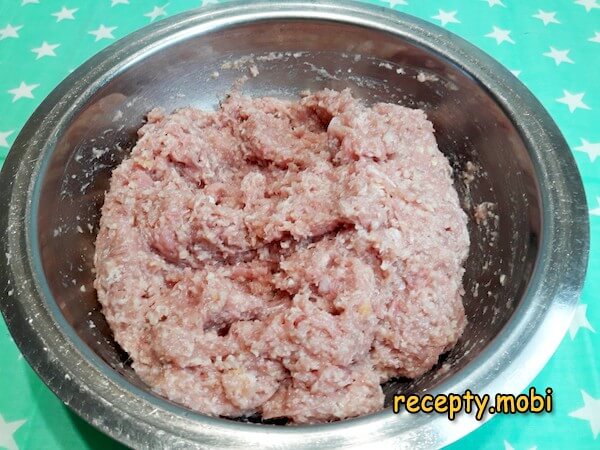
Roll the chilled mince into balls the size of tangerines (about 50-60 g each, yielding 10 meatballs).

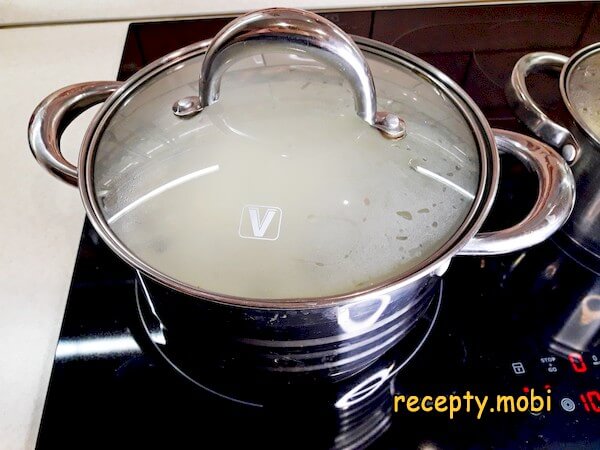
Bring 1.5 L water to a boil. Place the Klopse into boiling water; boil 10 minutes after the water returns to boiling. The 10 minutes brings the meatballs to ~75% doneness — they finish cooking in the sauce later.
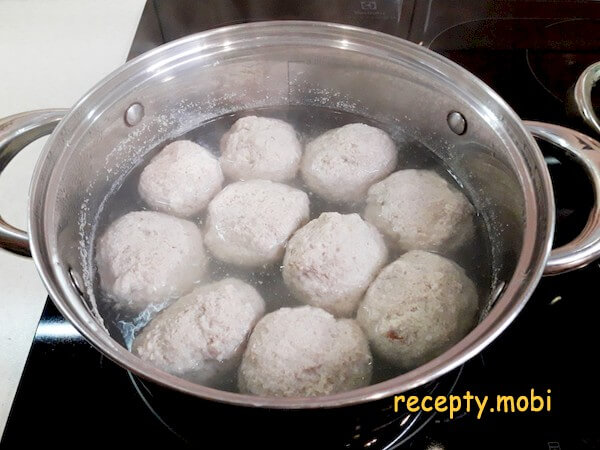
Remove Klopse with slotted spoon to a plate; reserve the cooking broth (will be used in the sauce).

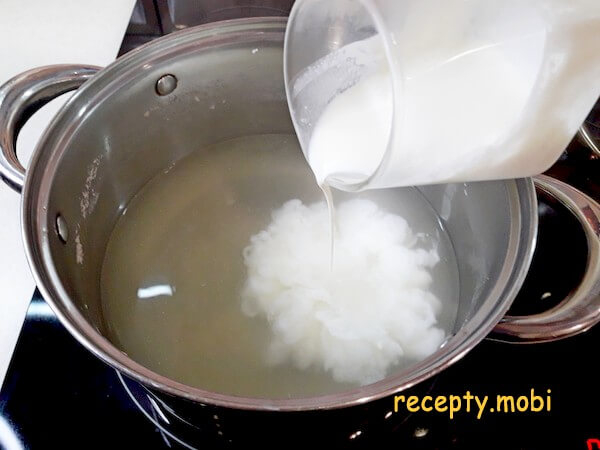
Prepare the thickener — necessary because the cream would curdle from the lemon-juice and caper-acid otherwise. Pour HALF of the cream into a bowl with the flour; mix to combine.

Gradually add 150 ml of the reserved meatball-cooking broth, mixing continuously to dissolve the flour smoothly.

After thorough mixing, the result is smooth lump-free liquid — the prepared thickener.

Return the broth pot to the heat. Pour in the REMAINING cream (the other half).
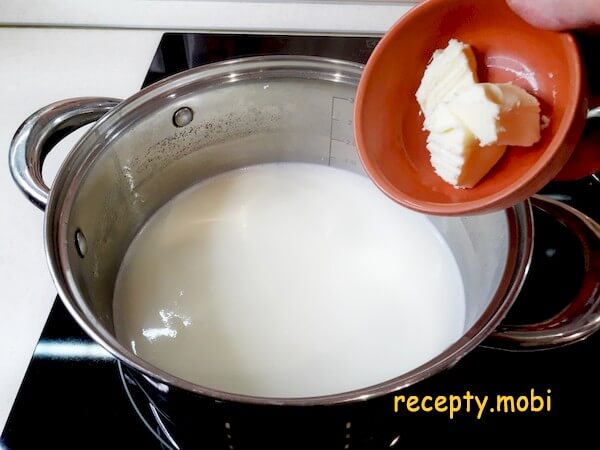
Add the butter to the cream-broth mixture.
When signs of boiling appear, slowly pour in the thickener while stirring continuously. The sauce gradually thickens — aim for nappé consistency (coats the back of a spoon), not too thick.
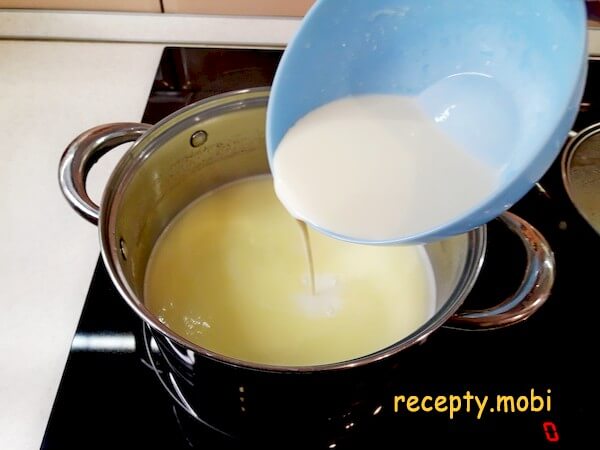
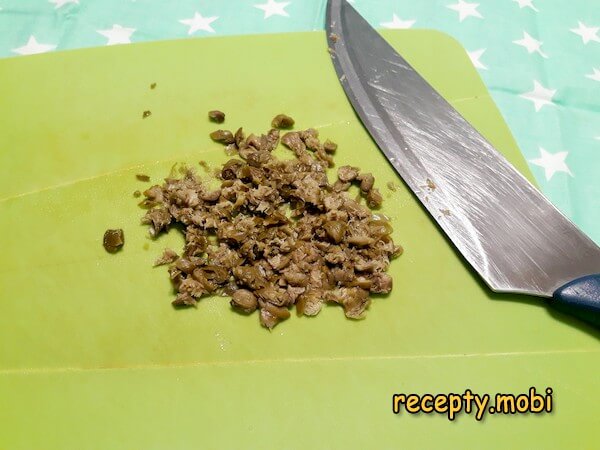
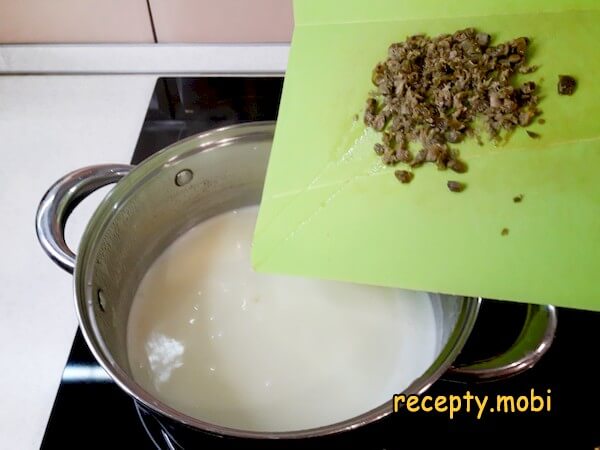
Very finely chop 2 teaspoons of capers with a knife (the rest will be added whole).
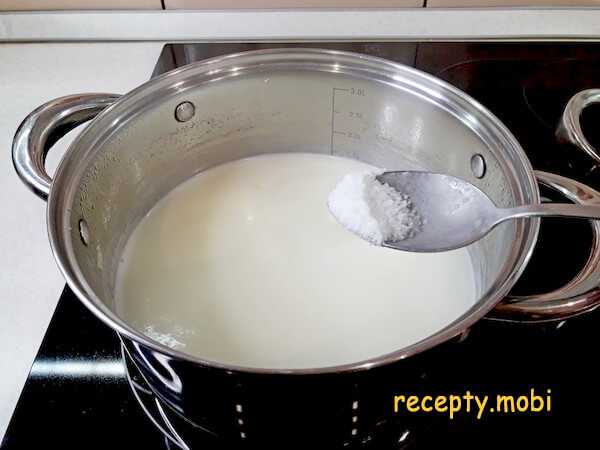
Begin sauce flavour balancing — add salt in small portions, tasting after each addition. The salt level affects the entire dish; over-salting is irreversible.
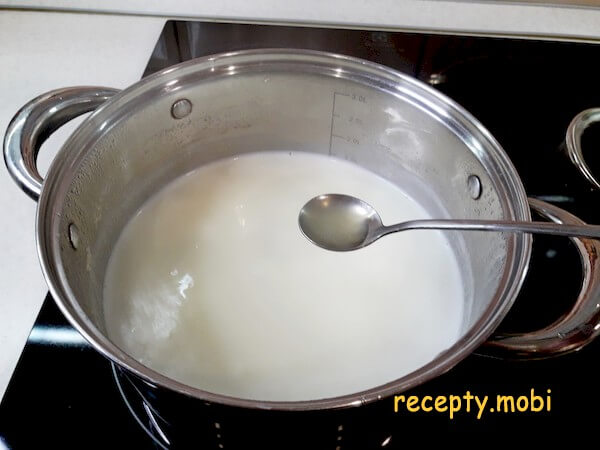
Add 1 teaspoon lemon juice — provides bright acidic note that complements the capers.
Transfer the finely chopped capers into the sauce.
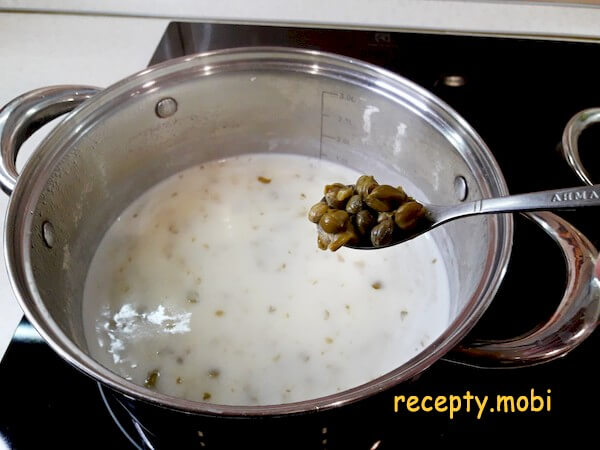
Add 2 teaspoons of WHOLE capers (the dual-form caper addition gives both diffuse caper flavour throughout the sauce + visible whole caper bursts in each spoonful).
Pour in 1 tablespoon of the caper brine — adds extra brininess and balances flavour layering.
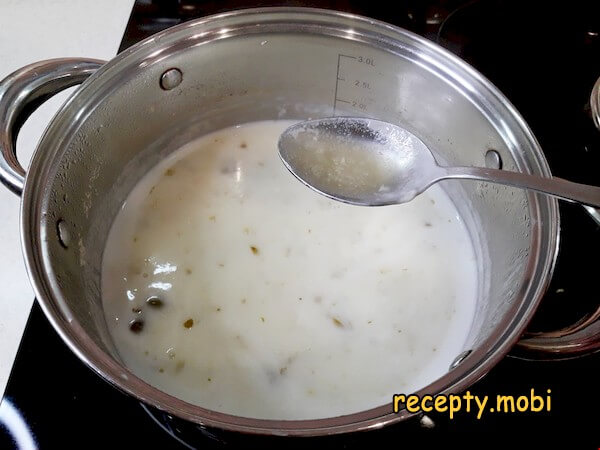
Taste the sauce one final time; adjust salt/lemon/caper-brine as needed. Boil 5 minutes for flavour integration. Then add ALL the Klopse to the sauce.
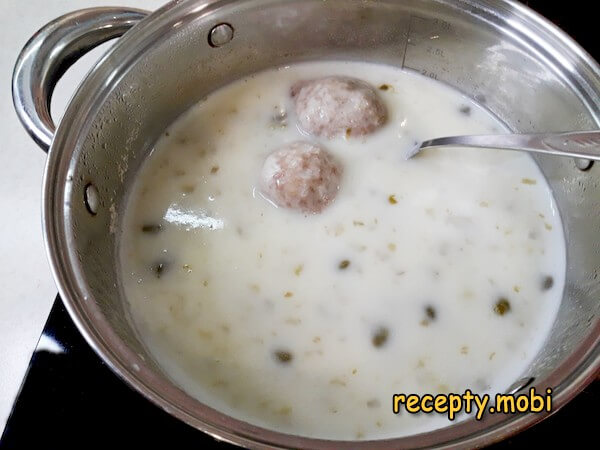
The meatballs absorb the sauce flavour during the final 10-minute simmer (covered, low heat). The Klopse complete their cooking in the rich flavour-loaded liquid.
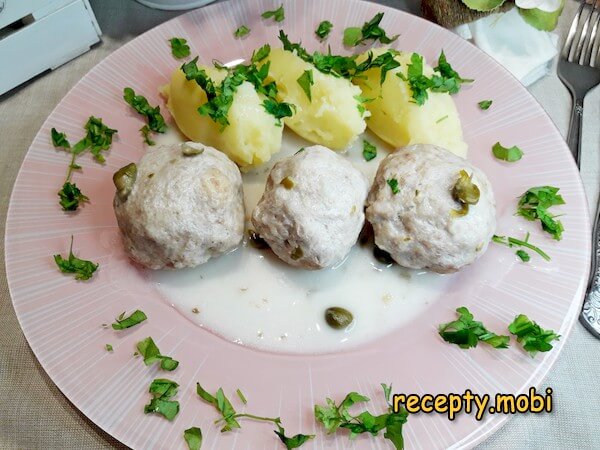
The Königsberg Klops are ready.The Klopse pair with most side dishes, but TRADITIONAL (and best) is mashed potato — the creamy sauce drips down into the potatoes, transforming both into something greater than each separately. Garnish with fresh parsley on each plate. Enjoy your meal!


Tips
- 1
THE BOIL-FIRST-THEN-SIMMER-IN-SAUCE TECHNIQUE IS ESSENTIAL. The two-stage cooking (10 min boil + 10 min sauce simmer) achieves what neither method alone can. Direct cooking in sauce: meatballs absorb sauce slowly and risk falling apart from extended simmering. Pure boiled meatballs: tender but flavourless. The hybrid: meatballs partially cooked first (firm enough to hold shape) + finished in sauce (absorbing maximum flavour). Same principle applies to many braised-meatball traditions worldwide.
- 2
THE CREAM-FLOUR THICKENER PREVENTS CURDLING. Step 9-11's separate-thickener preparation is precision chemistry. Direct cream + acid (lemon + caper brine) curdles immediately — proteins seize and form unsightly white clumps in the sauce. The flour-stabilised cream-and-broth mixture is acid-resistant — the flour proteins coat the milk proteins, preventing them from contacting the acid directly. The dual-cream approach (half thickened, half free) gives both stability AND fresh-cream flavour. Don't shortcut with all-direct cream addition. For another rich beef stroganoff cream-sauce dish worth comparing, see Beef Stroganoff with Mushrooms.
- 3
THE CAPERS ARE NON-NEGOTIABLE. The recipe text states it explicitly: nothing substitutes for capers. The brined floral pickled-bud character provides the dish's signature flavour identity. Without capers: lacks Königsberg character entirely, becomes generic cream-sauce meatballs. Acceptable substitutions exist only in extreme circumstances (no capers anywhere): finely chopped green olives + lemon zest approximates 60% of caper character, or finely chopped pickled gherkins + capers' brine flavour profile (using gherkin brine). But these aren't real Königsberg Klops — just inspired-by versions. If serious about the dish: source proper capers.
- 4
THE MASHED-POTATO PAIRING IS PERFECTION. The traditional mashed-potato side dish isn't arbitrary — it's the calibrated complement. The starchy potato platform absorbs the rich sauce that drips off the Klopse, turning every bite into integrated meatball-potato-sauce harmony. Other sides work but don't reach this perfection. Bread sops the sauce but doesn't blend. Rice absorbs but lacks the creamy potato-sauce interaction. Pasta is wrong shape and texture. Stick with mashed potato — it's why this dish has stood the test of time. For another Caucasian-Central Asian meat-and-vegetable dish worth trying, try Dumlyama in Uzbek Style.
FAQ
What's the history of this dish? +
Königsberg Klops originates from the historic city of Königsberg in East Prussia (modern Kaliningrad, Russia). The dish dates from at least the 19th century, possibly earlier. After WWII when the city became Kaliningrad and the German population was expelled, the recipe traveled with refugees throughout Germany, becoming a beloved national classic. Modern German cookbooks include it as iconic regional cuisine; Russian Kaliningrad residents continue the tradition locally. The capers appear unusual in continental cuisine but reflect the Baltic port's historical access to Mediterranean trade goods. It's a culinary artifact of pre-war European geography.
Can I make this without capers? +
Capers are genuinely irreplaceable for authentic Königsberg flavour. Acceptable substitutes (with character compromise): finely chopped green olives + 1 extra tbsp lemon juice (Mediterranean notes, similar briny character but olives are softer/oilier), pickled nasturtium buds (homemade specialty option, very close to caper character if available), capers in salt rather than brine (rinse first, slightly drier flavour). What does NOT substitute: pickled cucumbers (wrong texture, sweeter), green peppercorns (fresh but wrong flavour), olives without brine (too oily, wrong character). If capers are truly unavailable: choose a different recipe; this isn't worth doing without them.
Can I freeze the meatballs? +
Yes — pre-cooked Klopse freeze well. Method: complete the recipe through step 8 (boiled meatballs ONLY, no sauce). Cool the boiled meatballs, freeze in a single layer on a tray, transfer to bag. Storage: 3 months. To use: thaw overnight in fridge, then proceed with the sauce-making + final simmer steps. The frozen-and-thawed meatballs absorb sauce slightly better than fresh (the freeze cycle slightly compromises the meat structure, opening micro-channels). Don't freeze the meatballs IN sauce — the sauce texture suffers significantly. Make sauce fresh on serving day.
What other side dishes work? +
While mashed potato is the canonical pairing, alternatives work nicely. Best alternatives: boiled new potatoes with butter and parsley (lighter, classic German), fluffy white rice (Eastern European adaptation), buttered egg noodles (Hungarian/Czech style, soaks sauce well), German Kartoffelklösse (potato dumplings, double-dumpling meal), spätzle (Bavarian egg noodles, traditional German pairing). Avoid: heavily seasoned starches (jollof rice, paella) — flavour conflicts. Crusty German rye bread alongside is also wonderful for sauce-sopping. The one rule: choose a starch that absorbs the sauce well rather than a vegetable side.
- Comment
or post as a guest
Be the first to comment.