avg —
Kubdari in Georgian Style

Instructions
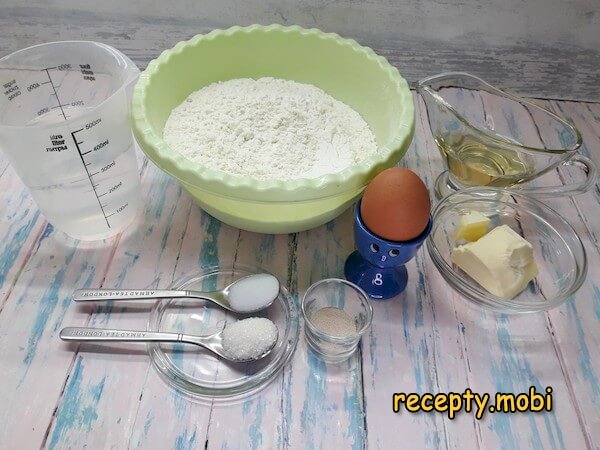
I prepare the ingredients for the yeast dough. Water: warm (~38 °C, yeast-activation temperature). Take butter out of refrigerator in advance to soften.
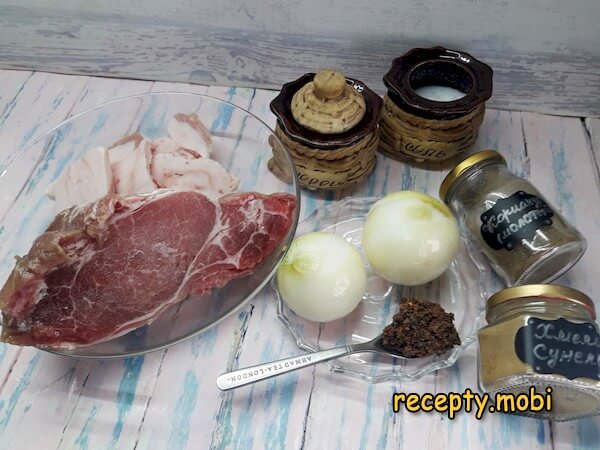
Gather filling ingredients. Pro-tip: meat + fat slightly FROZEN are easier to cube cleanly. Adjika substitute: bit of chili pepper.
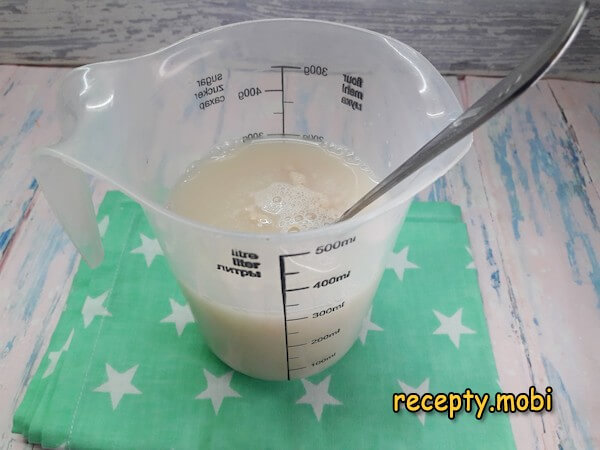
Start with dough. Dissolve yeast in SWEETENED warm water. Leave to stand. DON'T add salt yet (salt slows yeast fermentation).
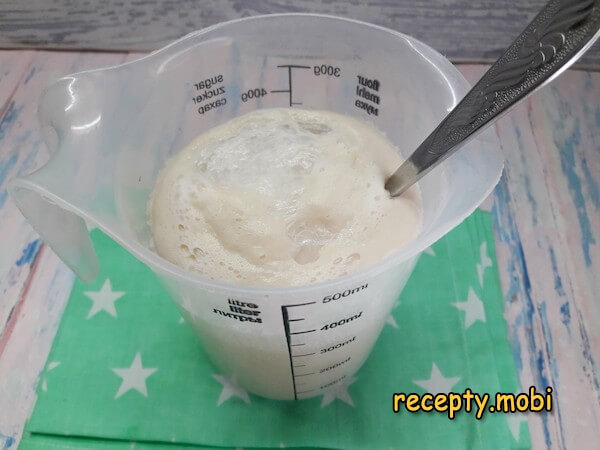
After ~10 min: yeast starts working (foaming visible).
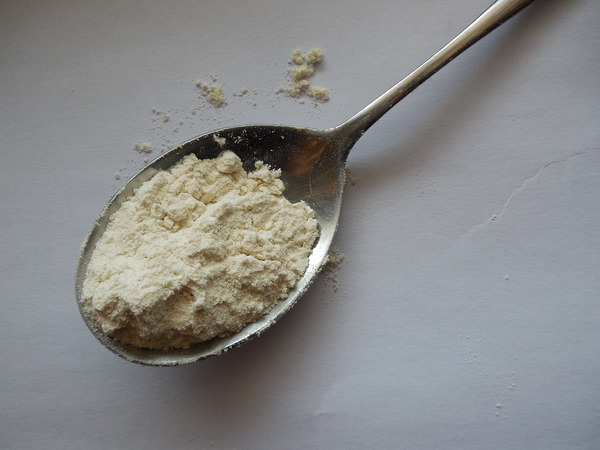
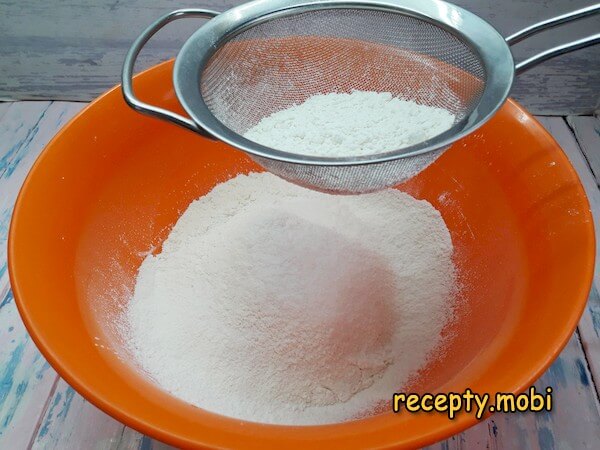
Sift flour into large bowl (oxygen enrichment for better rise).
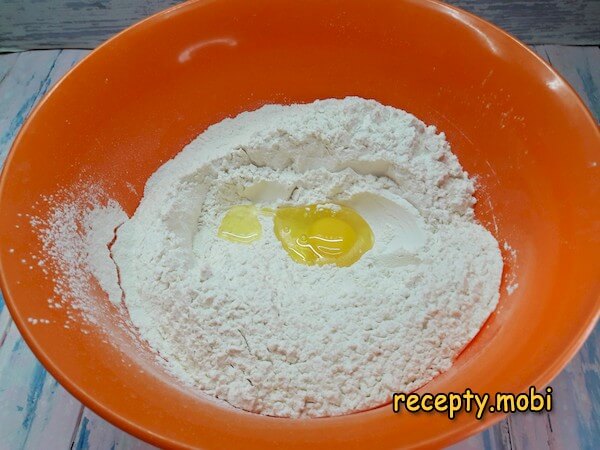
Make WELL in center of sifted flour; crack egg into well.
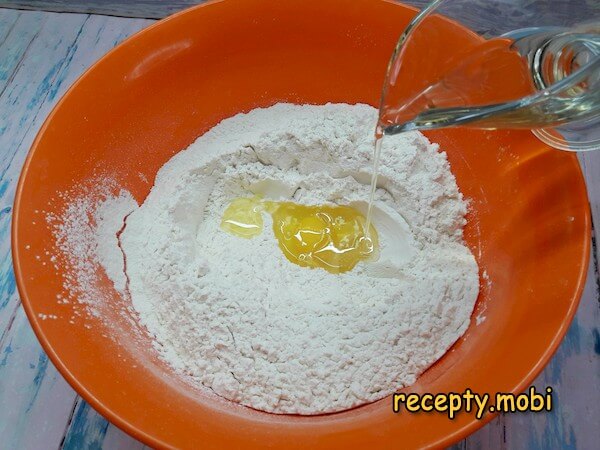
Pour vegetable oil into flour.
Add softened butter.
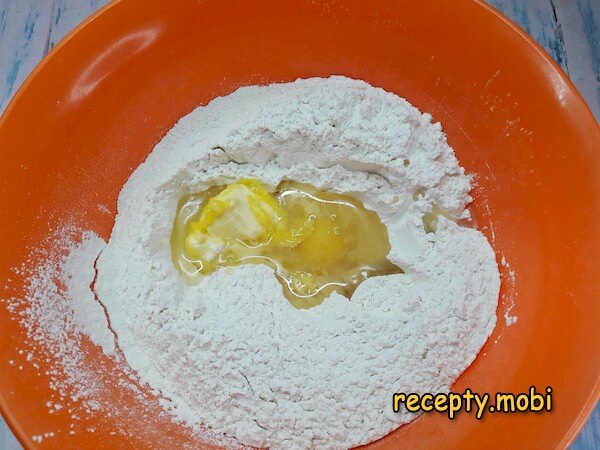
Add yeast mixture (with sugar from step 3).
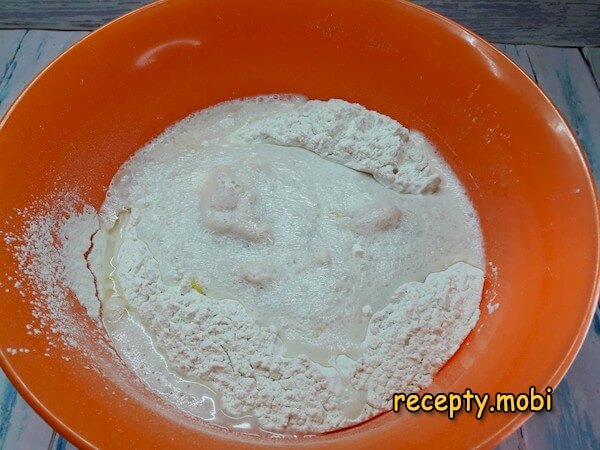
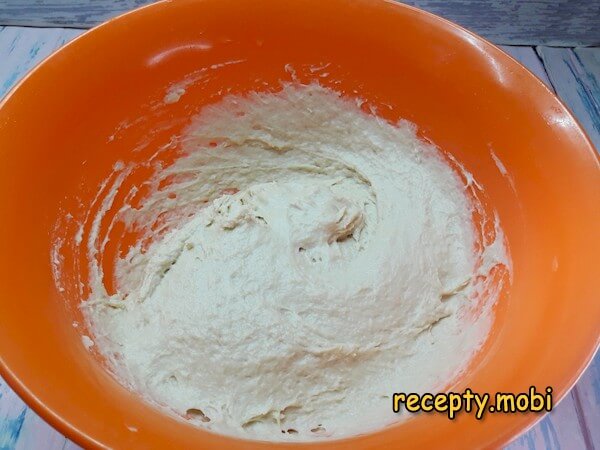
Now ADD SALT; knead 7 minutes IN BOWL. Dough won't be stiff — quite STICKY + UNSTABLE. This consistency is INTENDED — yields tender delicious kubdari.
Generously sprinkle work surface with flour; transfer dough.
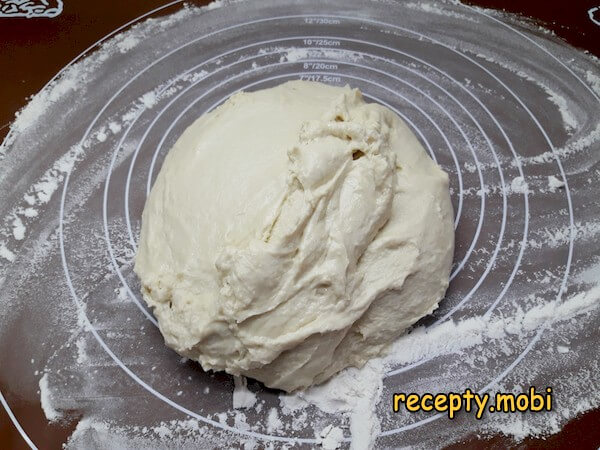
Knead lightly — just enough to gather. Add more flour ONLY if sticking too much to hands.
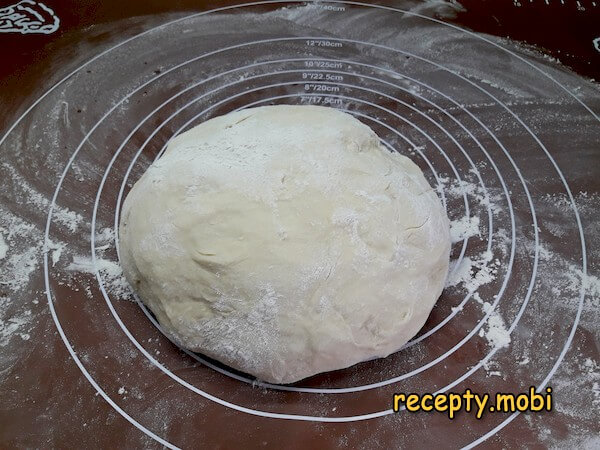
Transfer to oiled bowl; cover with plastic; leave on table.
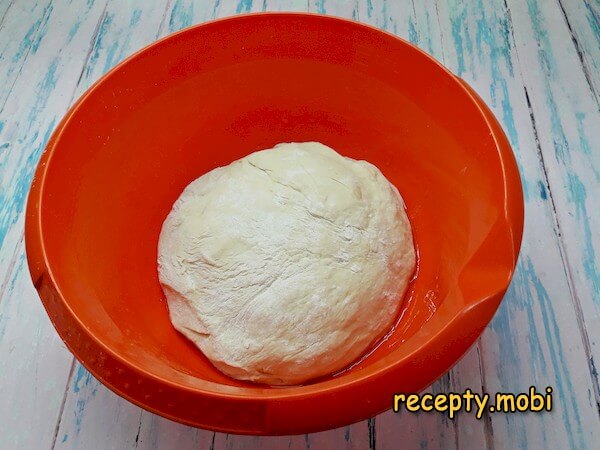
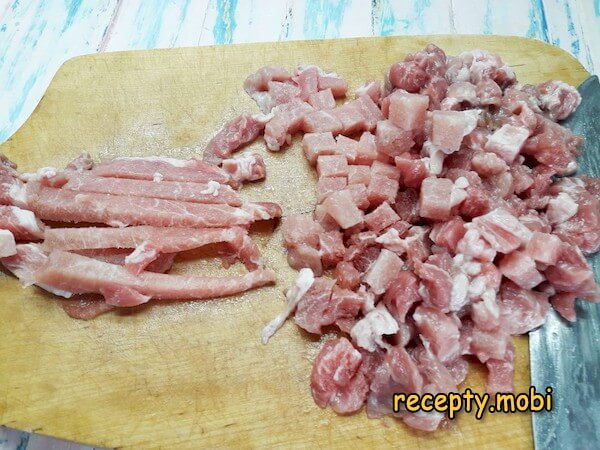
While dough rises: prepare filling. Cut meat into THIN STRIPS first, then CUBES (hand-chopping is recipe-essential).
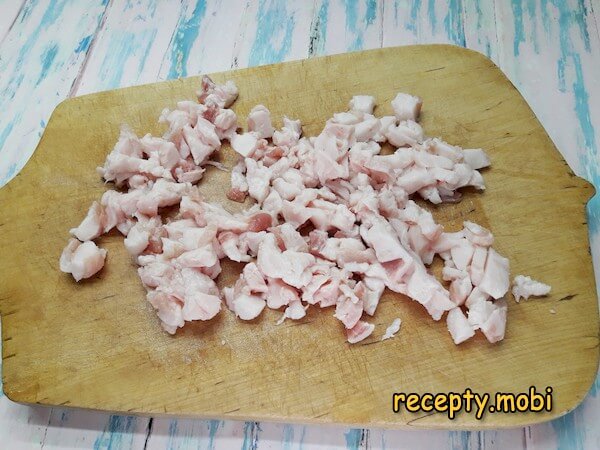
Cut fat similarly to meat (small cubes).
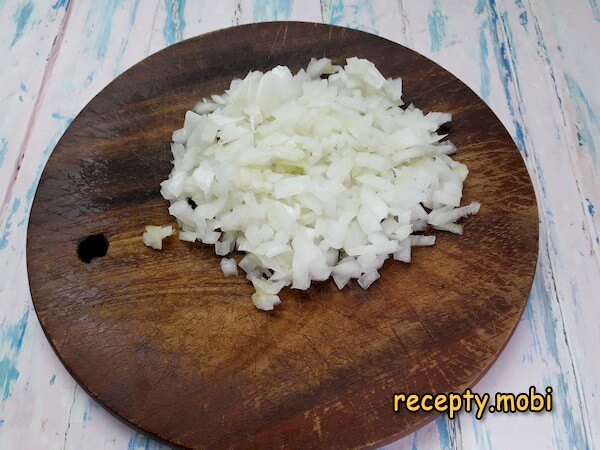
Chop onion as FINELY as possible.
Combine all chopped ingredients in bowl. Add khmeli-suneli + coriander + salt + adjika.
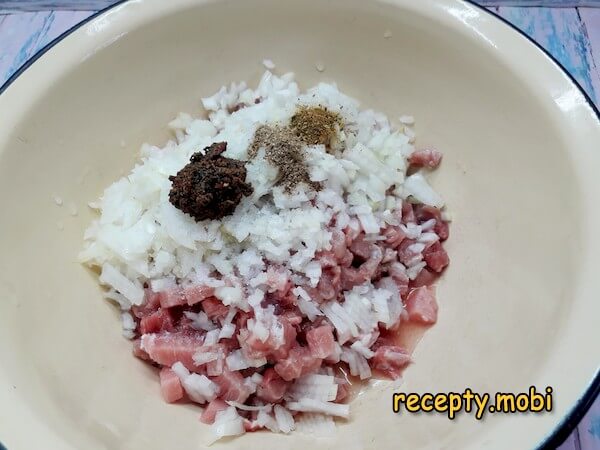
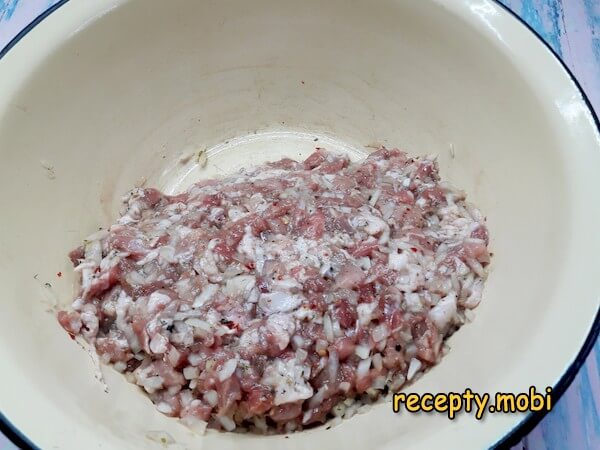
Mix filling BY HAND, crushing onion pieces to release juice. Set aside; let soak up spices while dough rises.
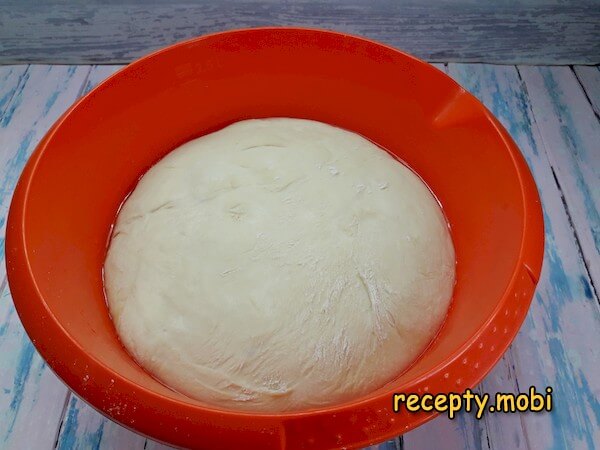
After 1 hour: dough has significantly increased volume. Preheat oven to MAXIMUM (240 °C).
Sprinkle table generously with flour; transfer dough; divide into 4 PARTS.
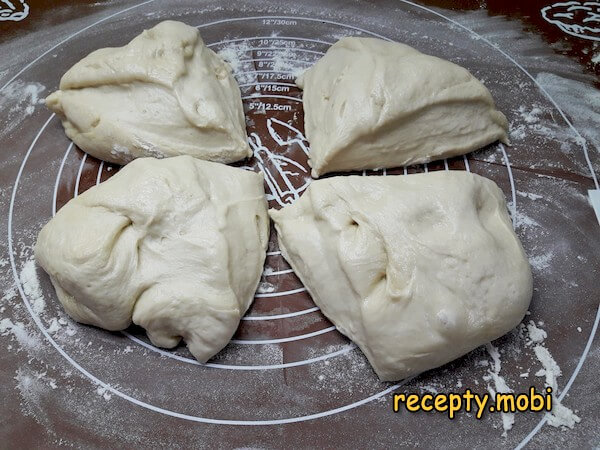
Knead 3 parts; return to covered bowl. Work with one part. Use NON-STICK MAT or PARCHMENT (dough is fragile — better to shape directly on baking surface). Sprinkle mat with flour; place dough.
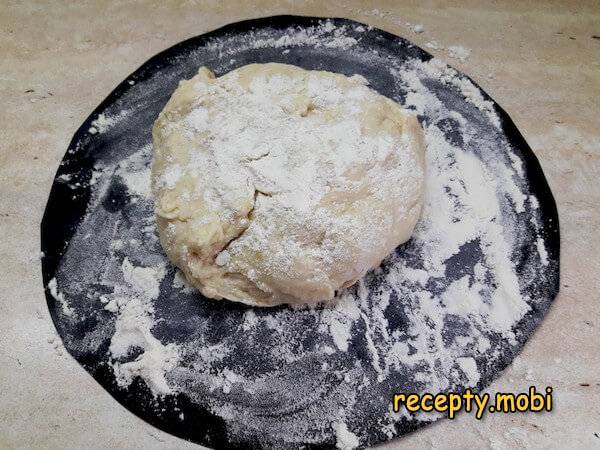
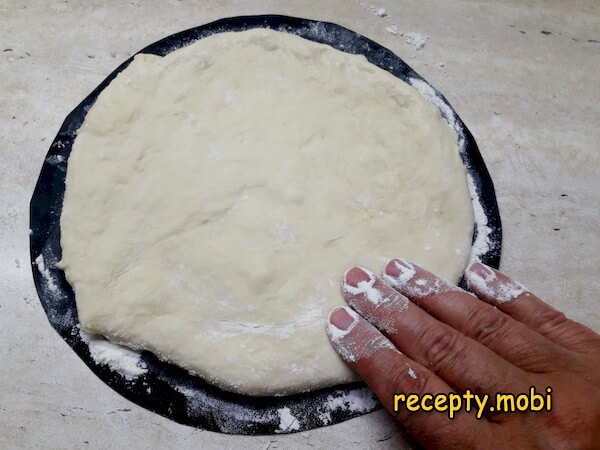
Flatten dough with palms to 15 cm diameter.
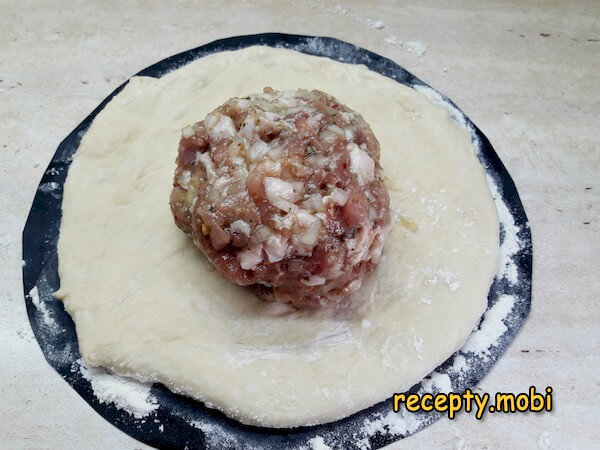
Mold quarter of filling into BALL; place in CENTER of flatbread.
Raise edges of dough UPWARD; gather them at one point like KNOT.
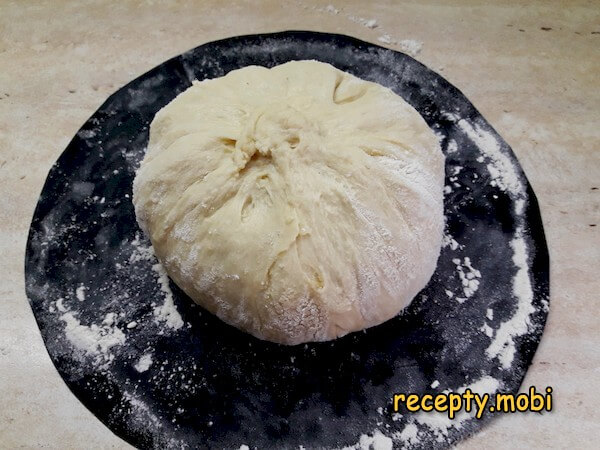
Sprinkle ball with flour; FLIP over (seam side DOWN). Carefully starting from CENTER: flatten dough with fingers in CIRCULAR motion. Distribute filling evenly — final diameter ~20 cm.
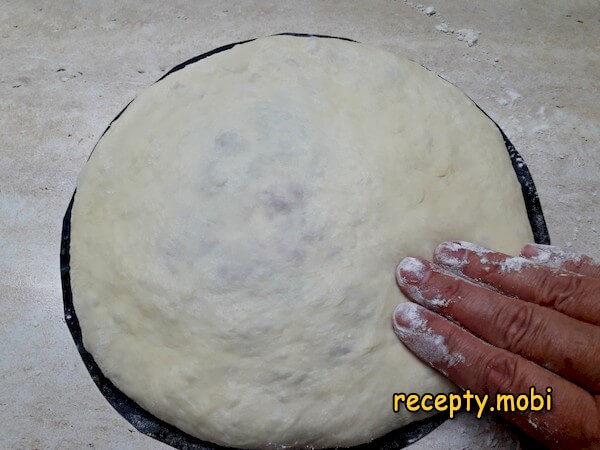
Make HOLE in center for steam release (essential — prevents puffing).
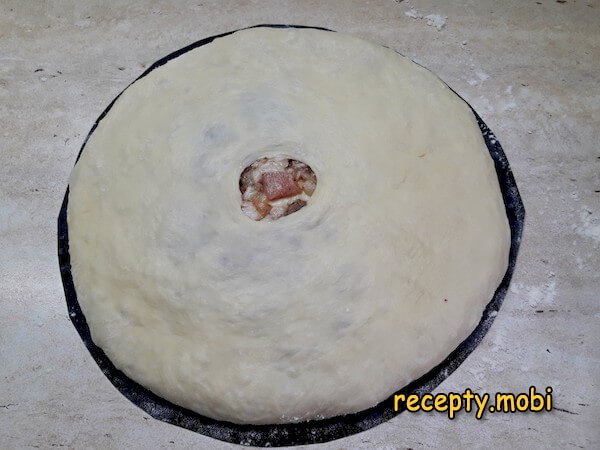
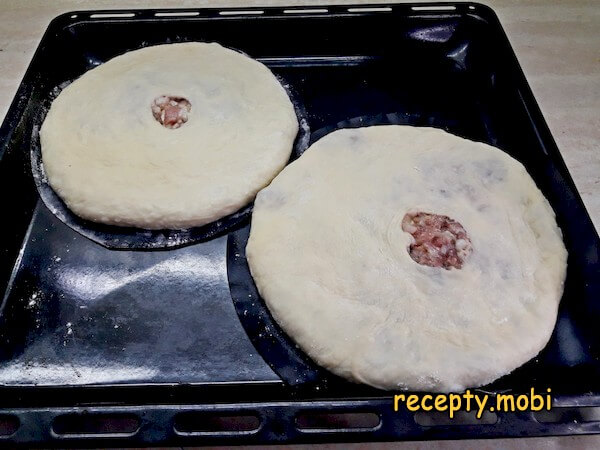
Transfer blanks DIRECTLY from mat to baking sheet; place in oven.
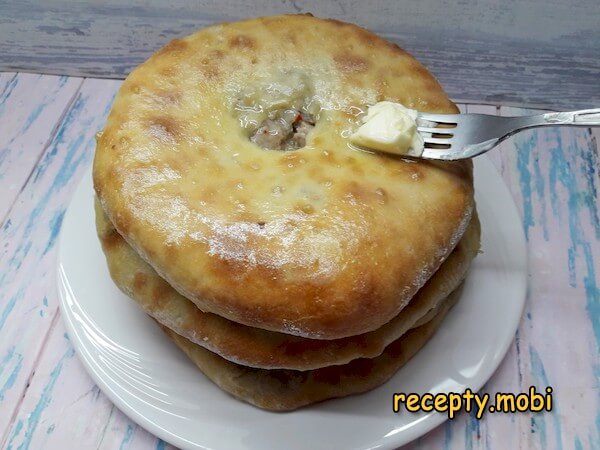
After 15 min: kubdari is GOLDEN BROWN; bubbling meat juice visible through hole.
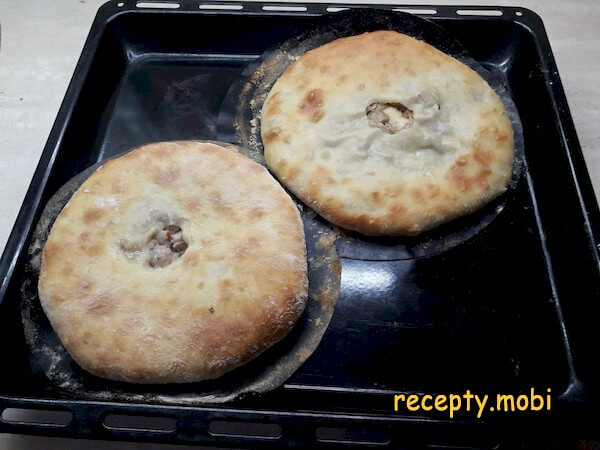
Brush HOT kubdari with butter (recipe-canonical finishing touch).
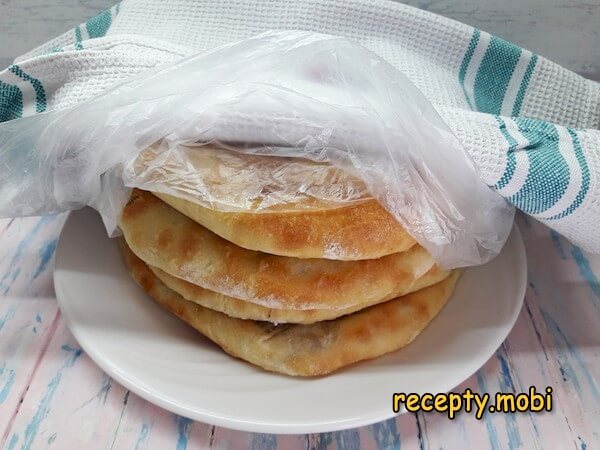
Stack finished kubdari; cover with plastic, then towel. Self-heat keeps flatbreads SOFT + WARM for hours. Serve with: vegetables, fresh herbs, fermented dairy products, and adjika alongside. The amazing sharp aroma is dish's signature. Bon appétit!


Tips
- 1
THE HAND-CHOPPED MEAT IS NON-NEGOTIABLE. The intro emphasizes "NEVER minced with meat grinder, but chopped by hand into small cubes." Why critical: GROUND meat (meat-grinder) produces homogeneous paste — destroys distinct meat-fiber texture, juices escape during baking, becomes generic meat-pie filling. HAND-CHOPPED meat (knife): preserves fiber structure, retains juices, produces signature kubdari texture. The 5 mm cubes balance: small enough for proper distribution + bite, large enough to retain texture. Same hand-chopped principle: traditional Caucasian dishes (chashushuli, kebabs).
- 2
THE LARD-FAT JUICINESS SCIENCE. The 100 g raw lard requirement is recipe-essential. Lean meat alone: produces dry kubdari (proteins lose moisture during 240 °C bake). Adding 100 g fat (lard or pork fat): RENDERS during baking, fat juices saturate the meat + dough, produces "juicy bubbling meat juice through hole" effect (step 28). Without lard: still edible but missing the iconic kubdari juiciness. Modern dietary preferences may resist lard — but the dish IS NOT itself without it. For dietary restriction: substitute with extra-fatty pork (50% fat content cuts), but never skip fat entirely. For another lard-rich Caucasian dish worth comparing, see Khinkali Georgian Dumplings.
- 3
THE 240°C MAX-HEAT BAKING. Step 19's "preheat to MAXIMUM (240 °C)" is calibration. Lower heat (200 °C): produces pale-soft kubdari, less character. 240 °C: produces dramatic GOLDEN-BROWN crust, sealed-in meat juices, traditional Caucasian-bakery-oven character. The 15-min cook time is calibrated for this high temperature. If oven max is 220 °C: extend cook to 18-20 min. If oven max higher (250 °C): reduce time to 12-13 min. The high-heat is recipe-essential — produces the proper bread-pizza-pita texture.
- 4
THE STEAM-HOLE IS PRESSURE-RELEASE. Step 26's "make hole in center" prevents catastrophic kubdari-explosion during baking. Sealed kubdari + 240 °C oven + boiling meat juices = STEAM PRESSURE buildup. Without hole: kubdari may BURST during baking, filling spills, ugly result. WITH hole: steam escapes safely, juices visibly bubble (visual doneness indicator), proper structural integrity maintained. Same steam-hole principle: pot pies, calzones, traditional pasties. The pressure-release is non-negotiable. For another classic Caucasian pastry tradition worth trying, try Lavash Pita on a Frying Pan.
FAQ
Why is the dough sticky? +
Step 10's "sticky + unstable" is INTENDED, not a flaw. Sticky dough = SOFT delicate kubdari (recipe goal). Drier dough (with extra flour added): produces tough heavier flatbread (wrong texture). The pasta-like sticky dough is hard to work with INITIALLY but produces superior final result. The trick is MINIMAL FLOUR ADDITION during shaping (only when absolutely necessary) + WORKING ON PARCHMENT/MAT (avoids transfer damage). Embrace the sticky character — it's the recipe's elegance. Same principle for: ciabatta, focaccia, all soft-bread doughs.
Can I use ground meat? +
Possible but loses authentic character. Ground meat: simpler prep (5 min vs 20 min hand-chopping), more accessible technique, blends with onion easier. BUT: produces homogeneous filling (loses textural identity), JUICES ESCAPE during baking (drier kubdari), becomes "generic meat-pie" rather than authentic Caucasian. For TRUE kubdari experience: invest in hand-chopping. For SIMPLE family weeknight version: ground meat acceptable — adjust recipe expectation. Many modern Russian-Georgian bakeries do use ground meat for efficiency; traditional purists insist on hand-chopping.
What sides go best? +
Georgian tradition has specific pairings. CLASSIC: fresh tomato + cucumber salad with onion + cilantro (côté Georgian standard). FERMENTED DAIRY: yogurt, kefir, matsoni (traditional Caucasian sour dairy). FRESH HERBS: cilantro, parsley, dill, basil (small platter alongside). ADJIKA: spicy condiment (recipe-essential pairing). PICKLED VEGETABLES: any Georgian-tradition pickle. WINE: Georgian semi-sweet red wine (Khvanchkara, Kindzmarauli) traditional accompaniment. The kubdari IS substantial main course — sides should be light + fresh + acidic to cut richness.
How long do they keep? +
Best fresh — within 4-6 hours of baking. Refrigerated covered: 2-3 days, but textures harden. Reheating: 8-10 min in 180 °C oven (re-warms + re-softens). Don't microwave — produces rubbery dough. FREEZER: wrap baked kubdari in plastic + foil, freeze 1 month, thaw + reheat oven. The 2-hour prep makes this an occasion dish. For everyday accessibility: freeze raw shaped kubdari, bake fresh from frozen (extend cook to 25 min).
- Comment
or post as a guest
Be the first to comment.