avg —
Lightly Salted Cucumbers in Mineral Water

Instructions
Lay out every ingredient before starting the pickle. Peel the three garlic cloves, rinse and dry the dill thoroughly, and choose medium or highly carbonated mineral water for the best fermentation results.
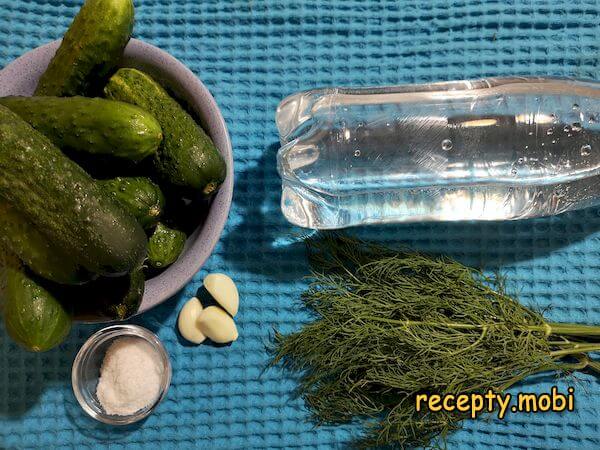
Trim the dry stems from the dill bundle and discard them; only the fragrant fronds and tender stems contribute flavor to the pickle. Place half of the prepared dill at the bottom of a roomy pot, jar, or food-safe container ready for layering.
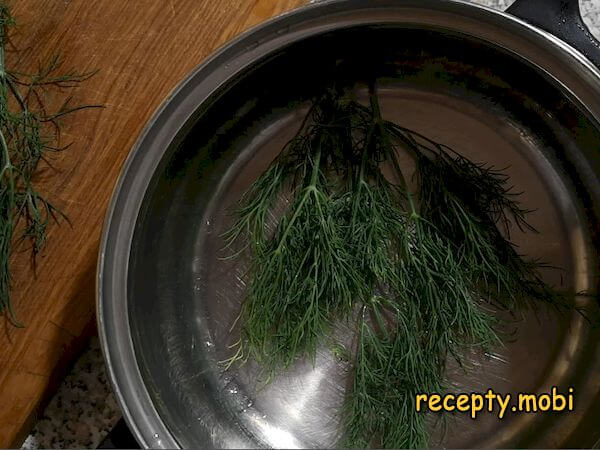
Trim off the dry blossom and stem ends from each cucumber. Add the trimmed cucumbers to the pot on top of the dill bed. The trimmed ends are essential because they often hold enzymes that soften the cucumber flesh during pickling and produce mushy pickles.
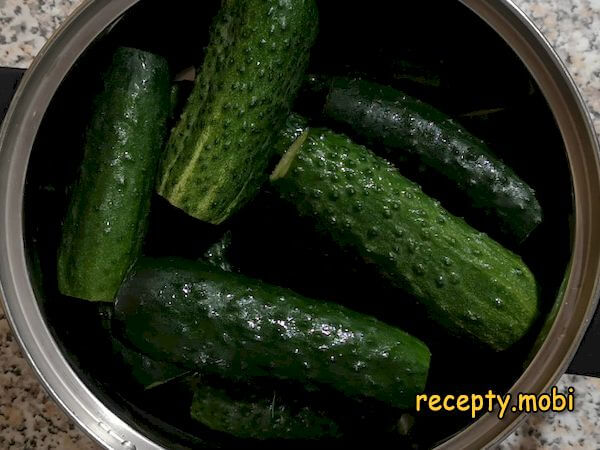
Slice the three peeled garlic cloves into thin rounds with a sharp knife. The thin rounds release garlic flavor more gradually than crushed or pressed garlic and produce a more elegant finished pickle.
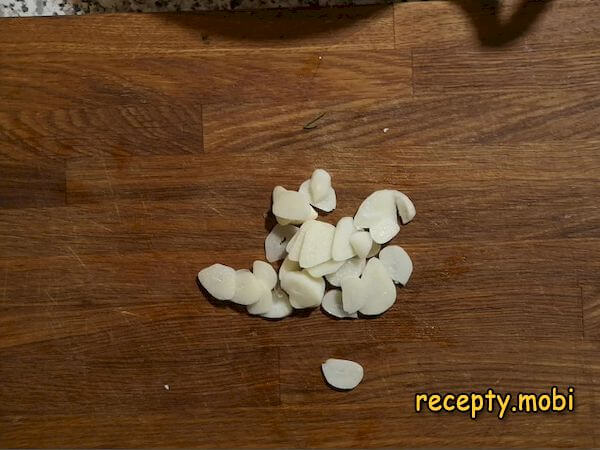
Add the garlic rounds to the pot with the cucumbers and dill. Distribute the garlic evenly throughout the cucumbers so the flavor distributes evenly during the twenty-four-hour pickling period in the refrigerator.
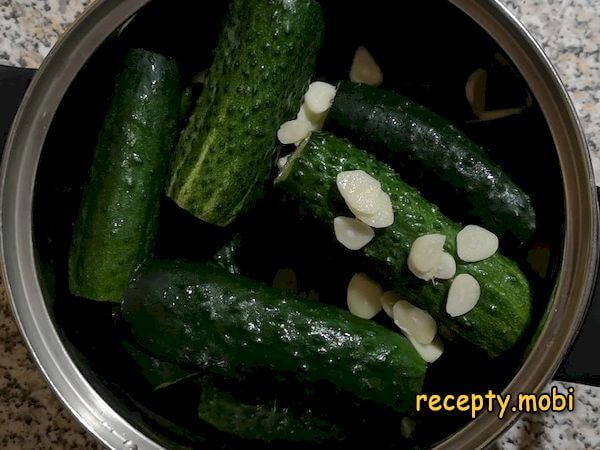
Lay the remaining half of the prepared dill across the top of the cucumbers as the final aromatic layer. The dill on top adds another layer of flavor and helps weigh down the cucumbers slightly so they stay submerged in the brine.
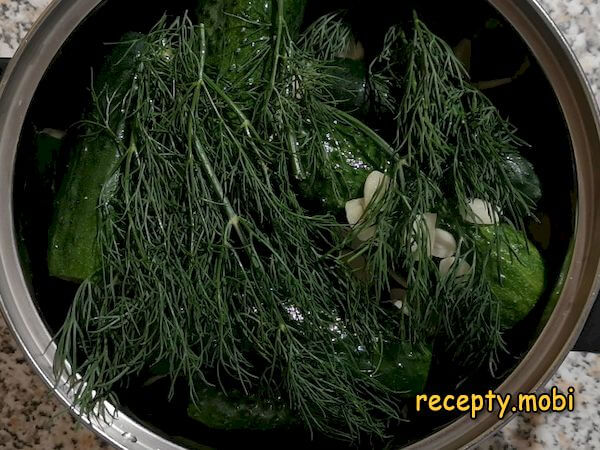
In a separate measuring jug, combine one litre of carbonated mineral water with the two tablespoons of salt. Stir thoroughly until the salt dissolves completely; the bubbles in the water make this step unusual but the salt does dissolve fully into the carbonated liquid.

Pour the salt-mixed mineral water into the prepared container slowly to avoid disturbing the dill arrangement on top. Make sure the brine fully covers all the cucumbers; any pieces sticking above the liquid line will not pickle properly and can develop unpleasant surface bacteria.
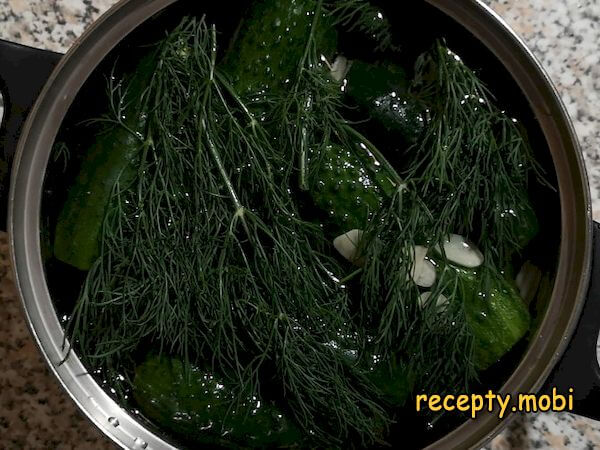
Cover the container with a tight-fitting lid and place it in the refrigerator for one full day. The carbonation in the mineral water speeds the pickling considerably compared to traditional flat-water methods; what would take three days with regular water finishes in just twenty-four hours with the bubbly version.
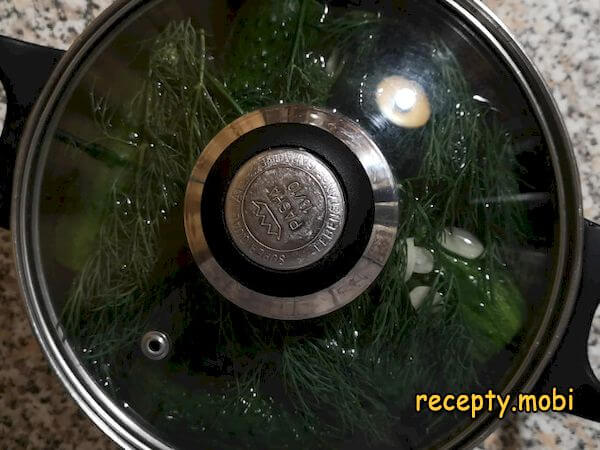
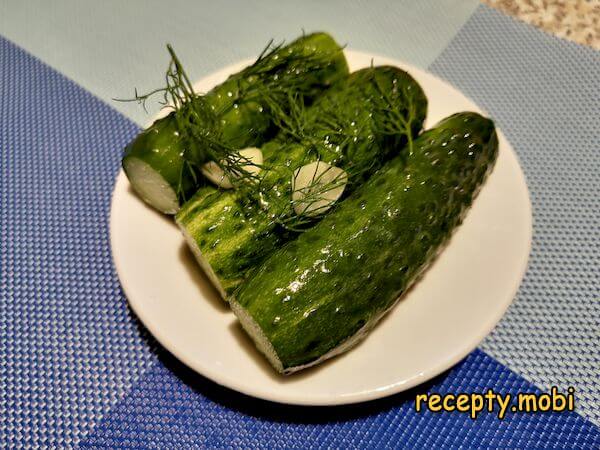
After one full day in the refrigerator, the lightly salted cucumbers in mineral water are ready to enjoy. Lift the cucumbers out of the brine with clean hands or tongs and serve immediately. The pickles deliver bright fresh flavor with the perfect balance of crunch and salt for any summer meal. Bon appetit alongside good company at the lunch table.


Tips
- 1
Choose firm small cucumbers (about ten centimetres long) with bumpy skin and minimal seeds for the best results. Soft overripe cucumbers turn mushy during pickling and produce a disappointing finished product. Smooth-skinned salad cucumbers also work but produce slightly different texture; the bumpy "pickling" varieties absorb brine more effectively and stay crisper. Look for cucumbers labeled "pickling" or "Kirby" at the market for the most reliable results in this and any pickle recipe.
- 2
Use only non-iodized salt for any pickling project. Iodized table salt clouds the brine permanently and can leave a faintly bitter aftertaste in the finished pickles. Look for kosher salt, pickling salt, or coarse sea salt without anti-caking additives. Pair the finished cucumbers with the related slightly salted cucumbers in a bag for two pickling techniques on one summer table.
- 3
Use the most bubbly mineral water you can find for the fastest fermentation. The dissolved carbon dioxide in carbonated water creates microscopic agitation in the brine that speeds the pickling process considerably. Mineral content matters less than carbonation level; even plain seltzer water with no significant minerals produces excellent results as long as it carries plenty of bubbles. Open the bottle just before measuring to preserve maximum carbonation.
- 4
Add a horseradish leaf or two cherry leaves to the container along with the dill for extra crisp pickles. Both leaves contain natural compounds that prevent the cucumbers from softening during the brining period. The trick is widely used in traditional Russian pickling and produces noticeably crispier finished pickles than the basic dill-and-garlic version. Pair the cucumbers with the festive quick pickled tomatoes in a bag.
FAQ
How long do the lightly salted cucumbers keep in the refrigerator? +
The pickles keep well for up to one week in the brine in a covered container in the refrigerator. After one week, the cucumbers continue to ferment slowly even at refrigerator temperatures and gradually become more aggressively sour. For peak crispness and balanced flavor, consume the pickles within four days of completion. Always keep the cucumbers submerged below the brine line and use clean utensils for serving to prevent introducing bacteria from outside that could spoil the entire batch in just a day.
Can I make this recipe without mineral water? +
Yes, plain filtered water works for the pickling process but produces results more slowly. The carbonation in mineral water speeds the fermentation considerably; without the bubbles, the cucumbers need three to four days to reach the same level of pickling that mineral water achieves in just twenty-four hours. The flavor stays nearly identical between the two methods. For the fastest pickle, the carbonated water is the clear winner; for any other quality, the difference is negligible.
Can I add other spices to vary the flavor? +
Yes, several additions transform the basic recipe into different flavor experiences. Black peppercorns and bay leaves add classic Russian-style depth. Coriander seeds bring a citrus aromatic note. Mustard seeds contribute gentle warmth. Fresh tarragon adds an unusual licorice-like character that pairs beautifully with cucumbers. Hot pepper rings deliver real heat for those who enjoy spicy pickles. Whatever additions you choose, keep the basic dill-and-garlic foundation as the dominant flavor; the additions complement rather than replace the classic profile.
What can I serve alongside lightly salted cucumbers? +
The bright crisp pickles pair beautifully with several classic Russian dishes. Boiled potatoes with butter and dill create a perfect simple summer meal. Grilled meats (pork chops, chicken skewers, beef sausages) benefit from the fresh acidic contrast. Cold cuts and crusty bread make a quick lunch platter centered around the pickles. Fish dishes pair particularly beautifully with these cucumbers. For drinks, chilled vodka, dry white wine, or a crisp lager all pair traditionally with lightly salted cucumbers at any summer table for a refreshing meal experience.
- Comment
or post as a guest
Be the first to comment.