avg —
Mandarin Jam

Instructions
I prepare the ingredients. Wash mandarins + lemon; pat dry. Pre-wash jars + lids (sterilise — see jar sterilisation guide).
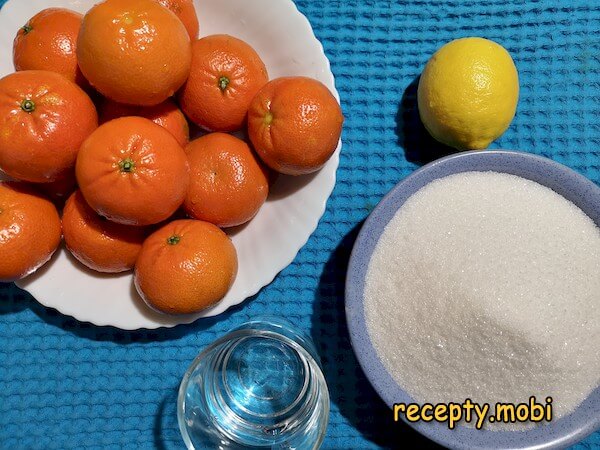
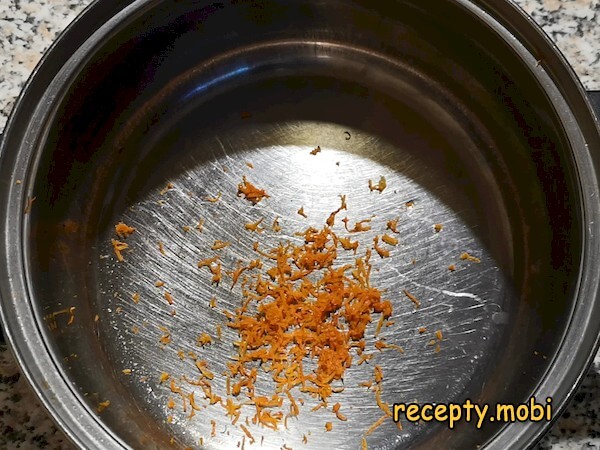
Remove zest from 2 mandarins using fine grater. Transfer zest to saucepan.
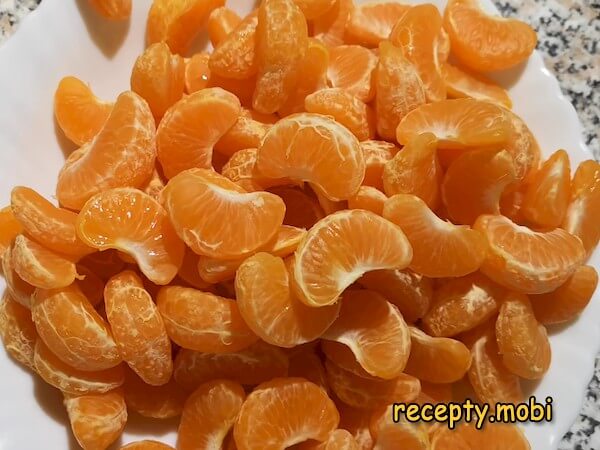
Peel all mandarins; separate into segments. Remove white "threads" from segments (they're bitter). If seeded variety: cut segments in half, remove seeds.
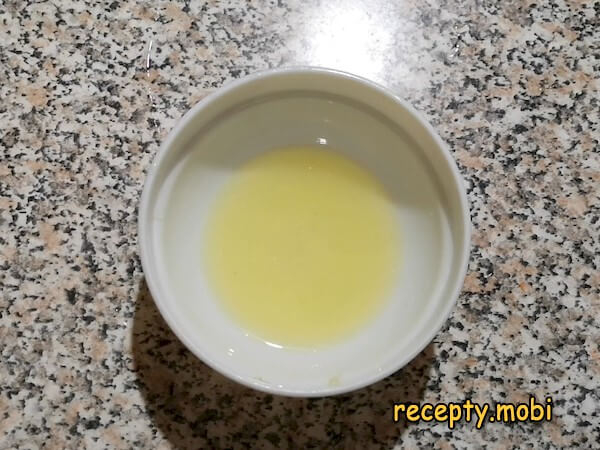
Squeeze juice from 1 lemon.
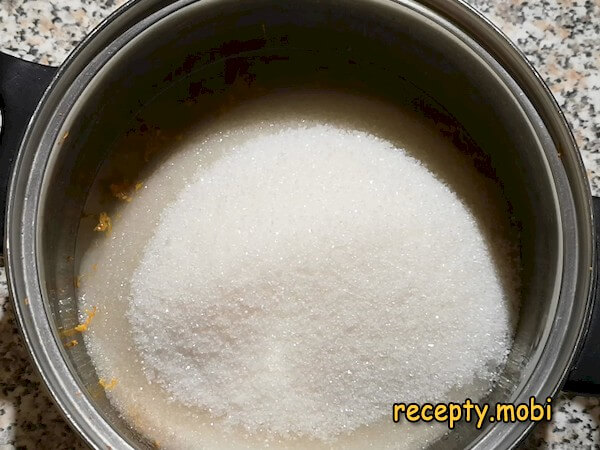
To saucepan with mandarin zest: add lemon juice + water + 500 g sugar.
Place saucepan on heat; bring to gentle boil while stirring continuously. Sugar dissolves almost completely during heating.
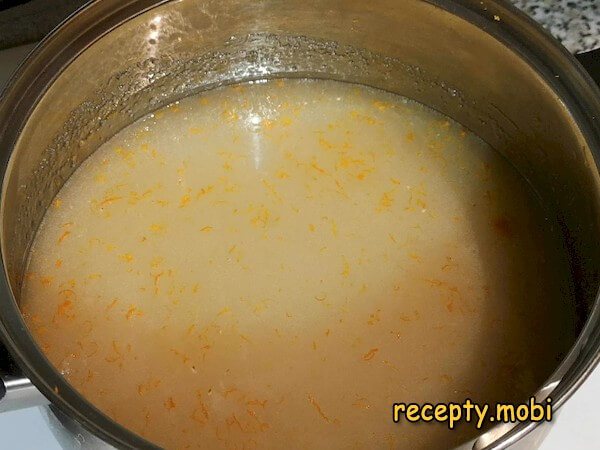
Add mandarin segments to the syrup. Reduce to LOW heat; stir periodically; bring mixture back to gentle boil; cook 25-30 minutes. For thicker jam: add pectin 3 minutes before cooking time ends (follow pectin package directions for quantity).
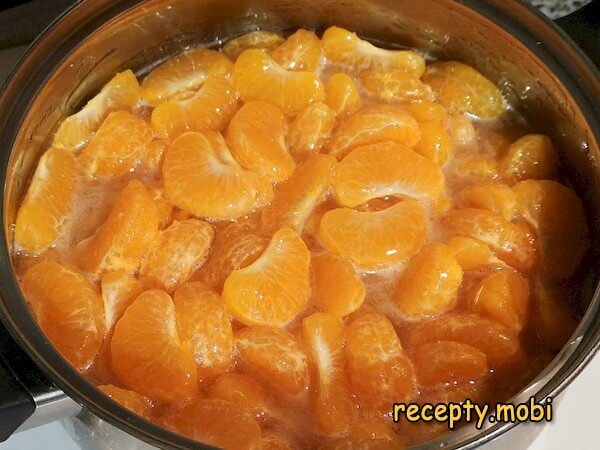
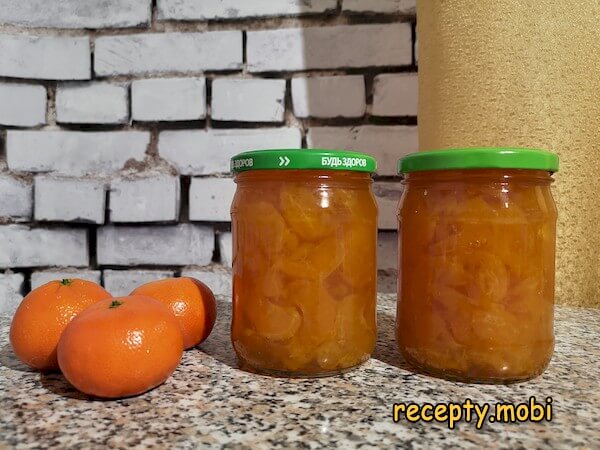
The mandarin jam is ready (segments visible in syrup).
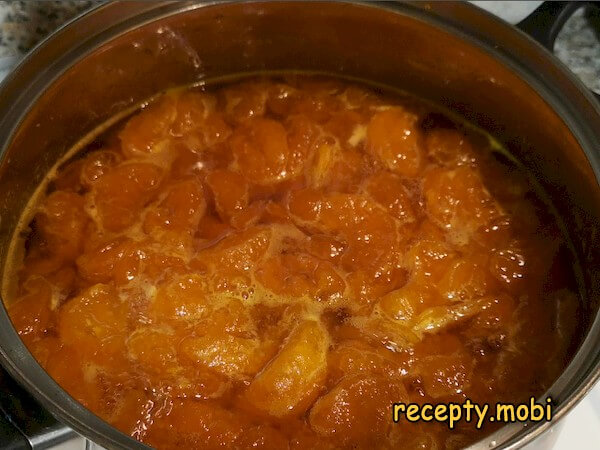
Pour hot jam into sterilised jars; seal with sterilised lids. Invert jars (upside-down) on counter; let cool completely at room temperature (creates vacuum seal as jam cools).
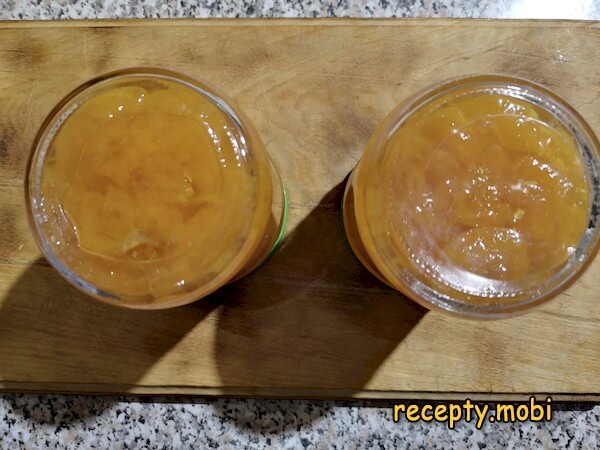
The mandarin jam is ready. Happy canning!


Tips
- 1
THE WHITE-THREAD REMOVAL IS BITTERNESS PREVENTION. Step 3's "remove white threads" instruction is critical. Mandarin segment membranes contain limonin compounds — extremely bitter when concentrated through cooking. Skipping this step: jam develops noticeable bitter aftertaste even with proper sugar levels. The threads pull off easily by hand once the segments are separated. Same principle applies to all citrus jam preparations (orange marmalade, grapefruit jam, lemon preserves).
- 2
THE LEMON JUICE IS SCIENCE NOT JUST FLAVOUR. Step 4's lemon juice serves multiple roles. First: provides natural pectin (citrus pith + juice contain pectin that helps thicken jam). Second: prevents crystallization (the acid breaks down sugar polymers, keeping syrup smooth). Third: brightens flavour (cuts through the sweetness). Without lemon: thinner runnier jam with potential sugar crystals. With lemon: proper jam texture + balanced flavour. Same acid-pectin synergy works across all stone-fruit and berry jams. For another berry-cherry jam variation worth comparing, see Strawberry and Pitted Cherry Jam.
- 3
THE INVERT-JAR SEALING TECHNIQUE. Step 9's "invert jars upside-down" is traditional canning wisdom. The hot jam contacts the lid (sterilises it from inside) AND creates vacuum as jam cools (when jam contracts, suction pulls lid down). Result: long-term-safe seal that resists spoilage. Modern canning approach: water-bath process for 10 minutes is more reliable. The invert method is acceptable for short-term storage (3-6 months refrigerated) but water-bath is mandatory for room-temperature long-term storage.
- 4
THE PECTIN ADDITION IS THICKNESS CONTROL. Step 7's optional pectin addition is the difference between "runny jam for drizzling" and "thick jam for spreading on bread". Without pectin: the recipe produces runny syrup-with-segments — perfect for drizzling. With pectin: thicker jelly-like consistency for bread-spreading. Pectin types: powder pectin (most common, follow package directions), liquid pectin (slightly easier to incorporate), no-sugar-needed pectin (for low-sugar variants). Quantity varies by brand — always follow specific package guidance. For another cherry-with-pits jam variation worth trying, try Cherry Jam with Pits for Winter.
FAQ
Why mandarins specifically (not oranges)? +
Both mandarins AND oranges work in this recipe — mandarins are recipe-recommended for SPECIFIC reasons. First: mandarins are sweeter than oranges (need less added sugar). Second: mandarin segments are smaller (visually attractive in jam). Third: mandarin zest has more aromatic oils per gram (stronger fragrance). Fourth: mandarins are CHEAPER throughout most of the year (better economic value). Orange substitution: works fine with same proportions; produces slightly less aromatic, slightly more acidic jam. Tangerines work identically to mandarins (essentially the same fruit). Clementines also acceptable substitute.
How do I sterilise jars properly? +
Multiple sterilisation methods work. Method 1 (oven): wash jars + lids in hot soapy water; rinse; place jars upside-down on baking sheet in 120 °C oven for 15 minutes. Boil lids separately in water 5 minutes. Method 2 (boiling water): submerge jars + lids in boiling water for 10 minutes. Method 3 (microwave): wash jars; pour 1/2 cup water into each; microwave on high 1-2 minutes (each jar). The hot mandarin jam goes into still-hot sterilised jars (cold jars + hot jam = thermal shock + cracking). Sterilisation is essential for shelf-stable canning.
How long does it keep? +
Properly canned (water-bath processed): 1 year at room temperature unopened. Refrigerated after opening: 3-4 weeks. Improperly canned (just invert-seal): 3-6 months refrigerated only (don't store at room temperature). Visual signs of spoilage: bulging lid (indicates fermentation/spoilage — discard immediately), mold on top (discard), off-smell (discard). Sugar levels (50% sugar by weight) act as natural preservative. The lemon juice acidity also extends shelf life. For long-term storage: properly water-bath process the sealed jars for 10 minutes after sealing.
Can I make less sweet versions? +
Yes — modern adaptations exist. Reduce sugar to 350 g for 1 kg mandarins (lower-sugar version, slightly less shelf-stable but tastes more "fresh fruit"). For NO-sugar version: use no-sugar pectin (designed for stevia/erythritol-sweetened jams) + 100 g stevia or erythritol equivalent. The no-sugar version requires careful canning + refrigeration (no preservation from sugar). For HALF-sugar version: 250 g sugar + 100 g honey (alternative sweetener). Each variation has different shelf life + flavour profile. Stick to recipe sugar quantities for traditional shelf-stable preserve; experiment with reductions for fresh-eat-soon versions.
- Comment
or post as a guest
Be the first to comment.