avg —
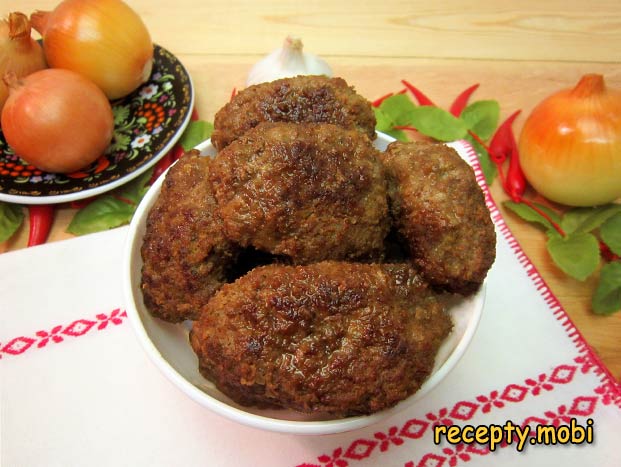
Meatballs in Tomato Sauce in a Multicooker

Instructions
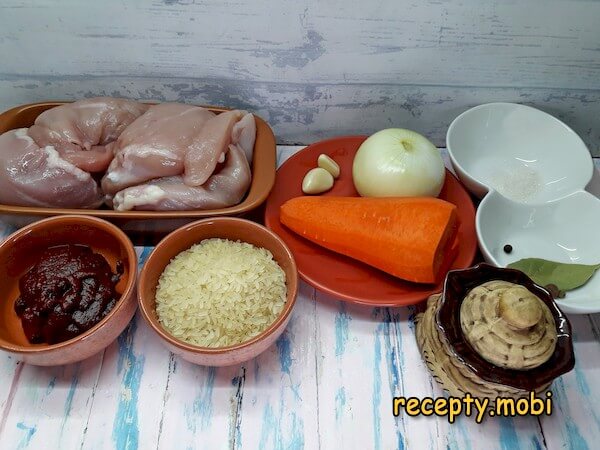
I prepare ingredients for meatballs in tomato sauce. Recipe accepts MANY meats: chicken/turkey (default), pork, beef, or lamb — same algorithm + multicooker program. For HEAVIER meats: make meatballs slightly smaller for proper cooking.
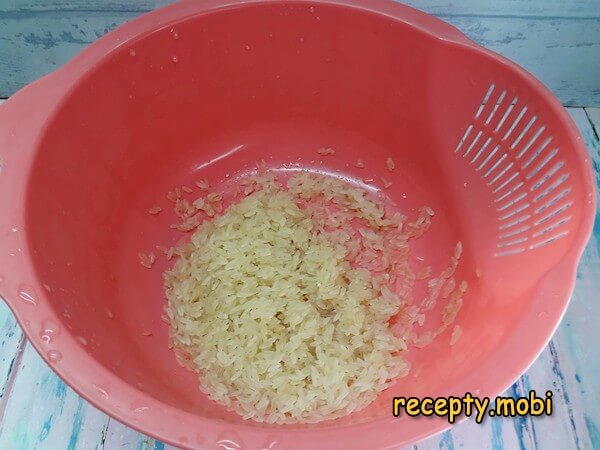
Rinse rice several times — wash away rice flour (starch) for non-clumping result.
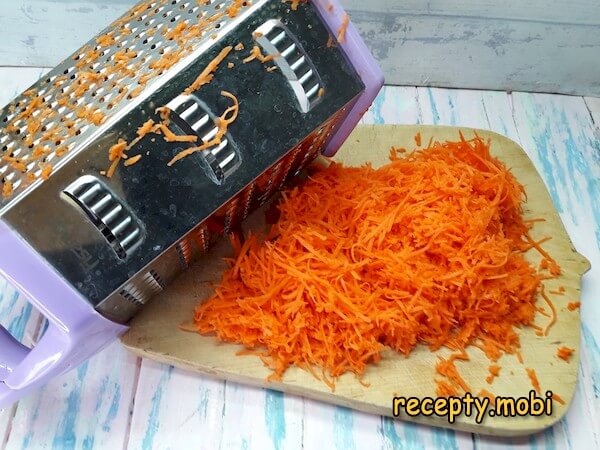
To make meatballs more tender + colorful: add carrot. Grate on MEDIUM grater.
Prepare fillet + onion + garlic for grinding. Cut onion + fillet into small pieces.
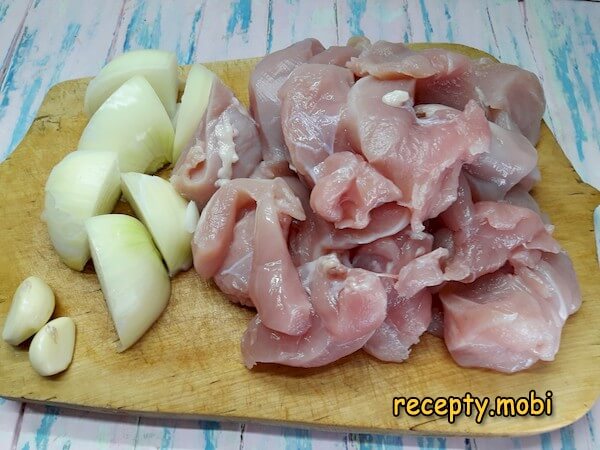
Grind all of this into MINCED MEAT.
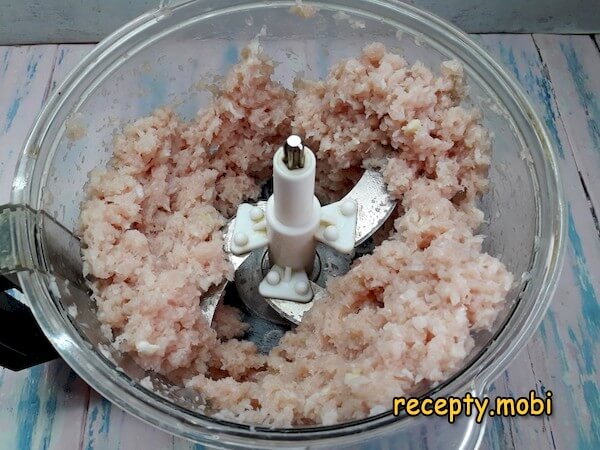
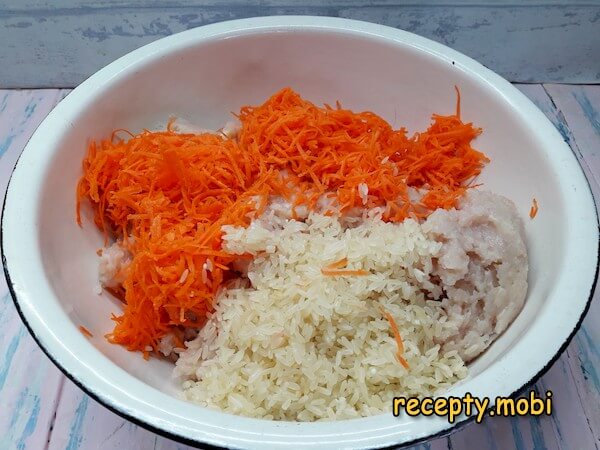
Combine minced meat with rice + HALF the grated carrot in mixing bowl. Add salt; mix.
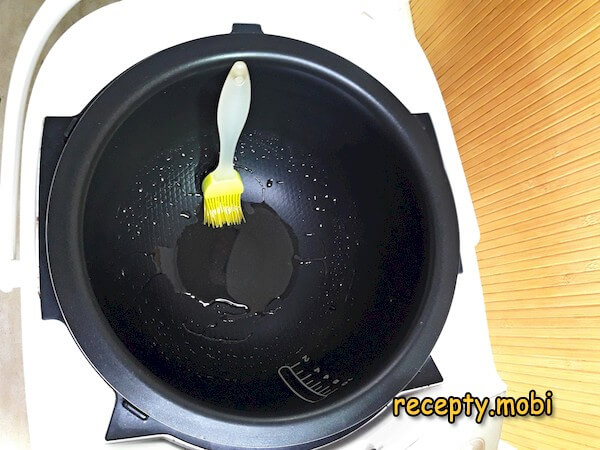
In multicooker bowl: spread spoonful of oil over walls + bottom (prevents sticking).
Shape meatballs from minced meat with WET HANDS — slightly bigger than walnut, smaller than chicken egg.

Place HALF the meatballs on bottom of multicooker.
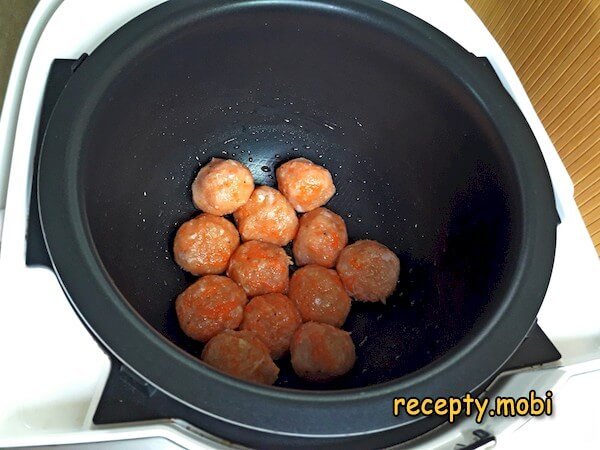
Cover first meat layer with SOME of remaining carrot (mid-layer).
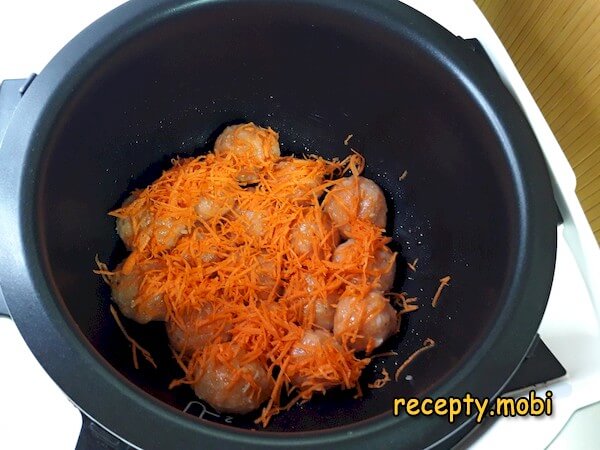
Layer remaining meatballs on top (multicooker pot expands toward middle — more meatballs fit second layer).
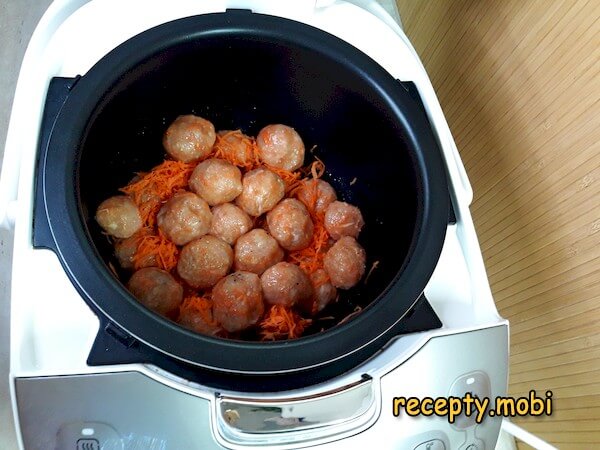
Sprinkle ALL remaining carrots over top; add bay leaf + mixed peppercorns.
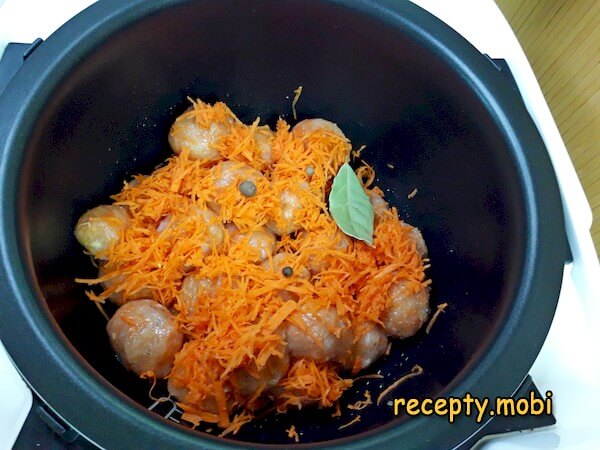
Dilute tomato paste with water up to 400 ml mark. Stir; add sugar + salt for flavor balance.
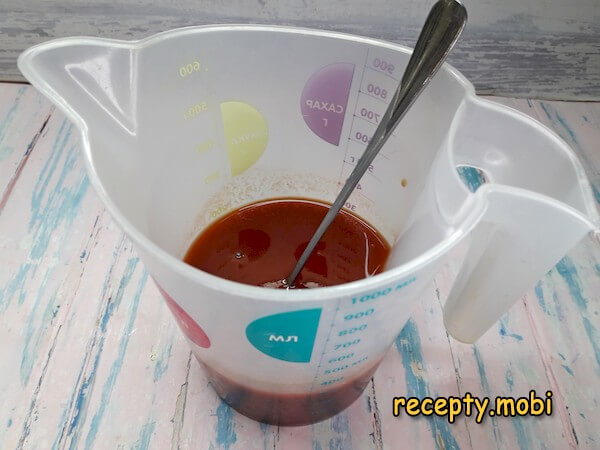
Pour tomato mixture over meatballs.
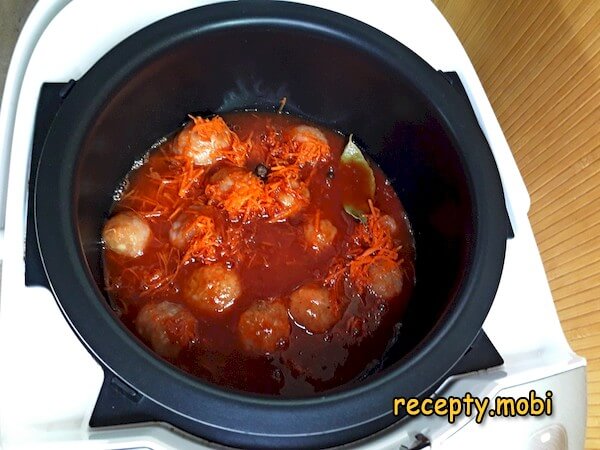
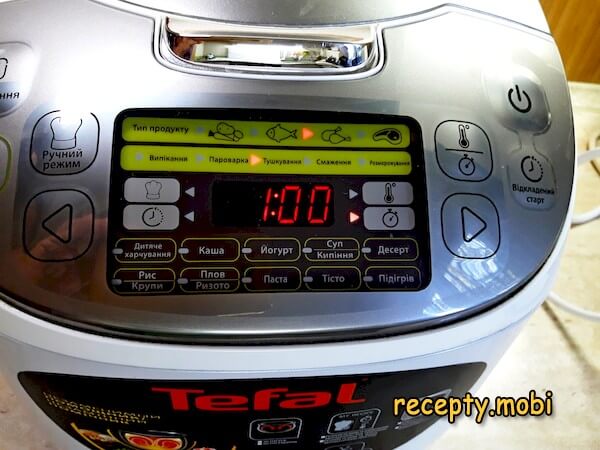
Close lid; set program. Choose: PRODUCT TYPE = poultry; PROGRAM = stewing; TIME = 1 hour. Press start. While cooking: do other things — no monitoring needed (perfect result guaranteed by program).
When sound signal: dish ready. Either turn off multicooker + open lid immediately, OR leave it (default keep-warm program engages automatically).
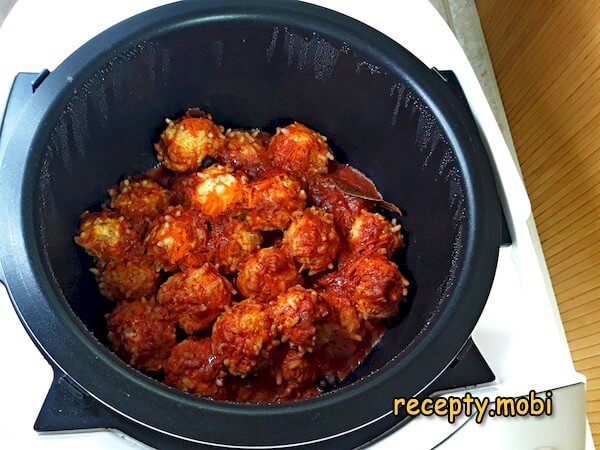
All meatballs retained shape perfectly + did NOT stick together — easily stirred + portioned.
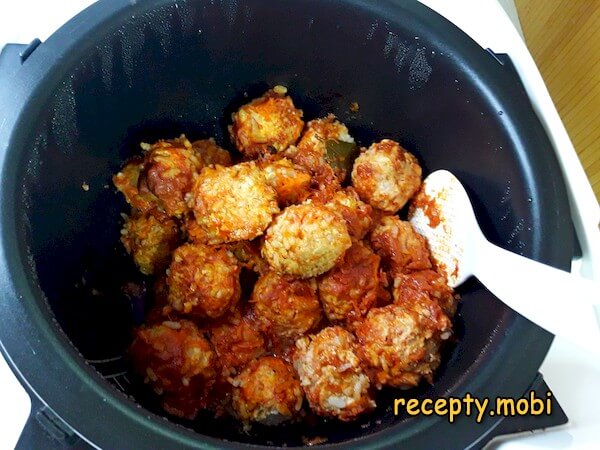
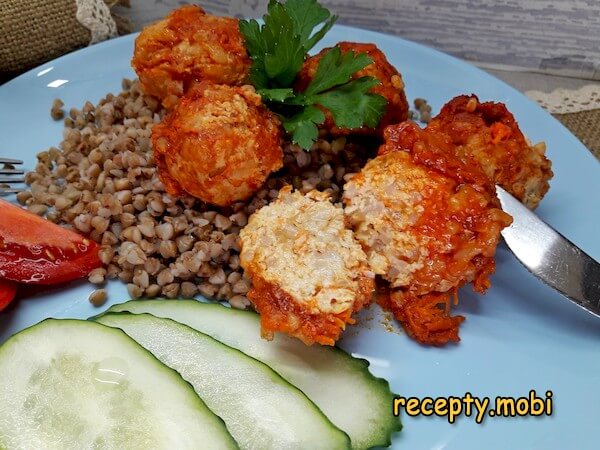
Cooked meatballs in tomato sauce can be served with any side dish OR vegetables. Pour remaining cooking sauce over meatballs; add sour cream when serving. Bon appétit!


Tips
- 1
THE WET-HANDS BALL-FORMING. Step 8's "wet hands" technique is professional kitchen wisdom. Dry hands: minced meat sticks, can't form clean spheres. WET hands: meat slides cleanly off palms, forms uniform balls quickly. Refresh hands every 5-6 meatballs (water dries from heat). The "walnut-to-egg-size" range produces 5-meatball-per-serving math (35 meatballs total from 750 g + 100 g rice mix). Same wet-hands technique: forming dumplings, falafel, vegetable patties.
- 2
THE LAYERED-IN-POT TECHNIQUE. Step 9-12's "layer meatballs + carrot + meatballs + sauce" is multicooker-optimization. Single layer: all meatballs cook identically; second layer: provides cooking-volume + textural variety. The MID-CARROT LAYER: vegetables release juice into both meat layers, distributes flavor + moisture evenly. Without layering: bottom meatballs over-cook; top meatballs under-cook. The recipe's layering accommodates the multicooker's expanding shape (wider middle than top/bottom). For another multicooker recipe worth comparing, see Chicken with Rice in Multicooker.
- 3
THE RICE-IN-MEATBALL TECHNIQUE. Step 6's adding rice to minced meat is structural-essential. WITHOUT RICE: meatballs are dense + heavy + slightly tough. WITH RICE (100 g for 750 g meat): rice grains absorb meat juices during stewing + lighten texture, expand slightly during cook (proper "swollen rice in meatball" character). The 1:7.5 rice-to-meat ratio is calibrated. Same rice-in-meatball technique used in: Eastern European "tefteli", Greek "soutzoukakia", Turkish "izmir koftesi". Don't skip rice — produces fundamentally different (denser) meatballs.
- 4
THE MULTICOOKER STEWING-PROGRAM ADVANTAGE. Step 15's "STEWING program 1 hour" delivers consistent results without supervision. STOVETOP version: requires monitoring (heat adjustment, stirring, timing). Multicooker: pre-programmed pressure + temperature + time, operator-free. Same recipe in: pressure cooker (high pressure 25 min), Dutch oven (180 °C oven 1 hour), stovetop (low heat 1 hour with monitoring). Each method works; multicooker is most convenient. The dish is genuinely set-and-forget. For another classic multicooker preparation worth trying, try Beef Stew in Multicooker.
FAQ
Can I cook on stovetop instead? +
Yes — stovetop adaptation works. Method: heat heavy-bottom pot; brush with oil; layer meatballs + carrot per recipe; pour tomato sauce; cover with lid; SIMMER LOW heat 60 minutes. Stir gently every 15 min (prevent bottom-sticking). Result: equivalent to multicooker but requires monitoring. Pressure cooker version: 20 min HIGH PRESSURE; natural release 10 min. Each method produces excellent results. Multicooker is most convenient (set-and-forget); stovetop is most traditional. The dish is genuinely versatile.
Can I use other meats? +
Yes — recipe-flexible. CHICKEN/TURKEY (recipe-default): leanest, family-friendly. PORK: richer + more juicy, traditional Russian variant. BEEF: more intense flavor, higher-calorie. LAMB: distinctive Mediterranean character. MIXED beef-pork (50/50): traditional Russian-meatball blend. The 750 g works at 1:1 substitution. For HEAVIER meats: make meatballs slightly smaller (cook through faster). The cooking time stays roughly same regardless of meat choice.
How long does it keep? +
Refrigerated covered: 4-5 days at peak quality. Day 2-3: PEAK FLAVOR — sauce concentrates, meatballs absorb tomato character, dish becomes more cohesive. Reheating: gentle stovetop simmer 10 min, OR microwave individual portions 2-3 min. FREEZER: works very well (3 months freezer life), thaw overnight + reheat. The dish is genuinely meal-prep-friendly + improves overnight. For meal-prep: cook large batch Sunday for week's lunches.
What sides go best? +
Multiple traditional + modern options. CARBOHYDRATE base: white rice (absorbs sauce beautifully), MASHED POTATOES (creamy contrast), buttered noodles (kid-friendly), kasha (Russian buckwheat porridge — traditional). VEGETABLE accompaniment: simple cucumber-tomato salad, steamed broccoli, sautéed mushrooms. CRUSTY BREAD: rye bread for sopping up sauce. PICKLED VEGETABLES: traditional Russian "pickled mushrooms" or "salted tomatoes". The dish + side starch pairing is recipe-essential — sauce is too good to waste, needs absorber.
- Comment
or post as a guest
Be the first to comment.