avg —
Nests with mushrooms and cheese in a skillet

Instructions
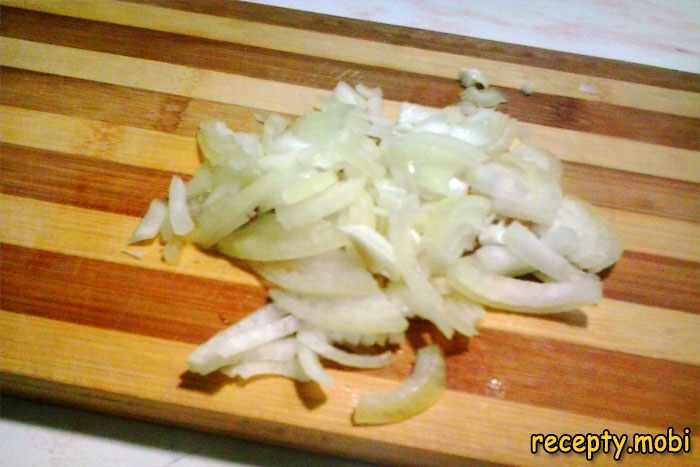
Cut the peeled bulb onion into quarters of rings for proper finished aromatic distribution.
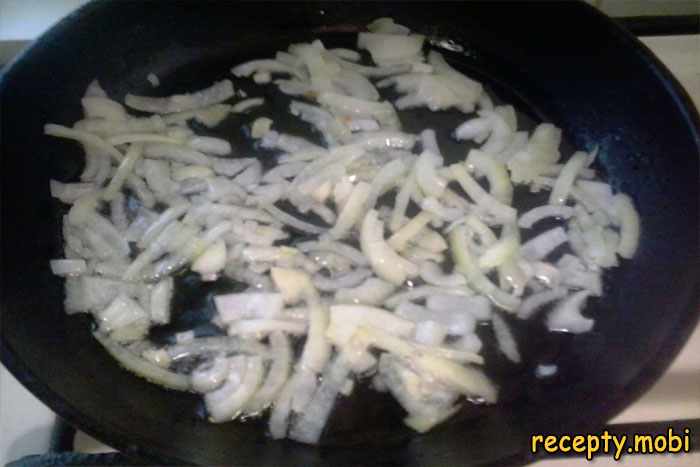
Heat the vegetable oil in a frying pan, fry the prepared onion until translucent for proper aromatic foundation.
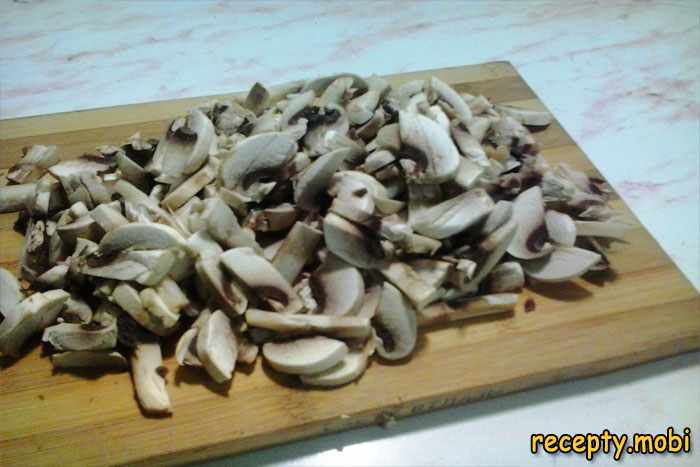
Wash fresh mushrooms under running water, dry them, and cut into small slices or julienne. For the dish, you can use dried mushrooms, of which you will need 5-6 times less by weight. Soak them beforehand or boil for 10 minutes.
Add the mushrooms to the onion, salt, sprinkle with some spices, and mix. Fry for about 5 minutes for proper finished mushroom development.
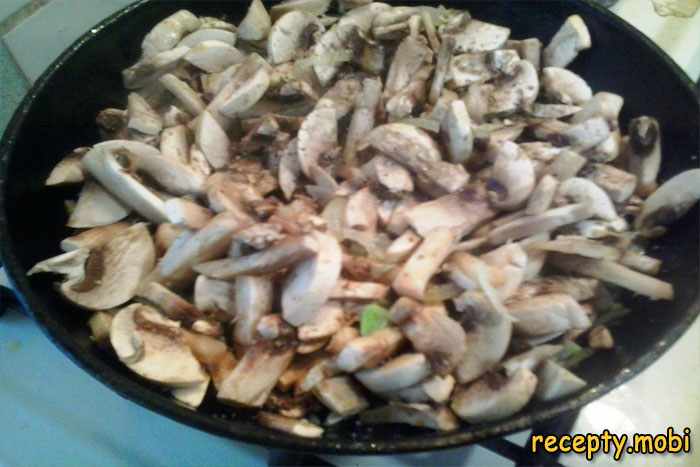
When the liquid from the mushrooms begins to evaporate, pour in a glass of boiled water, cover with a lid and simmer for 10 minutes. Add salt and spices to your taste for proper finished flavor balance.
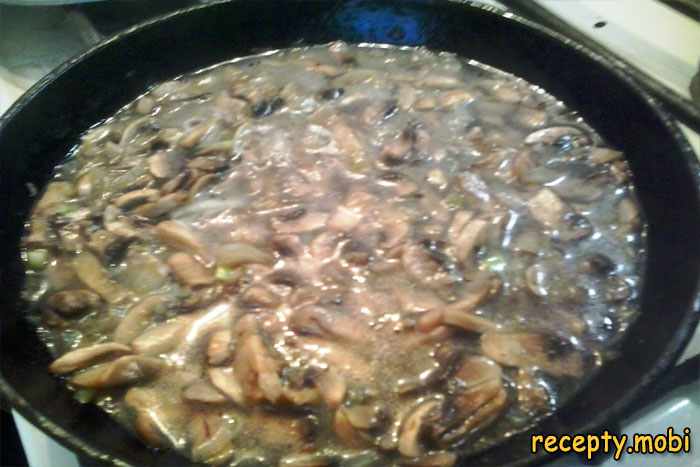
Set aside part of the cooked mushrooms on a separate plate. Place the nests of spaghetti (noodles) in the frying pan.
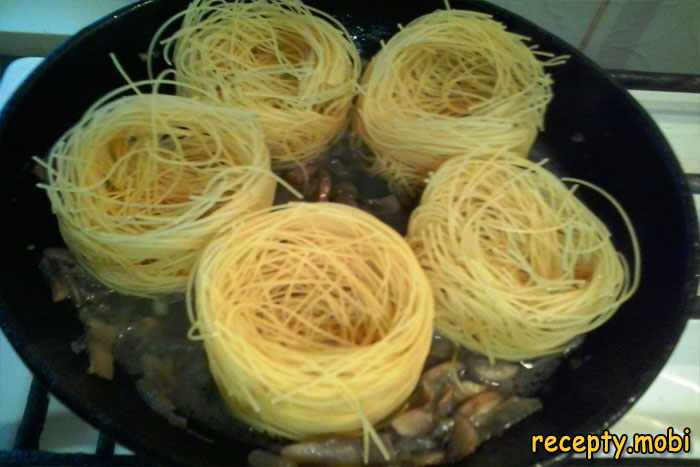
Inside each nest, place the mushrooms, and if necessary, pour water into the frying pan so that the nests are covered halfway. Simmer the dish over low heat with the lid on until cooked (about 15 minutes). During the cooking process, you can periodically pour broth over the spaghetti that they are simmering in.
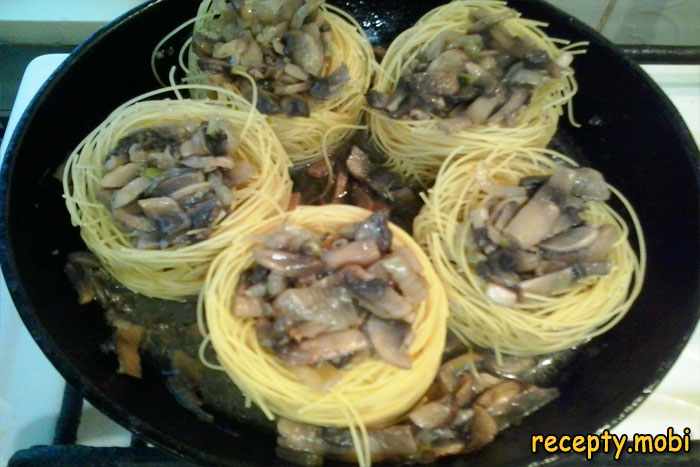
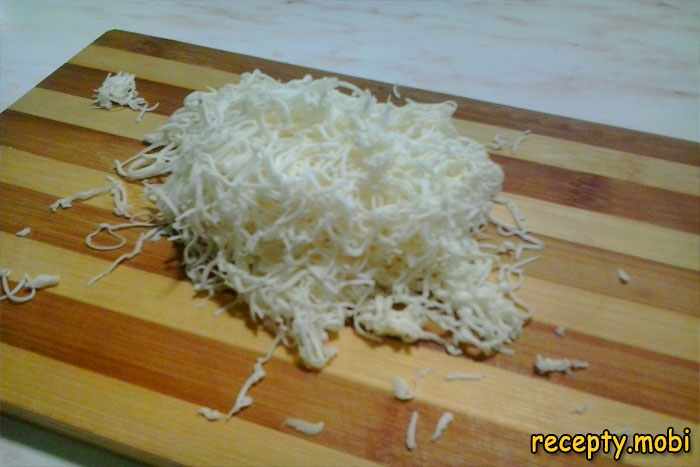
Grate the cheese on a grater with medium holes. 5 minutes before readiness, sprinkle the nests with cheese. Simmer, covering with a lid for proper finished melted character.
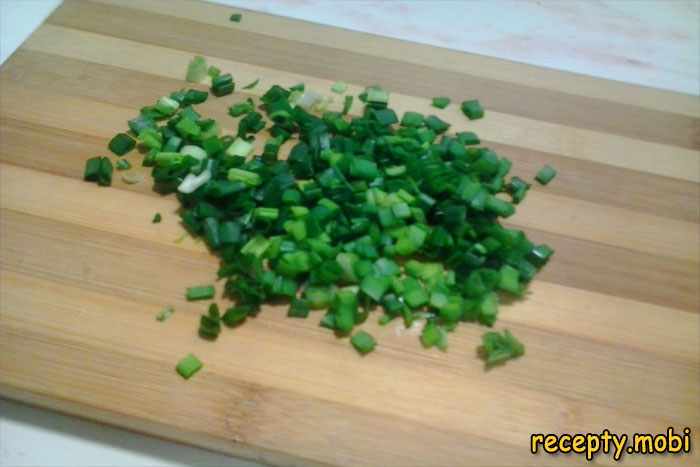
Finely chop the green onion, sprinkle it over the finished dish and serve. Enjoy your meal!Cook nests with mushrooms and cheese according to our recipe for proper finished quick-dinner satisfaction.


Tips
- 1
Use quality durum-wheat spaghetti nests for the best finished texture. Cheap soft-wheat pasta produces inferior mushy results that fall apart during skillet-cooking; quality durum-wheat nests maintain proper firm bite character throughout the simmering process authentic to traditional Italian-Russian fusion preparations. The pasta quality matters more than home cooks typically realize for finished dish quality and overall taste experience throughout family weeknight applications consistently across batches reliably.
- 2
Use fresh champignon or oyster mushrooms for the brightest finished mushroom character. Older mushrooms produce muddy disappointing flavor; fresh quality mushrooms produce the proper bright forest character authentic to traditional preparations. The same fresh-mushroom principle elevates many quick-dinner preparations including Julienne in mushrooms in the oven and similar mushroom-based preparations across various Russian cooking traditions throughout the year.
- 3
Maintain proper liquid level during the simmering for the best finished nest structure. Dry pan burns the nests; too much liquid produces soupy disappointing results. Periodically check liquid level and add small amounts as needed for proper steam-stew environment authentic to traditional preparations. The liquid management matters significantly for finished dish quality consistently across batches and various skillet-pasta preparations throughout the year for proper restaurant-style results worth showcasing reliably.
- 4
Serve hot with traditional Russian-style accompaniments for proper presentation. Cooled nests lose the melted cheese magic that defines proper preparation; hot-from-the-skillet nests show full cheese-melt character at peak quality. Pair with crusty homemade bread for substantial dinner spreads, alongside fresh garden salads for balanced family meals, or with cold sour cream for traditional Russian accompaniment worth showcasing.
FAQ
What other fillings work besides mushrooms? +
Yes, fried pieces of fish, chicken fillet, ham, ground beef, shrimp, or sauteed vegetables all work beautifully as substitutes for mushroom filling. Each filling produces distinct character: chicken is most universally appealing, ham is most German-style, shrimp is most elegant, vegetables are most diet-friendly. Mix and match based on personal preference and pantry availability for endless variations across various pasta-nest traditions throughout the year reliably across various entertaining occasions.
How long do leftovers keep? +
Stored covered in the refrigerator, the cooked nests keep for 2-3 days at peak quality. Reheat with a splash of water in covered skillet for 5-7 minutes to restore proper moisture and texture; microwave reheating produces rubbery disappointing results. The nests do not freeze well due to pasta texture degradation upon thawing. Best consumed within 24-48 hours of cooking for the brightest most appealing finished results across multiple weeknight meal occasions consistently.
What cheeses work best? +
Russian cheese (most traditional Slavic), Parmesan, Gruyere, sharp cheddar, mozzarella, or even processed cheese all work beautifully in this preparation. Each cheese produces distinct character: Russian cheese is most traditional, Parmesan is most Italian, mozzarella melts most beautifully, processed cheese is most economical. Choose based on personal preference and pantry availability for proper finished results across various pasta-nest preparations throughout the year for proper personalized finished results consistently across various entertaining occasions.
Can I add other vegetables? +
Yes, bell peppers, zucchini, peas, carrots, spinach, or cherry tomatoes all work beautifully alongside the mushroom filling. Each addition produces distinct character: bell peppers add color and sweetness, zucchini adds light freshness, peas add traditional Russian touches, tomatoes add bright acidity. Mix and match based on garden abundance and personal preference for endless variations across various quick-skillet traditions throughout the year for proper personalized finished pasta-nest results consistently across various preparation occasions.
- Comment
or post as a guest
Be the first to comment.