avg —
Oven-Baked Pork Ribs

Instructions
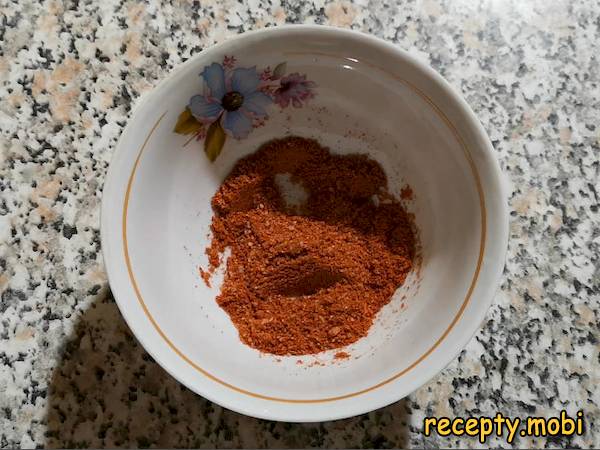
In a small mixing bowl, combine half a teaspoon of salt with 1.5 teaspoons of ground paprika. Stir the dry ingredients together briefly to distribute evenly before adding to the ribs in the next step.
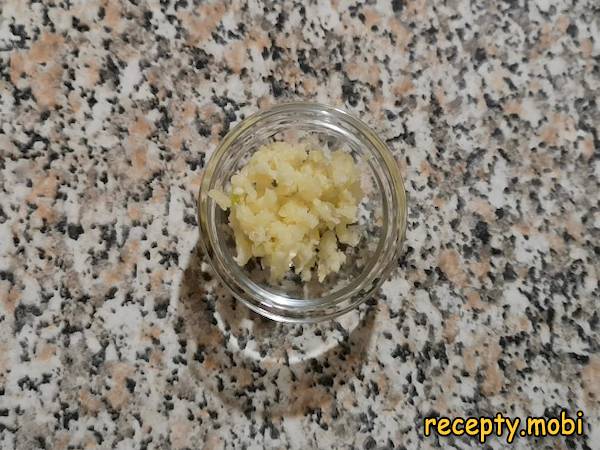
Using a garlic press, crush the two cloves of garlic into a separate small bowl. Crushed garlic releases far more of its essential oils than chopped garlic does and adheres better to the rib surface during the long baking time in the oven.
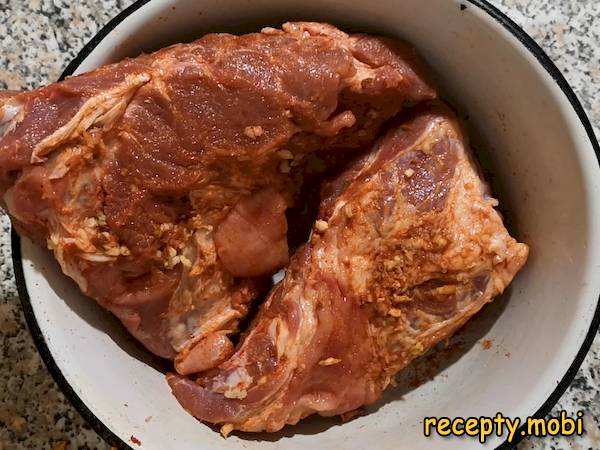
Rub the pork ribs thoroughly with the salt-and-paprika mixture and the crushed garlic, working the seasoning evenly across every surface of the meat. Use clean hands or a silicone brush to ensure even coverage on both sides of the ribs.
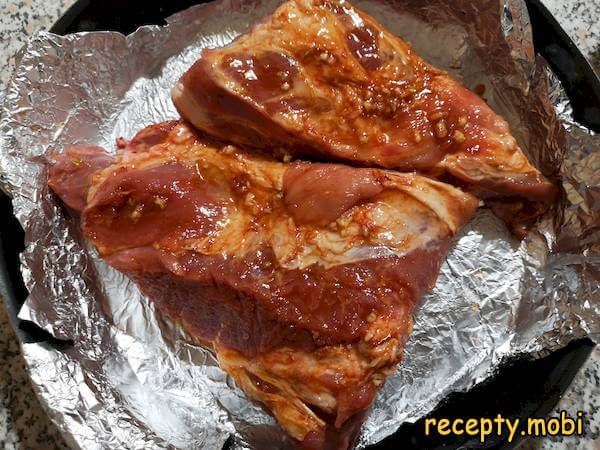
Prepare a deep baking sheet by lining it carefully with foil. Grease the foil thoroughly with vegetable oil to prevent sticking. Brush the seasoned ribs with liquid honey on all sides for a glossy finish, then arrange them on the prepared baking sheet ready for the oven.
Cover the baking sheet completely with another sheet of foil to seal in the moisture. Place the covered ribs in a preheated oven and bake for 30 to 40 minutes (depending on the thickness of the ribs) at a temperature of 180 degrees Celsius. The covered first stage prevents the meat from drying out.
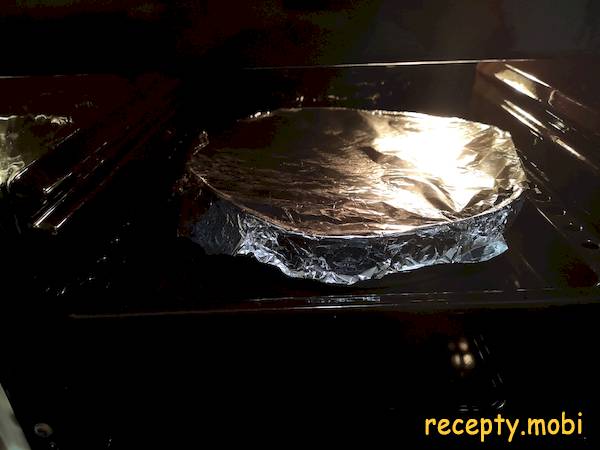
After the first 30 minutes of baking, take the ribs out of the oven and check them for doneness. Pierce the thickest part of the meat with a sharp knife: if clear liquid without any blood comes out, the baked pork ribs are properly cooked. Return the dish to the oven for another ten minutes at 180 degrees Celsius without the covering foil, which lets the surface develop a beautifully caramelized golden brown crust.
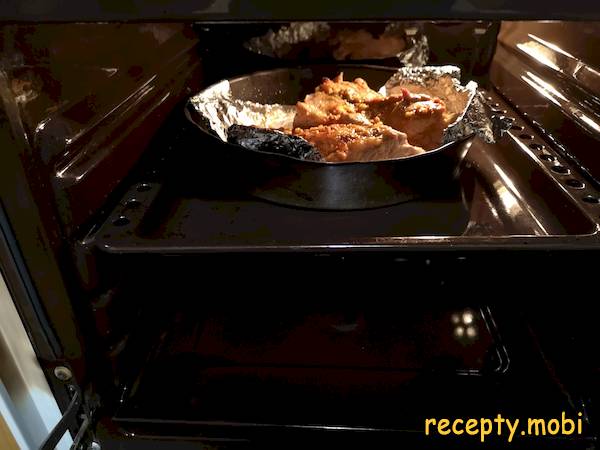
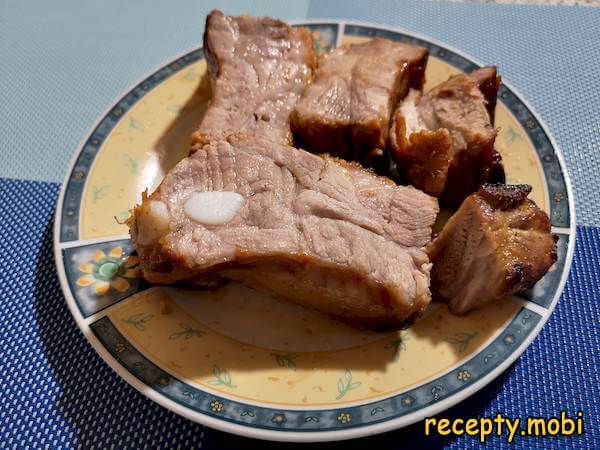
Cut the finished baked ribs along the bones into individual pieces and arrange them attractively on a serving plate. Pour any pan juices and rendered fat from the foil over the ribs as a final glossy finishing touch. Serve immediately while still hot, ideally alongside fresh vegetables, a green salad or simple boiled potatoes. Bon appetit!


Tips
- 1
Choose meaty pork ribs with a generous layer of flesh on each bone, since bony ribs with very little meat produce a disappointingly sparse finished dish that struggles to feed the intended number of guests. Look for spare ribs or baby back ribs from a properly trusted butcher for the best meat-to-bone ratio. The thicker the meaty layer, the more satisfying the finished ribs will be at the dinner table tonight, regardless of how clever the spice rub.
- 2
Cover the ribs with foil for the first part of baking and uncover for the final stage, since the covered baking traps moisture for tender meat while the uncovered finish develops the proper caramelized crust. To pair these beautiful oven ribs with another tender meat dish for variety in the weekly menu, try our beautifully tender pork ribs in a multicooker as a contrasting alternative cooking method.
- 3
Brush the ribs with extra liquid honey during the final uncovered stage of baking for an even glossier mahogany glaze on the surface. The added honey caramelizes beautifully against the hot ribs and produces a properly impressive finish on the serving plate. Watch the ribs carefully during this final stage, since the honey can scorch quickly at oven temperatures and produce a bitter aftertaste in the finished dish.
- 4
Allow the cooked ribs to rest briefly under loose foil for ten minutes before cutting into individual pieces, since the resting step lets the juices redistribute through the meat for noticeably moister tender results. For another simple oven-baked main course recipe, try our crowd-pleasing chicken with potatoes and zucchini in the oven as a complete one-pan family meal.
FAQ
How do I know when the ribs are properly cooked? +
Properly cooked pork ribs show several reliable signs of doneness. The meat will pull back slightly from the ends of the bones, the surface will turn beautifully golden brown, and the meat will feel tender when pierced with a sharp knife. The internal temperature should reach at least 71 degrees Celsius (160 Fahrenheit) at the thickest part. Clear juices without any pink colour confirm safe cooking, while pink juices indicate the ribs need a little more time in the oven.
Can I make these ribs without honey? +
Yes, brown sugar, maple syrup, golden syrup, agave nectar or even ordinary white sugar all work as substitutes for honey in this recipe with broadly similar results. Each substitute brings its own subtle flavour notes: brown sugar adds caramel depth, maple syrup contributes a gentle woodiness, and white sugar produces the cleanest neutral sweetness. For an unusual variation, try a barbecue sauce glaze in place of honey for a more pronounced smoky flavour profile.
How long do leftover ribs keep? +
Store leftover ribs covered in an airtight container in the refrigerator for up to three days for best results. Reheat gently in a covered pan in the oven at 150 degrees Celsius for about twenty minutes with a small splash of water added to revive the moisture. The ribs also taste excellent cold straight from the fridge and make a brilliant addition to any picnic basket or lunchbox alongside a crisp salad or a few crunchy pickles for contrast.
Can I add other spices to the rub? +
Absolutely. Smoked paprika, cumin, coriander, fennel seeds, dried oregano, dried thyme, ground black pepper and even a pinch of cinnamon all work brilliantly as additions to the basic rub. Each spice brings its own character to the finished ribs. For a properly impressive flavour profile, mix two or three additional spices into the basic salt-paprika base. Avoid adding too many different spices at once, since this can produce a muddled finished flavour.
- Comment
or post as a guest
Be the first to comment.