avg —
Panzanella Salad

Instructions
I prepare the ingredients. Slightly stale bread (a couple of days old) is ideal — it soaks up the tomato dressing without disintegrating into porridge. If only fresh bread is available, dry it briefly in a 150 °C oven or toast cubes in a dry skillet until they form a light crust.
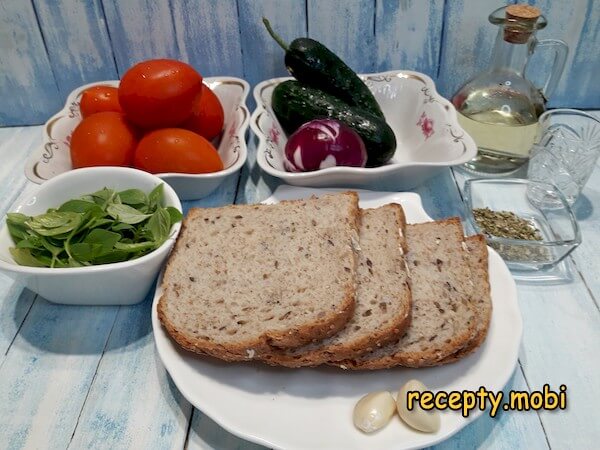
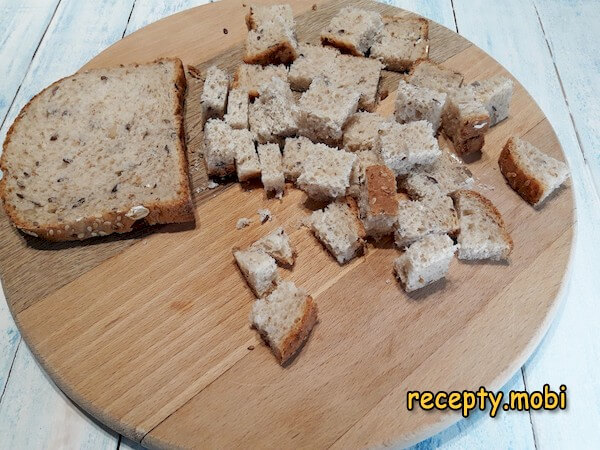
I cut the bread into 2 cm cubes — large enough to hold their shape after soaking, small enough to fit on a fork easily.
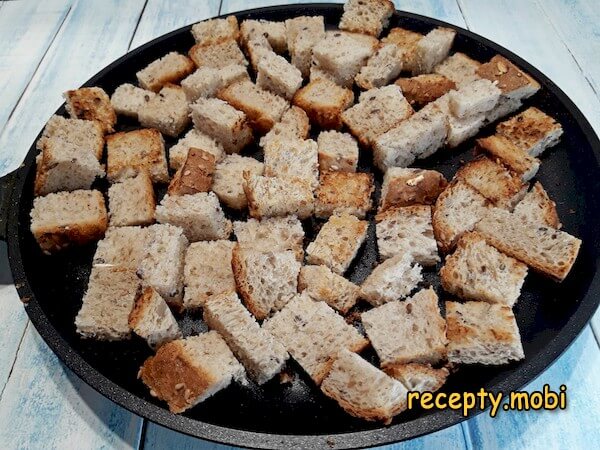
I toast the cubes in a dry skillet over high heat for about 3 minutes — the goal is crisp golden edges with a still-soft interior. Fully crisped croutons stay too crunchy after soaking; soft-centred ones absorb the dressing without losing all texture.
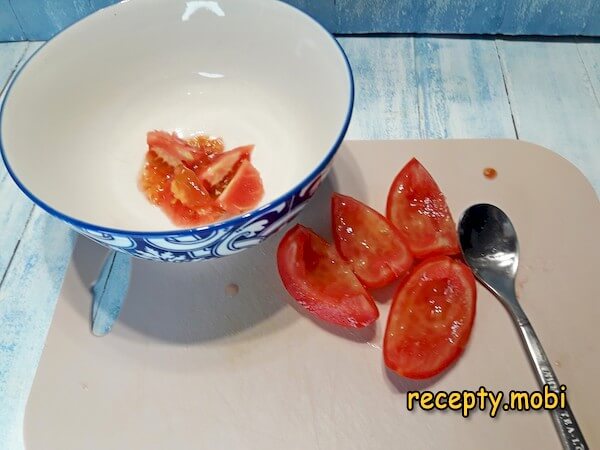
I quarter the tomatoes and use a small spoon to scoop out the seedy pulp from each piece into a separate bowl, keeping the firm fleshy outer wedges separate. This separation is the recipe's defining technique.
I blend the scooped pulp in a blender (or with a stick blender) until completely smooth — this becomes the thick tomato base for the dressing.
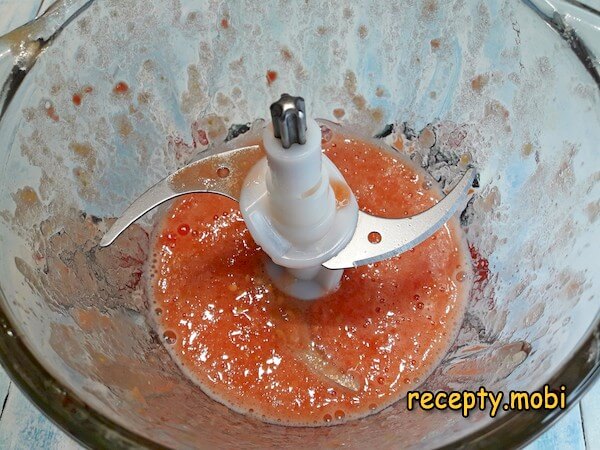
I pour the blended tomato into a mixing bowl and add the olive oil. Eight tablespoons sounds like a lot — it is — but olive oil is essential to the dish's character. Use a fruity, peppery extra-virgin oil here; it's the dressing's flavour backbone.
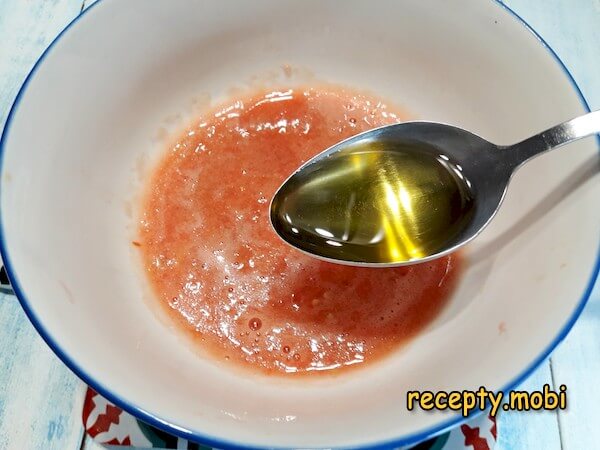
I press the garlic cloves through a press directly into the bowl. Pressed garlic releases more allicin than chopped, giving the dressing a punchier flavour without visible garlic chunks.
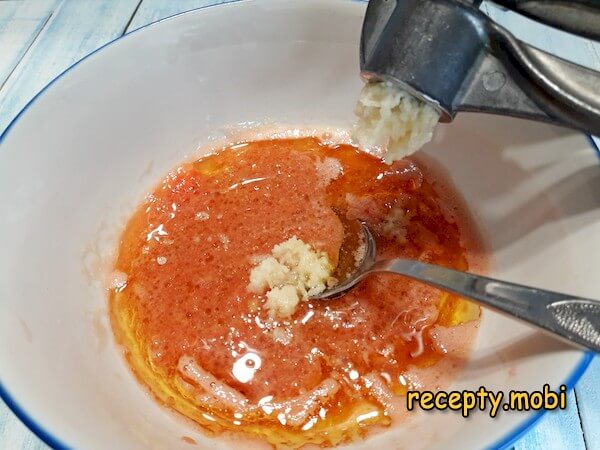
I add the fruit vinegar — apple cider or any 6% white wine vinegar both work beautifully here.

I season with the Provençal herb blend (typically thyme, rosemary, oregano, marjoram, savory).
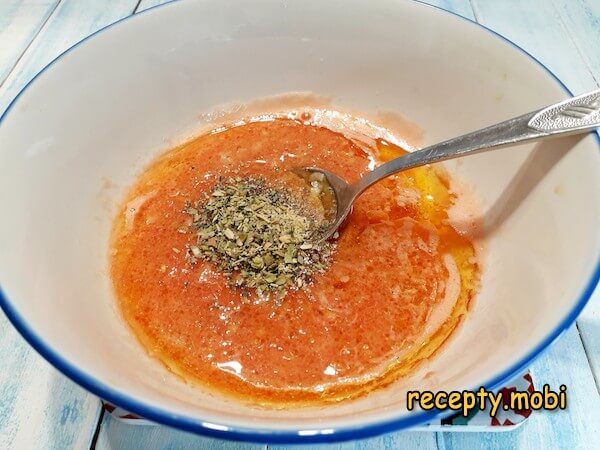
I add salt and pepper to taste, then whisk everything together. The dressing should be thick enough to coat a spoon, with visible olive-oil droplets suspended in the tomato base.
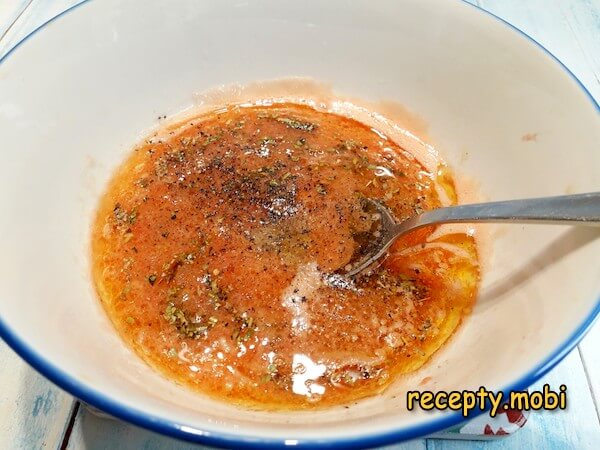
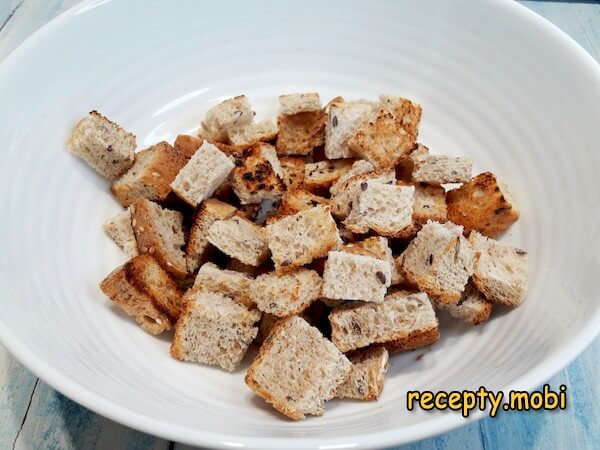
Now I assemble the salad. I place the toasted croutons in a large salad bowl as the bottom layer.
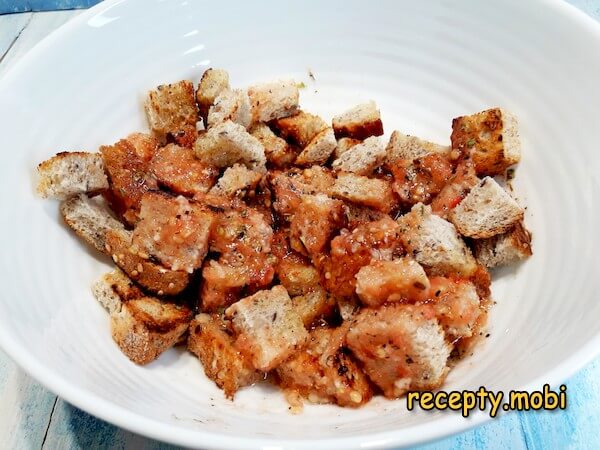
I pour the dressing directly over the croutons and toss to coat. The bread immediately starts absorbing the dressing — this is the panzanella signature.
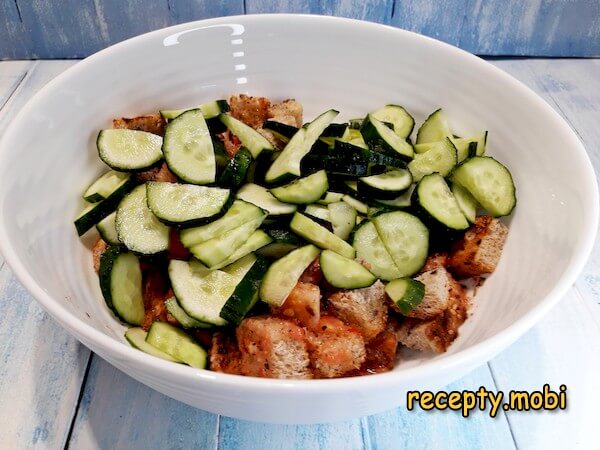
I cut the cucumber into thick half-moons (about 5 mm) — thicker slices keep their crunch as a textural counterpoint to the soaking bread.
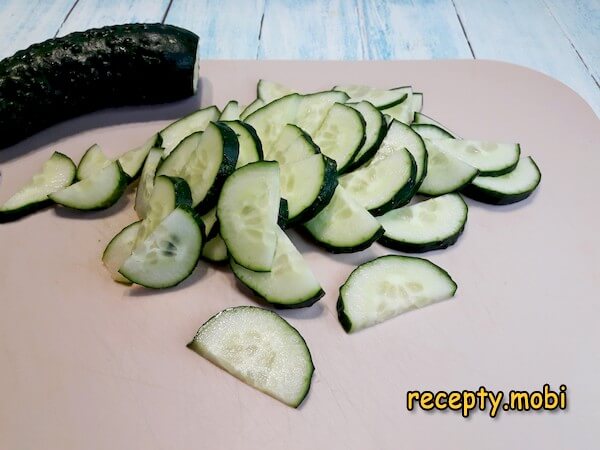
I add the cucumber half-moons to the bowl over the dressed croutons.
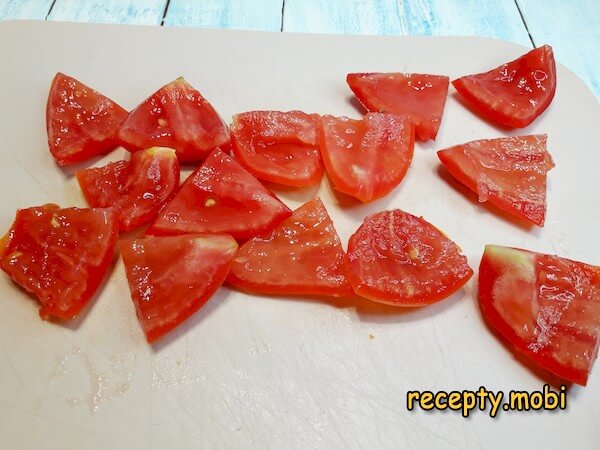
I cut the reserved firm tomato wedges into 2-3 pieces each. These bigger tomato chunks deliver the second tomato texture — fresh and snappy against the dressed croutons.
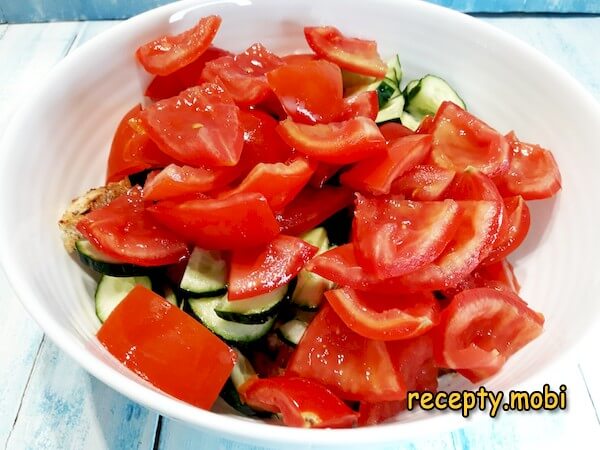
I scatter the tomato pieces on top of the cucumbers.
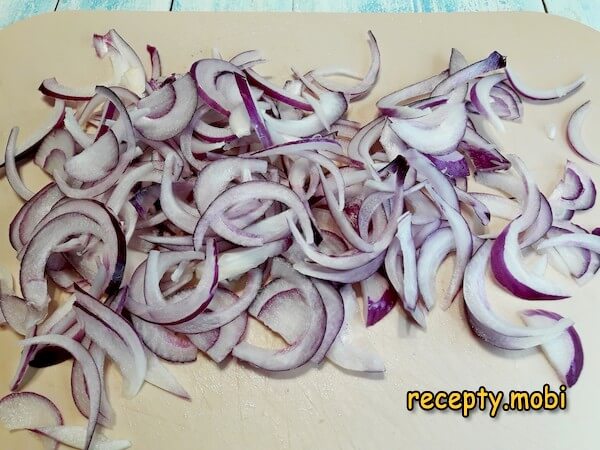
I halve the purple onion and slice it thinly into half-moons.
I scatter the onion strips across the salad. Sweet purple onion adds a mild bite and visual contrast to the red and green of tomatoes and herbs.
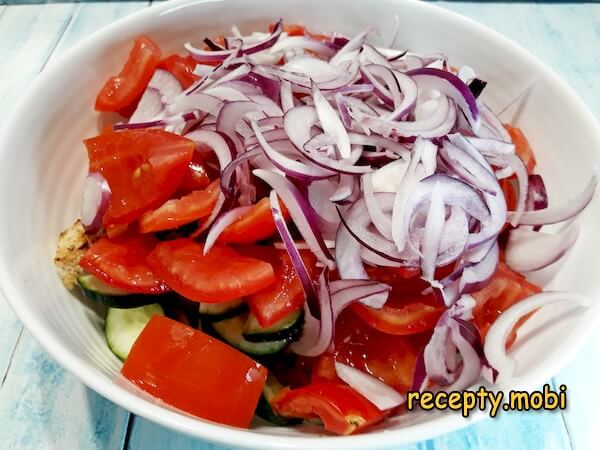
I tear the basil leaves into the bowl by hand. Hand-torn basil bruises less than knife-cut, releasing aroma without browning the cut edges.
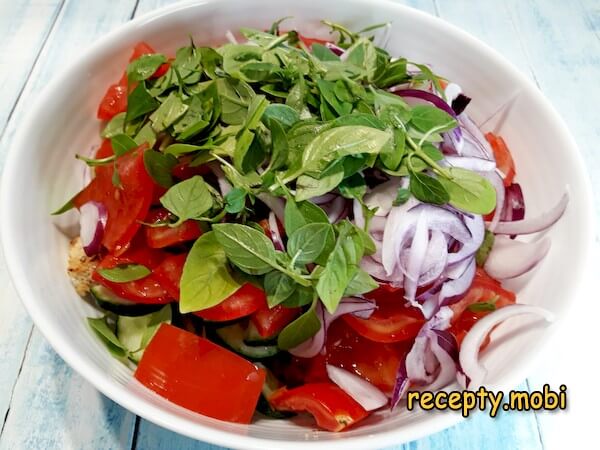
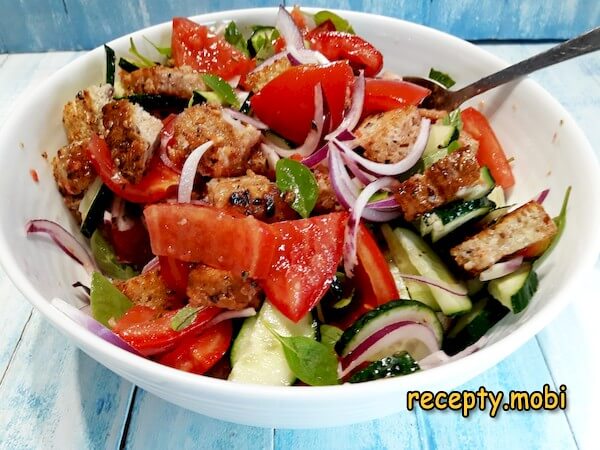
I gently fold everything together, lifting the croutons from the bottom to coat them evenly with the dressing again. All ingredients should be uniformly distributed. I taste and adjust salt one final time. Then the salad goes into the fridge for 15 minutes — this rest lets the flavours integrate and chills the salad to the proper serving temperature.The finished panzanella delivers perfectly balanced freshness, fragrance, and texture — Italian summer comfort at its purest. The recipe is forgiving but the additions matter: stick to the classic profile (cucumber, onion, basil, garlic) and the dish stays panzanella. Add too many extras (capers, olives, anchovies, mozzarella) and you've created something different that may be tasty but isn't authentic Tuscan.


Tips
- 1
THE STALE BREAD IS NON-NEGOTIABLE. Panzanella was invented to use up day-old bread — fresh bread genuinely doesn't work. Stale bread has lost enough internal moisture that it can absorb the dressing without disintegrating. Fresh bread turns to mush within minutes of meeting the dressing. If you must use fresh bread, the toasting step (step 3) gets you 80% of the way to the right texture; just toast a bit longer (5 minutes instead of 3).
- 2
CHOOSE THE RIGHT TOMATOES. Sweet, ripe summer tomatoes are essential. Out-of-season hothouse tomatoes give a watery, flavourless salad that no amount of dressing can rescue. San Marzano, Roma, beefsteak, or any vine-ripened fragrant variety works. The "smell test" at the market is the best guide — tomatoes that smell strongly of tomato will taste strongly; odourless ones are a disappointment. For another fresh vegetable salad to compare techniques, see Radish and Carrot Salad.
- 3
THE 15-MINUTE REST IS KEY. Tossed and immediately served, panzanella tastes like wet bread with vegetables — fine but missing the magic. Fifteen minutes in the fridge lets the bread reach the right level of saturation (firm but yielding), the flavours marry, and everything chills to the proper serving temperature. Don't extend past 30 minutes; longer rests start over-soaking the bread into mush. Fresh herbs (basil) lose colour beyond 30 minutes too.
- 4
EXTRA OLIVE OIL = CRITICAL. The 8 tablespoons of olive oil seems excessive but it's structural. Reduce it and the salad becomes a dry mass of soaked bread; the oil is what keeps everything coated and shiny while balancing the tomato acidity. Use the best extra-virgin oil you can afford — this is one of the dishes where olive oil quality is unmistakable. For another tomato-based salad in the same Mediterranean style, try Salad with Eggplants and Tomatoes – Only in 20 Minutes.
FAQ
What kind of bread is best for panzanella? +
Traditional choice is Tuscan sourdough or country white bread — coarse, open-crumbed, and deeply flavoured. Ciabatta, sourdough, and good crusty white bread all work beautifully. Avoid soft sandwich bread (turns immediately to mush), brioche or other enriched breads (too sweet, wrong texture), and rye bread (the recipe specifies "not rye" because rye's strong flavour competes with the tomato base). The bread should ideally be 2-3 days old; longer-stale bread (5+ days) can also work if not yet hard as rock.
Can I add other vegetables or proteins? +
The classic Tuscan version is austere — bread, tomatoes, cucumber, onion, basil, garlic. Modern variations add capers (1 tbsp), Kalamata olives (small handful), anchovies (3-4 fillets, finely chopped), or fresh mozzarella balls (100 g, halved). All work but each pulls the dish further from authentic panzanella toward something else. For a panzanella-meets-protein meal salad, add 100 g of grilled chicken or canned tuna — this is no longer authentic but is a great weeknight upgrade.
How long does leftover panzanella keep? +
Best eaten within 2 hours of assembly — beyond that, the bread continues to soften toward mush and the basil wilts. If you must store leftovers, refrigerate covered for up to 24 hours, but accept that the texture will degrade. To extend storage: prepare the dressing and the toasted bread cubes separately, keep refrigerated up to 2 days, and toss with fresh tomatoes and other vegetables just before serving. This component-based approach keeps the salad's textural integrity for several days of fresh-tasting meals.
Can I use a different vinegar? +
Yes, with style adjustments. White wine vinegar is the classical Italian choice — clean, sharp, neutral. Apple cider vinegar (specified here) gives a slightly fruitier note. Red wine vinegar works but can muddy the tomato colour. Balsamic vinegar is too sweet and dark for traditional panzanella but creates a tasty modern variation if you want to experiment. Avoid distilled white vinegar (too sharp) and rice vinegar (wrong flavour profile). Whatever you choose, stick to the 1 tbsp quantity — the salad shouldn't taste vinegary, just balanced with brightness.
- Comment
or post as a guest
Be the first to comment.