avg —
Pizza with Chicken and Pineapple (Hawaiian Pizza)

Instructions
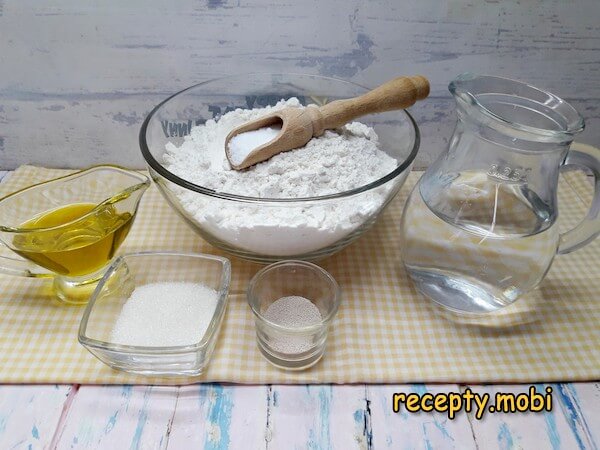
I prepare the dough ingredients. Water at ~38 °C (warm but not hot — yeast dies above 45 °C). Olive oil specifically (preserves Hawaiian pizza's character). Dry yeast can be replaced with 15 g fresh yeast.
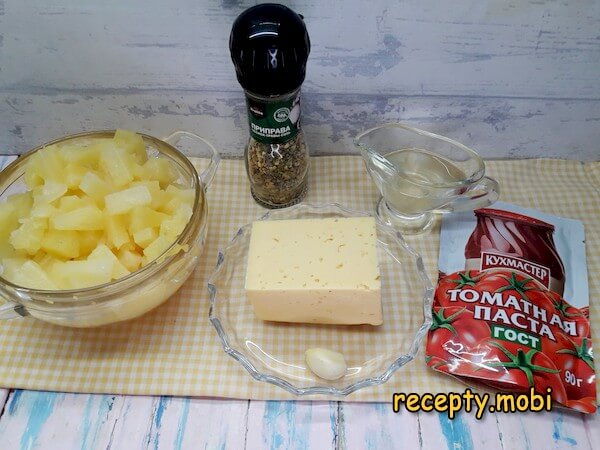
Gather filling components. Drain canned-pineapple juice (save for drinking or marinades). If pineapple is in rings: chop into smaller segments.
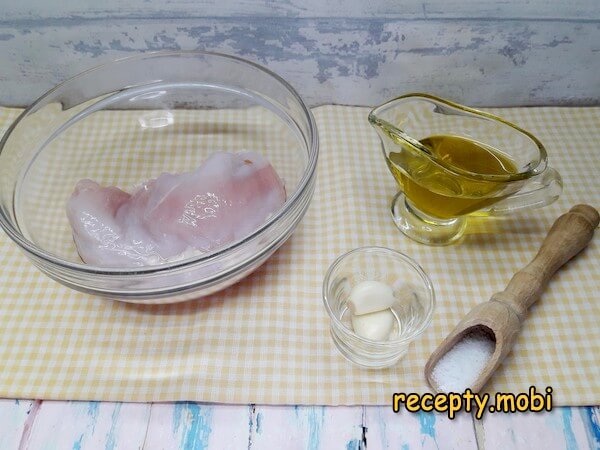
Prepare ingredients for chicken marinade. Trim fat and membranes from the meat.
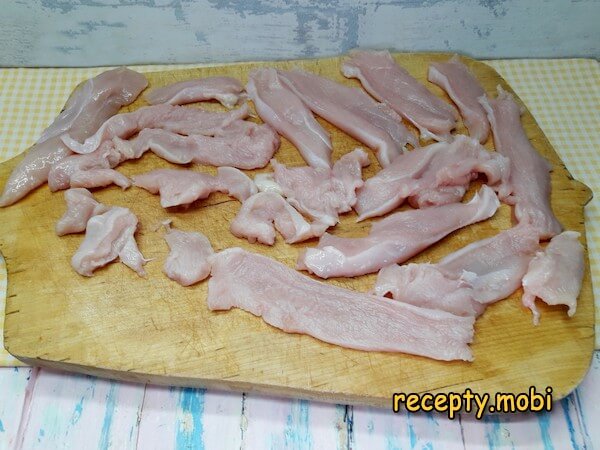
Authentic Hawaiian pizza: chicken NOT boiled or fried beforehand — only MARINATED. Cut fillet into very thin small slices (cooks through during pizza baking).
For marinade: press 2 garlic cloves into a bowl.
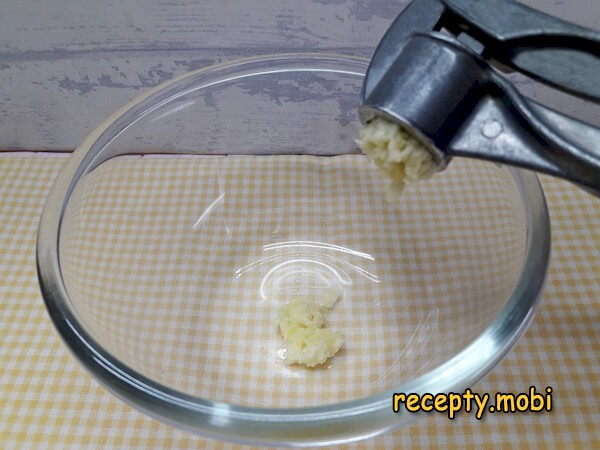
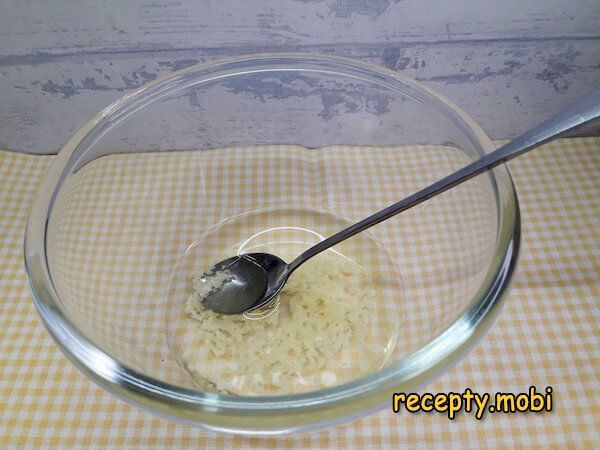
Add salt + 25 ml vegetable oil to the garlic. Mix well with spoon.
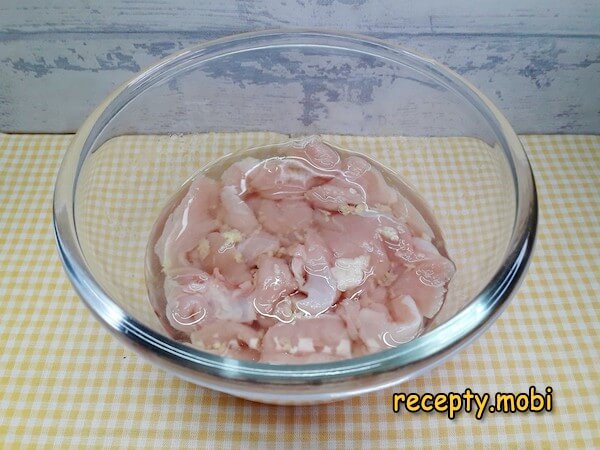
Place chicken slices in marinade; stir to soak each piece. If oil doesn't cover all pieces, add a little more. Leave bowl at room temperature while dough proofs.
Speed-up dough: start fermentation FIRST. Pour all sugar + yeast into warm water container. Stir; wait until liquid froths (~10 min — proves yeast is alive).

Sift flour into deep bowl. Pour in fermented yeast-water; add salt.
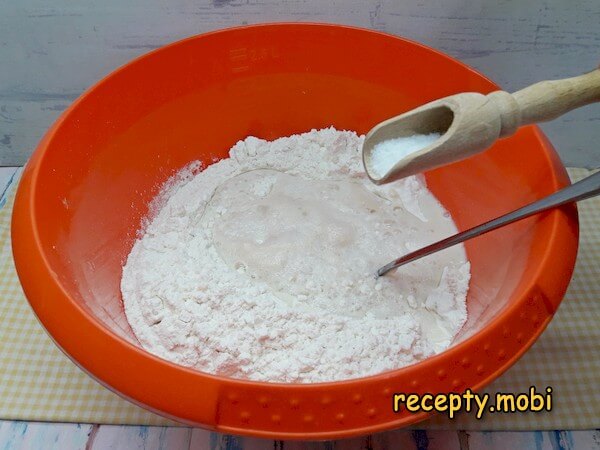
Start kneading right in the bowl, gradually adding olive oil in several stages.
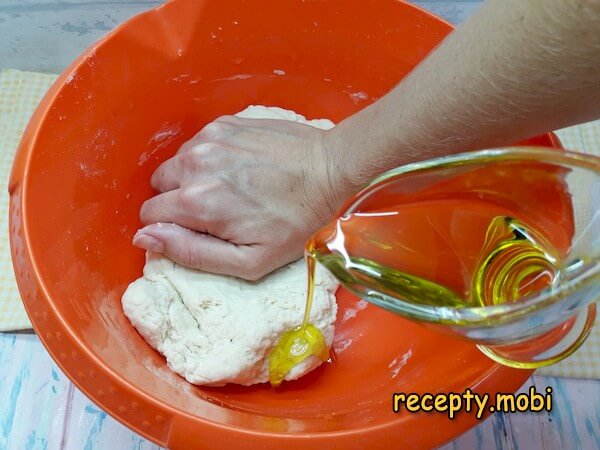
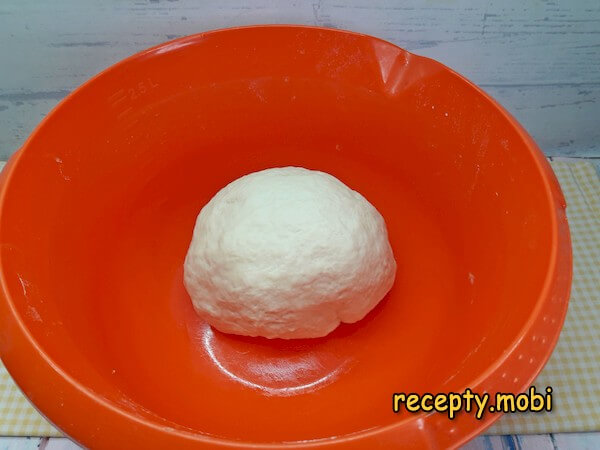
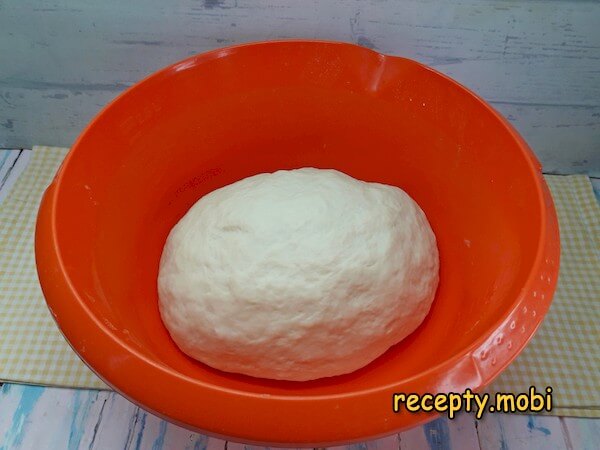
Gather dough into ball. Place in oiled bowl, covered with towel, to rise (~40 min in warm spot).
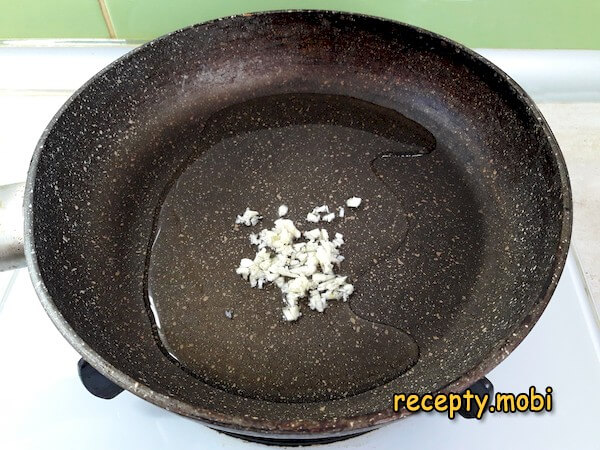
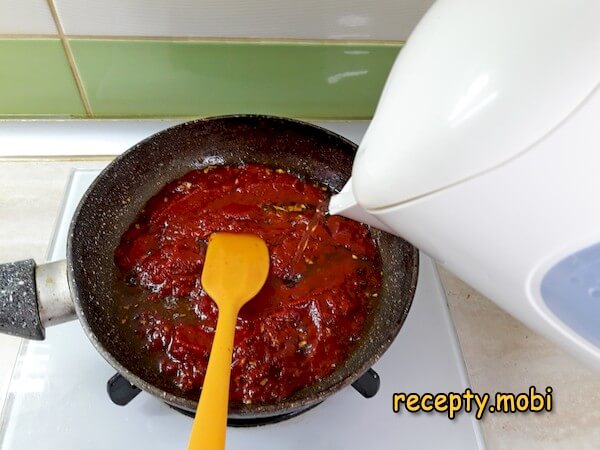
Meanwhile, prepare tomato spread. Heat oil; add finely chopped garlic.
As soon as warm garlic aroma appears (~30-60 sec — DON'T let garlic brown), add tomato paste to pan.
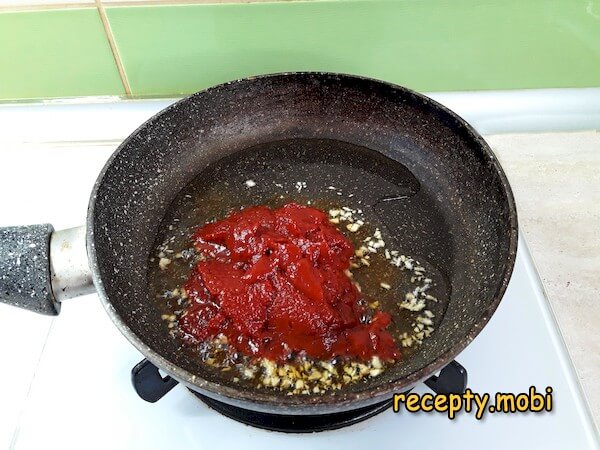
Immediately dilute with 100 ml water; add salt + Italian herbs + (optional) hot pepper. Simmer 3-4 min on low heat.
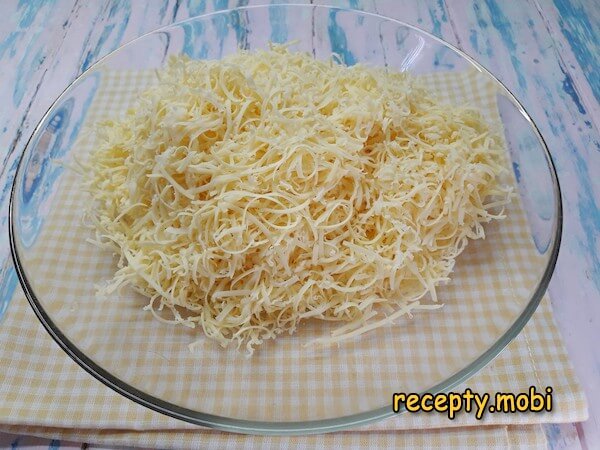
Grate cheese FINELY (small gratings melt evenly across pizza surface).
After ~40 min, dough rises significantly — ready to work with.
Set oven to 190 °C top+bottom heating. Knead dough briefly; divide into 2 equal parts. Roll out thin circle (2-3 mm thick) for first pizza.
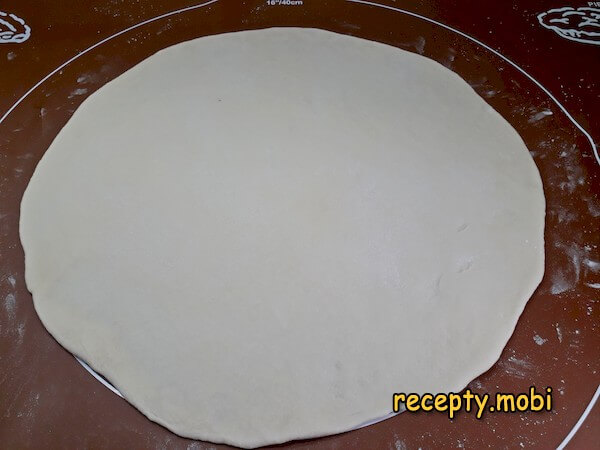
Transfer to baking sheet lined with parchment. Fold edges, braiding them inside the circle (creates classic pizza-crust border).
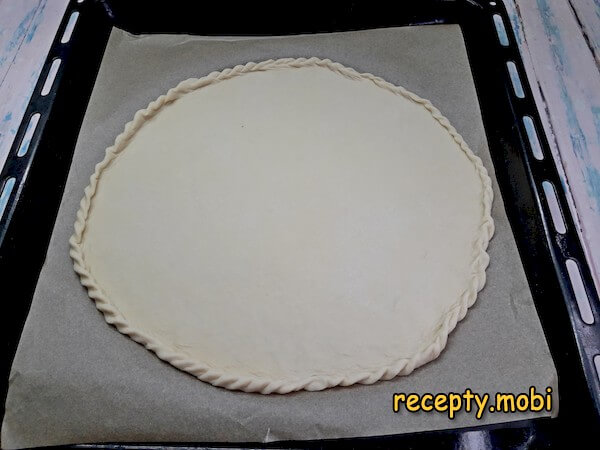
Apply thin layer of tomato spread, avoiding the patterned edge crust.
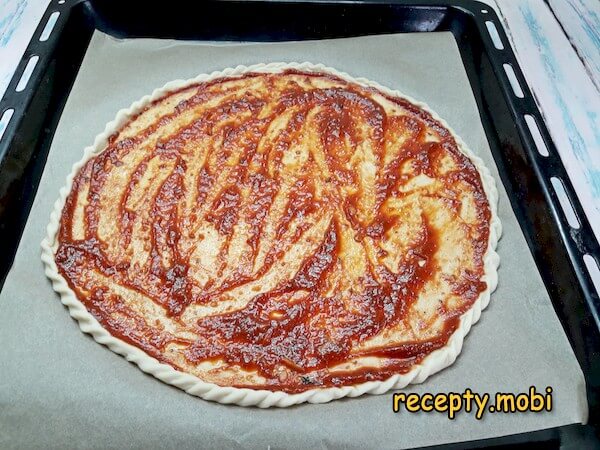
Lightly sprinkle surface with cheese; distribute half the marinated chicken meat.
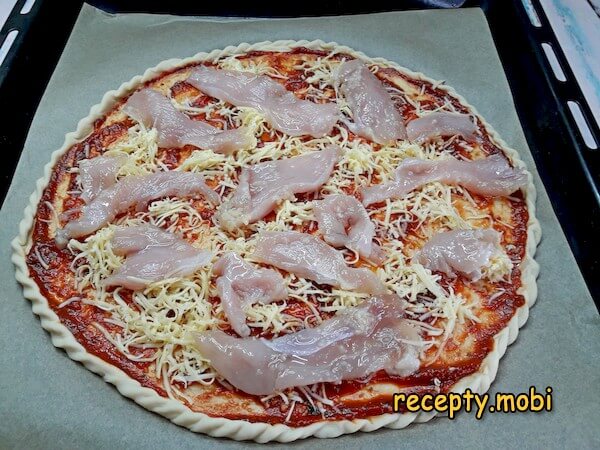
Scatter half of the pineapple pieces.
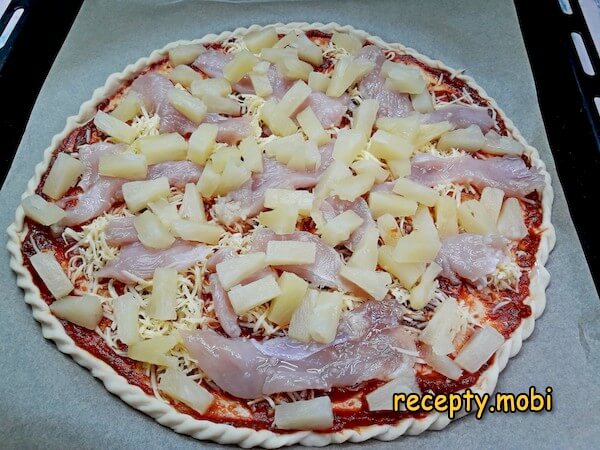
Cover with half the grated cheese; place first pizza on middle rack of oven.
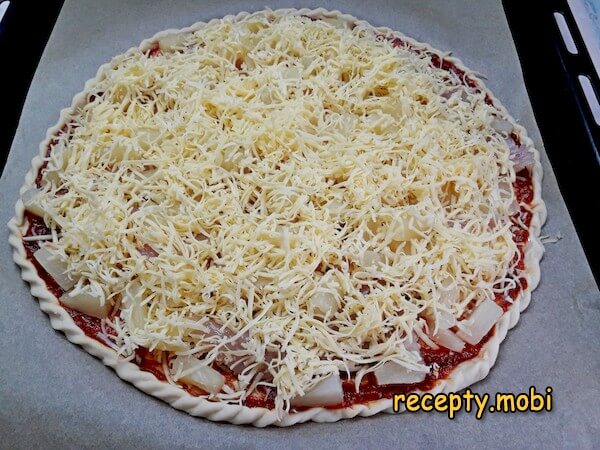
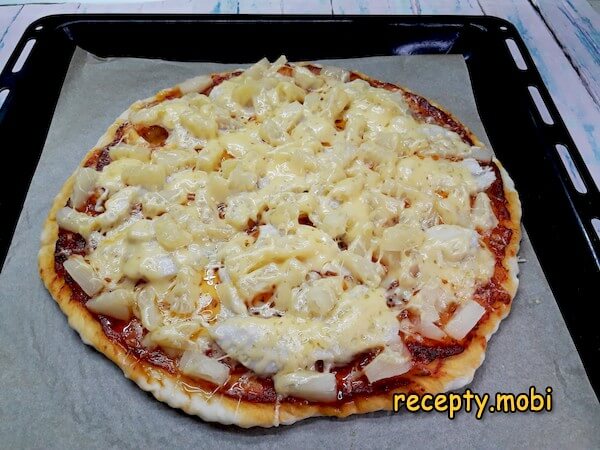
After ~15-17 min, pizza is ready. Garnish with fresh mint or basil leaves if desired. Prepare + bake second pizza identically. Enjoy the sweet-savoury Hawaiian magic!


Tips
- 1
THE STRONG-FLOUR REQUIREMENT. Step 1's "flour (strong)" specification matters — strong/bread flour has higher protein content (12-14%) than all-purpose flour (10-12%). Higher protein = more gluten development = chewier elastic crust that holds toppings without becoming soggy. ALL-PURPOSE works as substitute (slightly less chew). CAKE FLOUR (low protein): produces tender but fragile crust unsuitable for pizza. ITALIAN "00" FLOUR: traditional pizza flour, finest grind, produces classic Neapolitan-style crust. The strong/bread flour designation is non-negotiable for proper crust structure. Buy explicitly labelled "bread flour" or "strong flour".
- 2
THE RAW-CHICKEN MARINADE TECHNIQUE. Step 4's "not boiled or fried beforehand" approach is genuinely the authentic Hawaiian-pizza method. Pre-cooked chicken: dries out during pizza baking, becomes leathery. Raw marinated chicken (sliced thin): cooks PERFECTLY during the 15-17 min bake at 190 °C, stays juicy, infused with garlic-oil flavor. Safety: thin slicing (3-5 mm) ensures full cook-through; high-heat baking kills any pathogens. Same technique used in pepperoni pizza (raw cured meat finishes cooking on pizza). For another Italian-Mediterranean baked dish worth comparing, see Pizza Margherita Classic.
- 3
THE TOMATO-SPREAD COOKING DIFFERENCE. Step 12-14's "cook the spread" technique distinguishes pro-style pizza from amateur. Raw tomato paste straight on pizza: harsh, acidic, dominant tomato flavor. Cooked spread (oil + garlic + tomato + herbs + simmer): mellowed acidity, integrated flavors, proper Italian-style pizza-sauce character. The 3-4 min simmer is calibrated — longer concentrates too much, shorter doesn't develop flavor. Same technique applies to all proper pizza-sauce preparations. Pre-jarred pizza sauce: skip step 12-14, use directly. The cooked-fresh approach is meaningfully better.
- 4
THE 38°C WATER TEMPERATURE. Step 1's "38 °C" specification is yeast-survival temperature science. Yeast active range: 25-45 °C. 38 °C is the OPTIMAL temperature — yeast wakes up quickly, ferments efficiently, produces good gas. COOLER (below 25 °C): yeast slow to activate, longer rise times, weaker fermentation. WARMER (above 45 °C): yeast cells DIE — dough won't rise at all. Test water by feel: comfortably warm on inner wrist (similar to baby-bottle test), neither hot nor cool. Temperature precision is the difference between perfectly-risen dough and sad-flat-disc fail. For another classic pizza-style baked dish worth trying, try Calzone Italian Folded Pizza.
FAQ
Why is it called Hawaiian if it's Canadian? +
Created in 1962 by Sam Panopoulos, a Greek-Canadian chef in Ontario, Canada. The pizza is named after the brand of canned pineapple he originally used (which was called "Hawaiian"). Hawaii itself wasn't involved in the pizza's creation. The name has stuck globally despite ongoing controversy — many Italian purists reject pineapple-on-pizza as fundamentally wrong; Asian markets embrace it; American/Canadian markets remain divided. Even the President of Iceland has weighed in (publicly opposing pineapple pizza). Despite controversy: it remains one of the most popular pizza varieties globally, generating endless food-debate discussions.
Can I use pre-cooked chicken? +
Yes — convenience trade-off. Use about 150 g pre-cooked chicken (slightly less than 175 g raw). Best methods: shredded rotisserie chicken (more flavorful), pre-grilled chicken slices (cleaner flavor). Pros of pre-cooked: faster prep, no marinade time, works well with pre-made dough. Cons: chicken can dry out during second cooking (the 15-17 min pizza bake), less juicy result. To compensate: brush chicken with olive oil + garlic before topping placement. The recipe's raw-marinated approach produces noticeably juicier chicken — invest the marinade time when possible.
What can replace canned pineapple? +
Multiple options work. FRESH PINEAPPLE: brighter flavor, less sweetness, slightly more tartness. Use ~250 g fresh; cut into similar-size pieces. Some prefer fresh for premium quality. PINEAPPLE FROM JAR: similar to canned, often pre-sliced into small chunks. CANDIED PINEAPPLE: too sweet, doesn't work. DRIED PINEAPPLE: too chewy, doesn't soften in pizza time. PEACH (canned): unusual but works, similar sweet-savoury balance. MANGO (fresh): exotic alternative, works beautifully with chicken. The pineapple is non-negotiable for "Hawaiian" identity; substitutes create variations on the theme.
How long does it keep? +
Best fresh — within 2-4 hours of baking. Refrigerated covered: 2-3 days, but texture degrades (cheese hardens, crust becomes chewy). Reheating: 180 °C oven 5-7 min (re-crisps crust, re-melts cheese), OR airfryer 3-4 min (excellent results). Don't microwave — produces soggy crust. Don't freeze raw assembled pizza (dough fermentation issues). Freezing baked pizza: works adequately (3-month freezer life), thaw at room temperature, reheat per above. The dough recipe's overnight cold ferment alternative (refrigerate dough 24 hours): produces more complex flavor, easier-to-handle dough.
- Comment
or post as a guest
Be the first to comment.