avg —
Red Currant Compote with Mint for Winter

Instructions
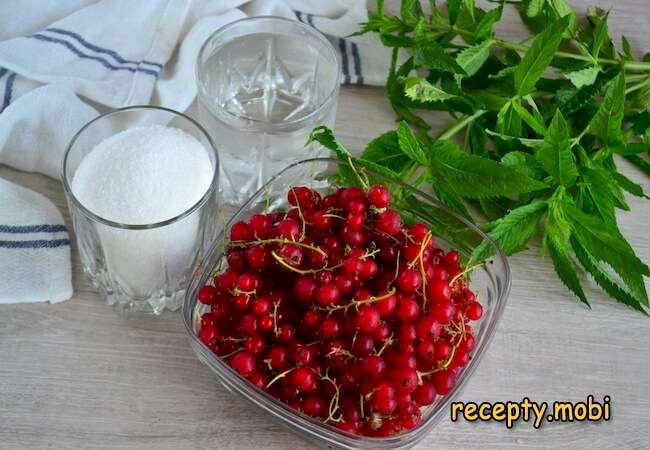
I prepare all the necessary ingredients. Mint is the key ingredient, so I choose fresh sprigs with firm leaves and no dark spots.
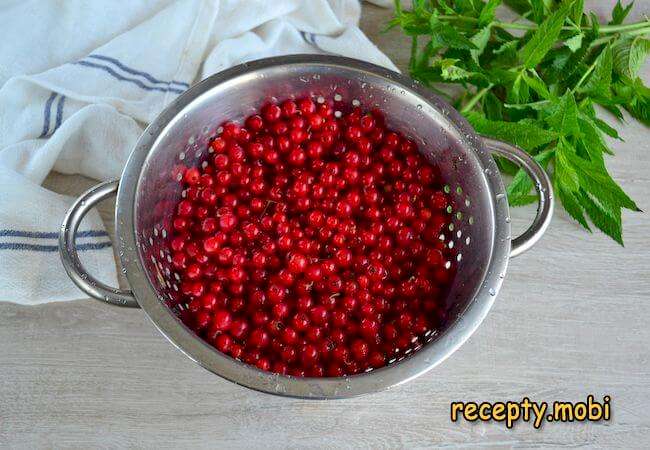
I sort the red currants, strip the berries from the stems, remove the leaves and any other debris, and rinse them well. You can leave a few sprigs on for a "decorative" touch in the jar.
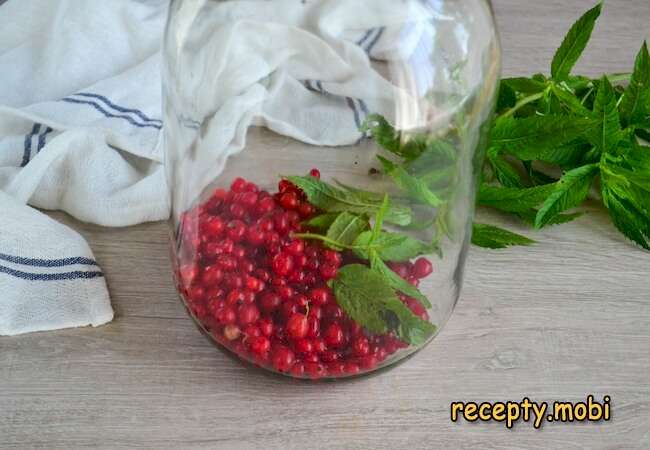
I wash and sterilize the 3-litre jars well. You can use any method that suits you – scald them with boiling water, hold them over steam for a few minutes, or heat them in the oven. Into the sterile jars I pour 2 cups of the prepared currants and add a few sprigs of mint. I usually put in 5–6 leaves – once they steep in the boiling water, the aroma becomes bright and rich, but not overpowering.
I add 1 cup of sugar. The amount can be adjusted to the sweetness of the currants – if they are very sweet, use a little less sugar.
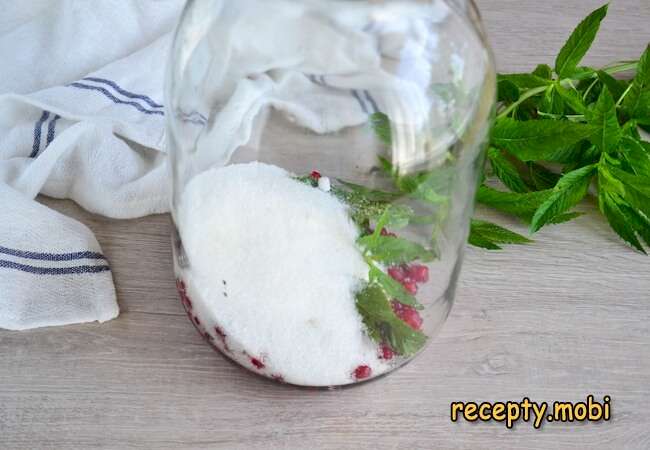
I pour boiling water over the contents of the jar and immediately seal it with a sterilized metal lid.
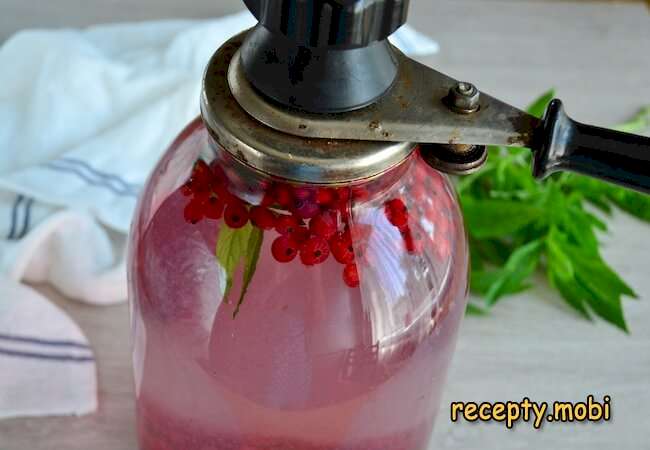
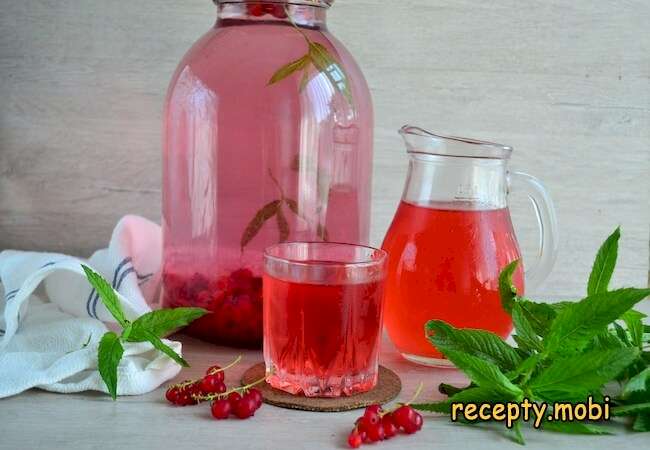
The red currant compote with mint for winter is ready. I turn the jars upside down and wrap them in a warm blanket or towel, leaving them until they have cooled completely.Bon appetit!


Tips
- 1
Use peppermint or curly mint – they give the brightest aroma. Garden "lemon" mint also works for a more delicate note.
- 2
Sterilizing the jars is essential – without it the compote will not last until winter. Scald them with boiling water, steam them, or heat them in the oven at 120 °C for 15 minutes.
- 3
Adjust the amount of sugar to the taste of the berries – sweet currants need less sugar (150–180 g), tart ones need more (220–250 g). Taste the syrup before pouring it in.
- 4
Turn the jars over immediately after sealing – this checks that they are airtight and gives the inside of the lid extra sterilization. The same principle works for other berry compotes.
Video
FAQ
How do you harvest mint for preserves? +
The best time is before flowering (June–July), in dry sunny weather. Cut the top 10–15 cm of the shoots with the young leaves – they are more aromatic. After picking, do not wash the mint straight away; let it "rest" for 1–2 hours so the leaves wilt a little and become more pliable. For compote, wash it just before putting it into the jar. Any excess mint can be dried: tie it into bunches and hang it in a dark, well-ventilated place for 2 weeks. Dried mint is also suitable for compotes – use half as much.
What can replace mint? +
Alternatives include: lemon balm (a lemony note, a more delicate aroma), 2–3 leaves of green basil (unusual but interesting – an Italian touch), 1 sprig of thyme (spicy, "alpine"), 1/2 tsp of lavender (a floral aroma, a subtle note). Mint is the classic choice for berry compotes; its freshness perfectly balances the tartness of the currants. Lemon balm is mint's "fragrant sister" if you grow both in the garden. Rosemary and sage are NOT suitable – too "medicinal" for a sweet compote.
How long does compote with mint keep? +
In a cellar or a cool dark place – up to 12 months. In a flat at room temperature – 6–8 months. Once opened – 3–4 days in the fridge (because of the mint, no longer, as it quickly turns bitter). The mint in the compote darkens over time – this is normal and does not spoil the taste. If you notice mould, cloudiness, or a bulging lid, throw it out without regret. With the right technique, the preserve will easily last until the next berry season.
Can it be made without citric acid? +
Yes, there is none in this recipe – the preserving is done by the sugar plus the currants' own acidity plus the sterilization of the jars. Red currants are naturally very acidic (pH 2.5–3.0), and their own acid is enough for "self-preservation" provided the jars are carefully sterilized and tightly sealed. If you make compote with black currants (which are sweeter), add 1/2 tsp of citric acid per jar.
- Comment
or post as a guest
Be the first to comment.