avg —
Rye Bread in the Oven with Caraway and Greens

Instructions
Rye bread is baked from yeast dough. Start its preparation by making the starter. In a deep bowl, combine sugar and a glass of milk. Stir the ingredients with a spoon and slightly warm them in the microwave. Do not overheat the mixture; otherwise, the yeast will not rise. Then add yeast and 4 tbsp. of rye flour to the milk. It is better to use "live" yeast for baking; dry yeast very poorly raises the dough.
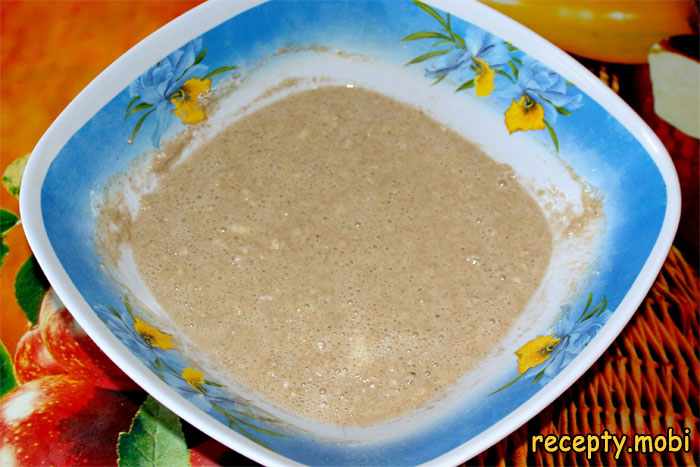
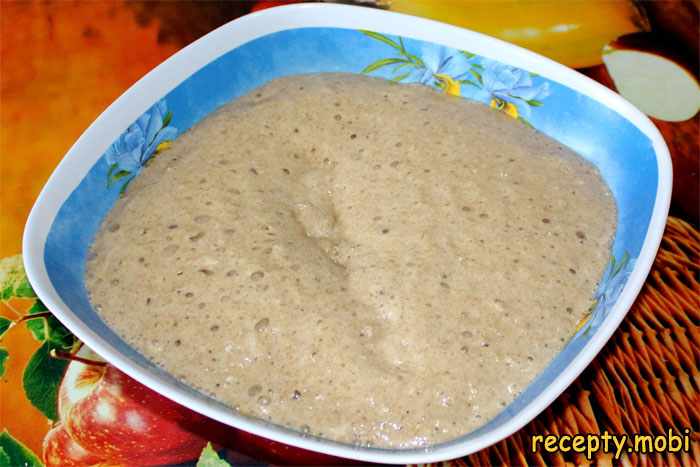
Set the starter aside for about 15-20 minutes. During this time, it should foam and double in volume. The main condition is that the starter must be kept warm all this time. If the room is cold, it won't rise, and the bread will not turn out well.
Finely chop the herbs on a cutting board with a sharp knife. Slightly warm the remaining milk. Add salt, warm milk, flour, chopped herbs, and caraway seeds to the foamed starter. Leave some caraway seeds for sprinkling the bread on top.
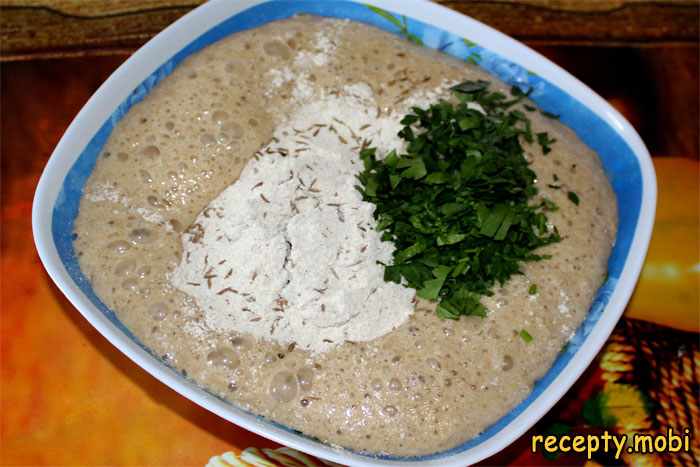
On a clean surface, knead a stiff dough. The dough needs to be kneaded very well. Place it on a clean plate and set it aside for about 30 minutes. During this time, it should rise.
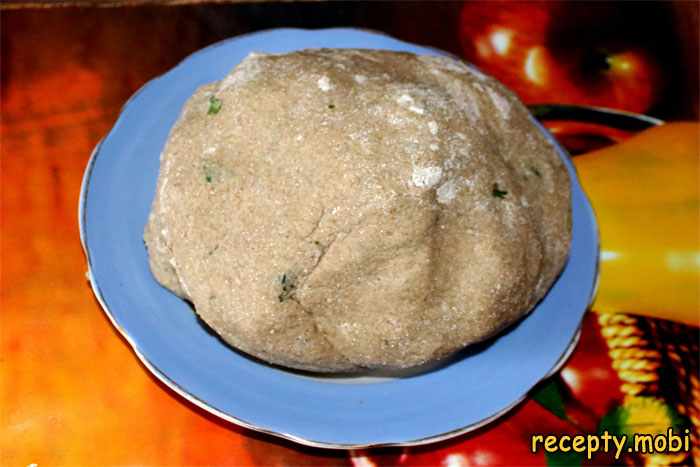
Knead the dough again and let it rest once more. Repeat this procedure about 2 times to make the bread softer. Grease a rectangular form with oil and lay the rye dough into it. Grease the top with vegetable oil and sprinkle with the remaining caraway seeds.
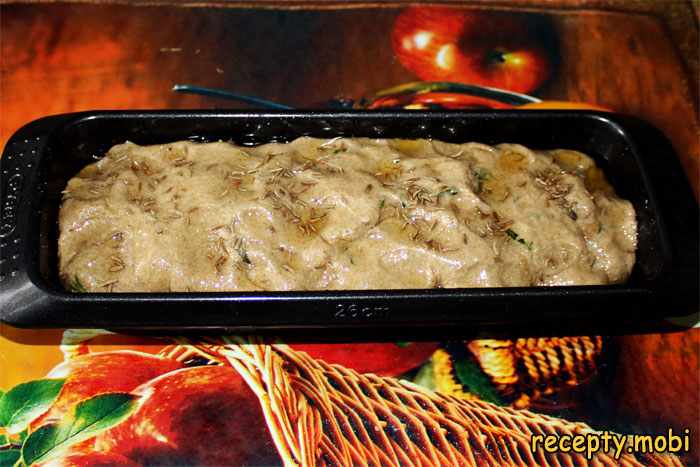
The bread is baked at 180 degrees. It should be kept in the oven for about 50 minutes. During this time, the baking will not only brown outside but will also bake well inside.
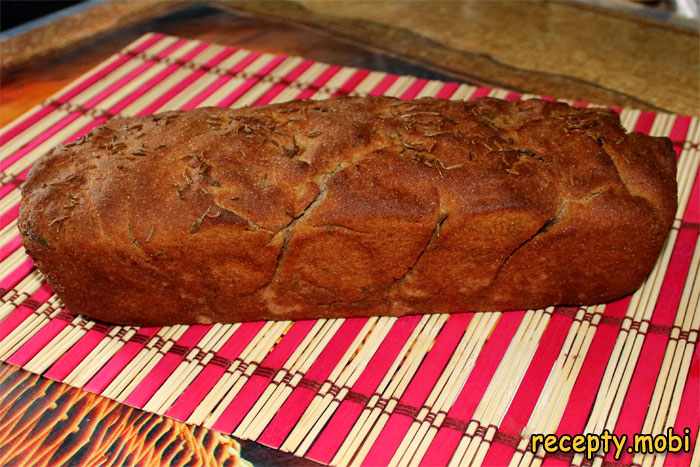
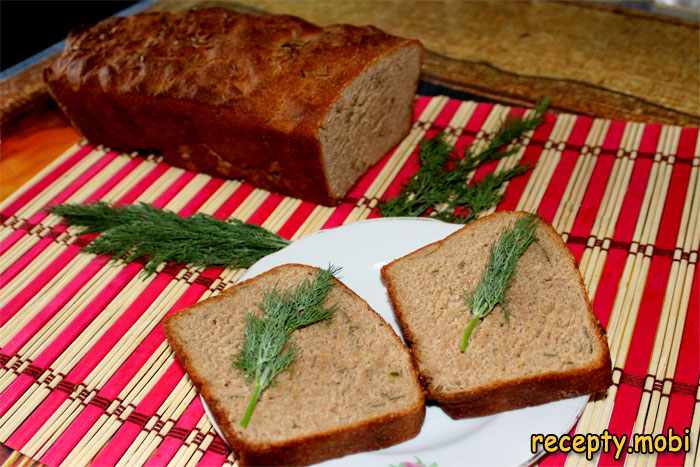
The rye bread in the oven with caraway seeds and herbs is ready. It turns out aromatic, tasty, and also healthy. It is served warm.The presented recipe for bread with caraway seeds is good because it is very simple and uncomplicated. This method of bread making is excellent for both experienced cooks and beginners. Enjoy your meal!


Tips
- 1
Use live (pressed) yeast for best finished rise. Dry yeast struggles with heavy rye flour; properly fresh pressed live yeast (50g) produces the proper signature airy fluffy character authentic to traditional Russian-Slavic rye bread preparations. The yeast quality matters more than home bakers typically realize for finished bread-quality and overall family-meal success consistently across batches reliably across various weekday baking occasions throughout the year for proper traditional Russian-Slavic results consistently.
- 2
Knead repeatedly for proper finished texture. Single kneading produces dense bread; properly multi-step kneading (rest 30 min, knead, rest, knead, repeat 2x) produces the proper signature softer character authentic to traditional Russian-Slavic rye bread preparations. The same kneading principle elevates many rye-bread preparations including yeast dough-based heavy bread applications across various traditional international culinary occasions throughout the year reliably.
- 3
Sprinkle caraway seeds on top for proper finished aromatic crust. Plain top stays bland; properly caraway-seed-sprinkled top with oil-brushing produces the proper signature aromatic decorative crust authentic to traditional Russian-Slavic rye bread preparations. The patient seed-topping principle pays back significantly in finished bread-quality consistently across batches and various herb-bread preparations throughout the year for proper traditional results worth showcasing reliably across various family-meal occasions for proper home-baking results.
- 4
Pair the finished rye bread with traditional accompaniments for proper presentation. Serve warm with butter, cheese, alongside soup, herring for substantial Russian-Slavic dinner spreads, or with hot tea for elegant family-meal presentations worth showcasing across various entertaining occasions reliably. Pair with crusty homemade bread for substantial dinner spreads throughout the year for proper traditional results worth showcasing reliably across various family-meal occasions throughout the year.
FAQ
Can I use other herbs? +
Yes, dill, cilantro, basil, rosemary, or thyme all work beautifully as substitutes for parsley. Each option produces distinct character: parsley provides classic neutral fresh character, dill adds Russian-Slavic tradition, cilantro adds Caucasian notes, basil adds Mediterranean depth, rosemary adds pine-like elegance, thyme adds earthy complexity. Use 1 bunch of any herb. Mix and match seasonal herbs for endless variations across various Russian-Slavic herb-bread traditions throughout the year for proper personalized finished results consistently across various baking occasions reliably.
How long does rye bread keep? +
Stored in bread box or wrapped in clean cloth at room temperature, the bread keeps for 4-5 days at peak quality. The aroma maintains beautifully for first 48 hours. Refrigeration extends life to 7-8 days but produces firmer texture. Slice and freeze for up to 2 months — toast directly from frozen for fresh-baked taste. Best consumed within 3 days for the brightest most appealing finished results across multiple meal applications throughout the year reliably across various family-meal occasions.
Can I use only rye flour? +
Pure rye flour produces dense traditional rye bread, which can be difficult for inexperienced bakers. Mixing with wheat flour (50/50 ratio) produces lighter easier-to-bake variation. Each option produces distinct character: pure rye provides classic dense Russian-Slavic character, mixed rye-wheat produces lighter modern alternative. Choose based on baking experience and preferred density. Adjust liquid quantity slightly when mixing flours. Mix and match flour ratios for endless variations across various Russian-Slavic baking traditions throughout the year for proper personalized finished results consistently.
Why is my bread dense? +
Three usual causes: yeast not properly activated (milk overheated), insufficient kneading repetitions, or too much flour. Address proper warm milk temperature (35-40 degrees), repeated kneading and resting cycles (at least twice), and balanced flour-liquid ratio for consistently airy results. The combination of proper temperature, patient kneading, and balanced ingredients produces dramatic texture-quality reliably across various Russian-Slavic rye bread preparation sessions throughout the year for proper traditional results consistently across various family-meal occasions reliably.
- Comment
or post as a guest
Be the first to comment.