avg —
Scrambled Eggs

Instructions
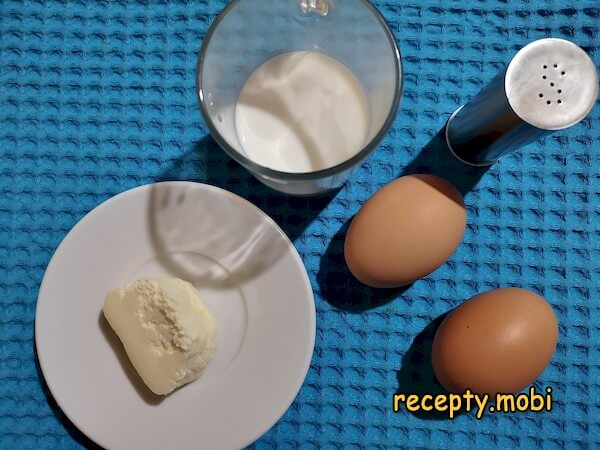
I prepare the products for making scrambled eggs. ALL ingredients (eggs, butter, milk) at ROOM TEMPERATURE — non-negotiable for proper texture. Use homemade butter if available (cleanest flavor). Rinse eggs under running water (basic hygiene before cracking).
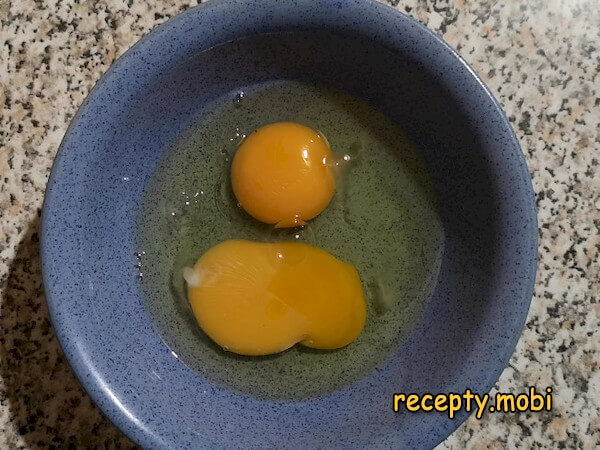
Crack eggs into a deep plate or bowl.
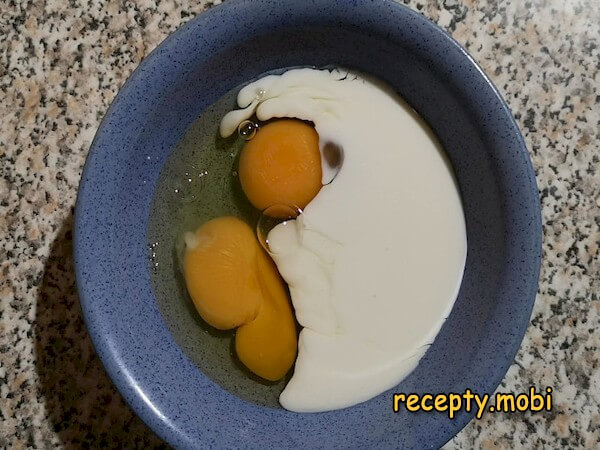
Pour 1/3 cup milk into the eggs.
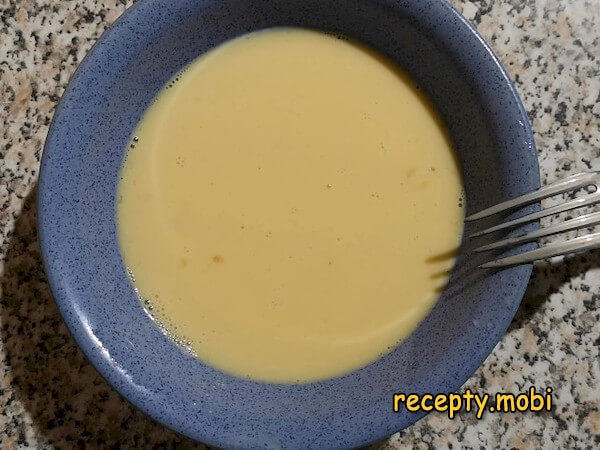
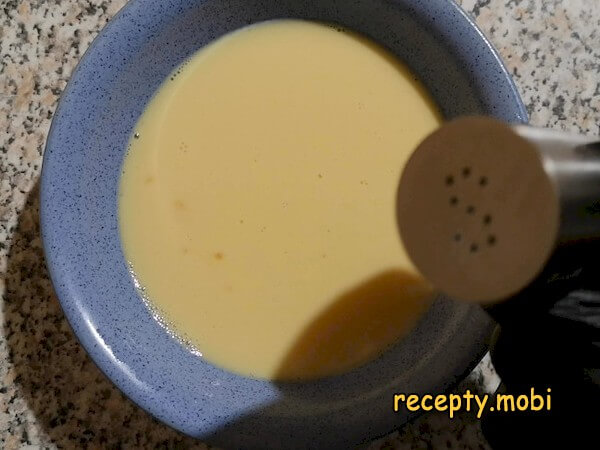
Mix the mass with a fork until smooth. NO fluffy foam required (over-beating creates tough eggs). Just blend whites + yolks + milk to uniform yellow.
Add salt to taste; mix everything again briefly.
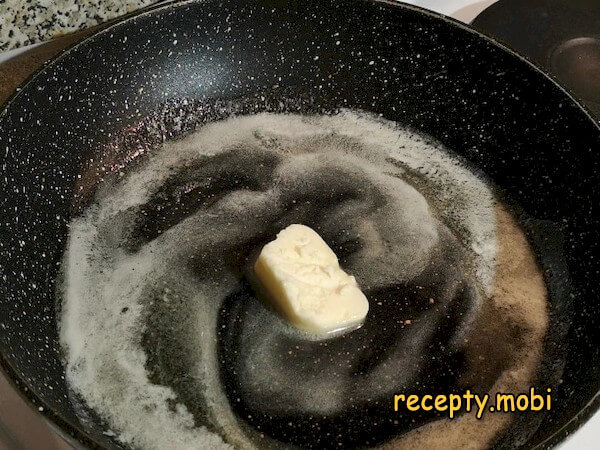
Heat non-stick skillet over HIGH heat; melt butter in it. Wait until butter foam subsides (signal: water has cooked out, butter ready for cooking).
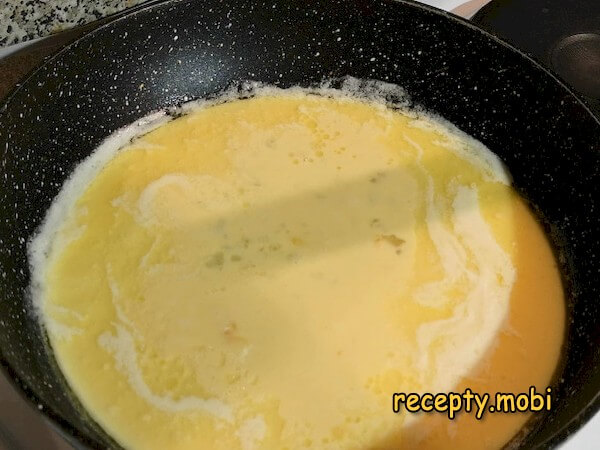
Pour egg mixture into skillet. Reduce heat to MEDIUM. Wait ~1 minute until egg mass begins to set at edges. DO NOT cover skillet with lid (covering steam-cooks instead of scramble-cooks).
Start STIRRING in different directions (random sweeps with spatula, fold motion). Scrambled eggs cook ~2 minutes total — should remain GLOSSY and SLIGHTLY MOIST when removed from heat (residual heat finishes cooking on plate).
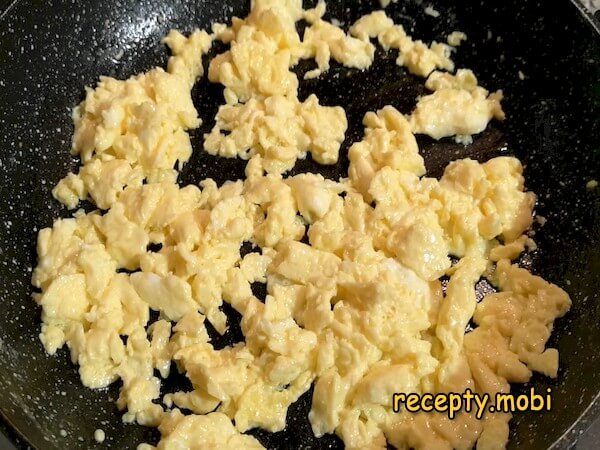
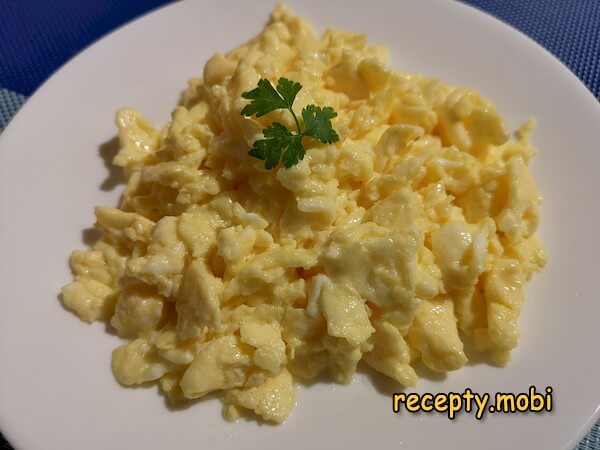
Scrambled eggs are ready. Serve with fresh herbs (chives, parsley, dill) or various sauces (hot sauce, ketchup, salsa, pesto) that add unique touches. Enjoy!


Tips
- 1
THE ROOM-TEMPERATURE RULE. The recipe's "all ingredients room temperature" requirement is the MOST common amateur mistake. Cold eggs from refrigerator: shock the hot pan, cook unevenly, produce tough rubbery texture, butter solidifies on contact with cold eggs. Room temperature (15-20 min on counter): eggs blend smoothly, cook evenly, produce tender custardy result. Same room-temperature rule applies to baking (cakes, cookies, soufflés). Plan ahead: take eggs out before showering/dressing in morning; they'll be ready when you start cooking. The texture difference is dramatic — non-negotiable for proper scrambled eggs.
- 2
THE NO-LID-NO-FLUFFY-FOAM PRINCIPLES. Step 7's "DON'T cover" + Step 4's "no fluffy foam" instructions both serve same goal: PROPER SCRAMBLED EGG TEXTURE (not overly aerated/spongy). Lid covers steam-cook the eggs (produces wet, eggy taste, omelet-like texture). Over-whipping introduces too much air (results in spongy/foamy eggs with bubbles). The classic scrambled egg has dense, custardy texture — achieved through gentle blending + open-pan cooking + constant stirring. For another classic egg-based breakfast worth comparing, see Classic Omelette French Style.
- 3
THE GLOSSY-AND-MOIST DONENESS. Step 8's "glossy and slightly moist" final stage is the perfect-scrambled-eggs benchmark. Removed early (still wet/runny center): undercooked, food-safety concern, raw flavor. Removed properly (glossy + slightly moist surface, fully cooked but soft): peak texture, residual pan-heat finishes cooking on plate, customer-paid restaurant quality. Removed too late (dry, crumbly, separating): overcooked, lost moisture, loses tender texture. The 2-minute total cooking time is calibrated; trust the timing + the visual cue rather than overcooking from caution. Perfect eggs = soft eggs.
- 4
THE BUTTER-VS-OIL CHOICE. Step 6's "butter" specification matters for flavor identity. Butter: rich flavor, browns slightly (Maillard reaction), traditional American/European choice. Olive oil: cleaner taste, Mediterranean character, slightly lighter result. Vegetable oil: neutral, doesn't impart flavor (functional only). BACON FAT: dramatic flavor upgrade, decadent breakfast. GHEE (clarified butter): all the flavor, no burning issue (no milk solids). For canonical American breakfast: butter is non-negotiable. For variations: try different fats based on the day's mood. Don't skip the fat entirely — eggs stick to even non-stick pans. For another versatile egg breakfast worth trying, try Eggs Benedict Classic.
FAQ
Why milk in scrambled eggs? +
Multiple roles. ROLE 1: Adds moisture (eggs alone produce drier result). ROLE 2: Adds tenderness (milk fat coats egg proteins, prevents tough rubber texture). ROLE 3: Slightly extends portion (1/3 cup milk = bonus volume per 2 eggs). ROLE 4: Cooling element (helps prevent over-cooking, adds buffer time). Substitutes: HEAVY CREAM (richer, more luxurious), HALF-AND-HALF (between milk and cream), SOUR CREAM or YOGURT (tangier, denser), CRÈME FRAÎCHE (premium, French). For diet-restricted: water (lighter, tougher result), oat milk (vegan-compatible). Don't skip — eggs alone produce inferior texture.
Can I add cheese? +
Absolutely — cheese is popular and easy addition. Method: add 30-50 g grated cheese in last 30 seconds of cooking (when eggs are nearly done). The residual heat melts cheese without making it stringy or tough. CHEDDAR (sharp): classic American choice. GRUYÈRE: nutty sophistication. FETA: tangy Mediterranean. CREAM CHEESE (small dollops): rich, creamy texture. PARMESAN: salty umami punch. Don't add cheese at start (cooks too long, becomes rubbery). The cheese version transforms scrambled eggs into more substantial dish.
How many eggs per person? +
2-3 eggs typical per adult serving. CHILDREN: 1-2 eggs (smaller portions). LIGHT EATERS: 2 eggs sufficient. HEARTY APPETITES: 3-4 eggs. ATHLETES/HIGH-ACTIVITY: 4-6 eggs (post-workout protein). The recipe's 2-egg single serving is moderate. Scaling: maintain 1/3 cup milk per 2 eggs ratio. Pan size also matters: 4 eggs need wider pan (~25 cm) for proper scramble cooking. Don't crowd the pan — too many eggs in too-small pan produces dense, slow-cooking eggs (more like omelet than scramble).
Can I make scrambled eggs ahead? +
NOT recommended — scrambled eggs are a same-moment dish. Cooked eggs lose their delicate texture rapidly upon storage; reheating produces rubbery sulfur-tasting result. If absolutely necessary: cook slightly under-done; cool quickly; refrigerate covered up to 2 days. Reheating: very gentle skillet reheat with butter, OR microwave 20-30 sec (low power). For meal-prep alternatives: hard-boil eggs (great prep ahead), make egg muffins/frittatas (better make-ahead format), or prep raw egg-milk mixture in advance (mix and store covered in fridge; cook in 2 minutes when needed). Scrambled eggs are inherently a fresh-cooked dish.
- Comment
or post as a guest
Be the first to comment.