avg —
Secrets of the Most Delicious Fried Potatoes

Instructions
Wash the potatoes thoroughly under cool running water, peel them, and slice. Several cutting styles work for fried potatoes: thin sticks (like french fries), small cubes, or random rustic pieces. Whichever style you choose, aim for medium-sized pieces. Large chunks of potato fail to cook through before the outside burns, while very small pieces overcook and turn into mush rather than the crispy golden bites you want.
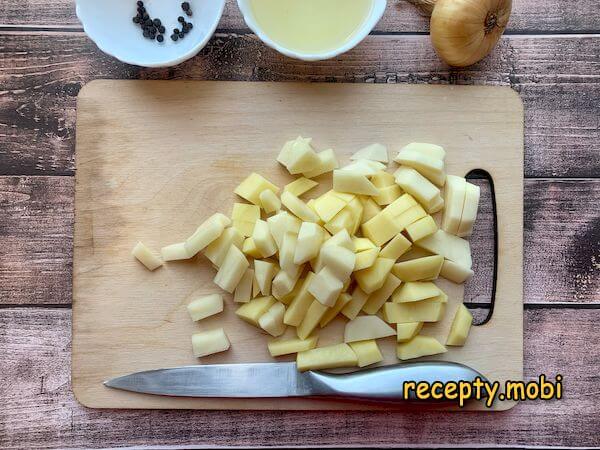
Heat the vegetable oil in a wide frying pan over high heat until shimmering and very hot. Add all the potato pieces at once and resist the strong temptation to start stirring. Fry over high heat for about eight minutes without disturbing them. The first rule of proper fried potatoes is patience: stirring too early disrupts the crust formation that turns the outside golden and crispy rather than soft and steamed.
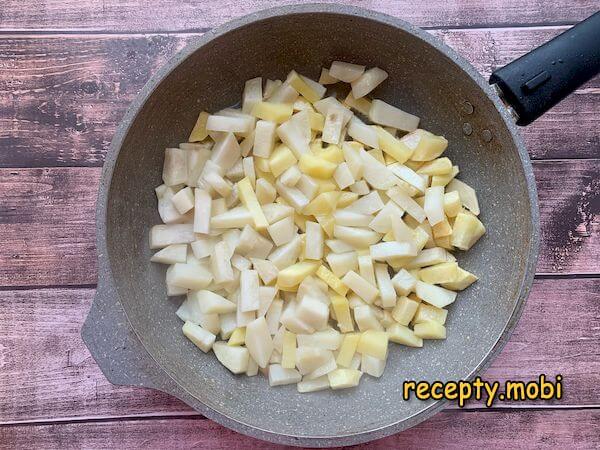
After the first eight minutes of unbroken cooking, give the pan a thorough stir with a flat spatula and continue frying for another five minutes. Keep the pan uncovered throughout the entire cooking process; covering with a lid traps steam inside and turns the frying into boiling, which is the most common mistake home cooks make. If the potatoes start to burn, drop the heat slightly. Stove power and pan thickness vary widely; learning to adjust the heat for your own kitchen is part of mastering the technique.
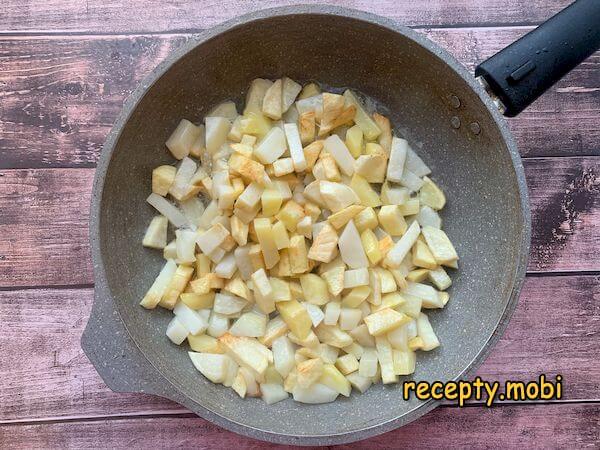
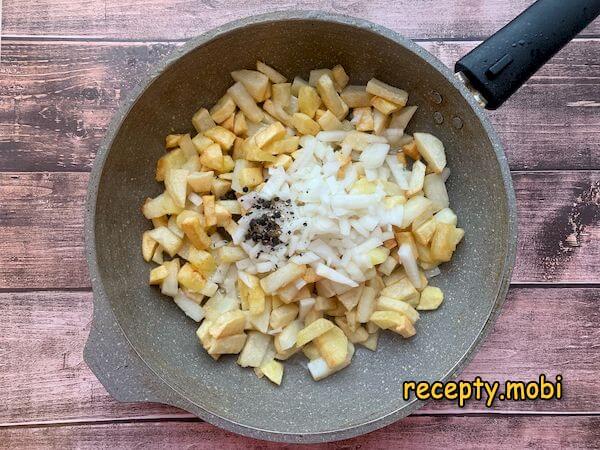
Now stir the potatoes again and salt them generously. Set aside the old kitchen myth that salt draws moisture out and ruins fried potatoes; this rule applies to vegetables like cucumbers and zucchini but not to potatoes. Crush the peppercorns with the side of a knife and scatter them over the dish. Add the chopped onion and continue frying for about three more minutes. Taste a piece to confirm doneness; if still raw inside, keep cooking. As a last resort, briefly cover the pan to finish particularly thick potato pieces.
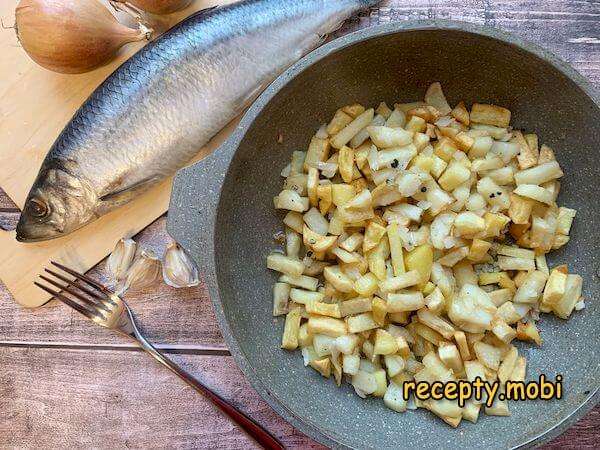
Every Russian home cook knows the classic accompaniments for fried potatoes: a small bowl of homemade pickled cucumbers, a few slices of salted herring, or a generous spoonful of cold sour cream. Fresh dill scattered across the top adds a final aromatic note. The accompaniments are entirely a matter of personal taste; experiment with whatever combinations suit your family and the season at hand for the perfect comfort-food meal.


Tips
- 1
Choose the right potato variety for the best results. Starchy varieties like Russet and Yukon Gold produce the crispiest exterior and fluffiest interior; waxy varieties like red potatoes hold their shape well but never develop the same satisfying crust. If only waxy potatoes are available, soak the cut pieces in cold water for thirty minutes to draw out some of the surface starch and pat them dry thoroughly with paper towels before frying for the best possible result.
- 2
Use a heavy-bottomed pan, ideally cast iron, for the most even heat distribution. Thin lightweight pans develop hot spots that burn the potatoes in patches while leaving other areas pale and limp. Cast iron retains heat beautifully and recovers quickly when cold potatoes hit the surface, producing the consistent crisp texture that restaurant kitchens achieve. For a related cold side dish that pairs perfectly, see the rustic pickled green tomatoes.
- 3
Add the onion only in the last three to four minutes of cooking, never at the start. Onions added too early burn before the potatoes finish cooking, turning bitter and ruining the dish. Adding them late lets them soften and lightly caramelize alongside the already-cooking potatoes for the perfect flavor balance. Sliced into half-rings or small dice, the onions complement the potatoes without competing for the lead role on the plate.
- 4
Resist the urge to crowd too many potatoes into the pan. Overcrowding drops the oil temperature dramatically and turns the cooking from frying into steaming, which is exactly what produces the soggy textureless potatoes that this whole technique is designed to avoid. Work in two batches if needed; the second batch goes faster because the pan is already hot. Pair the finished crispy potatoes with hearty boneless stuffed chicken for a complete Russian-style holiday meal.
FAQ
Should I rinse the cut potatoes before frying? +
The answer depends on the result you want. For the crispiest possible exterior, rinse the cut potatoes thoroughly under cold water and pat them very dry with paper towels before frying. The rinse removes excess surface starch that would otherwise make pieces stick together and slow the crisping process. For a more rustic, traditional Russian-style fried potato with a slightly softer texture, skip the rinse and fry the potatoes straight from the cutting board with the starch still on them. Both approaches produce satisfying results; the choice comes down to personal preference and what suits the meal.
Can I make fried potatoes ahead of time? +
Fried potatoes lose their crispness quickly and are at their best within thirty minutes of leaving the pan. For meal-prep purposes, partially fry the potatoes in advance: cook them for about ten minutes (the first frying stage), drain on paper towels, and refrigerate. Just before serving, finish them with another five minutes in a hot pan to crisp the exterior. This double-frying technique is exactly how restaurant kitchens prep fries hours ahead of service, and it produces a remarkably close approximation of fresh-fried potatoes when timed correctly for the meal.
Why do my fried potatoes always come out soggy? +
Soggy fried potatoes result from one or more of three classic mistakes. The most common is using too small a pan and crowding too many potatoes inside, which traps steam between the pieces and prevents the oil from reaching every surface. The second mistake is using too low a temperature; the oil should be very hot before the potatoes ever go in. The third mistake is stirring too often during cooking, which prevents any single side from developing a crisp golden crust before being disturbed. Address all three issues and the soggy problem usually disappears on the very next attempt.
What other seasonings can I add to fried potatoes? +
Many seasonings complement the basic recipe beautifully. Sweet paprika adds gentle warmth and deep red color. Smoked paprika lifts the dish into Spanish-style territory. Dried thyme or rosemary turns the potatoes into a Mediterranean-style side. A pinch of garlic powder or freshly minced garlic added in the last minute gives the universally appealing garlic-and-onion combination. For a spicy version, add cayenne or chili flakes. Whatever seasoning you choose, add most of it after the potatoes turn golden so the flavors stay bright on the plate.
- Comment
or post as a guest
Be the first to comment.