avg —
Small river fish stewed in tomato sauce

Instructions
Prepare the necessary products for cooking small river fish in tomato sauce. Having everything laid out in advance makes the layering process flow smoothly when the time comes to assemble the pot.
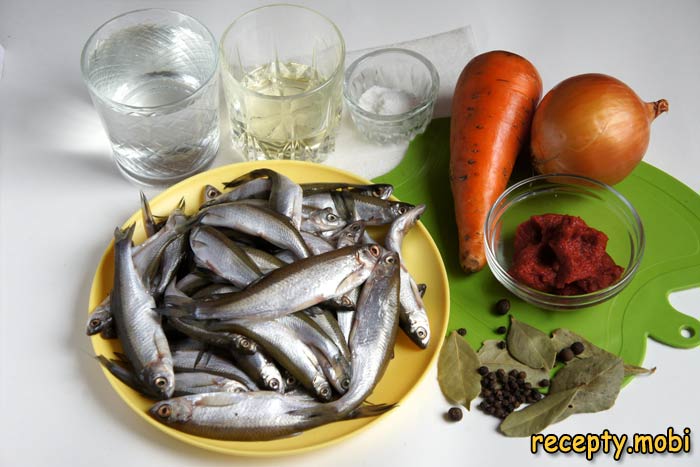
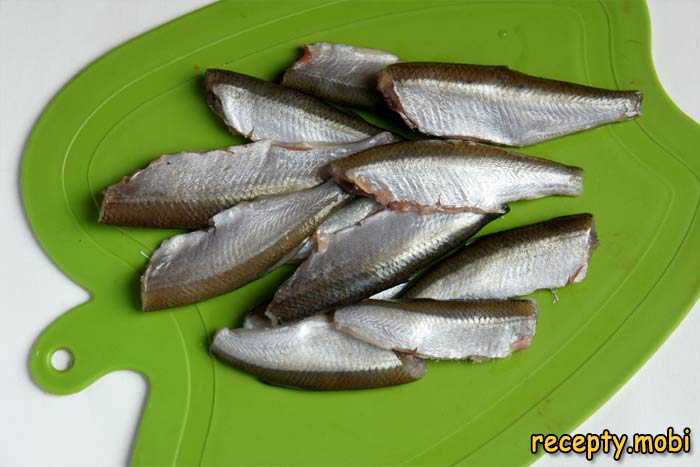
Clean the fish from scales. The scales come off easily from the topminnow if you rub the fish together under a stream of water. After removing the scales, cut off the heads and tail fins. After cutting open the belly, remove the insides along with the dark membrane inside, which gives bitterness if left in. Wash the fish thoroughly and set aside while we prepare the sauce.
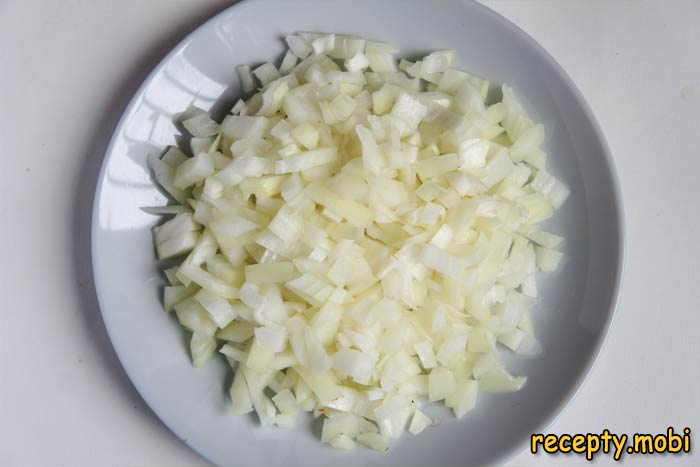
Peel the onion and cut it into small or medium pieces. The size matters less than uniformity — even pieces cook through at the same rate during the long stewing process.
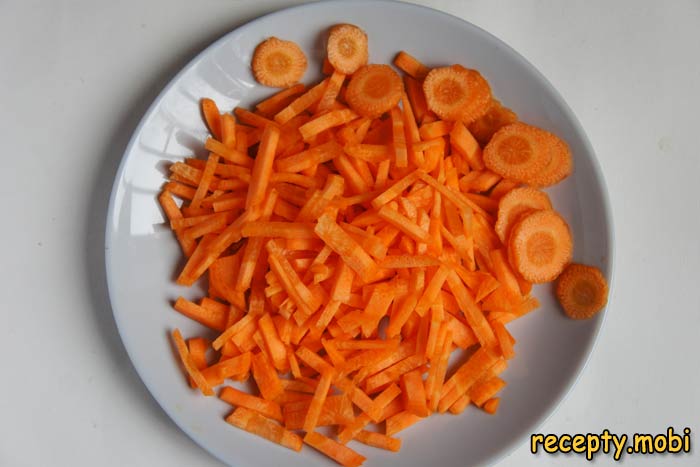
Peel and wash the carrot. Cut it randomly into sticks or circles, or grate it on a coarse grater — the choice depends on personal preference. Each cut produces slightly different texture in the finished dish; sticks stay more distinct while grated carrot melts into the sauce.
Sauté the chopped vegetables in vegetable oil until they soften and turn golden. The brief pre-cook develops sweetness and aroma that the raw vegetables would not contribute during the stewing stage.
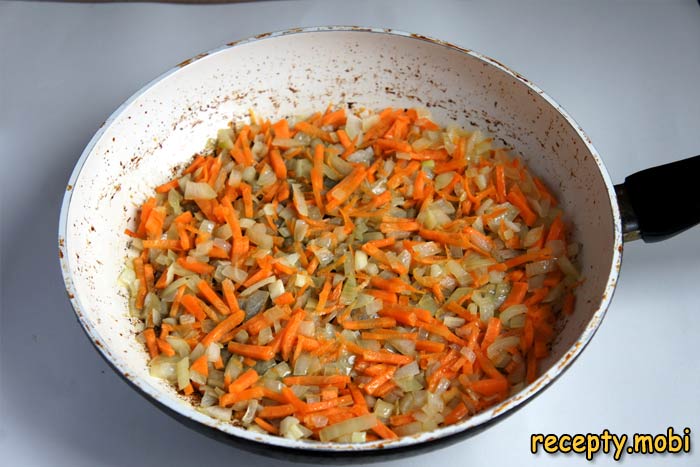
Now place the prepared vegetables and fish in a pot in layers. The layering technique allows the fish to cook through evenly while staying protected from direct contact with the hot pot bottom.
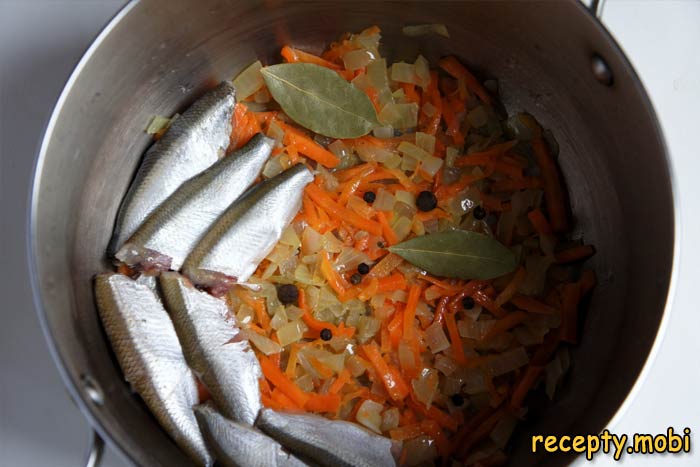
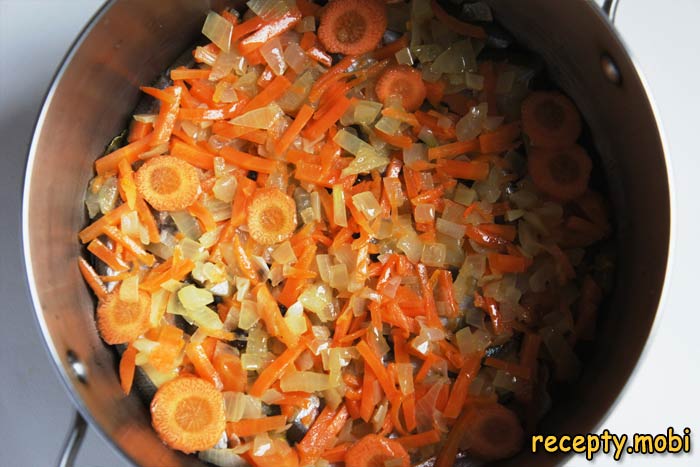
The bottom layer in the pot is a layer of vegetables. On the vegetables, place a layer of fish. Then cover the fish with vegetables again. Between the layers, place a bay leaf and peppercorns. The top layer, like the first, is vegetables — cover the small fry completely with stewed vegetables so it stays moist throughout the long cook.
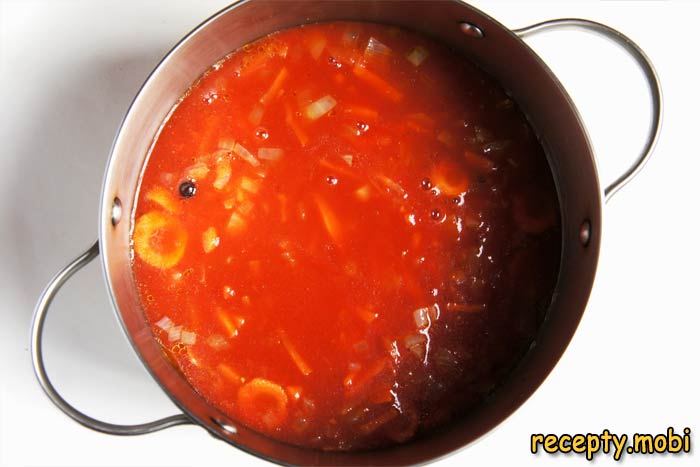
Prepare the sauce for the fish. In a glass of water, dilute 1 tbsp of tomato paste. Add salt to taste. The diluted paste reaches every crevice between the layers more easily than thick concentrated paste would, ensuring even seasoning.
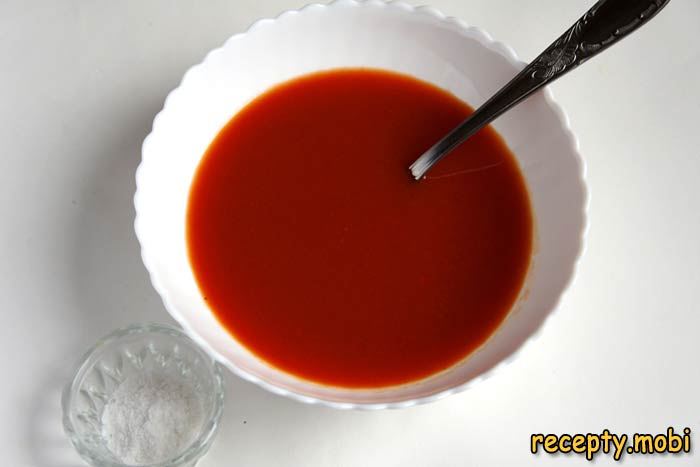
Pour the resulting tomato sauce over the layers of fish and vegetables. Cover the pot with a lid and put it on the heat. Simmer on the lowest possible setting for 2.5-3 hours. The very long, very gentle cook is the magic of this dish — it softens the fish bones completely while building flavor depth.
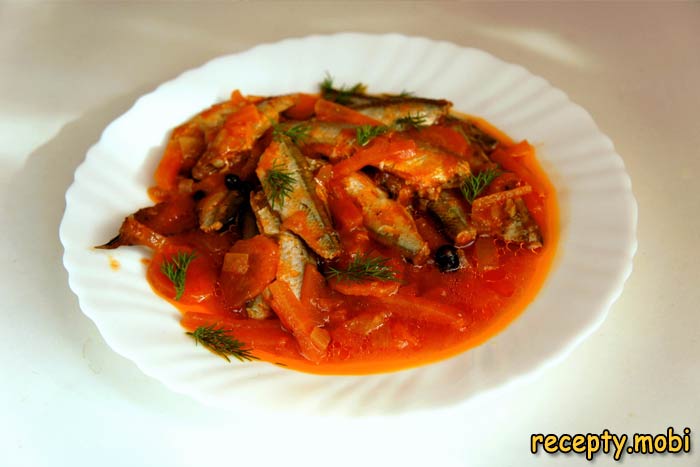
Small river fish stewed in tomato sauce tastes similar to canned sprat in tomato, but with the depth that only homemade slow cooking can deliver. These homemade preserves from small fry can be served as a snack, used to fill pies, or stirred into soups and borscht for added richness. Enjoy your meal!


Tips
- 1
Do not skip the 2.5-3 hour cook time. The whole point of this technique is dissolving the small fish bones into edible softness, which only happens with a very long, very gentle stew. Cutting the time short results in fish with crunchy bones nobody will enjoy. The slow cook is also what concentrates the tomato flavor and softens the vegetables into a thick, luxurious sauce.
- 2
Use real lacto-fermented tomato paste, not the sugar-laden commercial versions. High-quality tomato paste made from sun-ripened tomatoes brings deeper, more complex flavor and stays acidic enough to balance the rich fish. Cheap paste loaded with corn syrup or other sweeteners makes the dish cloying. Read labels carefully; the ingredient list should be short and simple.
- 3
Salt the fish lightly — remember that as the sauce reduces, the salt concentrates. Under-salting at the start is the safer bet; you can always add more at the end. The vegetables also release their own salt and sweetness during the long cook, contributing to the overall seasoning balance. Taste before final adjustment in the last 30 minutes.
- 4
Serve cold or at room temperature, not hot. The flavors fully develop only after the dish has cooled and rested for several hours, ideally overnight in the fridge. The texture also firms up, making the fish easier to handle and slice. Pair with crusty rye or homemade bread for a classic snack plate alongside a glass of cold beer or vodka.
FAQ
What other small fish work in this recipe? +
Almost any small river or sea fish: smelt, anchovies, sardines (fresh or frozen), small perch, roach, or even minnows. The technique relies on the bones being small enough to soften completely during the long stew. Larger fish like trout or salmon do not work — their bones are too big. Sea fish like sardines bring a stronger flavor that some prefer; river fish are milder and more delicate.
Can I make this in a slow cooker or pressure cooker? +
Yes. A slow cooker on low for 6-8 hours produces results very similar to the stovetop method. A pressure cooker at high pressure for 45 minutes works even faster, with the high pressure accelerating bone softening. Both methods preserve the layered structure and produce excellent results. The slow cooker is especially convenient for overnight or all-day cooks where you do not want to babysit the pot.
How long do the stewed fish keep? +
Properly stored in a covered glass container, the dish keeps for 5-7 days in the refrigerator — the long cook and high acidity of the tomato act as preservatives. For longer storage, pack the hot stewed fish into sterilized jars, seal, and process in a water bath for 30 minutes; processed jars keep for up to a year at room temperature. This is a classic Russian preserve made in large batches during fishing season.
Can I add other ingredients like beans or peppers? +
Absolutely. A handful of cooked white beans turns the dish into a more substantial main course. Roasted red peppers add sweetness and brilliant color. Olives bring brininess. Smoked paprika or harissa add heat. Each addition shifts the flavor toward a different cuisine: Mediterranean, North African, or Eastern European, depending on choices. The basic technique stays the same; the seasoning palette is wide open for personal experimentation.
- Comment
or post as a guest
Be the first to comment.