avg —
Soft Sour Cream Gingerbread with Glaze

Instructions
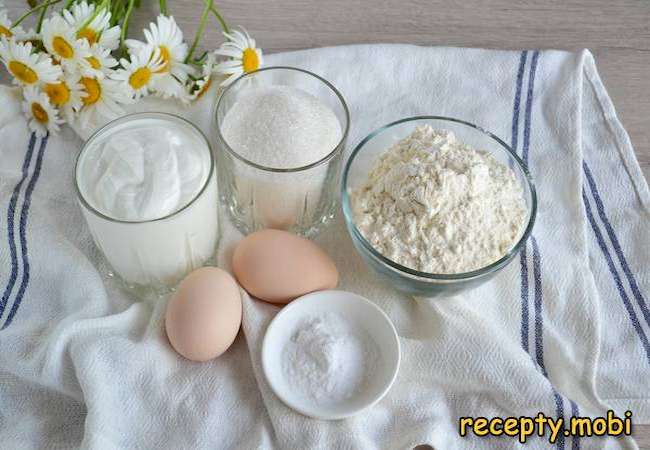
Prepare all the ingredients on a clean countertop. You can use sour cream of any fat content for this recipe; the percentage will not affect the taste or the texture of the finished gingerbread cookies in any noticeable way during the baking process.
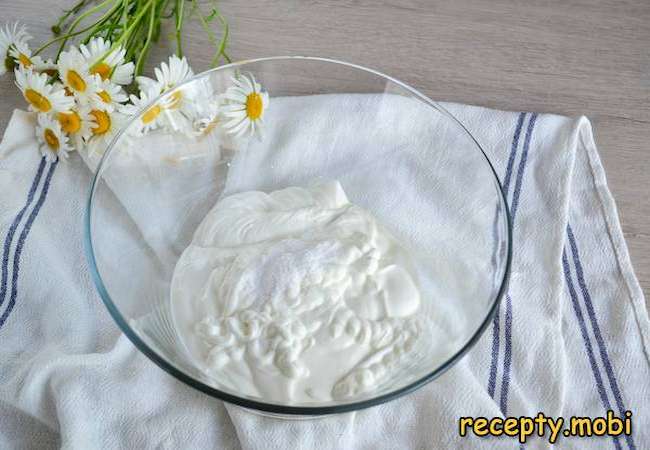
Stir the teaspoon of baking soda directly into the sour cream and let the mixture stand at room temperature for ten minutes. Make sure the soda is fresh, since stale soda spoils both the appearance and the taste of the finished cookies and prevents them from rising properly during baking.
After ten minutes, the soda will have reacted with the natural acids in the sour cream, turning the mixture light, fluffy and noticeably airy. Add two egg yolks now, separate the whites into a clean dry bowl ready for whisking the icing later, then add a pinch of salt and 180 grams of sugar (the remaining 80 to 100 grams will go into the icing later).
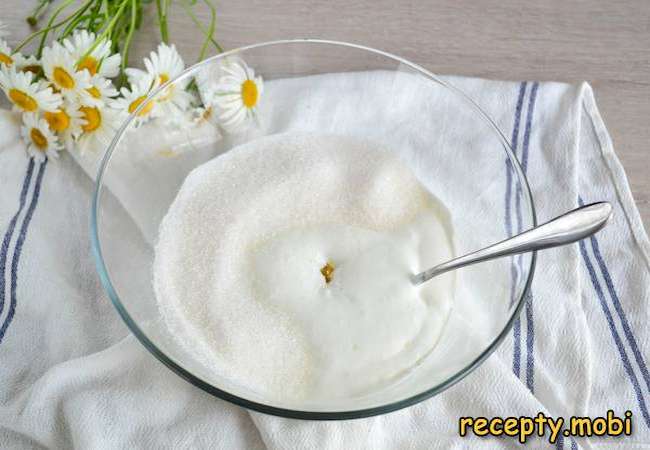
Mix everything together thoroughly with a wooden spoon or a silicone spatula until the sugar is well combined with the wet ingredients. There is no need for a stand mixer at this stage; gentle hand stirring is more than enough to bring the mixture together.

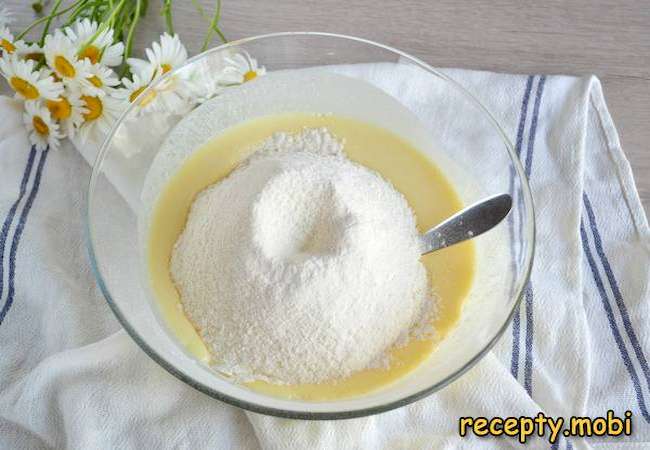
Sift in the flour, starting with 400 grams, and stir well to combine. Gradually add the rest of the flour in small portions to avoid making the dough too floury and tough. The finished dough should feel soft, tender and slightly sticky on the fingertips, yet still hold its shape when gently rolled out.
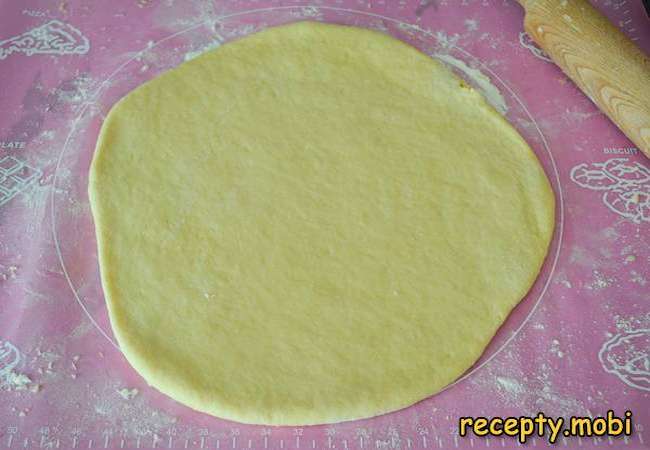
Divide the dough into several smaller portions for easier rolling. Roll each portion out into a round about one and a half centimetres thick. Use cookie cutters of any shape, the rim of a glass or even a coffee cup to stamp out individual gingerbread cookies in the size that suits you best.
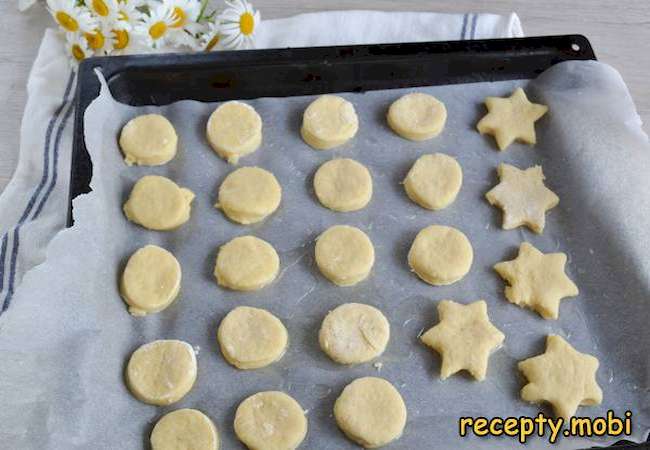
Line a baking tray with parchment paper and grease it lightly with vegetable oil for extra insurance against sticking (you can skip the oil if you trust your parchment fully). Arrange the cut-out cookies on the tray and bake for about fifteen minutes at 180 degrees Celsius. Watch the temperature carefully, since too hot an oven will burn the bottoms long before the centres are cooked through.
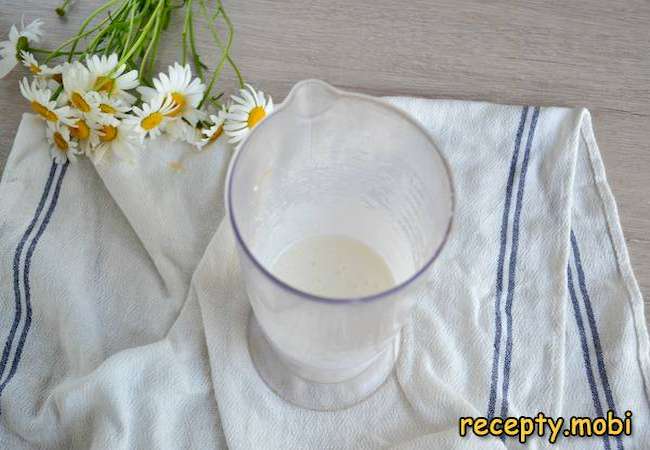
To prepare the glaze, whisk the reserved egg whites briefly to break them up, then add 80 to 100 grams of sugar. There is no need to whip them stiffly into a meringue; the desired result is a smooth white mass with a thin pouring consistency that will spread easily across the warm cookies.
Spread the glaze generously over each gingerbread cookie and place them all on a fresh sheet of parchment paper to dry. Once the glaze has set firm to the touch, the soft sour cream gingerbread cookies are ready to serve. Enjoy them with a fragrant cup of tea!



Tips
- 1
Sour cream of any fat content works for the dough, but a richer 20 to 25 percent variety produces the most tender crumb in the finished cookies. Whatever percentage you have in the fridge, make sure it is fresh and well within its date, since spoiled sour cream will give the dough an unpleasant tangy flavour that no amount of sugar can mask.
- 2
Always sift the flour through a fine sieve to add air to the dough and remove any small lumps. For another simple sour-cream-based bake to add to your weekly rotation, you might enjoy our beautifully tangy green sorrel soup with egg and chicken, which uses sour cream as a finishing touch.
- 3
Tuck a small square of dark chocolate, a few raisins or a single chewy gummy candy inside each ball of dough before baking for a sweet hidden filling that surprises the eater on the very first bite. Children especially love the moment of discovery and will happily help shape the cookies if given the chance.
- 4
Glazed gingerbread keeps for up to a week stored in an airtight tin, growing softer and more aromatic as the days pass. For another comforting bake to serve alongside afternoon tea or coffee, try our refreshing vitamin smoothie in a blender as a healthy contrast to the sweet biscuits on the plate.
FAQ
Can I use a different glaze besides egg white? +
Yes, melted dark or milk chocolate works beautifully and gives the cookies a glossy professional finish that holds up well during storage. A simple sugar-and-water glaze made by combining icing sugar with a few drops of warm water also produces a clean white coating that dries hard within a few minutes. For something more decorative, use coloured fondant, royal icing piped through a fine nozzle, or even a generous sprinkle of finely chopped nuts.
Why did my gingerbread spread too much? +
Most likely the dough was too soft and warm when you cut out the cookies and slid them into the oven. Add an extra spoonful of flour to the dough to firm it up slightly, then chill the rolled-out dough briefly in the refrigerator for about fifteen minutes before stamping out the shapes. Cold firm dough holds its shape much better in a hot oven and produces neatly defined cookies rather than spreading out.
How long do these cookies keep? +
Stored in an airtight tin at cool room temperature, sour cream gingerbread cookies stay genuinely fresh for up to seven days and actually become softer and more aromatic as the days pass by gently in their container. The glaze keeps the cookies from drying out at all and acts as a natural seal against airborne moisture in the kitchen. For longer storage of about a month, freeze the unglazed cookies and add the icing after thawing.
Can I freeze the dough for later? +
Absolutely. Wrap the prepared dough tightly in cling film or transfer it to a sealed container and freeze for up to a full month without any noticeable loss of quality in the finished baked cookies later on. Thaw overnight in the refrigerator before rolling out the dough on a lightly floured surface. The chilled dough will be firmer than freshly mixed dough, which actually makes it easier to handle, roll out evenly, and stamp into shapes.
- Comment
or post as a guest
Be the first to comment.