avg —
Strudel with meat and potatoes

Instructions
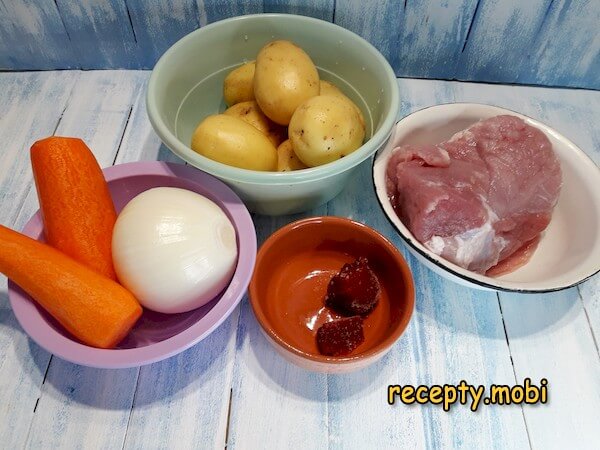
I prepare the main composition ingredients. Pork can be replaced with veal (boneless cut). Either old or young potatoes work.
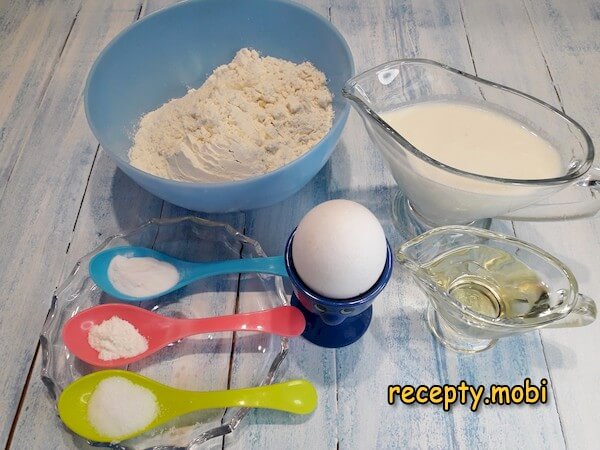
Strudel ingredients gather. Important: kefir must be at room temperature (cold kefir slows soda activation, ruins fluffy texture).
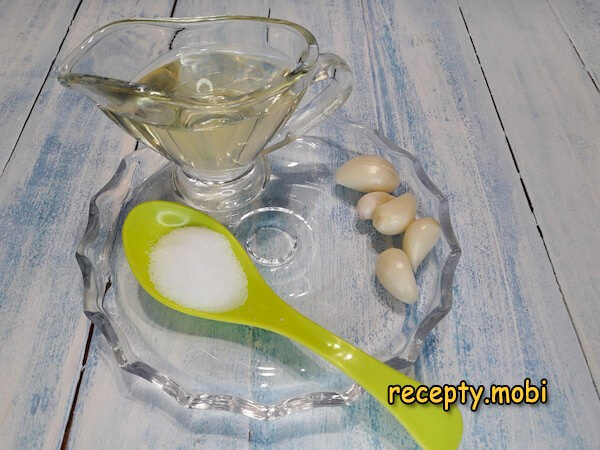
Filling ingredients. Coarse salt is preferred — better for grinding garlic to paste.
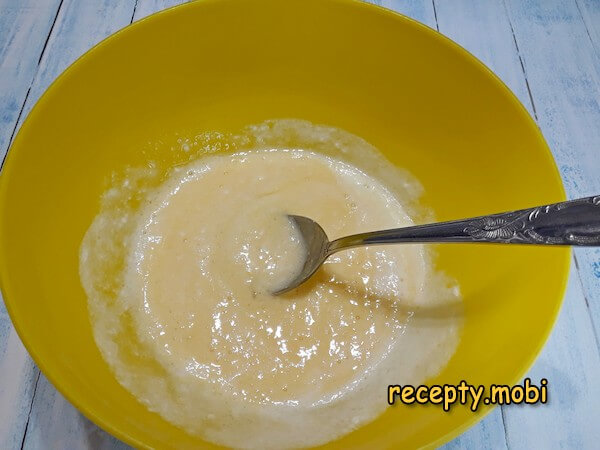
Strudel dough first. Kefir into bowl, soda + baking powder add (initiates the carbon dioxide reaction). Egg joins.
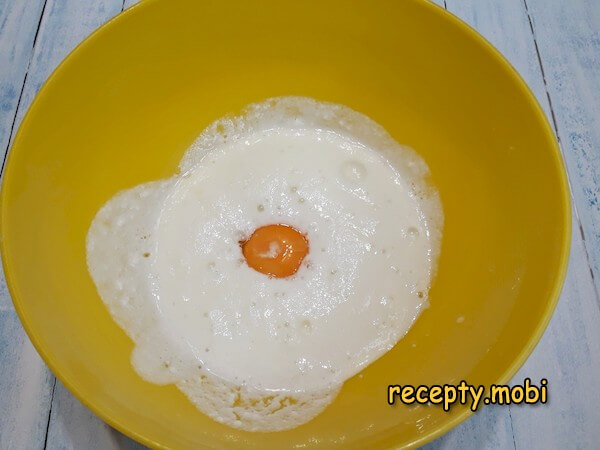
Mix to slightly-foamy uniform consistency.
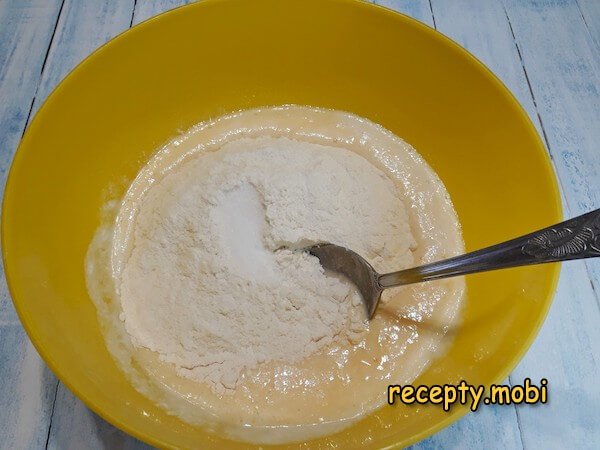
Salted flour adds.
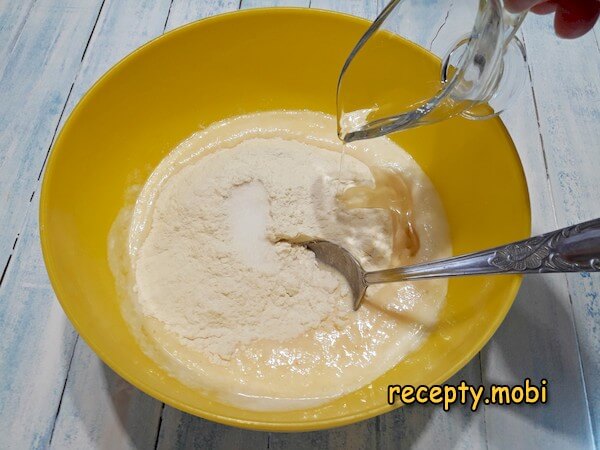
Vegetable oil adds for elasticity.
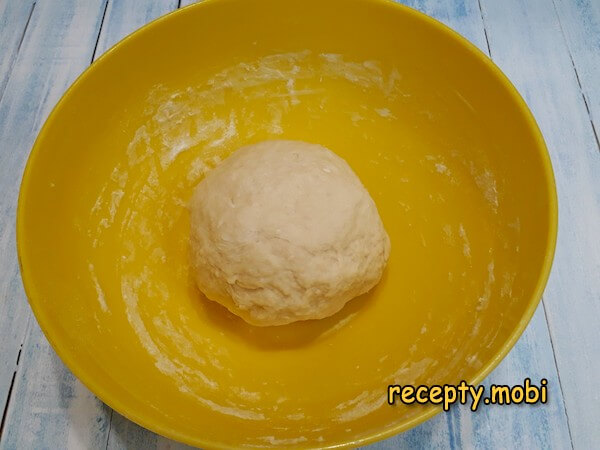
Knead — should be soft and pliable, NOT tight. Different flours absorb differently; add 20-30 g more if too sticky. Form into ball, cover with towel, rest 20 minutes.
Garlic-oil filling: crush garlic in small bowl with salt.
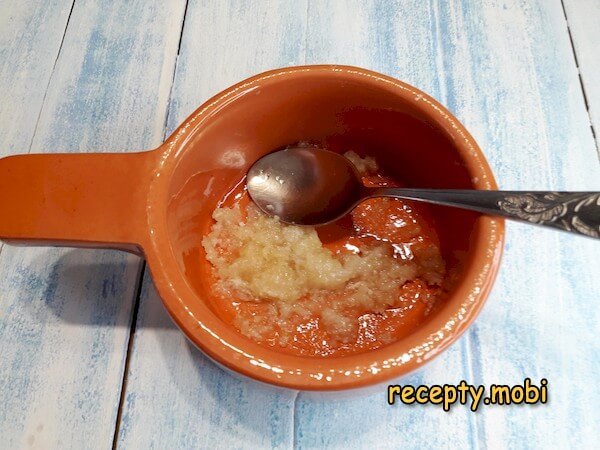
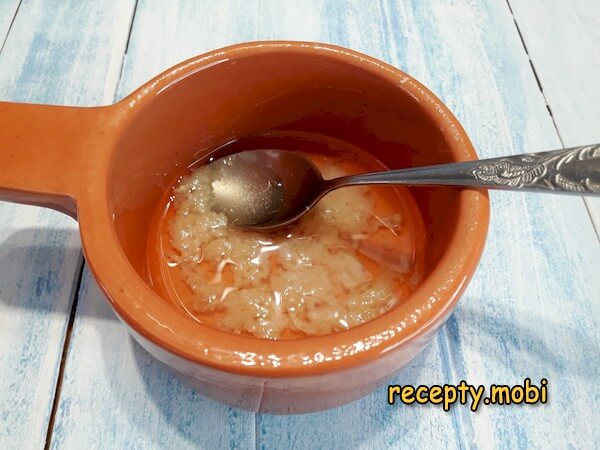
Vegetable oil joins; mix thoroughly with small spoon.
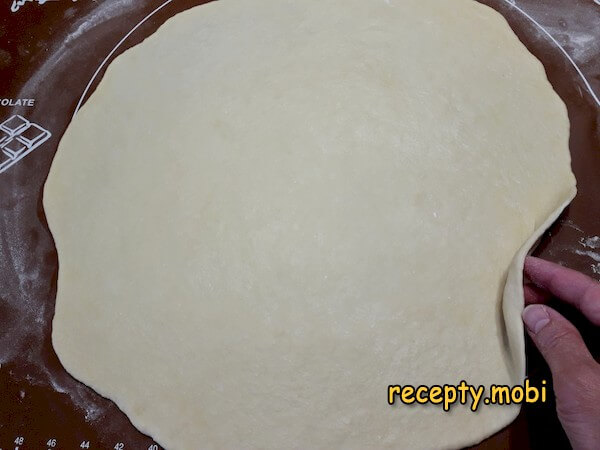
Roll rested dough to 3 mm thin sheet.
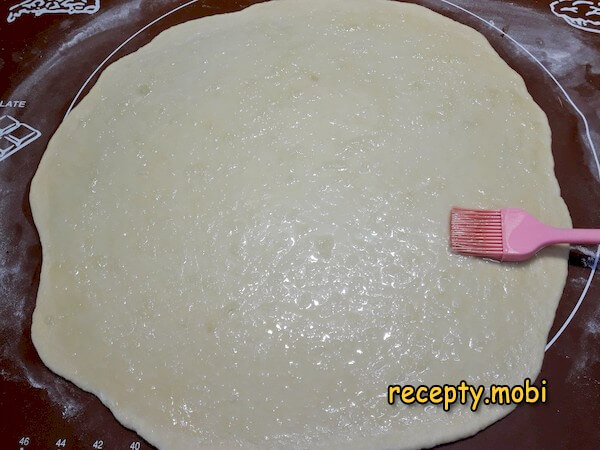
Spread garlic-oil filling generously, leaving 2-3 cm bare edge for sealing.
Roll into a loose log starting from the filling-edge, leaving the bare edge for the seal.
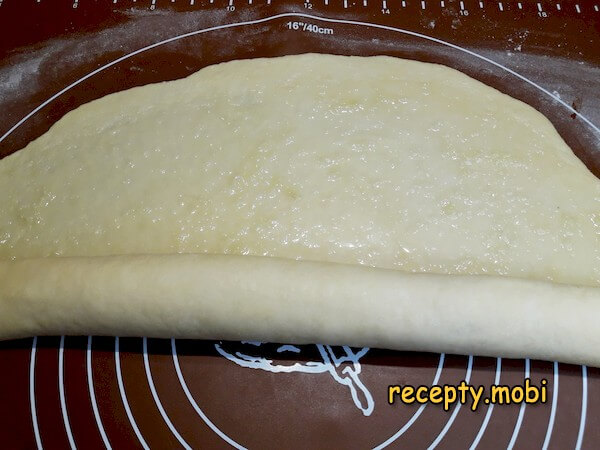
Pinch the bare-edge seam closed to seal the roll.
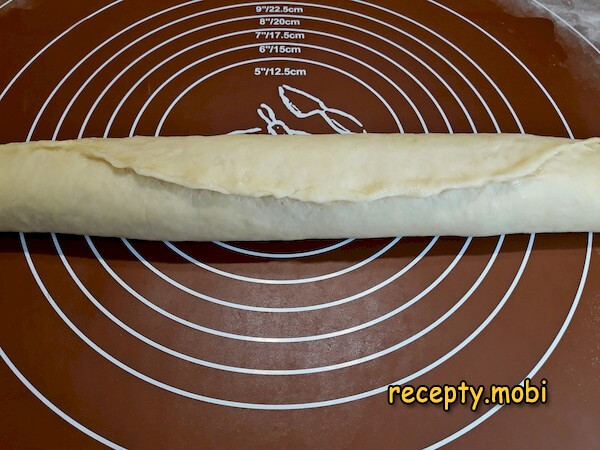
Cut into 3 cm rounds with sharp knife. Rest aside while preparing main composition.
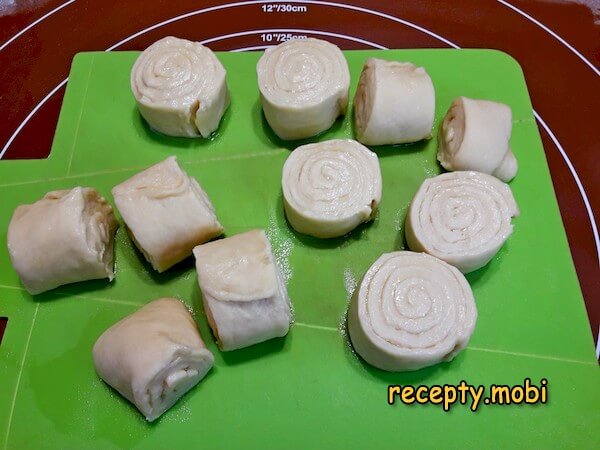
Main composition: meat chops into small pieces.
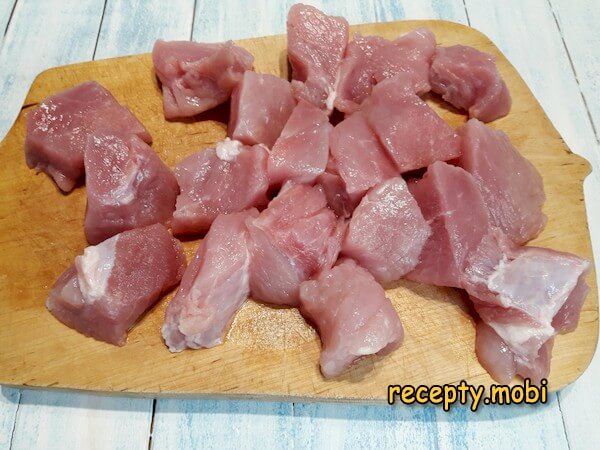
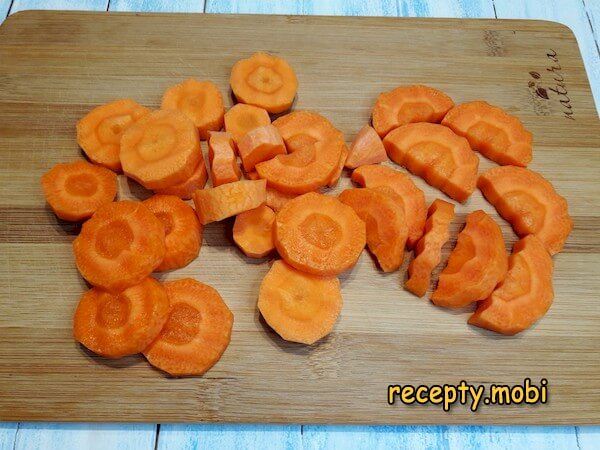
Carrot chops into large chunks.
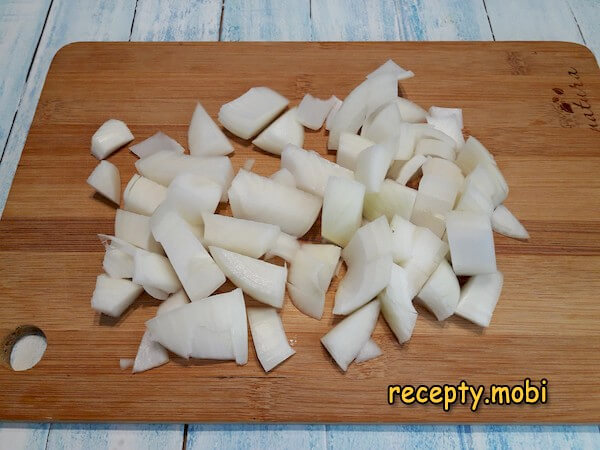
Onion chops into large chunks too.
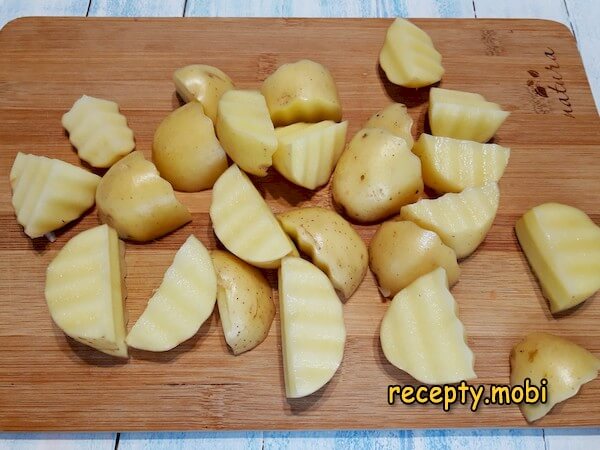
Young potatoes don't need peeling — wash thoroughly, cut into large pieces.
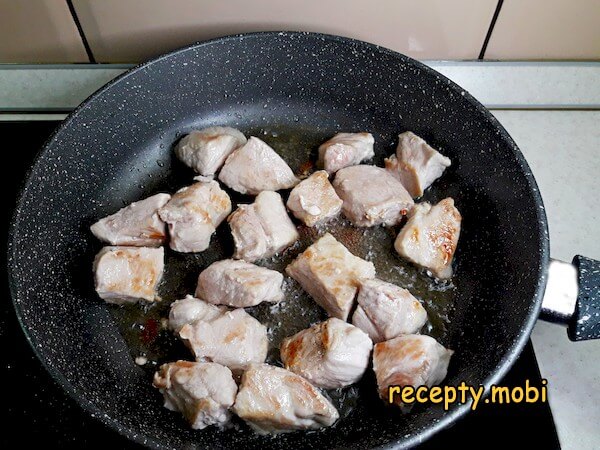
Heated oil in a deep skillet. Pork sears over high heat — locks juices inside.
Carrot adds; sauté 3-4 minutes on medium heat.
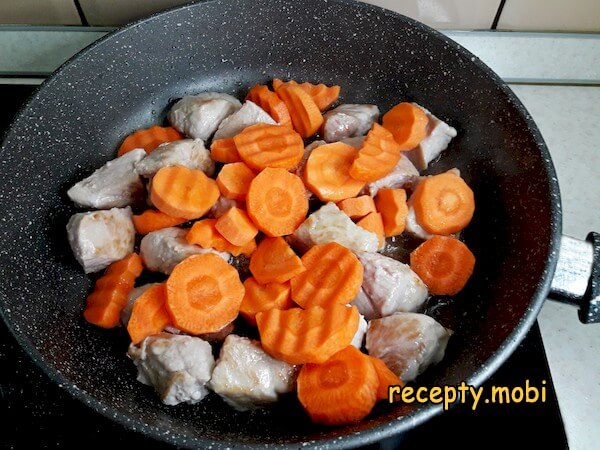
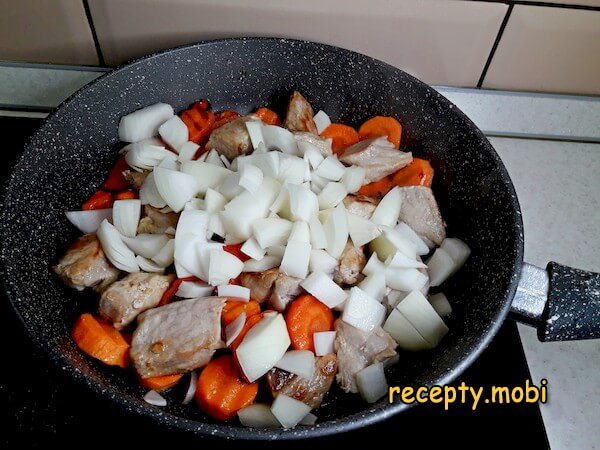
Onion adds; cook until soft.
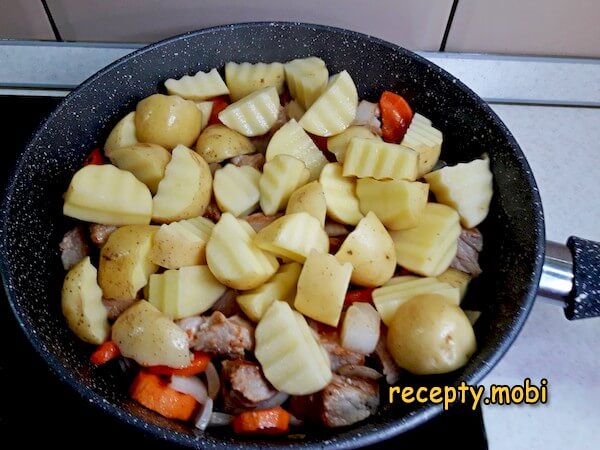
Potatoes add; fry together 5 minutes.
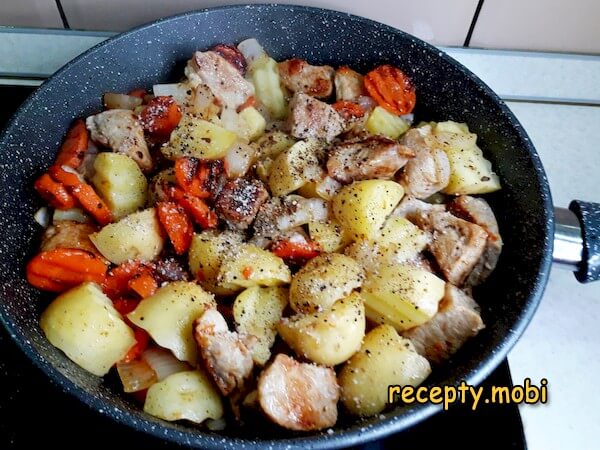
Salt and pepper season.
Boiling water pours in to almost cover all ingredients.
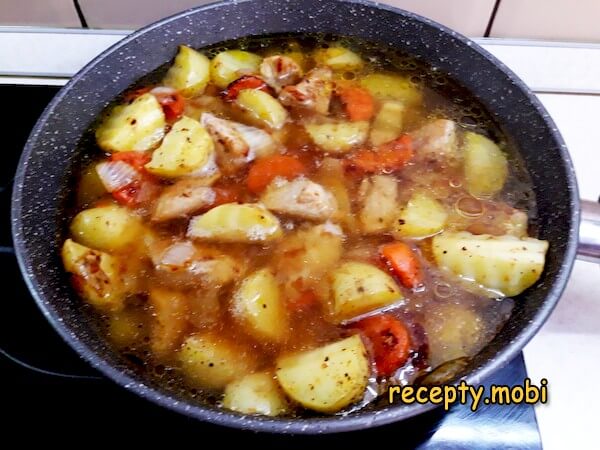
Tomato paste stirs in for colour and depth.
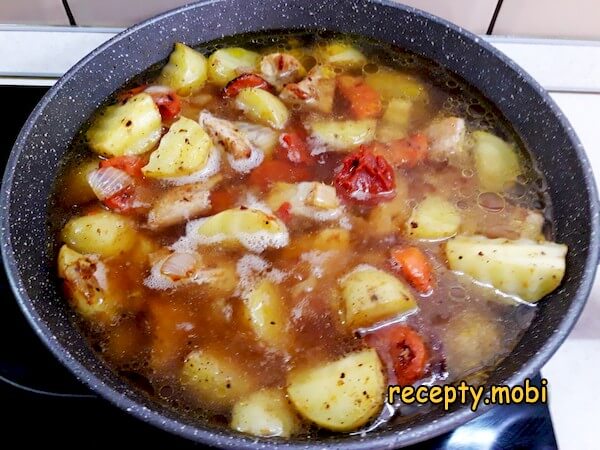
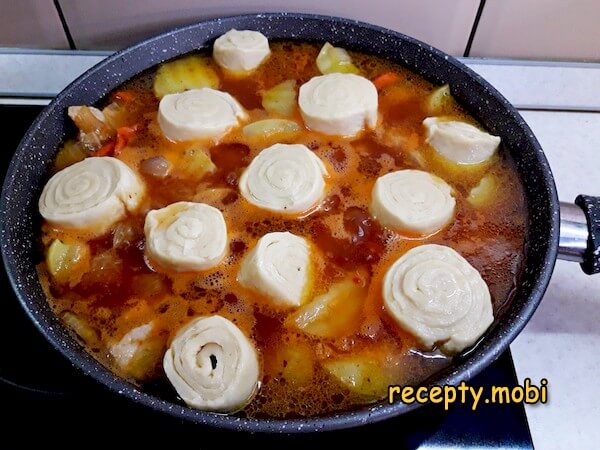
Strudel rounds arrange on top of the stew.
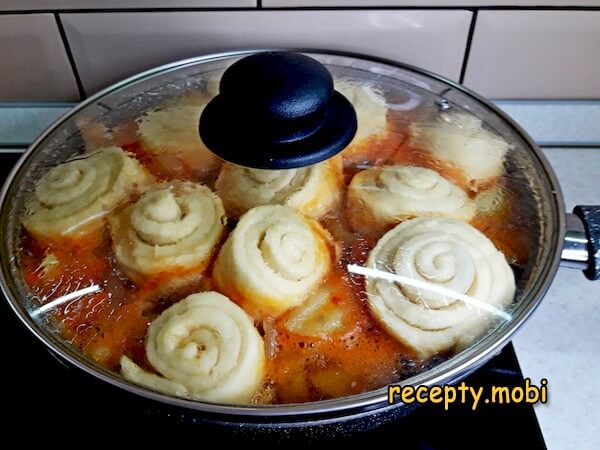
Lid covers; simmer 40 minutes on low heat. Doneness: strudels visibly swell to 2-3× original size, dough fully steamed through.Strudel with meat and potatoes serves hot. Each plate gets a portion of meat, vegetables, broth, and 2-3 strudels. The garlic-soaked steam-cooked spirals are pillow-soft and porous — pleasant to dip in broth alongside meat or potato bites. Optional: sprinkle fresh chopped herbs on portions. Bon appétit!


Tips
- 1
THE STEAM-FROM-BELOW IS THE TECHNIQUE-DEFINING METHOD. Step 27-28's "strudels on top of stew, lid on, simmer" is what makes this dish German-strudel rather than generic stew. The strudels cook entirely from the steam released by the stew below — they never touch the liquid directly. The garlic-oil filling melts during the steam, infusing each strudel from inside. Without the lid, steam escapes and strudels don't cook through. Keep the lid tight throughout the 40-minute simmer.
- 2
ROOM-TEMPERATURE KEFIR IS STRUCTURAL. Step 2's room-temperature kefir requirement is critical. Cold kefir slows the soda+baking-powder reaction dramatically, producing dense flat strudels instead of fluffy porous ones. Take kefir out of fridge 1-2 hours before starting. The CO2 from the kefir-soda reaction is what gives the strudels their signature airy texture. For another captain's-meat oven preparation worth comparing, see Captain's Meat in the Oven with Potatoes.
- 3
THE 3 CM STRUDEL ROUNDS ARE PRECISE. Step 15's 3 cm round size matters. Smaller rounds (1-2 cm) over-cook and become dough-balls. Larger rounds (5+ cm) don't fully steam through in 40 minutes. The 3 cm size is the sweet spot for proper steam-through cooking AND visible "swell to 2-3×" doneness check. Use a sharp knife for clean cuts; ragged cuts produce uneven cooking.
- 4
THE LIQUID LEVEL MATTERS. Step 25's "almost cover all ingredients" is precise. Too much liquid: strudels touch the broth and become soggy. Too little: insufficient steam, strudels under-cook. Aim for liquid covering 80-90% of vegetables, with strudels resting on top NOT submerged. For 6-quart Dutch ovens, about 0.75 L is typical; smaller pans need less, larger need more. The visual check: liquid surface should be 1-2 cm below the top of the vegetable layer. For another French-style meat oven dish worth trying, try Meat French-Style Without Potatoes in the Oven.
FAQ
What's the origin of this dish? +
The dish traces to German Schwabian (Swabian) tradition, where "Dampfnudeln" (steam noodles) and similar steam-on-stew preparations developed as practical farmer's complete meals. Russian-Volga German communities (deported to Kazakhstan in WWII era) preserved and adapted these recipes — many Russified Soviet German recipes use similar techniques. The "strudel" name in this Russian-Soviet German context refers to the rolled-and-sliced dough preparation rather than the Austrian sweet pastry "strudel." Same word, different dish family.
Can I use other meats? +
Yes — the recipe is forgiving. Pork is most authentic; veal works equivalently. Lamb gives richer Caucasian-leaning flavour. Beef chuck (cubed) works but needs longer cooking (60+ minutes simmer). Chicken thighs work for a lighter version (reduce simmer to 30 minutes). Avoid: chicken breast (too lean, dries during long simmer), or very fatty meats (pork belly — the dish becomes greasy). Boneless cuts are preferable for clean eating.
How do I store leftovers? +
Cooled leftovers keep 3 days in fridge. Reheat methods: stovetop with splash of water (best texture, 8-10 minutes covered low heat), microwave (acceptable, 2-3 min per portion), oven at 160 °C covered for 15 minutes. The strudels soften on day 2 — they absorb stew flavours but lose their airy texture. Day-2 leftovers are still tasty, just different. Don't freeze — the dough texture suffers dramatically.
Can I make the strudels with pure water dough? +
Yes — the intro mentions water-based dough as alternative. Replace 125 ml kefir + soda + baking powder with: 100 ml water + 1/4 tsp salt + 1 egg. The result is denser, more rustic strudels (less fluffy than kefir version). Some traditional Volga-German cooks prefer the water version for its more substantial bite. Both are valid; kefir version is more modern and lighter; water version is more traditional and hearty.
- Comment
or post as a guest
Be the first to comment.