avg —
Sweet and Sour Chili Sauce

Instructions
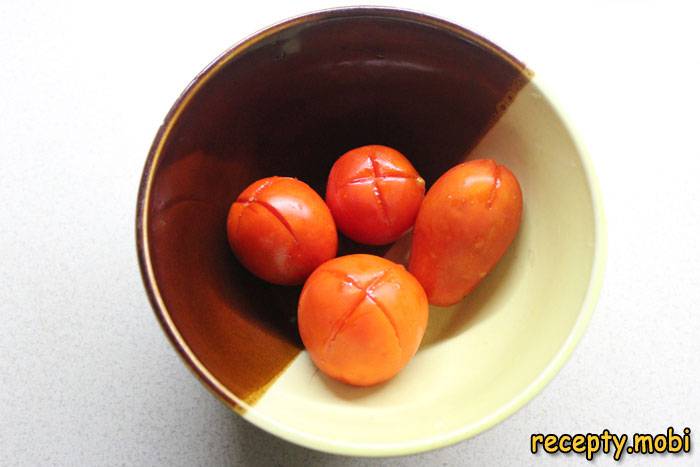
First, you need to remove the skin from the tomatoes. To do this, make small incisions on the tomatoes with a sharp knife and scald the tomatoes with boiling water. Leave in hot water for a minute, then remove the skin from the tomatoes with a gentle movement.
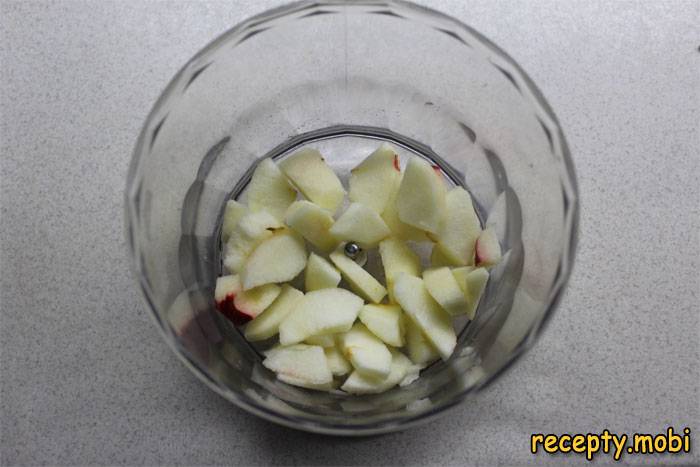
Chop the peeled apple and place it in a blender bowl for proper finished smoothness preparation.
Add the tomatoes to the blender for proper finished smooth-puree base.
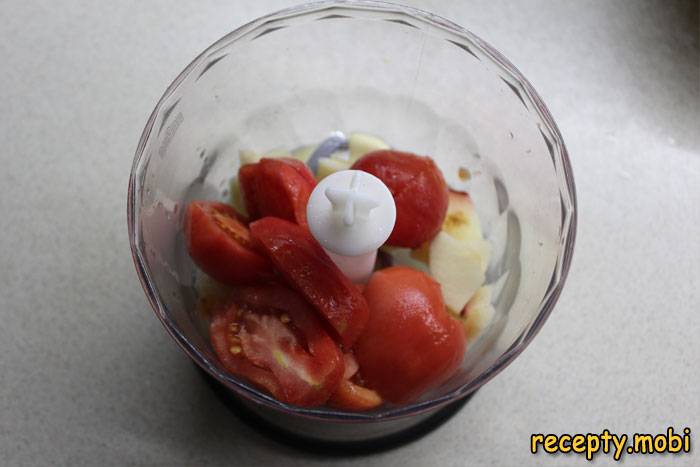
Blend the ingredients into a homogeneous puree. You can also grind the components using a meat grinder for traditional Russian-style finished texture.
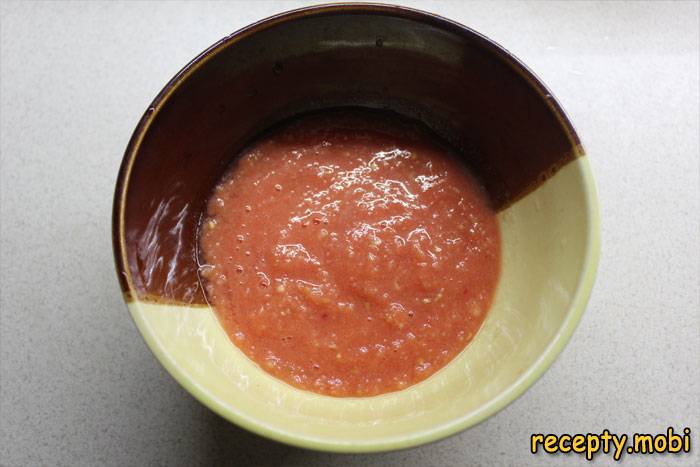
Chop the onion and chili peppers. Puree the components for proper finished aromatic foundation.
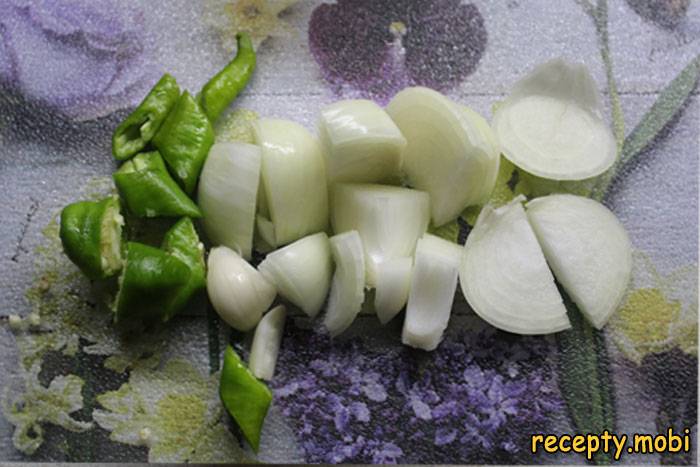
Saute the onion and chili puree in refined olive oil until golden for proper aromatic development.
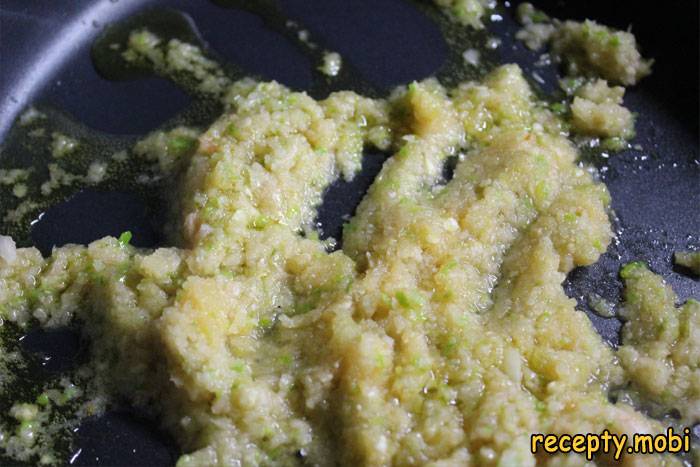
Pour in the tomato puree. Next, simmer the mixture until the sauce thickens, then pour in the apple juice and vinegar. Bring the sauce to a harmonious taste and let it boil.
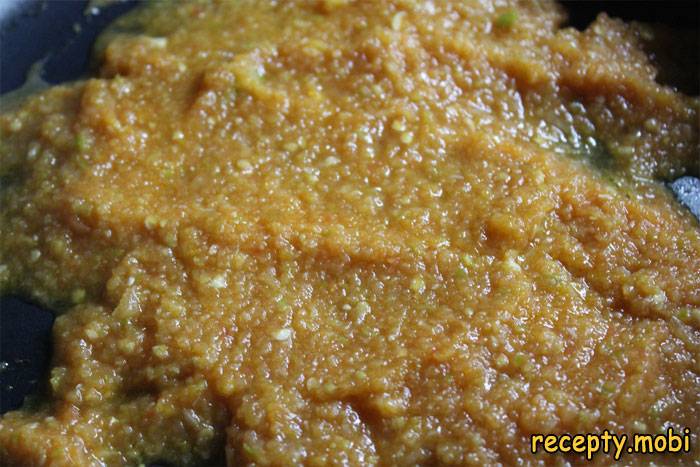
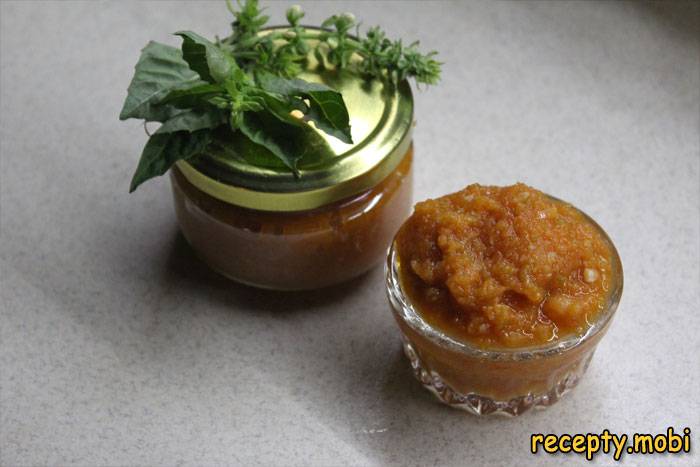
Boil the spicy sauce until the desired consistency. You can make the dressing either more liquid or thick, like adjika or tomato paste. Distribute the sauce into sterilized jars. Seal with lids and leave the jars to cool. Enjoy your meal!Additionally, this sauce can be prepared without sterilization and canning for winter. The sweet and sour chili sauce can be easily stored in the refrigerator for two weeks. This interesting sauce will beautifully decorate the festive table.


Tips
- 1
Use ripe firm tomatoes for the best finished sauce flavor and color. Underripe tomatoes produce sour disappointing finished sauce; overripe tomatoes turn watery and produce thin runny finished results. Properly ripe tomatoes show deep red color, slight give to gentle pressure, and concentrated sweet character. Roma or San Marzano varieties work especially well due to lower water content. The variety choice matters significantly for finished sauce quality consistently across batches and various preparation methods reliably.
- 2
Wear gloves when handling chili peppers to prevent skin and eye irritation. Pepper oils transfer easily from fingers to face causing painful burning sensations that linger for hours; gloves prevent the contamination entirely. The same protective-glove principle elevates many spicy preparations including adjika made from tomatoes and garlic for the winter and similar Caucasian-style spicy preparations across various seasonal abundances throughout the year.
- 3
Adjust heat level by varying chili pepper quantity for personalized finished results. Six chili peppers produces moderately spicy authentic Thai-style sauce; reduce to 1-2 peppers for mild family-friendly version, or increase to 8-10 peppers for fire-eater versions. The personalization matters significantly for finished sauce acceptability across various family heat tolerances. Remove pepper seeds for milder versions while maintaining the signature pepper character throughout the finished sauce reliably.
- 4
Pair the finished sauce with traditional Asian-style applications for proper presentation. Serve as dipping sauce for spring rolls and dumplings, glaze for grilled meats, or topping for fried foods. Pair with crusty homemade bread for substantial Asian-fusion meal spreads, alongside grilled chicken or pork for substantial dinners, or as condiment for Vietnamese spring rolls for authentic traditional Southeast Asian presentations worth showcasing.
FAQ
How long does this sauce keep? +
Refrigerated in clean covered containers, the sauce keeps for 2 weeks at peak quality. Properly canned in sterilized jars, the preserved version keeps for 12 months in cool dark storage. The flavor improves over the first 2-3 days as components meld together beautifully throughout the resting period. Best consumed within a week of opening for the brightest most appealing finished results across multiple servings throughout entertaining occasions and family meal preparations consistently across various meal applications.
Can I make this less spicy? +
Yes, simply reduce the chili pepper quantity to 1-2 peppers or omit entirely for a mild family-friendly version suitable for children. The garlic, onion, and apple provide plenty of complex flavor without the burning heat of the chili peppers. Each adjustment produces distinct character: full-heat is most authentic Thai-style, mild is most universally appealing for various family preferences. Adjust to personal preference and intended audience for proper finished sauce results across various household needs.
Can I substitute other fruits for apple? +
Yes, pear, pineapple, mango, peach, or quince all work beautifully as alternatives. Each fruit produces distinct character: pear is most subtle, pineapple is most tropical, mango is most exotic, peach is sweetest. The fruit addition provides natural sweetness and pectin-style thickening behavior. Adjust quantities slightly based on fruit sweetness for proper balanced finished results. The basic technique stays identical regardless of fruit choice for endless seasonal variations throughout the year.
What dishes pair best with this sauce? +
Spring rolls, dumplings, grilled chicken, fried fish, baked vegetables, chips, French fries, kebabs, or even simple boiled rice all work beautifully with this sauce. Each application produces distinct character: spring rolls are most traditional Asian, fried foods are most popular Western, grilled meats are most substantial. The versatile sauce supports countless culinary applications across various international cuisine traditions throughout the year for proper finished meal presentations.
- Comment
or post as a guest
Be the first to comment.