avg —
Thin pancakes with holes on sour milk (+Cooking video)

Instructions
I prepare the ingredients. Sour milk: leave fresh milk in warm spot 1-2 days until naturally soured (no commercial culture needed). Substitute: kefir or buttermilk if natural sour milk unavailable.
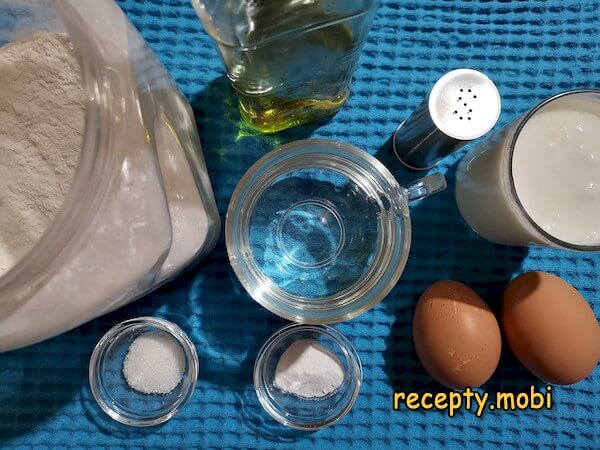
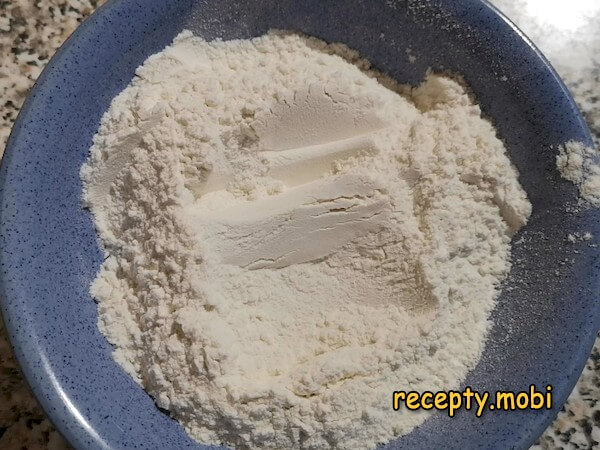
Sift 1 cup flour with 1 tsp baking soda; add salt; mix dry.
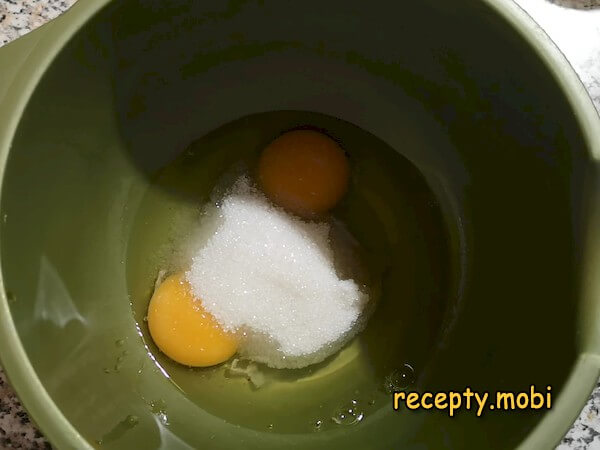
In deep bowl: crack 2 eggs + add 2 tbsp sugar. Beat to light foam.
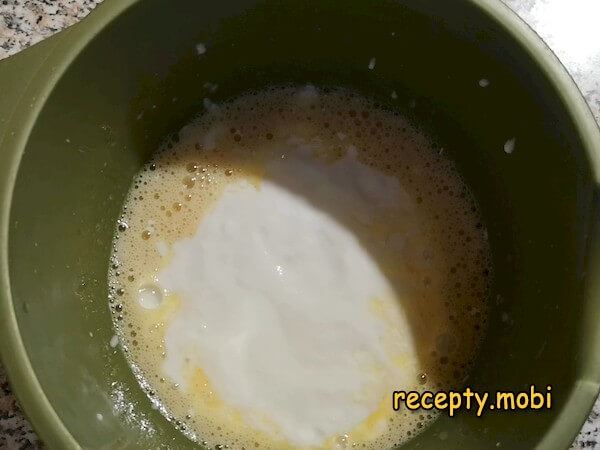
Pour in 1 cup sour milk; mix.
Gradually add sifted flour mixture to liquid; mix thoroughly to smooth batter.
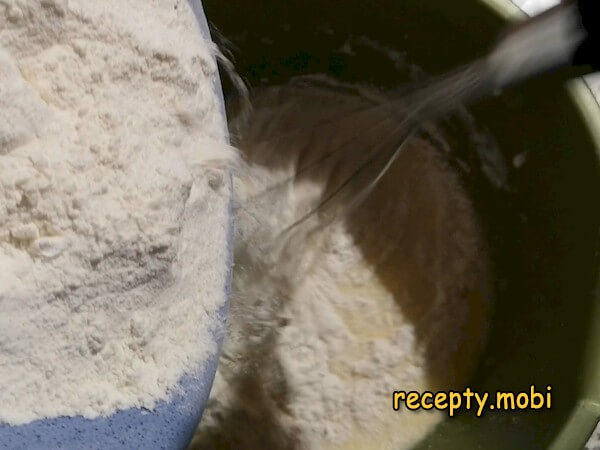
Rest dough 20 minutes (allows gluten relaxation + initial soda-acid activation).
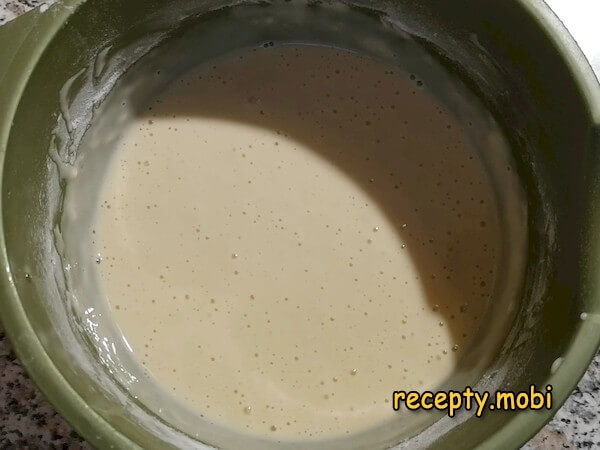
After 20 minutes, pour 1 cup BOILING water into the dough; mix immediately. The hot water + soda + acid creates dramatic foaming reaction = the holes during cooking.
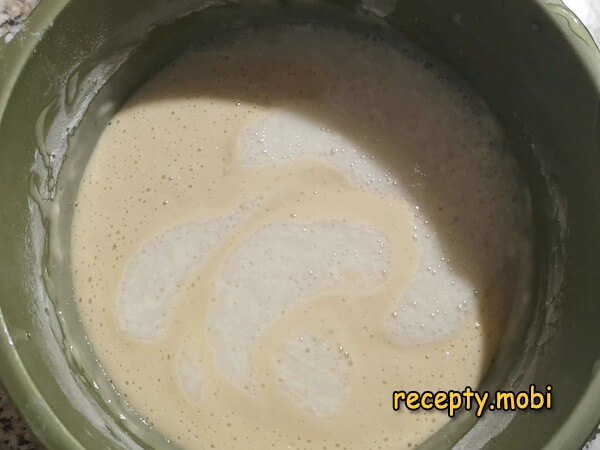
Add 2 tbsp vegetable oil; mix until smooth. Final batter consistency: thin, flows in thin stream from ladle.
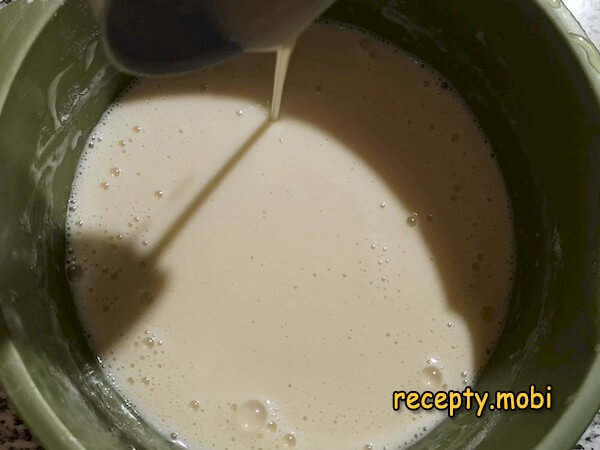
Heat skillet; lightly grease with vegetable oil. Pour batter; cook 1.5 minutes on medium heat (pancake covered with characteristic small holes).
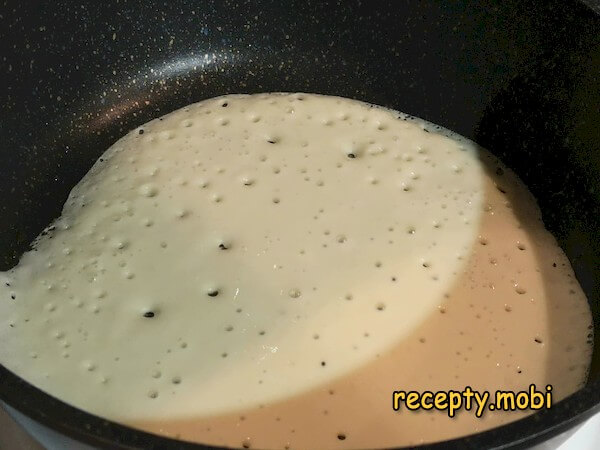
Flip; cook second side 30-40 seconds (briefer than first side).
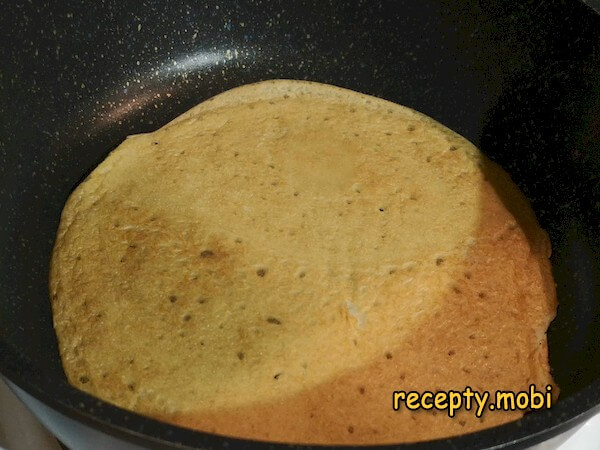
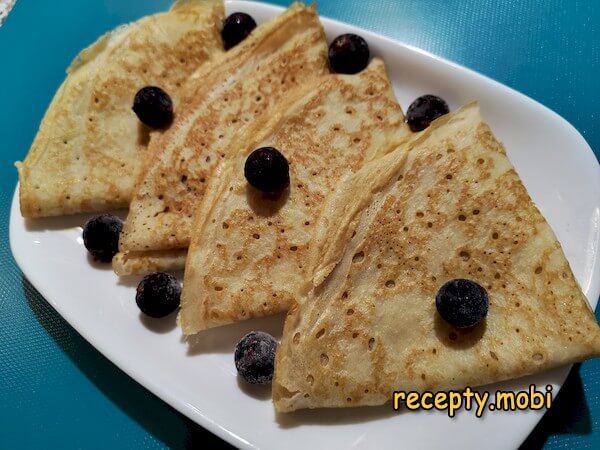
The pancakes are ready. Serve with jam, honey, sour cream, or any preferred topping. Enjoy.


Tips
- 1
THE BOILING-WATER ADDITION CREATES THE HOLES. Step 7's "boiling water into the rested dough" is the recipe's signature technique. Cold-water versions: weak reaction, few holes. Hot-water versions: vigorous CO2 release, dramatic holes. The 1 cup boiling water also doubles the batter's volume — produces thinner pancakes from the same flour quantity. Same hot-water-shock principle works in many "lacy pancake" traditions worldwide. Pour boiling water IMMEDIATELY (not lukewarm) for maximum hole formation.
- 2
THE 20-MINUTE REST IS NON-NEGOTIABLE. Step 6's rest period serves two purposes. First: gluten relaxation (produces tender pancakes vs tough). Second: initial soda-acid activation (the soda starts reacting with sour milk's acid during the rest, building bubble structure). Without rest: tougher pancakes with fewer holes. With rest: tender + lacy. The 20-minute timing is calibrated. For another whey-based pancake variation worth comparing, see Pancakes with kefir and milk with holes (thin).
- 3
THE FIRST-SIDE-LONGER TIMING. Step 9-10's "1.5 minutes first side, 30-40 seconds second side" timing is precision. The first side develops hole pattern + golden colour (longer cooking); the second side just finishes the cooking + brief golden touch (shorter). Equal-time-both-sides: produces over-cooked dry pancakes. The asymmetric timing preserves the hole-pattern aesthetic AND optimal moisture. Same principle applies to most pancake/crepe traditions worldwide.
- 4
THE NATURALLY-SOURED-MILK ADVANTAGE. The recipe's "milk soured without commercial starter" instruction is precision. Naturally soured milk: complex bacterial cultures from environment, deeper flavour, varied acidity. Commercial buttermilk/kefir: standardised but slightly less complex. Both work; natural produces marginally better pancake flavour. To make sour milk: leave fresh milk on counter 1-2 days until thickened + tangy. Don't use commercial preservative-treated milk (won't sour properly). Russian/farm-style fresh unhomogenised milk sours fastest. For another mineral-water pancake variation worth trying, try Pancakes on Mineral Water and Milk.
Video
FAQ
Can I substitute kefir for sour milk? +
Yes — kefir is the most direct substitute. Use the same 1 cup quantity. Kefir produces nearly identical results: similar acidity for soda reaction, similar texture in finished pancakes. Other working substitutes: buttermilk (excellent), thick yogurt thinned with water (good), regular milk + 1 tbsp lemon juice (acceptable, "soured" within 5 minutes). The sour-acid component is what matters; specific dairy form is flexible. Avoid: regular milk alone (no acid, won't react with soda properly).
Why don't I see the holes during cooking? +
Three common causes. First: pan not hot enough (bubbles dissipate before forming holes). Solution: pre-heat thoroughly; test with small drop of batter (should sizzle vigorously). Second: insufficient soda or wrong soda (some "baking soda" products are weaker than others). Solution: ensure full 1 tsp level baking soda from fresh package. Third: insufficient acid in the milk (not actually soured). Solution: ensure milk has tangy taste before using; if not, add 1 tbsp white vinegar or lemon juice. Fourth: batter too thick. Solution: ensure batter flows in thin stream from ladle.
Can I make these savoury? +
Yes — easily. Reduce sugar to 1 tsp (just enough to balance the savoury character without making the pancakes sweet). The pancakes themselves are neutral when modified — pair with savoury fillings: minced meat + onion, mushrooms + cheese, smoked salmon + cream cheese, scrambled eggs + bacon. The savoury filled pancakes (Russian "blinchiki") are a classical Russian/Eastern European preparation. The thin lacy texture works beautifully for both sweet and savoury filling applications. Make a triple batch + freeze; use for stuffed pancakes throughout the week.
How do I store and reheat? +
Refrigerated stack: 3-4 days. Freeze for 3 months (use parchment between each pancake). Reheating options: brief microwave (10 seconds per pancake), dry skillet 15 seconds per side (no oil — refreshes texture), oven 5 minutes at 150 °C for whole stack. Don't reheat in oil (drys + adds unnecessary fat). Pancakes for filling applications: reheat briefly first, then fill while warm + flexible. Cold pancakes are too rigid to roll without cracking.
- Comment
or post as a guest
Be the first to comment.