avg —
Tiramisu at Home (Classic Recipe)

Instructions
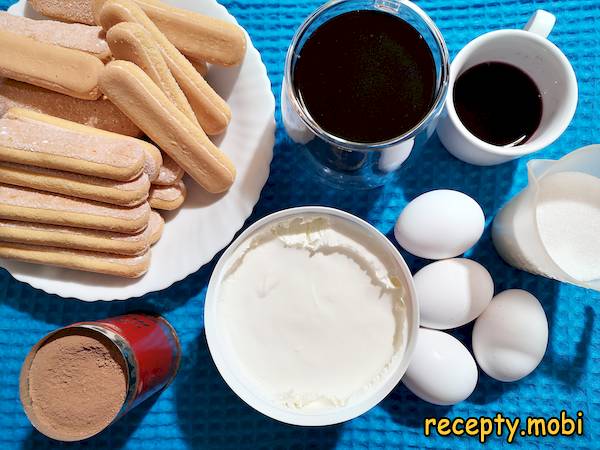
Gather all the necessary ingredients on a clean work surface for making Tiramisu at home using the classic recipe. Have everything measured and ready before you start the actual cooking process, since the assembly step moves quickly once the cream and the coffee are both properly prepared and ready to use.
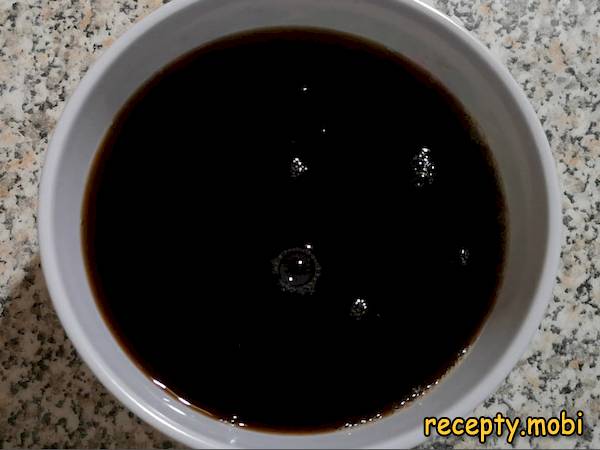
Mix 350 millilitres of cooled espresso coffee with 50 millilitres of Marsala wine in a wide shallow bowl. The bowl should be large enough to comfortably dip a savoiardi biscuit horizontally without bending or breaking it. The wine adds elegant adult notes but you can omit it entirely for a child-friendly version with absolutely no loss of charm.
Prepare the cream for the Tiramisu. Rinse the four chicken eggs thoroughly under cool running water, then crack them carefully and separate the yolks from the whites. Place the egg whites in the refrigerator until needed in a later step. Be very careful during separation: even a tiny trace of yolk in the whites will prevent them from whipping properly later.
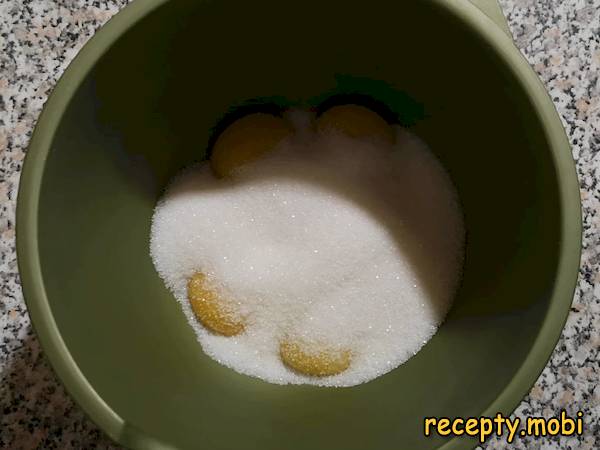
Add 150 grams of granulated sugar to the egg yolks in a separate mixing bowl. Granulated sugar gives the most reliable consistent results, though caster sugar or even fine icing sugar can also work well in this recipe if that is what you happen to have on hand at home today.
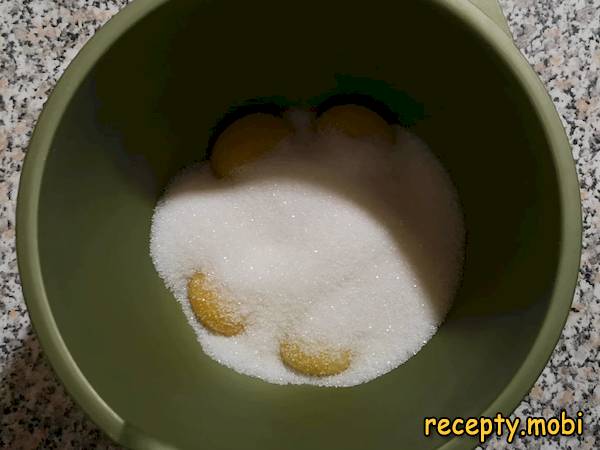
Whip the yolks with the sugar to a light pale consistency using any convenient method: an electric mixer, a stand mixer or even a hand whisk if you have plenty of patience and a strong arm. The goal is to dissolve the sugar completely and aerate the yolks into a thick pale mousse-like mixture.
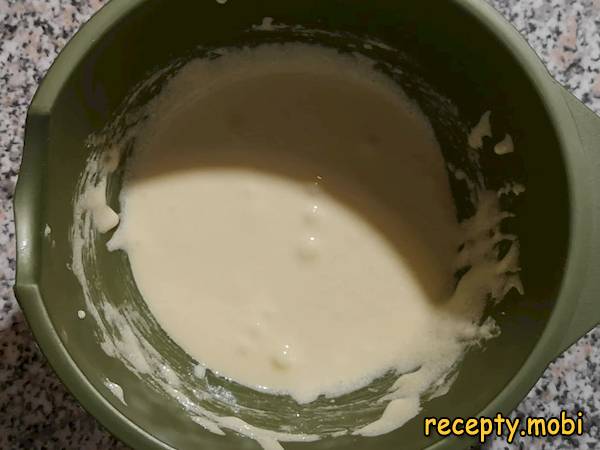
Add the mascarpone cheese to the whipped yolks with sugar. The mascarpone should be at cool room temperature rather than straight from the refrigerator, since cold mascarpone tends to clump and resist mixing smoothly into the whipped egg base.
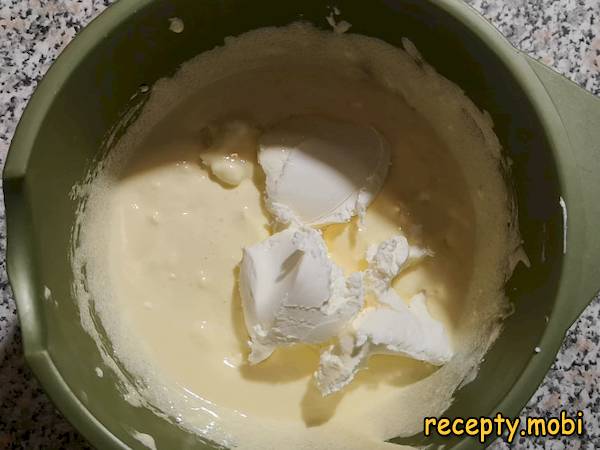
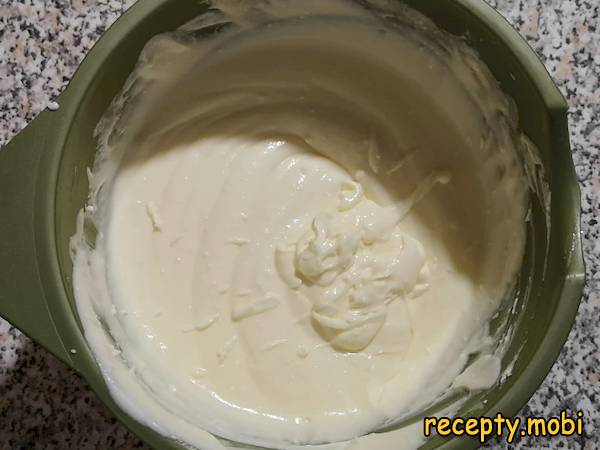
Mix the whipped yolks with the cheese until you have a uniform smooth mass. Quality mascarpone integrates easily into the egg base. If small lumps form, simply continue mixing for a little longer until the mixture turns completely smooth and homogeneous throughout.
Take the egg whites out of the refrigerator. Add a pinch of salt to the chilled whites. Cold egg whites whip up faster and to a more stable peak than room-temperature whites do, which is why the recipe deliberately keeps them cold until just before whipping.
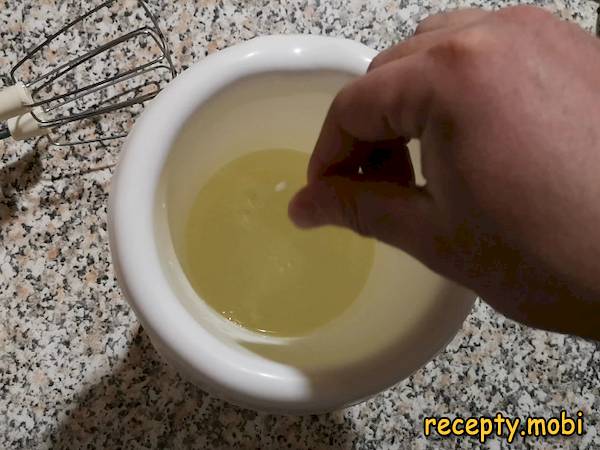
Whip the egg whites with a clean electric mixer until they form stiff peaks. To check if the egg whites are whipped enough, carefully turn the bowl upside down. Properly whipped egg whites will stay firmly in the bowl without sliding out at all, while underwhipped whites will slip out and make a mess.
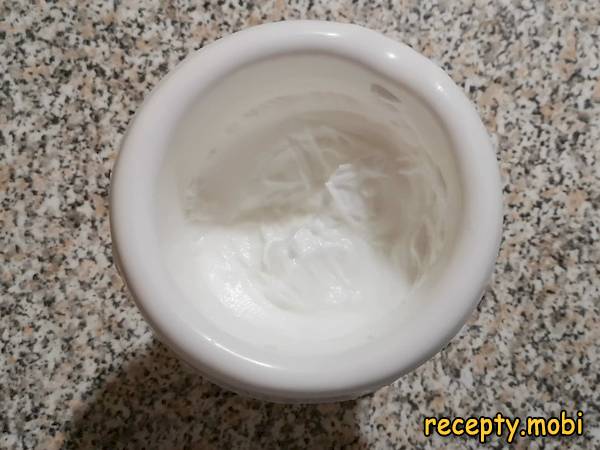
Gently fold the whipped egg whites into the yolk-and-mascarpone mixture in three separate additions. Folding rather than stirring keeps the air bubbles intact in the whites, which is what gives the finished Tiramisu cream its characteristic delicate airy texture in the dessert.
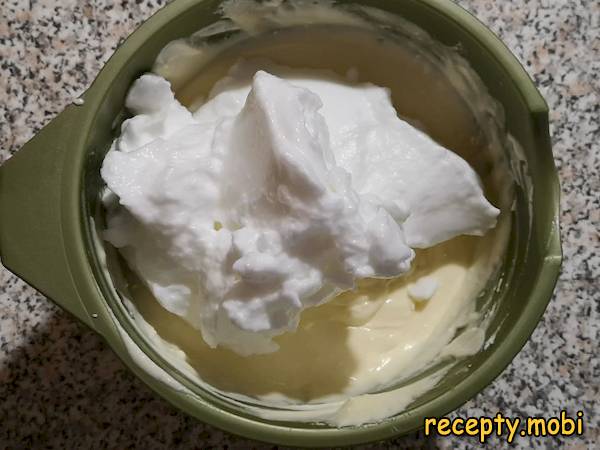
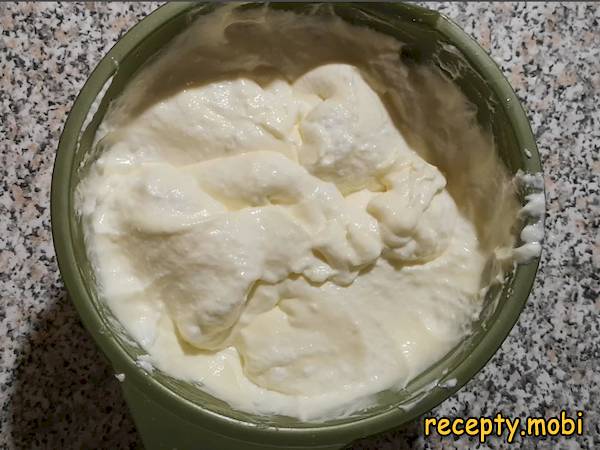
Use circular motions to gently lift the cream from the bottom of the container upward as you fold. Try to be as careful as possible to maintain the airiness of the whipped egg whites. The finished cream should be very tender, very airy and beautifully smooth, ready for the assembly step that follows next.
Begin building the classic Tiramisu. Take a single savoiardi biscuit and dip it completely in the coffee-and-wine mixture for one second, maximum two seconds. Quick dipping is essential, since over-dipped biscuits turn into mush in the assembled dessert.
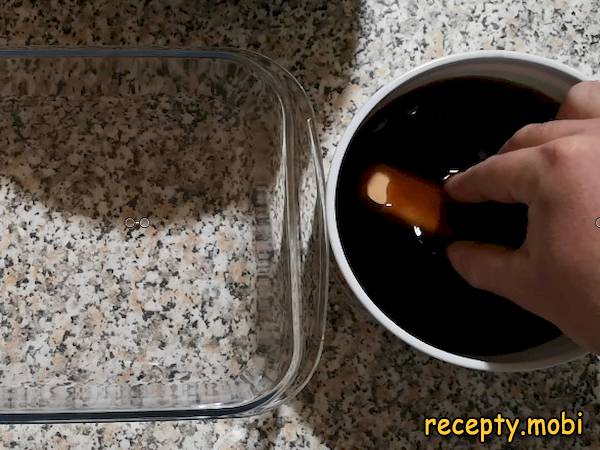
Quickly place the dipped biscuit in a suitable serving container, since dipped savoiardi soften rapidly in your fingers. Work briskly through the rest of the dipping and arranging steps to maintain the proper texture of each biscuit.
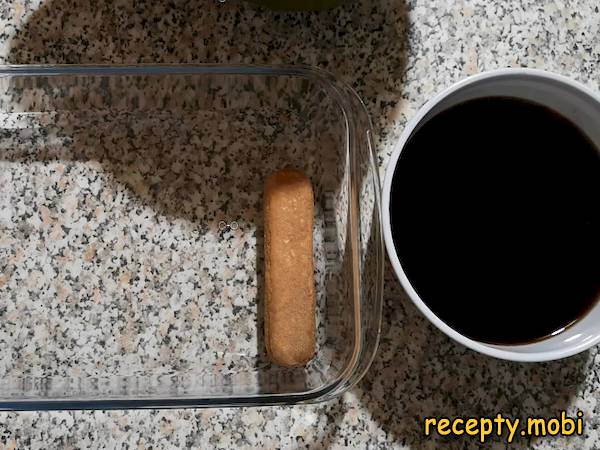
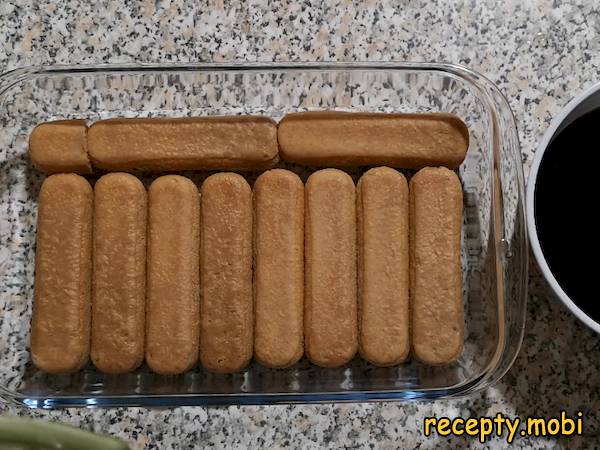
Continue dipping and arranging biscuits one at a time until the entire bottom of the container is fully covered with a single even layer of soaked savoiardi. The bottom layer forms the structural base of the finished Tiramisu and supports all the cream and biscuit layers above.
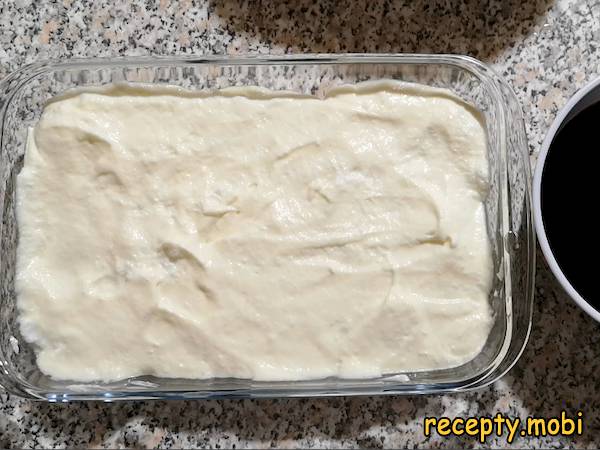
Spread a generous thick layer of the prepared mascarpone cream evenly over the layer of soaked savoiardi biscuits. Distribute the cream right to the edges of the container without leaving any gaps, since the cream layer must be at least as thick as the biscuit layer underneath for proper textural balance.
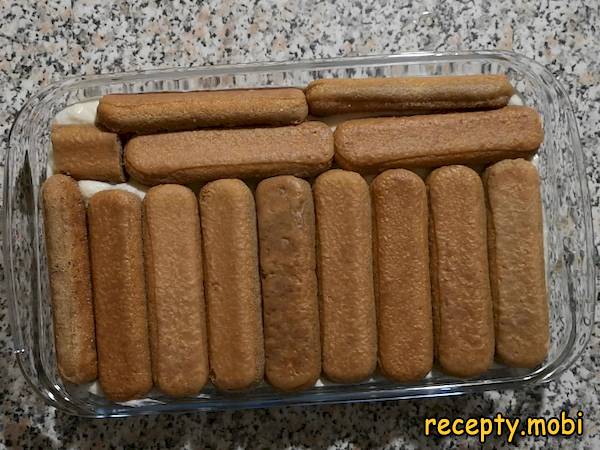
Add a second layer of dipped savoiardi biscuits on top of the cream. Dip and arrange the biscuits one at a time exactly as before, building up the second cookie layer to match the first one in coverage and thickness for a properly balanced final dessert.
Cover the second biscuit layer generously with a final layer of the airy mascarpone cream and smooth the surface flat with a small offset spatula. The top should be perfectly level, since this is the surface that will be dusted with cocoa and shown to guests at the table.
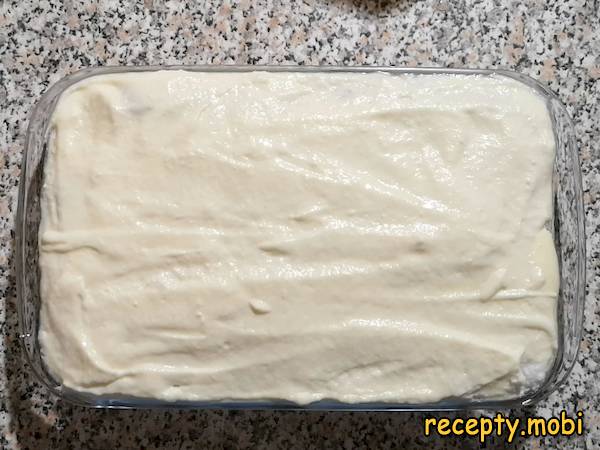
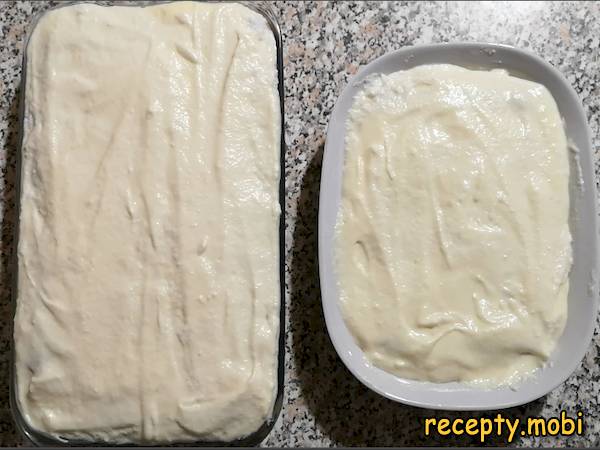
From the recipe quantities given above, two full forms of dessert can be assembled. The Tiramisu in the larger form turns out as a two-layered dessert, while in the smaller form it becomes a single-layered version. Place both forms in the refrigerator for at least 5 hours, ideally overnight for the best texture development.
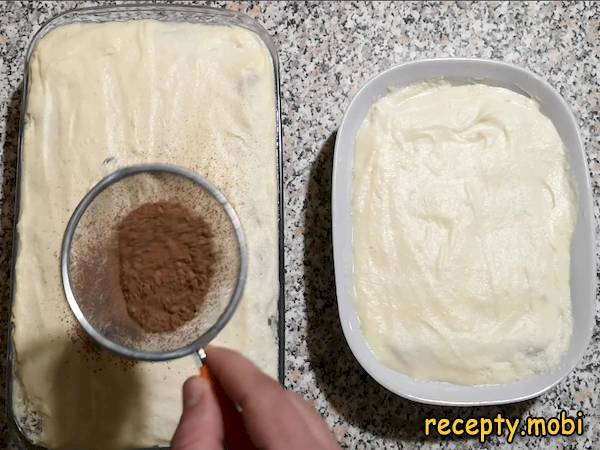
When the dessert has set fully in the refrigerator, take it out and dust the top generously with cocoa powder pushed through a fine sieve. The fine sieve produces an even snowy layer of cocoa, while a small flick of the wrist creates a more decorative dusted effect on the surface of the dessert.
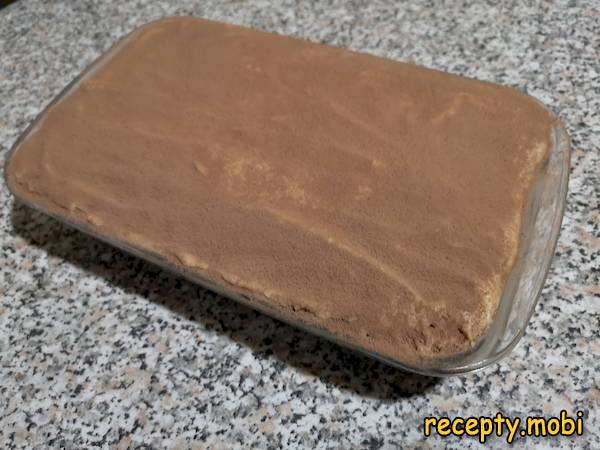
The classic Tiramisu recipe at home is now ready to serve. Cut the dessert into clean portions with a sharp knife dipped briefly in hot water and wiped dry between each cut. The cut must be careful, since the dish is very delicate and the layers can easily smear if cut too roughly. Bon appetit!


Tips
- 1
Use only the highest-quality mascarpone cheese you can find, since the cheese is the dominant flavour and texture in the finished dessert. Look for proper mascarpone with at least 80 percent fat content and no thickeners, stabilizers or vegetable oils in the ingredient list. Cheaper imitation versions tend to taste runny and bland and produce a noticeably less satisfying Tiramisu, so the genuine quality investment really pays off in the finished dessert.
- 2
Dip each savoiardi biscuit quickly rather than holding it in the coffee for any length of time, since one to two seconds is plenty for the firm cookie to absorb just enough liquid. To pair this classic Italian dessert with another beautiful Italian-inspired bake, try our beautifully creamy eggless tiramisu with cream and mascarpone as a safer alternative for guests avoiding raw eggs.
- 3
Brew genuine espresso coffee specifically for this recipe rather than using ordinary filter coffee or instant coffee crystals, since the strong concentrated flavour of espresso defines proper Tiramisu. If you do not own an espresso machine, a strong moka pot brew works as a reasonable substitute. Avoid weak diluted coffee at all costs, since it will produce a forgettable bland Tiramisu without the characteristic intense coffee notes.
- 4
Allow the assembled dessert to rest in the refrigerator for the full five hours called for in the recipe, ideally overnight for best results. For another classic Italian dish to serve before this dessert as a perfect celebration menu, try our beautifully fresh classic Caprese salad recipe for a properly authentic Italian dinner spread.
FAQ
Can I make Tiramisu without alcohol? +
Absolutely. Simply omit the Marsala wine or brandy and use plain espresso coffee for the dipping liquid. The dessert will still taste wonderful and is the safer choice for serving to children, pregnant women or anyone else avoiding alcohol entirely. You can also replace the alcohol with a splash of pure vanilla extract, almond essence or amaretto syrup for a different flavour note that still keeps the recipe completely alcohol-free for any audience.
How long does Tiramisu keep? +
Store the assembled dessert covered tightly with cling film in the refrigerator for up to three full days for best results. The flavours actually improve significantly on the second day as the coffee continues to soak into the cream and the cookies. Avoid freezing the assembled Tiramisu, since the delicate cream texture suffers badly during defrosting and the whole carefully constructed dessert turns into an unappetising soupy mess in the container.
Can I use raw egg substitutes for safety? +
Yes, several safer alternatives work well for the cream. Pasteurized egg whites and yolks from a carton remove any food safety concerns about raw eggs. Whipped cream folded into the mascarpone offers an egg-free alternative that closely approximates the texture of the original. Some cooks also gently cook the yolks with sugar over a double boiler to make a basic zabaglione before mixing with the mascarpone, which kills any bacteria while preserving the airy texture.
Why is my Tiramisu watery? +
A watery Tiramisu usually results from over-dipping the savoiardi biscuits in the coffee mixture. The biscuits should spend just one to two seconds in the liquid, no more. Longer dipping causes the biscuits to absorb too much coffee and release it back into the cream during the long resting time, producing the watery texture. Test-dip a single biscuit first to gauge the right timing for your particular brand of savoiardi before committing to the full batch.
- Comment
or post as a guest
Be the first to comment.