avg —
Tsvetaeva Apple Pie

Instructions
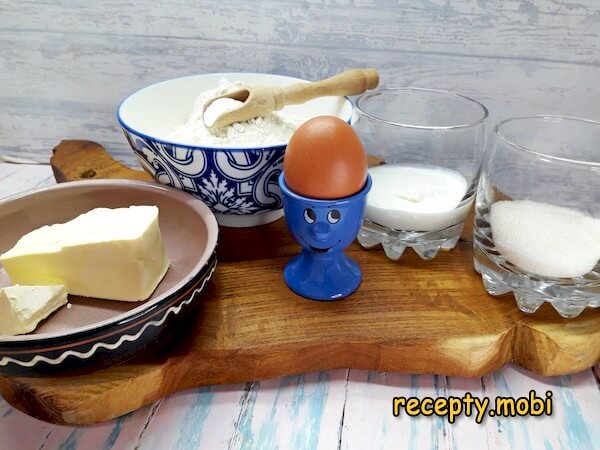
I prepare ingredients for crumbly shortbread dough. ALL components must be COLD (just from refrigerator).
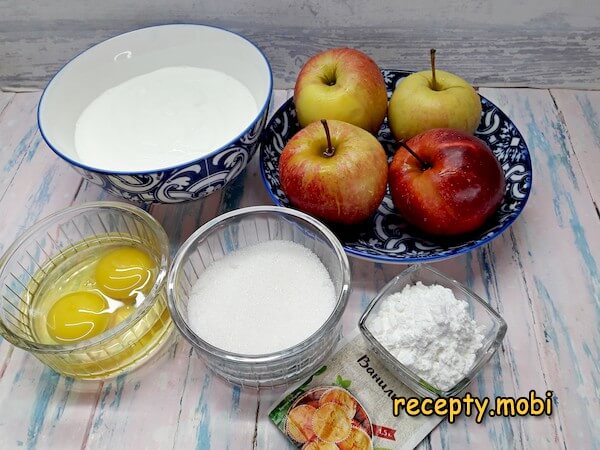
Also prepare products for sauce + fruit filling.
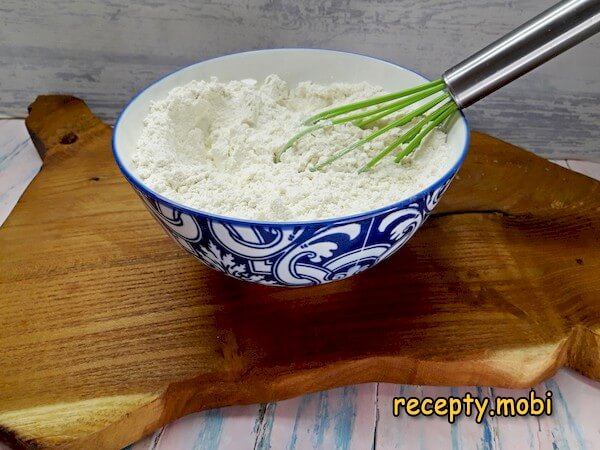
Sift flour with baking powder into separate bowl; mix.
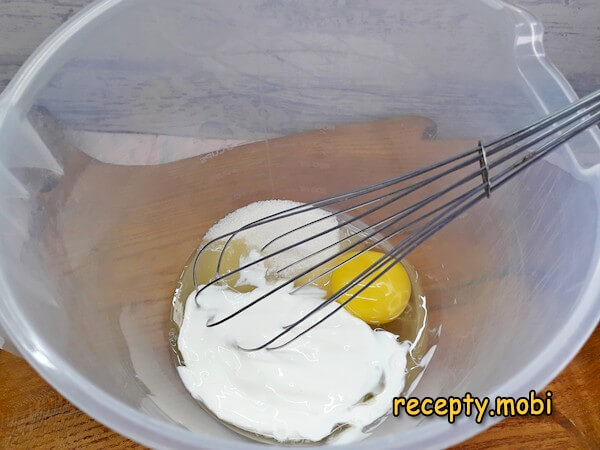
In another bowl: simply MIX sour cream + egg + sugar with whisk.
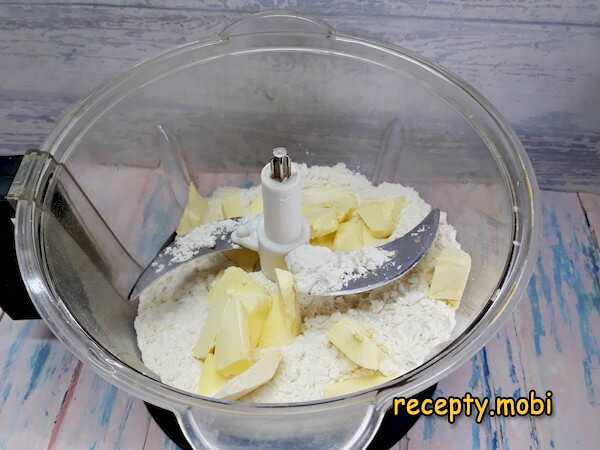
Now RUB flour with butter. Easiest method: chopper with rotating knives. Manual method: grate butter, sprinkle shavings with flour.
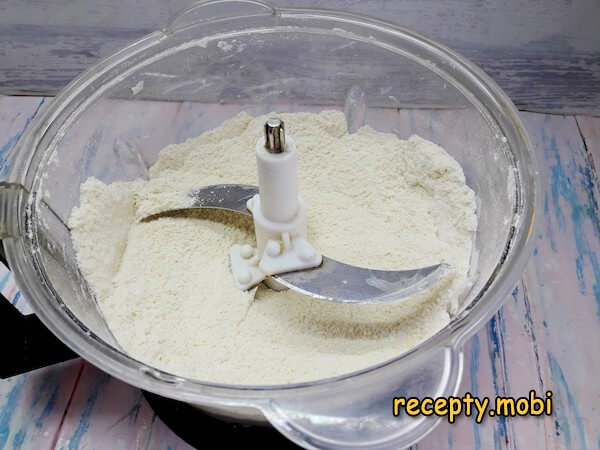
Result: very fine BUTTERY CRUMB.
Pour crumb into wet ingredients; mix briefly with spoon first.
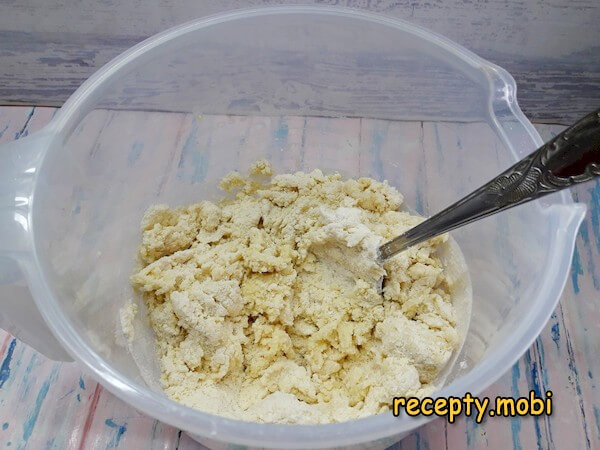
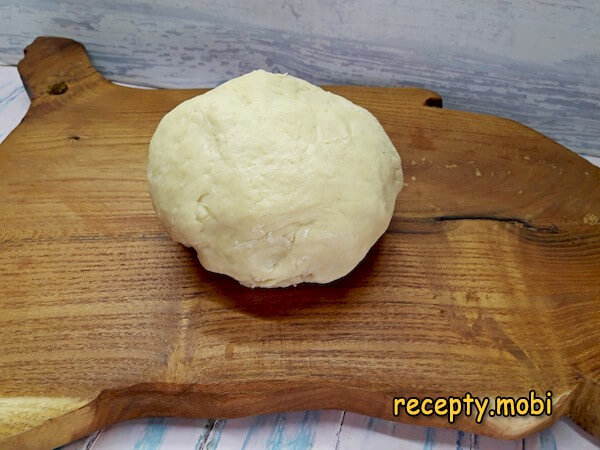
Finish kneading by HAND. KEY: don't prolong process (butter melts from hand heat). Just gather everything into non-sticky ball. If too sticky: add little flour (don't overdo — gluten forms in stiff dough = coarse-tough baking).
Line form with parchment if needed. Place flour mixture in center; press from center to edges; stretch dough across full diameter; raise 9 cm UP THE SIDES. While filling prepares: form goes to refrigerator + oven preheats to 180°C.
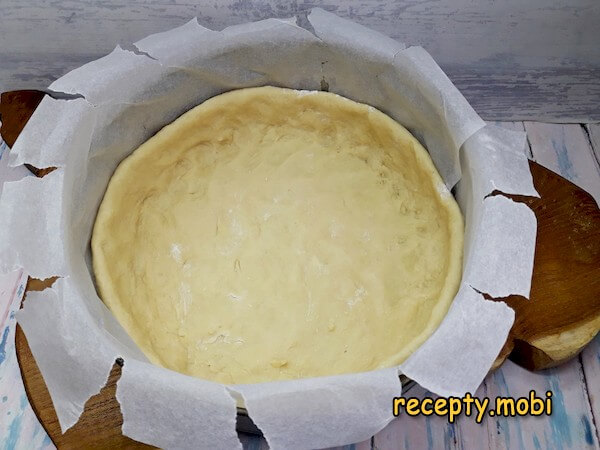
Whisk eggs + sugar + starch to homogeneous mixture.
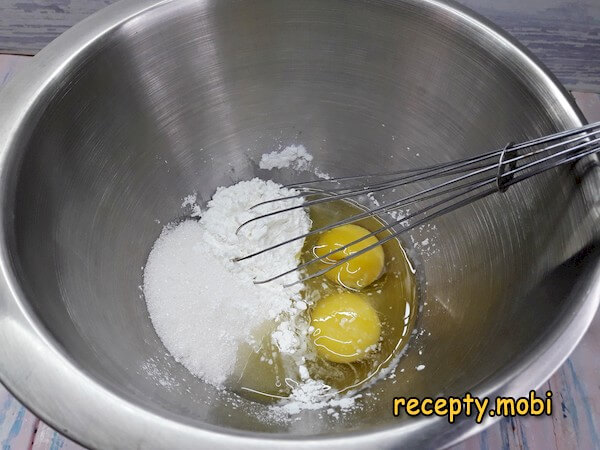
Add vanillin + sour cream. Final result: homogeneous SMOOTH sauce.
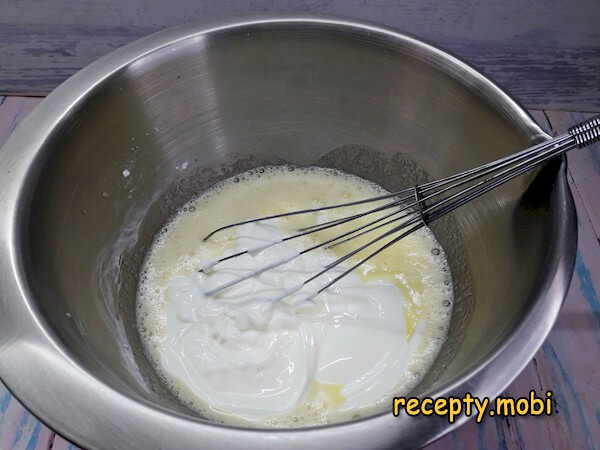
Peel apples (core + skin); cut into slices 2-3 mm THIN, no thicker.
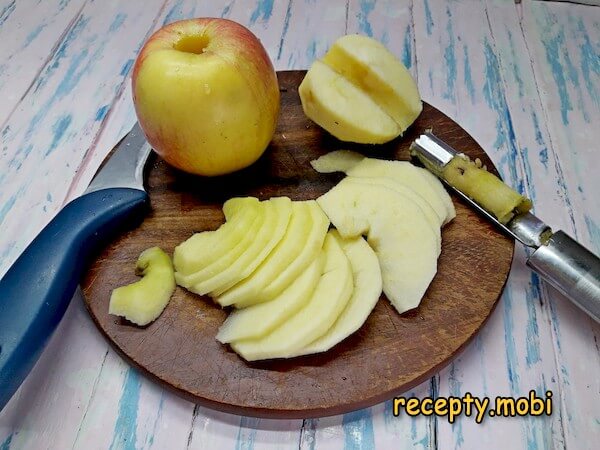
Take form with dough out of refrigerator. RANDOMLY distribute apple slices.
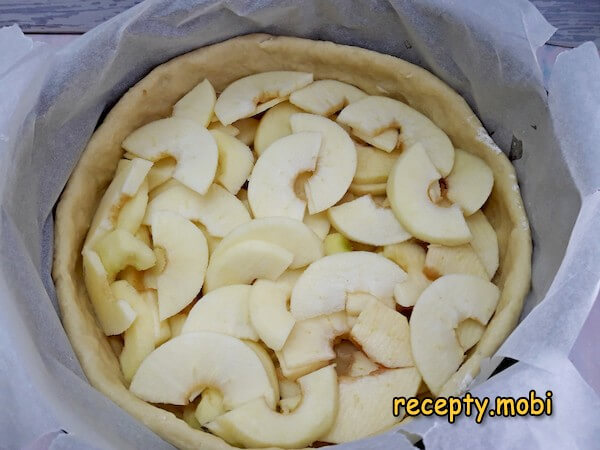
Pour SAUCE on top — fill all gaps; leave small margin to edge (filling rises slightly during baking).
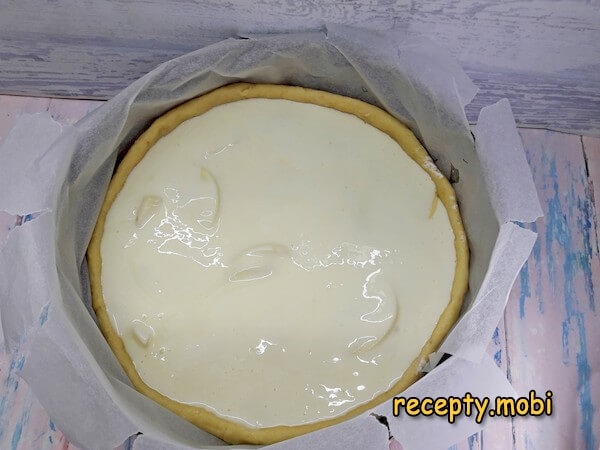
Bake mixture for ~50 MINUTES on middle rack at 180°C.
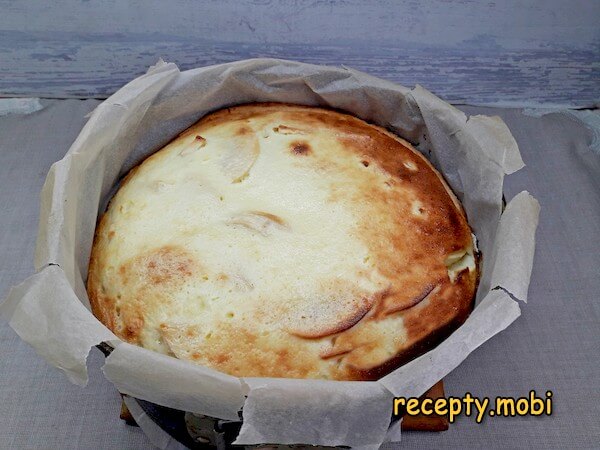
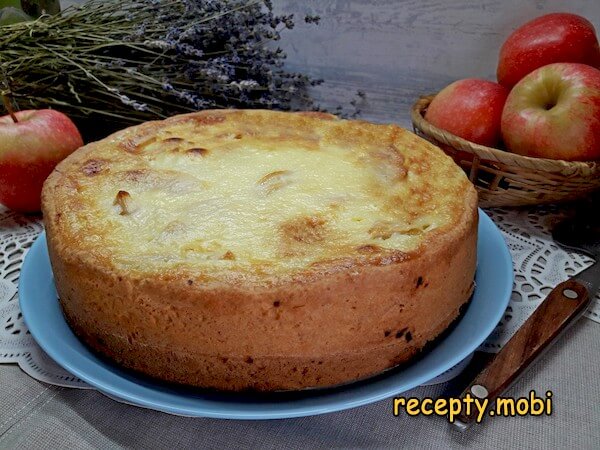
Remove Tsvetaeva Apple Pie from form AFTER cooling. While warm: sauce resembles soft sour-cream cream. After cooling: sauce becomes denser; dough stays crumbly + literally melts in mouth. Slice paired with hot tea + volume of good poetry — quite harmonious. Bon appétit!


Tips
- 1
THE FROZEN-BUTTER + COLD-INGREDIENTS RULE. Step 1's "ALL components COLD" is shortbread-defining. Frozen butter + cold flour + cold sour cream + cold egg: produces signature CRUMBLY texture. Warmer butter melts during mixing → gluten develops → tough doughy result. Cold-method preserves butter pieces as tiny pockets → during baking they melt + create flaky-crumbly texture. Same cold-method principle: French sablée, English shortbread, American pie crust. Don't shortcut: room-temperature butter ruins recipe entirely. The frozen-butter specification is intentional.
- 2
THE BAKING-POWDER + FLOUR SIFTING. Step 3's "sift with baking powder" achieves dual purpose. SIFTING: aerates flour (lighter dough texture) + removes lumps + uniformly distributes baking powder. Combined-sifting: ensures baking powder mixes evenly throughout flour (lumpy distribution = uneven rise). Same sifting principle: classic French gâteau, Russian + Soviet baking traditions. NO BAKING POWDER alternative: replace with 1 tsp baking soda + 1 tsp acidic component (vinegar/lemon juice). For tips on using soda + alternatives, see Baking Powder Substitutes.
- 3
THE 9-CM-RAISED-SIDES TECHNIQUE. Step 9's "raise 9 cm UP THE SIDES" is structural-critical. Tsvetaeva pie's signature CONTAINER shape: substantial dough walls hold abundant filling without leaking. Shorter walls (3-5 cm): filling overflows during baking, messy result. PROPER 9-cm walls: filling stays contained, beautiful presentation, classic pie shape. Press dough firmly into form sides — should be 0.5-1 cm thick walls. The form-diameter is also calibrated: 24 cm gives proper proportions; smaller form makes dome-shaped pie, larger makes thin underwhelming pie. Same dough-wall technique: galette, traditional fruit tarts.
- 4
THE WARM-VS-COOLED PIE CHARACTER DIFFERENCE. Step 16's two-state observation is genuine recipe character. WARM PIE (just-baked, 30 min cooling): sauce resembles soft custard, fills mouth in creamy way, dough hot + crumbly. COOLED PIE (4+ hours room temp or refrigerated): sauce sets to denser cheesecake-like texture, dough crumbly + delicate. Both are recipe-correct — different pleasures. Russian tradition: serve warm for family lunch, cooled for guest tea. For another classic Russian-tradition apple dessert worth trying, try Charlotte Classic.
FAQ
Why is my dough too sticky? +
Common shortbread issue with several causes. CAUSE 1: butter not cold enough (warmed during processing). SOLUTION: refrigerate dough 30 min before pressing into form. CAUSE 2: too much sour cream proportion. SOLUTION: add 1-2 tbsp flour gradually until dough holds. CAUSE 3: high humidity day. SOLUTION: extra refrigeration time + flour-dusted hands during pressing. CAUSE 4: wrong flour type (low-gluten flour = sticky). SOLUTION: use standard all-purpose. The dough should be soft but non-sticky to touch — gather into ball without flour transfer to hand.
What apple varieties work best? +
Sour-tart varieties produce optimal flavor. ANTONOVKA (traditional Russian): sharp + aromatic, recipe-canonical. GRANNY SMITH: most accessible Western, similar acidity. BRAEBURN, CORTLAND: medium-sour + holds shape during baking. AVOID: sweet apples (Red Delicious, Gala, Fuji) — produce sickly-sweet pie that masks sour-cream sauce. The sour-apple acid + dough sweetness + creamy sauce = signature Tsvetaeva balance. Apple slicing: 2-3 mm thin allows even cooking + dense layering. Thicker slices: undercooked apple-pieces in finished pie.
How long does it keep? +
Refrigerated, covered: 4-5 days at peak quality. Day 1: warm-soft sauce stage. Day 2-3: PEAK CHEESECAKE-LIKE texture (sauce fully set, flavor integrated). Day 4-5: still excellent, dough slightly drier. FREEZER: works (2 months) — freeze whole or in slices, thaw refrigerated overnight. Don't reheat in microwave (sauce overcooks). Pro-tip: serve refrigerated cold — stays gorgeous for days. Storage tip: cover loosely with foil (tight wrap creates condensation that softens dough).
Can I substitute sour cream? +
Several options work. THICK GREEK YOGURT (full-fat): closest match, slightly tangier, modern alternative. CRÈME FRAÎCHE: Western European equivalent, identical function. RICOTTA + LEMON JUICE: lighter version, slightly different texture. MASCARPONE: richer + sweeter, dessert-oriented. AVOID: low-fat sour cream (sauce won't set properly) + cream cheese (too heavy). The 15-20% sour cream is calibrated for proper sauce density. Russian sour cream is denser than American — Western cooks may need to drain Greek yogurt overnight to match. Function: rich-tangy creamy binder.
- Comment
or post as a guest
Be the first to comment.