avg —
Tuscan Soup with Minced Meat

Instructions
I prepare the ingredients to have everything ready. Any minced meat works, but the original Tuscan recipe uses VEAL only — that's the most authentic choice. Pork+beef mix (this recipe's specification) is the popular Russian-market adaptation. Italian herbs mix (oregano, basil, rosemary, thyme blend) adds the dish's characteristic aroma.
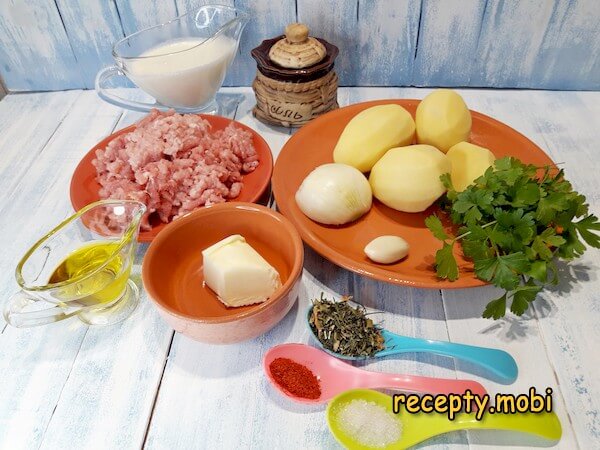
Begin with sautéing the meat. Heat olive oil in a wide skillet over medium-high heat.
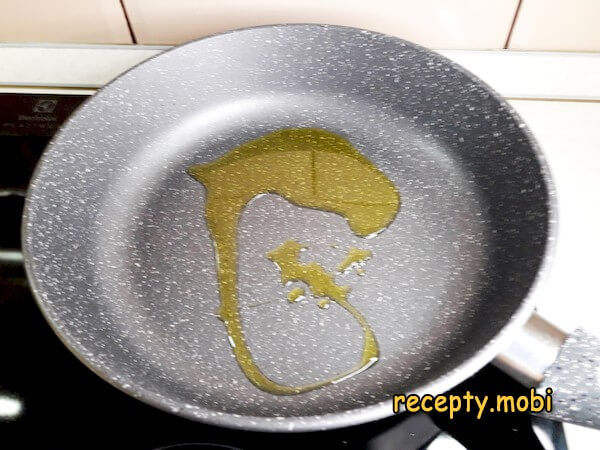
Add the minced meat. Use a spatula to break apart any large clumps. Stir frequently to ensure even browning. Continue 5 minutes for proper Maillard development on the meat surfaces.
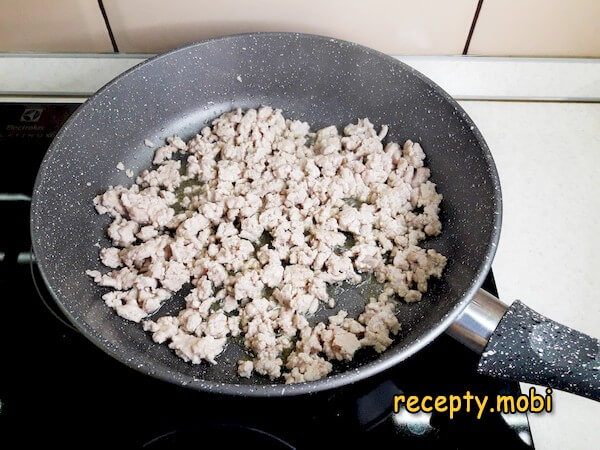
Add paprika, sugar, and a pinch of salt. The paprika provides colour and warmth; the sugar enhances Maillard browning and balances the savoury notes.
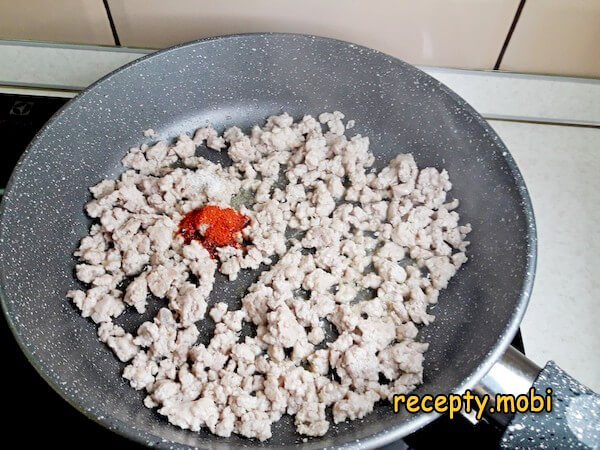
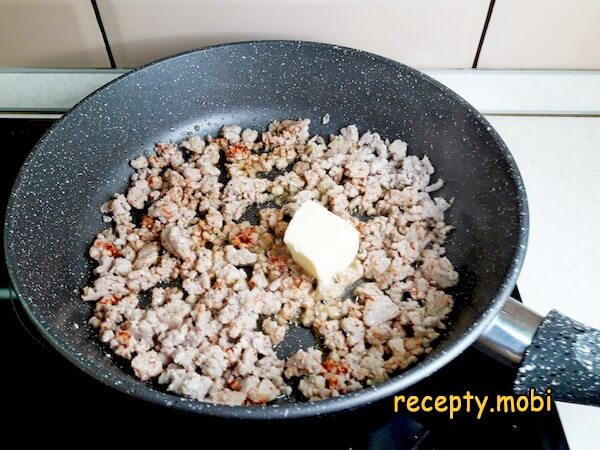
When the meat reaches proper browning, place butter on top and let it melt — this infuses buttery richness throughout the meat. Remove from heat.
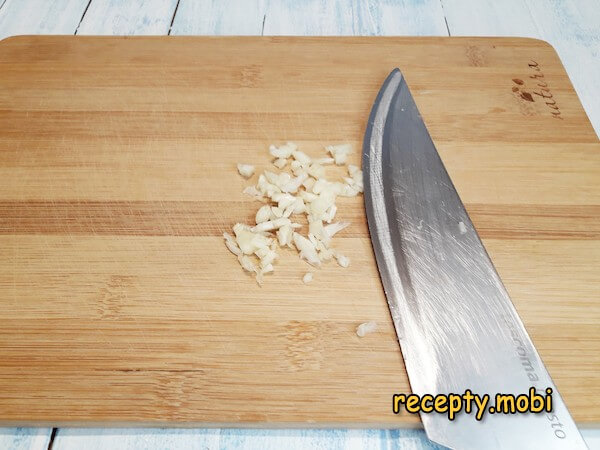
Mince garlic with a knife (hand-chopping releases more aroma than press-crushing).
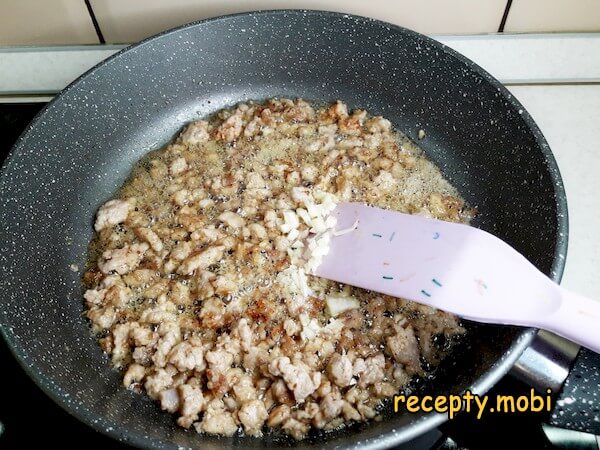
Add minced garlic to the warm meat — residual heat releases the garlic aroma without burning it. Set aside.
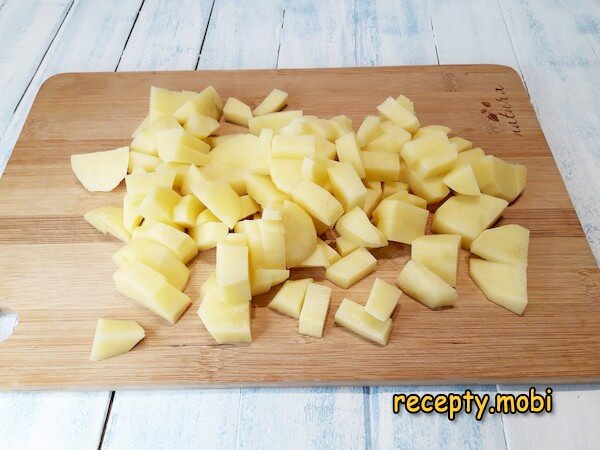
Cut potatoes into small dice (1 cm cubes) for fast cooking through.
Place diced potatoes + onion (whole or roughly chopped) in a pot. Pour in 500 ml water — just enough to barely cover. CRITICAL: too much water at this stage makes pureeing difficult later (splashes, dilutes flavour). The minimal-water approach concentrates the eventual potato puree.
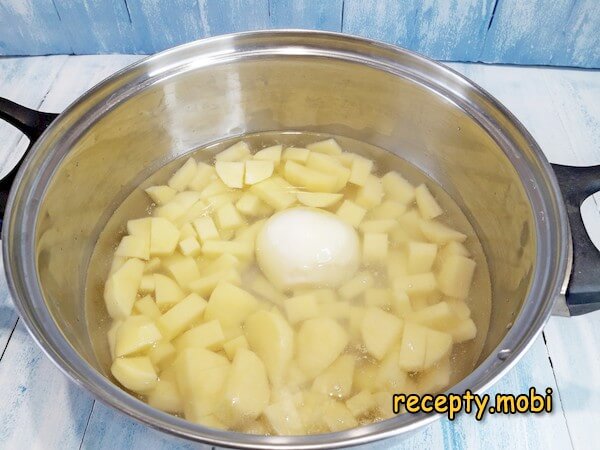
Place pot on heat. Skim foam as it forms during heating. Cook potatoes 15-20 minutes until soft (testing with a fork).
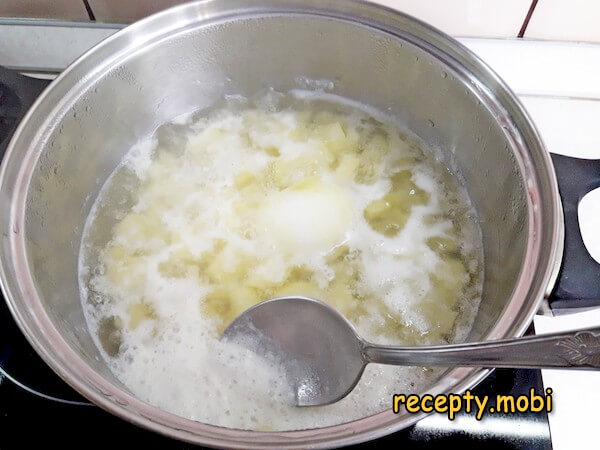
At the very start of boiling, add the Italian herbs and a pinch of salt — early addition allows the herbs to infuse the cooking liquid.
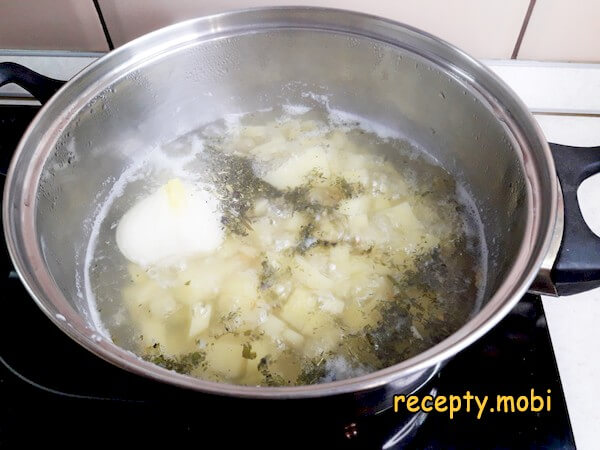
When potatoes are fully soft, blend with an immersion blender directly in the pot — produces uniform smooth puree. Stand-blender users can transfer carefully but careful immersion is faster.
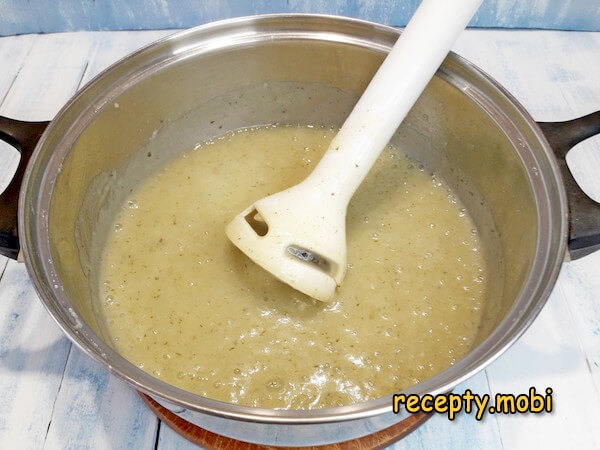
Return pot to stove. Add the remaining water (500 ml) to thin the puree to soup consistency.
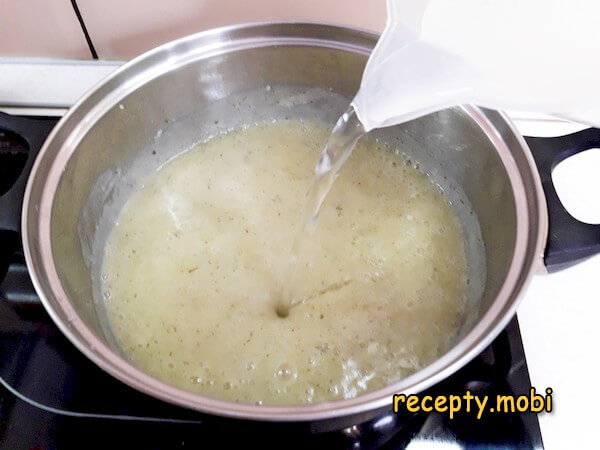
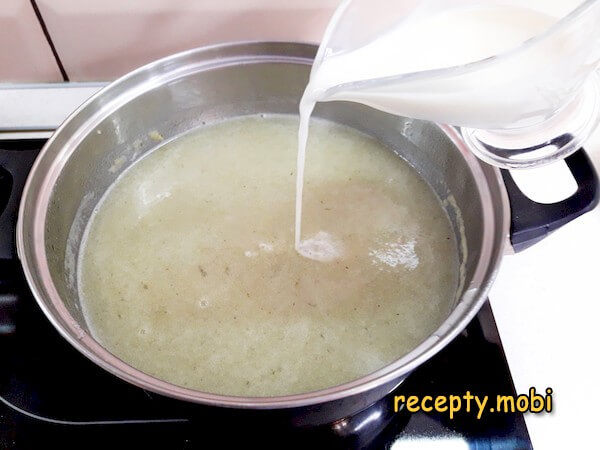
When soup returns to boiling, pour in the cream. Stir thoroughly. Final salt-to-taste adjustment now (informed by the actual flavour balance).
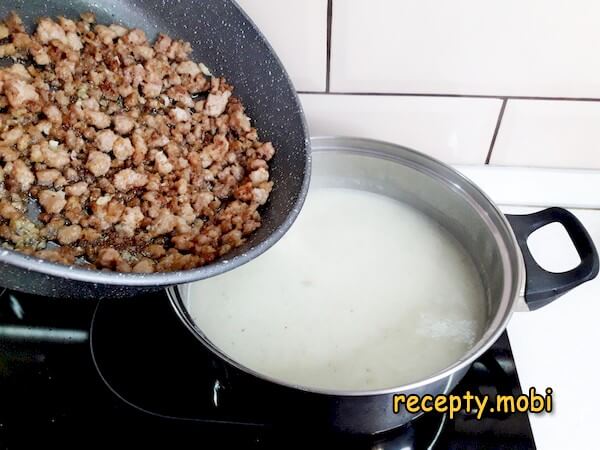
Add the previously prepared sautéed minced meat (with garlic and butter) to the pot. The meat brings its developed Maillard flavour into the cream-potato base.
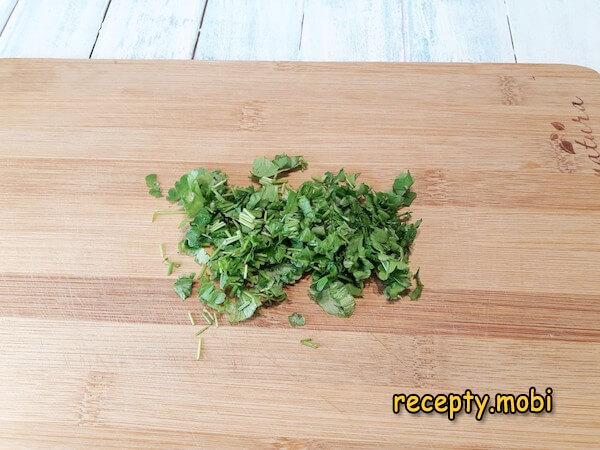
While the soup heats through, finely chop fresh parsley.
Add chopped parsley to the pot.
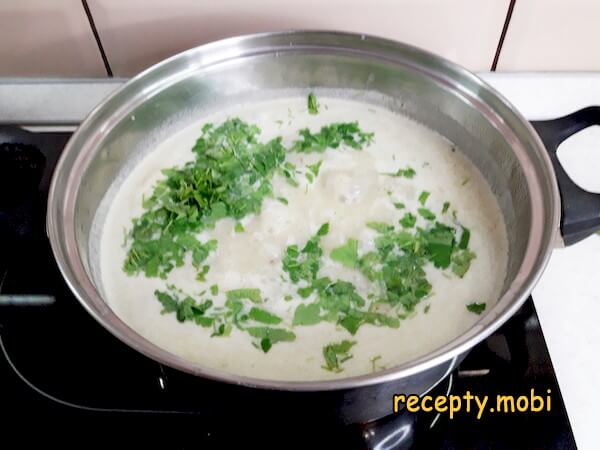
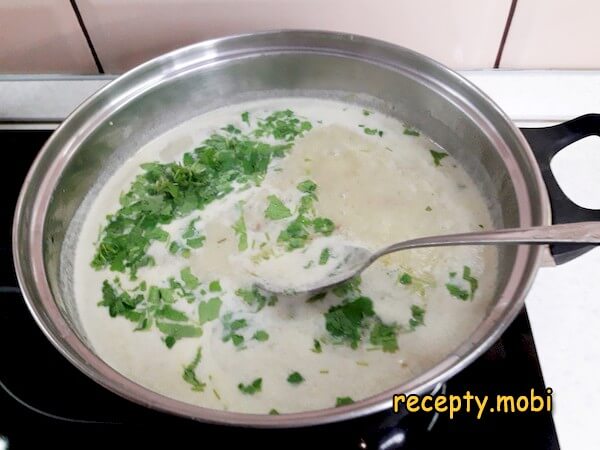
Boil 3-4 minutes after the soup returns to boiling. Remove from heat.Serve Tuscan meat soup HOT. Traditional Italian presentation: place a lettuce leaf in the bowl, ladle hot soup on top, finish with toasted crouton cubes. Original, refined, deeply flavourful — a soup made from simple ingredients but tasting genuinely sophisticated. Excellent both for family dinners and dinner-party first courses.


Tips
- 1
THE TWO-STREAM COOKING IS REFINED TECHNIQUE. The recipe's separation of meat-sauté and potato-boil into distinct streams (joining only at the end) is what elevates this beyond a one-pot soup. The meat develops rich Maillard browning that wouldn't occur in a watery soup environment. The potatoes develop pure clean potato flavour without meat-juice contamination. Combining them at the end produces layered complexity. Same principle applies to many sophisticated soup traditions (French velouté, Vietnamese pho).
- 2
THE MINIMAL-WATER POTATO BOIL IS PUREE STRATEGY. Step 9's "just barely cover" instruction prevents downstream problems. With excess water during boiling: the puree becomes too thin, requires extended reduction, dilutes flavour. With minimal water (this recipe): concentrated potato flavour, easy pureeing, then water-thinned at the right ratio. Same principle applies to all puree-based soups (cream of mushroom, butternut squash, etc.). Always boil the puree-base ingredients in minimal water, dilute later. For another Italian-influenced soup with complex layering, see Soup with Pork Ribs and Fluffy Dumplings.
- 3
THE BUTTER-MELTED-ON-MEAT IS FLAVOUR INFUSION. Step 5's "place butter on hot meat to melt" technique is precision. The butter melts INTO the meat (rather than being dispersed in liquid), coating each meat particle with butterfat. The butter's milk solids contribute roasted-nutty notes (Maillard products from butter). The result: meat that tastes more luxurious than raw plus oil cooking provides. Don't skip this step or substitute oil — butter's specific flavour compounds are the goal. The 25 g butter quantity is calibrated for the 300 g meat ratio.
- 4
THE CREAM IS NON-NEGOTIABLE FOR TUSCAN STYLE. The 90 ml cream (15%+ fat) is what makes this distinctly "Tuscan" rather than just "potato meat soup". Cream contributes silky body, richness, and the slight sweetness that balances the herb-paprika-meat savoury notes. Substitutes that work: half-and-half (lighter result), full-fat coconut milk (vegetarian variation, slight coconut note), milk + 1 tbsp butter melted in (poor man's cream). Don't omit the dairy fat element entirely — produces watery thin soup unsuitable for Tuscan-style classification. For another comforting noodle-and-meat soup worth trying, try Meatball and Noodle Soup.
FAQ
Is this actually traditional Tuscan? +
The name suggests Italian heritage but the recipe is Russian-Italian fusion. Authentic Tuscan minestrone (the closest classical analogue) is a clearer brothy vegetable-bean soup, very different from this creamy potato-meat version. The "Tuscan" branding is marketing — invokes the Italian region's reputation for refined cuisine. The actual recipe is a modern adaptation that combines Italian ingredients (Italian herbs, paprika, olive oil, cream-finished soup) with Russian comfort-food sensibilities (potato puree base, ground meat). The result is genuinely delicious despite the questionable "Tuscan" provenance — a culturally hybrid dish that works on its own merits.
What's the best meat for this? +
The original Italian recipe uses veal exclusively — most refined character, lighter colour, mild flavour that lets the cream and herbs shine. The Russian-adaptation pork-beef mix (this recipe) is heartier, more affordable, slightly more flavourful but less elegant. Other options that work: pure beef mince (richer flavour), lamb mince (Mediterranean character, more pronounced), turkey mince (lean alternative), Italian sausage with casings removed (most flavour-loaded option, technically not "veal" but excellent). Choose based on what's available and family preference; veal is the gold standard for authentic Italian flavour.
Can I make this dairy-free? +
Yes — multiple plant-based adaptations work. Replace butter (25 g) with olive oil (15 g extra) or vegan butter. Replace cream (90 ml) with: full-fat coconut cream (slight coconut note), oat cream (neutral character), or cashew cream (soaked cashews blended with water). The texture stays similar; flavour shifts subtly. Coconut cream is most decadent; oat cream most neutral; cashew cream the cleanest. For full vegan: replace meat with crumbled tempeh + miso paste for umami.
Can I add other vegetables? +
Yes — additional vegetables enhance the dish nicely. Best additions: 1 medium carrot (added with potato, blended together — adds sweetness and colour), 1 stalk celery (classic Italian aromatic, added with potato), 1/2 leek (replaces or supplements the onion, more refined flavour), spinach leaves (added at step 17 with parsley, adds green colour). Avoid: tomatoes (changes the soup's character entirely toward minestrone), root vegetables that break down differently than potato (sweet potato, parsnip — change colour and texture). The clean potato-meat-cream foundation is excellent on its own; additions should enhance, not overwhelm.
- Comment
or post as a guest
Be the first to comment.