How Long to Boil Chicken Gizzards Until Tender
Boil chicken gizzards at a gentle simmer for about 60-90 minutes until fork-tender. Large or older gizzards may need 2 hours or longer. Count from when the water begins to simmer, and check the thickest pieces reach 165°F (74°C) with a food thermometer.
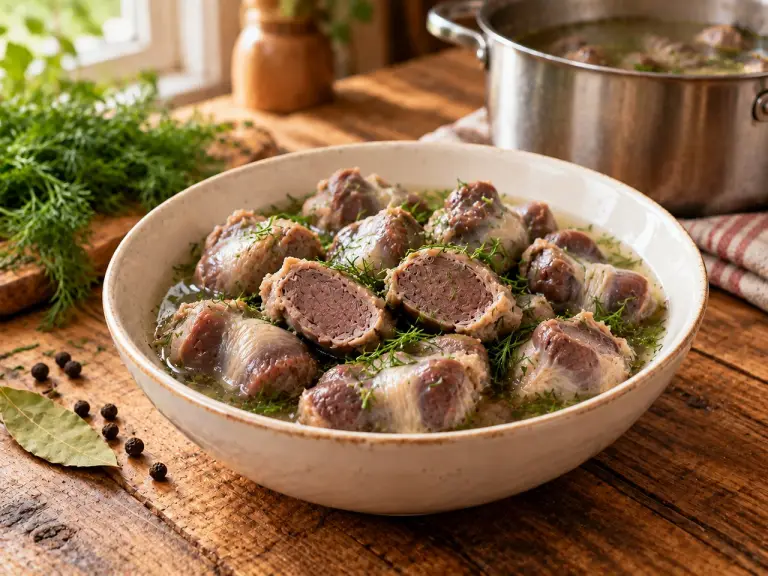
Chicken Gizzard Boiling Times Chart
For tender chicken gizzards on the stove, plan on 1-1.5 hours after the water reaches a gentle simmer. Size, trimming and the bird's age affect the result. Start checking around 60 minutes and keep enough hot water in the pan to cover the meat.
| Method or use | Time and doneness check |
|---|---|
| Whole, cleaned chicken gizzards | About 60-90 minutes at a gentle simmer; check tenderness |
| Large gizzards or older birds | Allow about 1.5-2 hours; some need longer |
| Before quick frying | Simmer until tender first, usually 60-90 minutes |
| For salads | Usually 60-90 minutes; cool promptly, then slice |
| For soup | Simmer the gizzards first; add vegetables when nearly tender |
| Pressure cooker / Instant Pot | 25 minutes at high pressure is one recipe example, not a rule for every cooker |
| Non-pressure multicooker | Use the stew programme instructions; check tenderness rather than relying on the timer |
| Turkey gizzards | Larger pieces can take longer; do not assume chicken timing |
| Frozen gizzards | Thaw in the fridge first, then use the chilled-gizzard method |
Safe is not the same as tender. Poultry giblets must reach 165°F (74°C) internally. A fixed number of minutes, meat colour or a fork test cannot confirm that temperature. Once the safety temperature is reached, continue simmering if the meat still resists a fork.
How to Choose Chicken Gizzards
- Choose cleaned gizzards. A pack with the inner lining already removed saves preparation time. Check for remaining lining, grit and hard connective tissue.
- Check the pack and date. Buy from a refrigerated display, keep the pack cold on the way home and follow its use-by date. Refrigerated raw giblets should normally be cooked within 1-2 days.
- Check for spoilage. Reject damaged or leaking packs, a sour smell or a slimy surface. Colour varies and is not enough to judge freshness; normal appearance does not prove meat is safe.
- For frozen packs, check storage. Choose a sealed pack that is still frozen solid. Heavy ice or clumped pieces can affect quality, but cannot by themselves prove the product was thawed and refrozen.
How to Clean Chicken Gizzards
This method is for shop-bought, cleaned chicken gizzards. Inspect them on a separate board before cooking; keep raw juices away from ready-to-eat food.
- Yellow inner lining. Lift any remaining edge with a small knife and peel it away. Do not confuse this firm inner lining with the pale connective tissue on the outside.
- Silverskin and gristle. Trim thick, very tough patches and excess fat. There is no need to remove every thin strand, but do not assume all outer tissue will soften equally.
- Size. Leave small cleaned pieces as they are. Halve unusually large pieces so that the batch cooks more evenly.
- Uncleaned gizzards. If they still contain grit or stomach contents, ask the butcher to clean them rather than treating them like ready-cleaned meat.
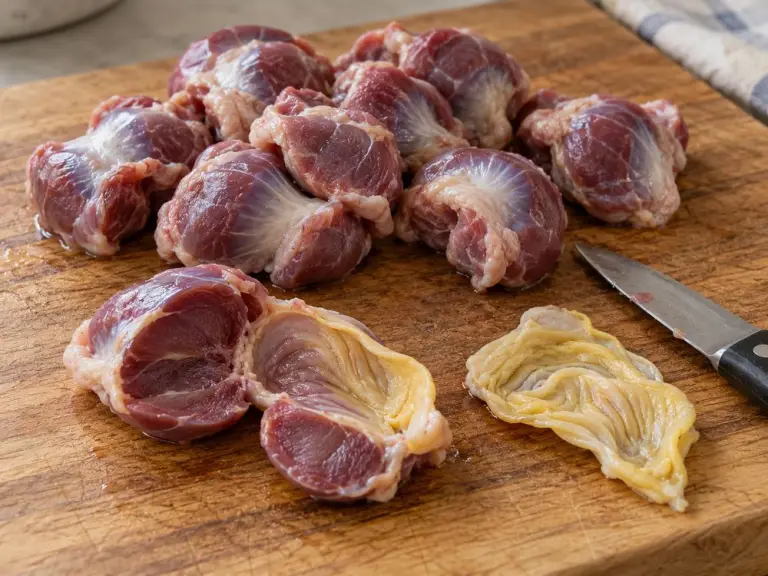
Do not wash raw poultry under the tap: splashes can spread bacteria. Washing or soaking does not replace cooking. Wash hands and clean the board, knife and work surface after handling the raw meat.
How to Boil Chicken Gizzards, Step by Step
- Put the cleaned, thawed gizzards in a saucepan. Add enough cold water to cover them by about 3-4 cm, leaving space at the top of the pan.
- Bring to the boil over medium heat. Skim off foam for a clearer broth, then reduce the heat.
- Keep a gentle simmer, with the lid slightly ajar. The liquid should bubble quietly, not boil violently. Add hot water if needed to keep the gizzards covered.
- For broth, add onion and carrot if you like. Bay leaf, peppercorns and salt are optional; use plain water if preparing an unseasoned batch.
- Start checking around 60 minutes. Use a food thermometer in the thickest pieces to confirm at least 165°F (74°C), and test separately whether a fork slides in easily.
- If safe but still chewy, simmer for another 15-20 minutes and check again. Many batches take 60-90 minutes; large or older gizzards can need 2 hours or more. Drain when tender, reserving broth if needed.
Discarding the first water is a flavour or appearance choice, not a substitute for cooking to a safe temperature. For a clear broth, skimming and a gentle simmer are useful without repeatedly changing the water.
Why Gizzards Turn Out Tough
- They need more time. Gizzards are dense muscle. Reaching the safe temperature does not mean their texture is tender. Give firm pieces more gentle cooking time.
- The batch is uneven. Check a large piece rather than judging the whole pan from the smallest one.
- Hard lining or gristle remains. Remove the inner lining before cooking and trim unusually tough outer patches.
- The pan is running dry. Keep the meat covered with liquid while simmering. Browning is a separate finishing step.
Soaking is not a reliable shortcut to a particular tenderness or a food-safety step. If you marinate for flavour, keep the meat refrigerated and still check temperature and texture during cooking. Avoid promising a fixed time saving from milk, vinegar or piercing with a fork.
How Long to Boil Gizzards Before Frying, for Salads and Soup
- Before quick frying: simmer until fork-tender first, usually 60-90 minutes, then drain and pat the cooked gizzards dry. A short fry adds colour; it will not reliably tenderise chewy meat.
- Before a long braise: follow the combined method in the chosen recipe rather than adding unrelated cooking times. Try chicken gizzard goulash or gizzards in cream sauce, checking the final texture.
- For salads: cook until tender, usually 60-90 minutes, then cool promptly in shallow containers. Slice when cool rather than leaving the whole pot on the counter.
- For soup: simmer the gizzards until nearly tender before adding vegetables. Add quick-cooking noodles near the end, as in chicken gizzard noodle soup.
- With hearts: hearts and gizzards may become tender at different times. Cook separately for easier control, or add the hearts later and check both types reach the poultry safety temperature.
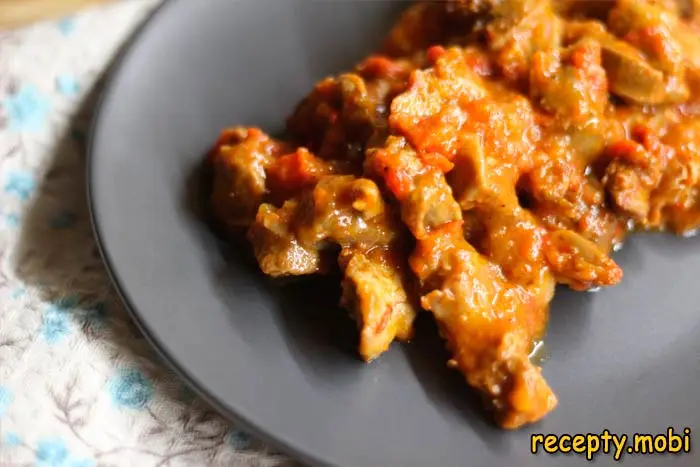
Chicken Gizzards in a Pressure Cooker or Multicooker
Pressure cooker / Instant Pot
A published Instant Pot method uses 25 minutes at high pressure. Treat that as a method-specific starting point, not a universal promise: piece size, load and cooker model matter. The timer excludes the time needed to build and release pressure.
- Use the minimum liquid, maximum fill level and release method specified for your cooker and recipe. A single water volume or release time does not suit every appliance.
- Never open the lid while the cooker is pressurised. Take particular care with foaming liquid and steam.
- After opening safely, check the thickest pieces reach 165°F (74°C). If they are safe but firm, cook longer using the appliance instructions, or simmer uncovered until tender.
Non-pressure multicooker
A programme called "Stew" is not automatically a pressure-cooking programme. Follow the manual, start with thawed gizzards and check both temperature and tenderness. Do not open a sealed pressure programme to skim foam. If your model cooks at an ordinary simmer, expect a longer process than high-pressure cooking.
How Long to Boil Chicken Gizzards for Dogs and Cats
If your vet recommends gizzards for your pet, cook a separate plain batch without salt, onion, garlic or spices. The same temperature check applies; tenderness commonly takes 60-90 minutes at a gentle simmer. Cool and cut the meat to a suitable size. Gizzards alone are not a complete diet, so ask your vet about portions and suitability.
Storing Raw and Boiled Gizzards
- Raw: keep refrigerated at 40°F (4°C) or below and use within 1-2 days, respecting an earlier use-by date. Freeze if you will not cook them in time.
- Thawing: thaw in the fridge, not on the counter. Allow extra time for a solid pack. Do not assume every frozen batch needs only a fixed extra 20-30 minutes of cooking.
- After cooking: divide into shallow containers and refrigerate within 2 hours, or within 1 hour in temperatures above 90°F (32°C). Do not wait for a large pot to become completely cold.
- Leftovers: USDA guidance allows 3-4 refrigerated days; UK guidance is more cautious at 48 hours. For a simple cautious household plan, eat within 48 hours or freeze promptly.
- Reheating: heat the portion thoroughly to 165°F (74°C). Label frozen portions with the date and thaw them in the fridge.
Calories and Nutrition
USDA's reference entry for plain simmered chicken gizzards lists about 154 kcal, 30.4 g protein, 2.7 g fat and 0 g carbohydrate per 100 g of edible cooked meat. These are database values, not a measurement of your batch. Oil, sauce, trimming and moisture loss change the finished dish's numbers. Do not assume every batch loses half its raw weight; weigh the drained cooked meat if you need a yield.
What to Make with Boiled Gizzards
- Chicken gizzard goulash with tomato and paprika.
- Gizzards in cream sauce in a skillet.
- Braised gizzards with onion and carrot: a simple dinner with buckwheat or mash.
- Chicken gizzard noodle soup made with their own broth.
- A warm salad: boiled gizzards fried with onion, fresh vegetables and a soy sauce dressing.
Times for other poultry: how long to boil chicken and how long to boil turkey.
❓ Frequently asked questions
How long do you boil chicken gizzards until tender?
Allow about 60-90 minutes at a gentle simmer after the water heats up. Large or older gizzards can take 2 hours or longer. Check tenderness with a fork and safety separately with a food thermometer.
How long do you boil gizzards before frying?
For a quick fry, simmer them until tender first, usually 60-90 minutes. For a recipe that continues with a long braise, follow that combined method rather than treating a short pre-boil as the complete cooking step.
How long do you cook chicken gizzards in a pressure cooker?
One Instant Pot recipe uses 25 minutes at high pressure. Follow a method for your model, including its liquid and release instructions, then check temperature and texture. Heat-up and pressure release add to the total time.
How long do you cook chicken gizzards in a multicooker?
There is no single time for every multicooker. A non-pressure stew programme differs from high pressure. Follow the manual and cook until both the safe temperature and the texture you want are reached.
How long do you boil chicken gizzards for salads?
Usually 60-90 minutes until tender. Cool promptly in shallow containers, refrigerate and slice when cool. Do not leave them in a large pot of broth at room temperature to cool slowly.
How long do you boil gizzards and hearts together?
They can need different times to become tender. Cooking them separately gives better control; otherwise add hearts later and check both. All poultry giblets must reach 165°F (74°C), even if one type softens sooner.
How long do you boil chicken gizzards for dogs?
If suitable for your dog, cook a plain batch to the same safe temperature as other poultry. Tenderness often takes 60-90 minutes. Avoid seasoning, cool before serving and ask your vet about the amount.
Do you need to remove the yellow lining?
Yes. Remove any remaining firm yellow inner lining before cooking. Trim thick outer gristle as needed; the inner lining and the thin outer connective tissue are not the same thing.
Should gizzards be soaked before boiling?
Soaking is optional for flavour, not a reliable way to shorten cooking or remove harmful bacteria. Keep any marinating meat in the fridge. Gentle simmering and checking the actual texture are more useful than a promised soaking shortcut.
Why do chicken gizzards taste bitter?
Remaining lining or contamination during processing can affect flavour, but taste cannot establish safety. Do not taste questionable raw meat. Reject meat with signs of spoilage rather than trying to rescue it by boiling.