avg —
How to Cook Green Beans

Instructions
Choose green beans NOT OLD — without yellowed + coarse spots.
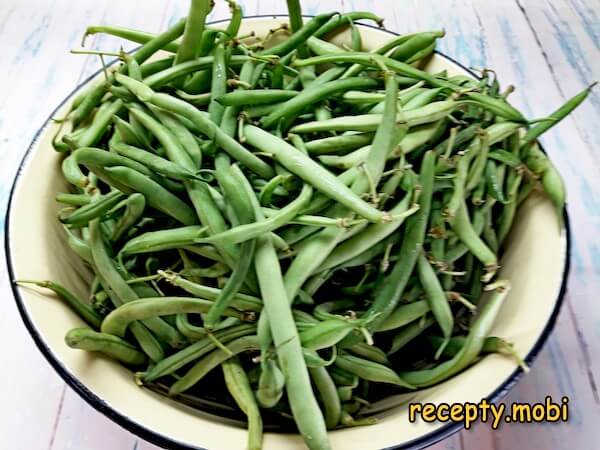
Pour water over pods; rinse.
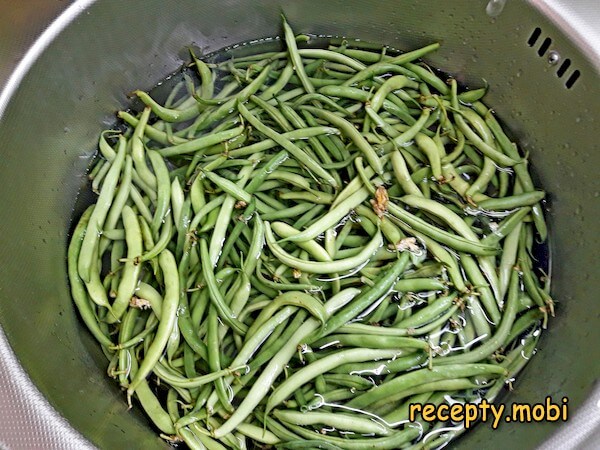
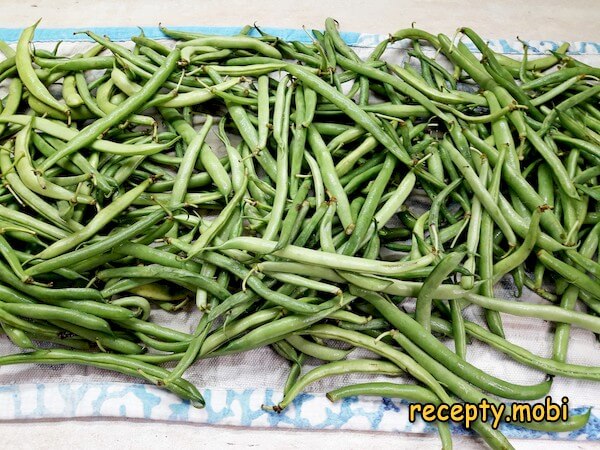
Transfer to TOWEL; sort through; remove older ones.
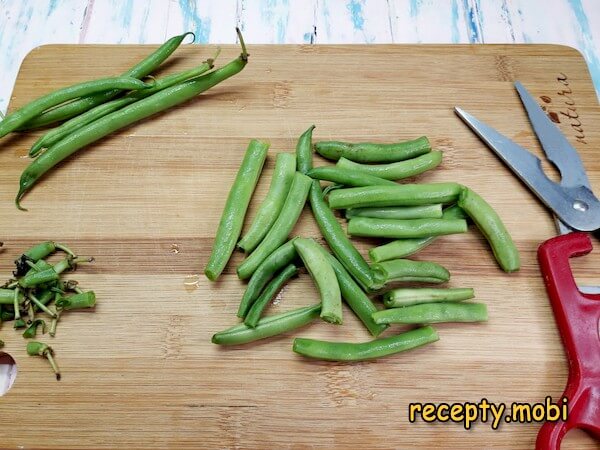
CUT OFF tips of each pod. Long sticks: cut into 2-3 PARTS. Very young + short: keep WHOLE.
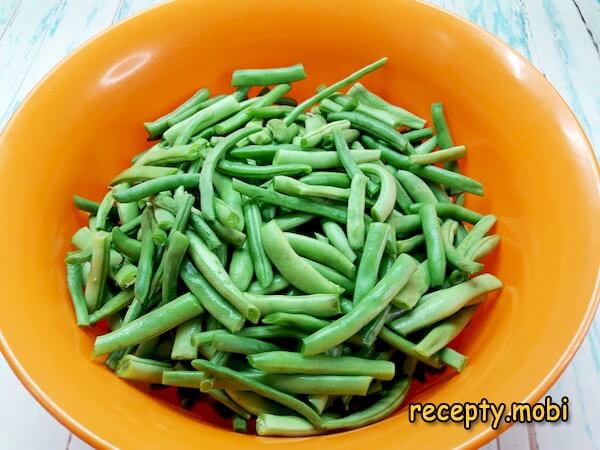
Place prepared stocks in BOWL.
BOIL water. BLANCH beans 2 MIN, NO MORE.
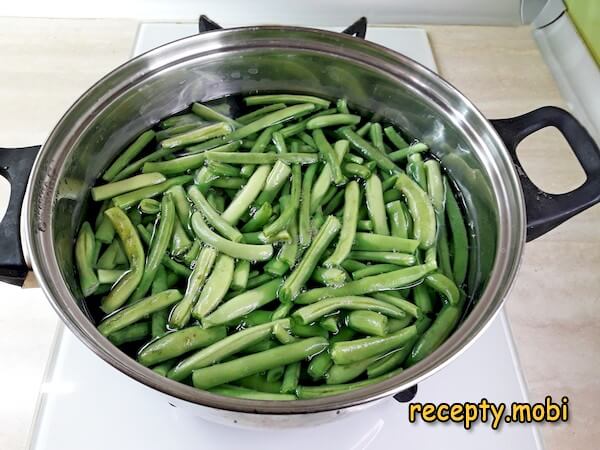
Drain pods in SIEVE; let moisture escape.
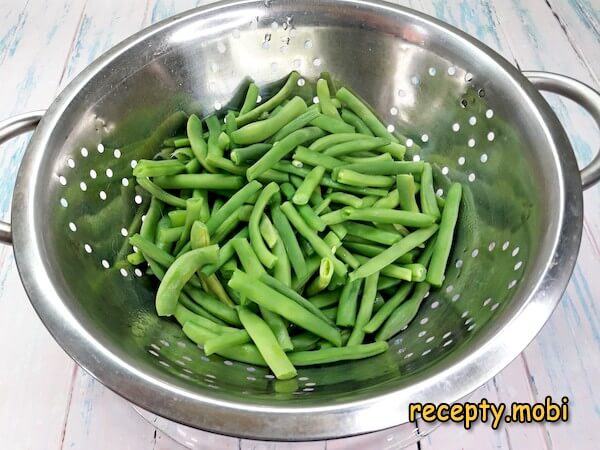
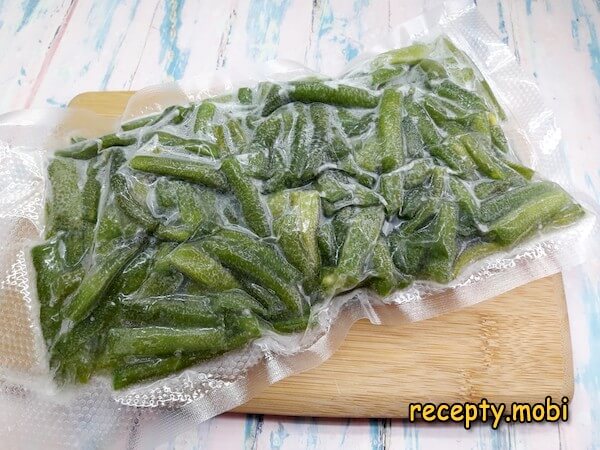
NOW green beans can be: FROZEN, vacuum-sealed, OR placed in regular bag. Calculate package mass for SERVING SIZES needed at once. In winter: this product expensive. With this preparation: proceed to favorite recipe WITHOUT thawing first.
Cook small portion for delicious lunch right away.
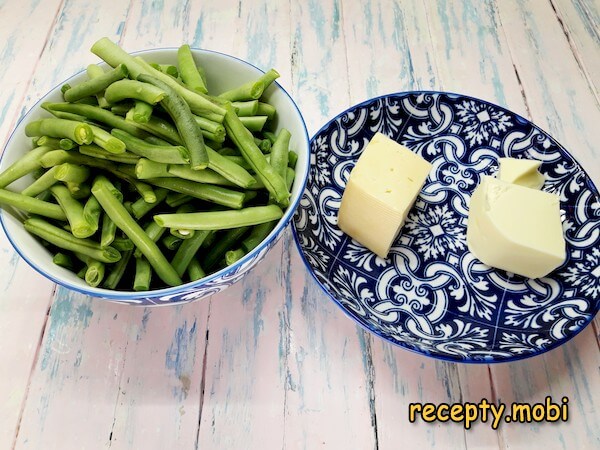
MELT BUTTER — careful not to burn.
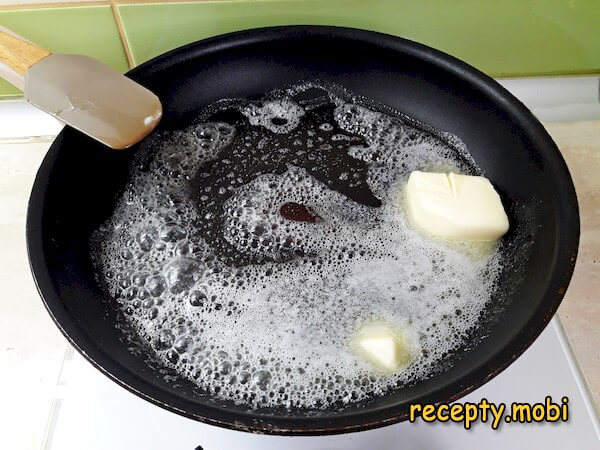
Add green PODS. Incredibly delicious infused with BUTTERY AROMA.
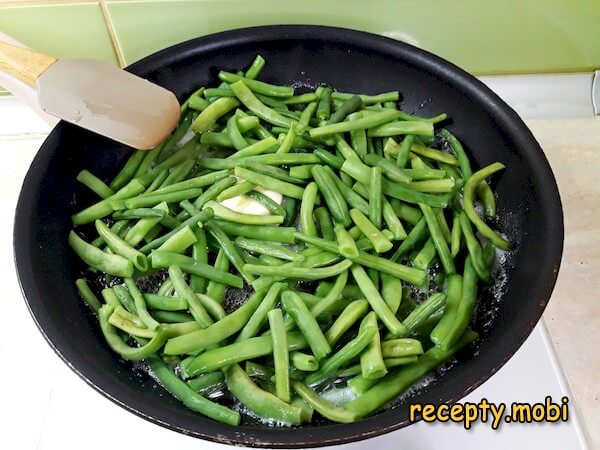
Slightly BROWN; add SALT.
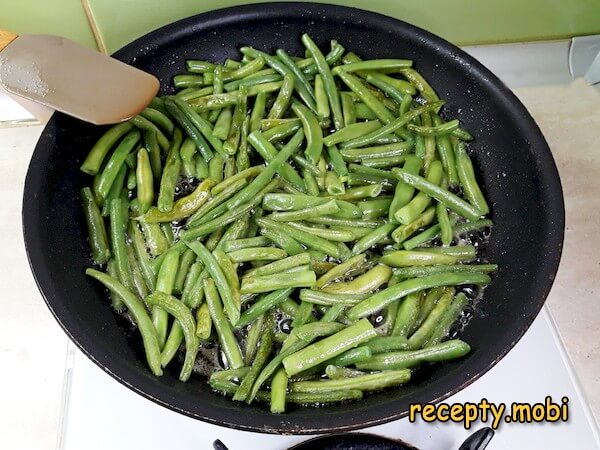
Transfer to dish — serve IMMEDIATELY. ANOTHER OPTION (heatproof dish):
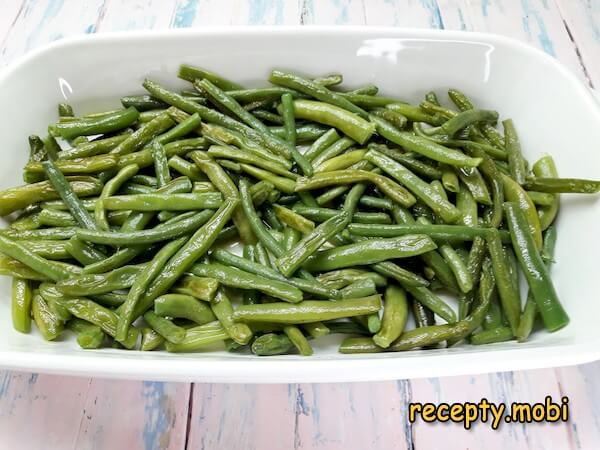
Grate CHEESE finely; distribute evenly over entire bean surface.
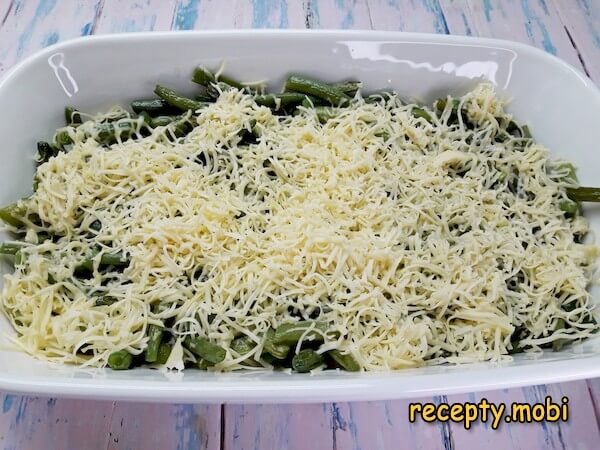
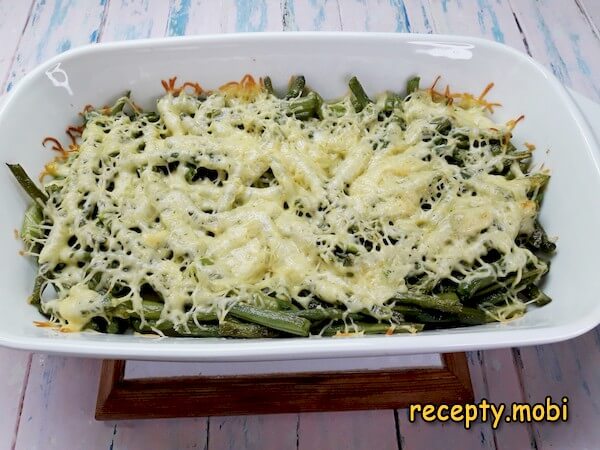
At 180°C in oven: hold dish JUST 3 MIN — cheese melts + browns slightly. Legumes serve as separate full dish OR combined with other vegetables, meat, even fish. Knowing prep + freeze-ahead: feed family quickly any moment. Bon appétit!


Tips
- 1
THE 2-MIN BLANCH PRECISION. Step 6's "blanch 2 min, NO MORE" is texture-essential. UNDER-BLANCHED (raw): pods stay tough, frozen-then-cooked beans remain unpleasantly firm. OVER-BLANCHED (4+ min): cell walls collapse, finished beans become MUSHY when later cooked. PROPER 2-MIN: pods soften slightly, retain CRUNCH + CHARACTER, freeze with proper texture, cook quickly afterward. Same precise-blanching: French haricots-verts traditional preparation, professional cuisine. Pro-tip: ICE BATH after blanching for restaurant-quality color preservation (recipe omits but improves results). The boiling-water-volume: 4× bean volume for proper temperature retention.
- 2
THE PORTION-SIZE FREEZER PACKAGING. Step 8's "calculate package mass for serving sizes" is genuine kitchen-economy principle. Single-large-bag method: thaw entire amount even for small recipe = waste. PORTION-SIZE bags (200-300 g each = 2-4 servings): use exact amount needed, no waste, no thawing complications. Pre-blanched beans cook from FROZEN in 5-7 minutes (drop in boiling water OR butter-fry). Standard serving: 75-100 g per person = 300 g for 4 servings. Same portion-control principle: modern meal-prep cooking, French cuisine traditions. For another classic vegetable preparation worth comparing, see Stewed Potatoes with Eggplants.
- 3
THE BUTTER-NOT-OIL FRYING CHOICE. Steps 10-11's "MELT BUTTER" specification is flavor-defining vs vegetable oil. Vegetable-oil-fried beans: clean + neutral, fine for everyday but ordinary. BUTTER-FRIED beans: signature creamy-rich aroma + Maillard browning + golden character + restaurant-quality. The 60 g butter for 300 g beans (20% by weight): generous coverage. Don't substitute margarine — wrong flavor profile. The "careful not to burn" warning: butter burns at 150°C (vs vegetable oil 200°C+) — medium heat only. Same butter-vegetable principle: French amande-beurre preparations, restaurant-grade vegetable cooking.
- 4
THE 3-MIN OVEN-FINISH GRATIN OPTION. Step 15's "180°C oven 3 min for cheese melt" is fast gratinating technique. Pan-only finish: butter + salt = simple delicious. WITH OVEN-FINISH: cheese melts golden + creates aromatic gratinated top + restaurant-quality presentation. The 3-MIN duration: just enough for cheese melting + slight browning, doesn't dry out beans. The CHEESE choice matters: Gruyère (best gratinating), Parmesan (concentrated flavor), mozzarella (stretchy + mild), cheddar (bold). Same brief-gratin technique: French gratin-rapide, Italian au-gratin preparations. For another classic vegetable side dish worth trying, try Zucchini Boats with Mince.
FAQ
What are "asparagus-type" green beans? +
Russian "spargelaya fasol" (asparagus-type beans) refers to YOUNG IMMATURE green beans harvested before bean development inside pods. CHARACTERISTICS: 8-12 cm long, thin, tender pods, no developed beans inside, similar texture to asparagus stalks (hence name). DIFFERS from: shell beans (mature, harvested after bean development), runner beans (different species, larger). VARIETIES: regular green snap beans (Phaseolus vulgaris), French haricot vert (slimmer + premium), Italian flat beans (Romano). RECIPE-CANONICAL: standard supermarket green beans, peak summer season. Some varieties (string beans): require string-removal during prep. The recipe applies to ALL young pod-form bean varieties.
How long do they keep frozen? +
Properly blanched + frozen: UP TO 12 MONTHS at peak quality. Months 1-3: peak fresh-bright flavor + color. Months 4-8: still excellent, slight color slightly muted. Months 9-12: still good but flavor + texture noticeably less fresh. Past 12 months: not recommended (freezer-burn risk + flavor decline). STORAGE TIPS: freezer-grade bags (thicker than regular), press out air before sealing, double-bag for protection, label with date, freeze flat for stack-storage. PRE-BLANCHED is critical — UN-blanched beans turn mushy + flavorless even refrigerated. Cook from frozen — don't thaw first (defeats freezing purpose).
Can I use frozen store-bought beans? +
Yes — store-bought frozen beans work as substitute. CONVENIENCE: pre-blanched + portioned, no preparation needed. QUALITY: typically harvested + frozen at peak ripeness, year-round availability. RECIPE adjustment: skip blanching (Steps 1-7), proceed directly to butter-frying (Steps 10+). HOMEMADE freezing (recipe-canonical): superior fresh flavor when summer-harvest used, cost-effective for abundant garden + market produce. STORE-BOUGHT FROZEN: more convenient + reliable + always available. Both work for cooked recipes (baked-cheese option). The HOMEMADE option: best for cooks with garden access OR farmers-market peak-season availability.
What goes best with them? +
Versatile vegetable pairs widely. CLASSIC: alongside grilled meats (chicken, pork, beef, lamb), roasted fish (salmon, sea bass), pasta dishes. WARMING: with mashed potatoes, rice pilaf, roasted root vegetables. SAUCES: hollandaise, tahini, tomato-vinaigrette, salt+lemon simple. ASIAN-STYLE: stir-fried with soy + garlic + ginger. FRENCH-STYLE: amandine (almond + butter), béarnaise. ITALIAN-STYLE: with pancetta + parmesan, with garlic + olive oil. SALAD-INGREDIENT: cold + tossed in green salad. The recipe-canonical butter+cheese: simple + universally pleasing. Light side dish — pairs with everything except other strongly-flavored vegetables.
- Comment
or post as a guest
Be the first to comment.