avg —
How to Cook Pasta Properly – the Easiest Methods

Instructions
Pour water into a large, roomy pot – no less than 1 litre per 100 g of pasta, this is an iron rule of Italian cooking. Plenty of water gives the pasta room to move and stops the starch from concentrating and gluing the pasta together. In a small pot the pasta will inevitably clump into a lump, no matter how you stir it.
Bring the water to a vigorous boil over high heat. Wait for an active, rolling boil rather than the first bubbles – water that has not boiled enough will cook the pasta unevenly. You can keep the lid on at this stage so the water boils faster.
Add salt (about 1 tsp per litre of water) and vegetable oil. The Italians say "the water for pasta should be as salty as the sea" – and it is true, the excess salt runs off with the water without soaking into the pasta. The oil forms a film on the surface and prevents sticking.
Add the pasta in a thin stream into the boiling water and immediately stir with a long wooden spoon for 30 seconds – until the starch has set. It is exactly these first seconds that matter most: if you do not stir straight away, the pasta will glue into a lump, and after that it cannot be separated.
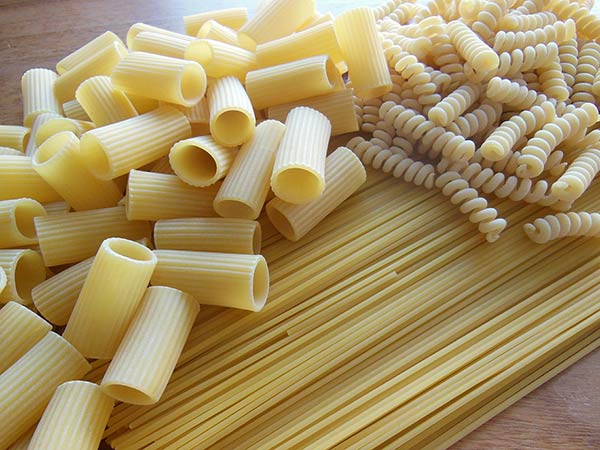
I check that it is done by tasting – I take out one piece of pasta and try it. The pasta should be soft on the outside but have a slight springy "al dente" centre – that is exactly how it is eaten in Italy. Pasta boiled until completely soft is a Russian habit, which the Italians consider "overcooked".
Drain the water through a colander, without rinsing it under cold water (a common mistake in Russia). Rinsing washes the remaining starch off the surface, the starch that the sauce is meant to "cling" to. Without it the sauce slides off the pasta instead of coating it in an even layer.
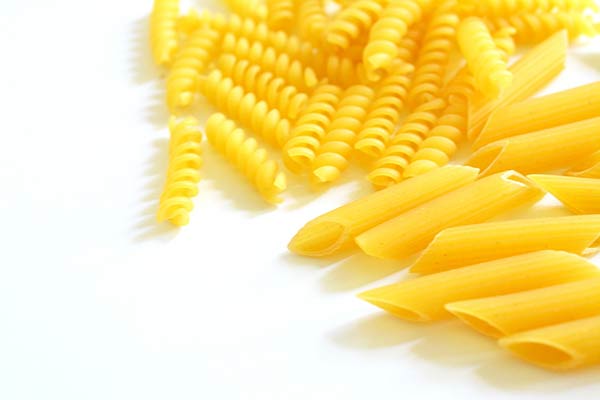
The pasta is ready! I return it straight away to the hot pot and mix it with the sauce or butter so it does not have time to cool. I serve it with grated parmesan or pecorino cheese – the classic Italian way to serve it.


Tips
- 1
Use only durum wheat pasta – it does not boil down into mush and holds its shape. Ordinary soft-wheat pasta falls apart quickly.
- 2
Do not cover with a lid while the pasta is cooking – the foamy cap will boil over onto the stove. The lid is only needed to bring the water to the boil quickly.
- 3
Stir only 2-3 times during the whole cooking time so as not to damage the shape. I cook carbonara pasta on a similar principle.
- 4
Cook pasta right before serving – once it has cooled and been reheated it is always worse than freshly cooked.
Other ways to cook pasta
- In the microwave: cover the pasta with boiling water in a ratio of 1:2 and cook for 10 minutes at maximum power;
- In a multicooker: the "Pilaf" or "Pasta" programme, water 2 cm above the pasta, 12-15 minutes;
- In a clay pot in the oven: with mushrooms and cheese at 200 °C – 25 minutes;
- Baked pasta: boil it, then bake with cheese at 180 °C for 15 minutes.
FAQ
Why does pasta clump into a lump when boiling? +
The main reasons are: too little water in the pot (the 1 litre per 100 g rule was not followed), no vegetable oil added during cooking, not stirring straight after adding the pasta to the boiling water (the starch has "caught" the pasta), or using soft-wheat pasta (it is naturally more "sticky"). A large pot with plenty of water is the key to proper pasta. Right after adding the pasta, stir it vigorously with a wooden spoon for 30 seconds – this is critical for keeping it separate.
Do cooked pasta need to be rinsed with cold water? +
No, there is no need to rinse it – this is a common Soviet habit that ruins Italian pasta. Cold water washes the starch off the surface of the pasta, and it is exactly this starch that lets the sauce "cling" in an even layer. Without the starch the sauce slides off the pasta in a puddle instead of coating it. You should only rinse pasta meant for salads or if you plan to freeze it – but even then it is better to use warm water.
How much water do you need per portion of pasta? +
The rule: at least 1 litre of water for every 100 grams of dry pasta. For 200 g you need 2 litres, for 400 g – 4 litres, for 1 kg – at least 10 litres. Italians usually take 1.5-2 times more than this minimum. A shortage of water is the main reason pasta sticks together. A large pot and plenty of water also let the pasta "swim" freely, which ensures even cooking without sticking.
Which pasta is best to choose in the shop? +
Look for "made from durum wheat" or the Latin "durum wheat" on the packet – such pasta does not boil down and holds its shape while cooking. Good pasta usually has a golden-yellow colour, not white and not too pale. Expensive Italian brands (Barilla, De Cecco, Rummo) are almost always made from durum wheat. Budget Russian producers often use soft wheat – that pasta falls apart into mush when boiled. Read the ingredients carefully.
- Comment
or post as a guest
Be the first to comment.