avg —
How to Cook Rice for Salad - The Easiest Method

Instructions
Rinse 100–150 g of rice thoroughly in cold running water 3–4 times, until the water runs clear. This removes excess starch and prevents sticking.
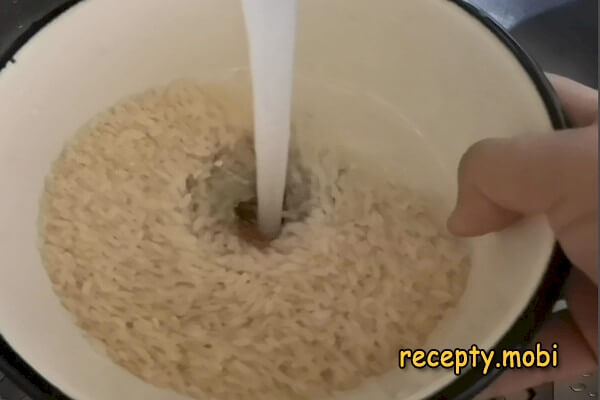
Transfer the rice to a pot and add 2 cups of water. Set it over medium heat.
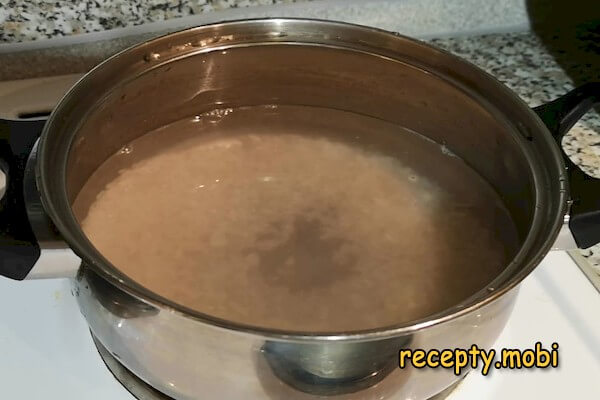
Once it boils, reduce the heat to low and cook for 10–15 minutes. You can add a pinch of salt to taste. Don't stir the rice while it cooks.
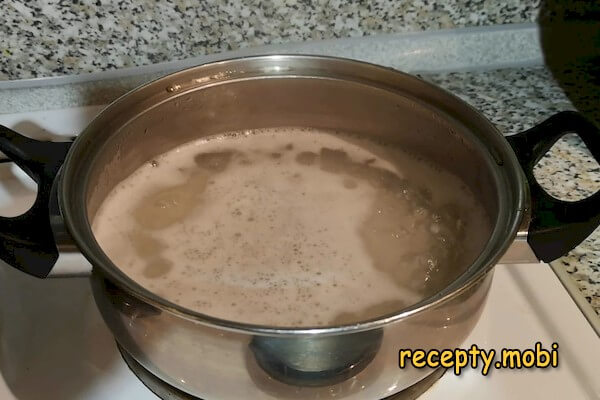
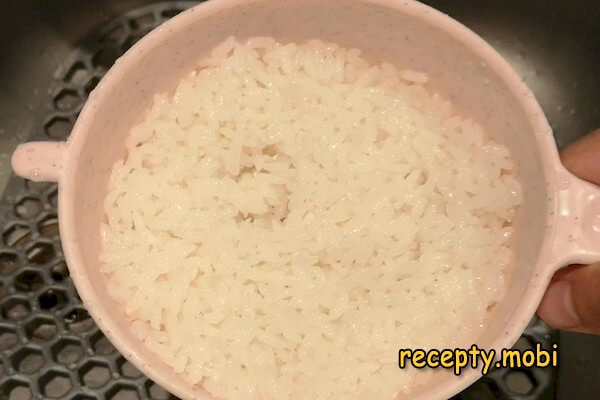
When the rice is soft, drain it in a colander and quickly rinse it with cold water. This stops the cooking and makes the rice perfect for a salad – fluffy and cool.


Tips
- 1
Rinse until the water runs clear – this is the secret to fluffy rice. The excess starch on the surface of the grains is what makes rice clump together.
- 2
Don't stir while it cooks, so the grains aren't rubbed against each other. Stirring breaks up their structure and releases the starch, and the rice falls apart.
- 3
Cool the rice after cooking to stop the process. Without a cold-water rinse, the rice keeps cooking in its own steam and turns sticky.
- 4
2 cups of water per 100–150 g of rice is the ideal ratio. Less and it scorches, more and it falls apart. The same principle works in other ways of cooking rice for side dishes.
Video
FAQ
Which rice is best for salads? +
The ideal choice is parboiled or long-grain rice – it holds its shape well, doesn't overcook, and stays fluffy after boiling. Alternatives: basmati (aromatic, with long grains), jasmine (Thai, delicate), and round Krasnodar rice (softer, for a "children's" salad). Don't use: sushi rice (too sticky), round arborio (for risotto), or brown rice (it needs a different technique). For premium salads, go for long-grain "Royal" basmati. Choose a fresh pack – no musty smell, with whole grains. Don't buy broken rice.
How long should I cook the rice for a salad? +
On average 10–15 minutes after it comes to the boil, over low heat. The time depends on the variety: round rice cooks faster (8–10 min), parboiled takes a little longer (12–15 min), basmati 10–12 min, and jasmine about 12 min. Check for doneness by biting a grain: the rice should be soft but still firm (al dente), with no hard centre. Don't overcook it or it will turn to mush. If the liquid is absorbed sooner, that's fine – just leave it covered for another 5 minutes to finish in its own steam.
Why does rice stick together when boiled? +
This usually happens because of excess starch on the surface of the grains. The fix: rinse it thoroughly until the water runs clear (3–4 times). It is also important not to stir the rice while it cooks – stirring rubs the grains and releases starch. Too much water is another cause, so keep to a 1:2 ratio (rice:water). Using a round "sushi" variety instead of long-grain also gives a sticky result. For "proper" salad rice, always choose long-grain or parboiled.
Can I cook rice in advance? +
Yes, boiled rice can be kept in the fridge for up to 2 days in an airtight container. Before using it, it's best to warm it slightly or let it sit at room temperature for 15–20 minutes. On the second day the rice may turn drier – you can sprinkle it lightly with water. It keeps in the freezer for up to 1 month (boiled, cooled, in a bag) – thaw it in the fridge for 4–6 hours. Don't leave it at room temperature for longer than 4 hours – boiled rice is prone to the bacterium Bacillus cereus. For a packed lunch, it's handy to cook it the evening before.
- Comment
or post as a guest
Be the first to comment.