avg —
How to Cook the Perfect Poached Egg: 3 Simple Methods

What a poached egg is and why to make it
The poached egg (from the French "œuf poché" – "cooked in water") is a famous French breakfast in which the egg is cooked without its shell in hot water until the white becomes a firm "cloud" around a runny, "sunny" yolk. The dish is served with a fresh baguette or croutons, with vegetables and a sour cream sauce as accompaniments.
A popular restaurant dish, poached eggs often appear on menus as "Eggs Benedict" (with an English muffin, ham and hollandaise sauce), "Eggs Royale" (with salmon) or "Eggs Florentine" (with spinach). They are not difficult to make and come together very quickly at home. They can be served either warm or at room temperature.
Preparing the eggs for all 3 methods
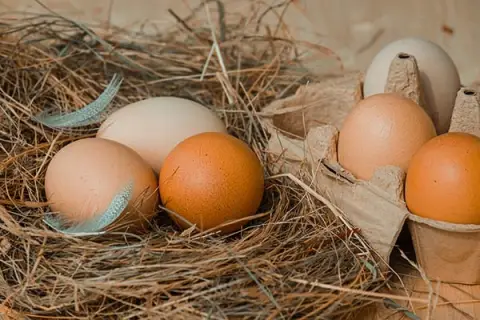
I prepare the ingredients – the same base for all 3 methods. I use FRESH eggs with a firm yolk (no more than 5 days from the production date) – a fresh yolk holds its rounded shape, while an old one will "spread".
I wash the eggs thoroughly with baking soda under running water – this removes any dirt from the shell. I prepare 3 small bowls – one for each egg. I carefully break one egg into each bowl. CRITICAL: do NOT salt the eggs before cooking – salt "breaks down" the structure of the white and makes it "runny". The yolks must stay WHOLE – a damaged yolk will leak into the water.
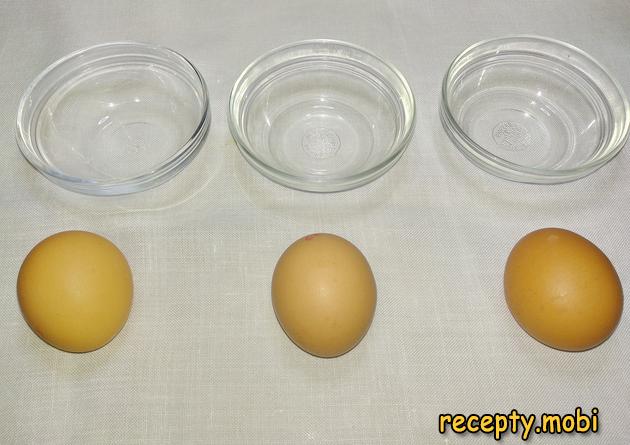
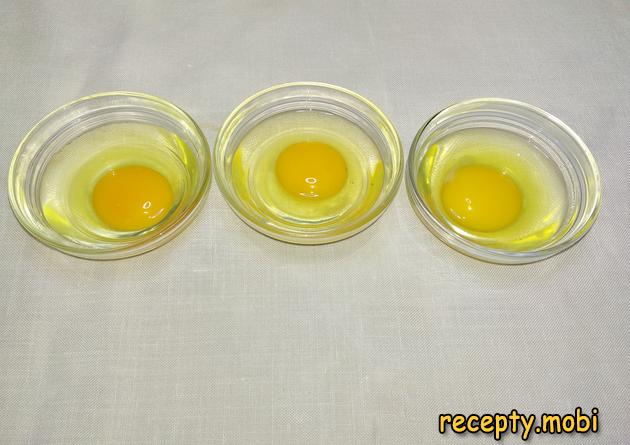
Poached eggs cook very QUICKLY – in just a matter of minutes. Have all the ingredients ready in advance.
Method three – in cling film (fail-safe for beginners)
Time: 3 minutes per egg. Difficulty: ultra-easy, for absolute beginners. Features: a 100% guarantee of a perfectly round shape; you can salt and season in advance.
Step 1: I lay a piece of cling film 20×20 cm into a small bowl or cup. I pour a few drops of vegetable oil (½ tsp) onto the film and grease the whole sheet with a silicone brush – the "secret" to lifting the cooked egg out of the film easily.
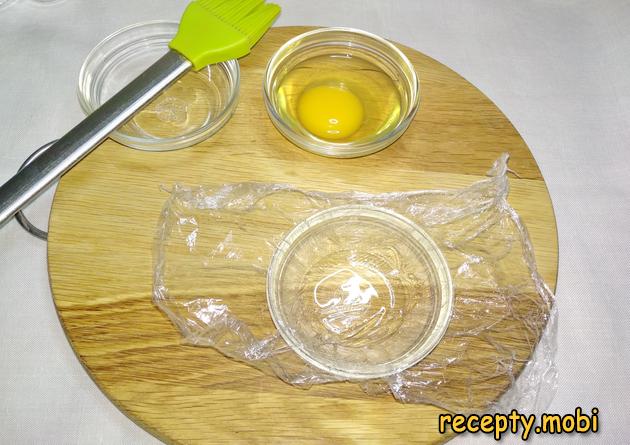
Step 2: I carefully pour the prepared egg into the bowl with the film – the yolk must stay whole. At this point, if you like, you can SALT the egg and SEASON it with black pepper – this is the only one of the 3 methods in which it is acceptable to salt in advance.
Step 3: I gently gather the cling film into a "pouch" at the top, with the egg sitting in the middle of the "bag". I twist the top of the film or secure it with thread or a clothes peg – so the egg does not "fall out" while cooking.
Step 4: the water in the pan has already boiled – I turn off the heat, but do NOT swirl a "vortex" (it is not needed for this method). I lower the "pouch" with the egg into the hot water. I hold the film up slightly at the top so that water does not "get inside".
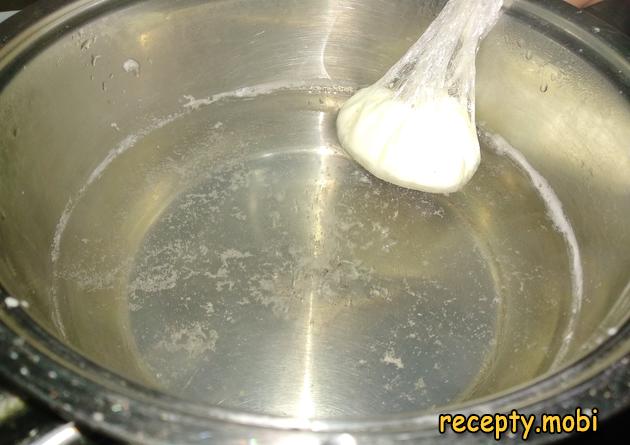
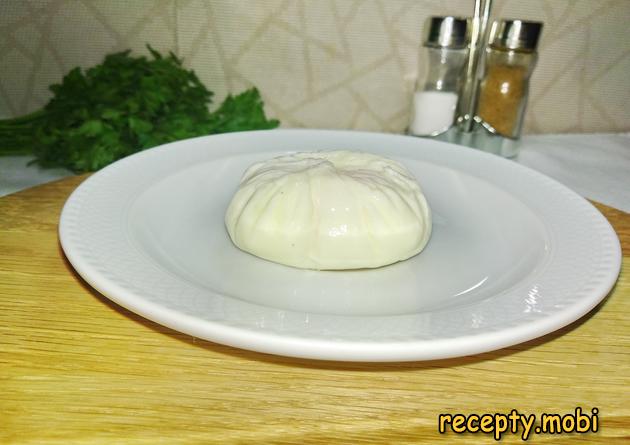
Step 5: I cook for up to 3 minutes – to taste (3 minutes for a runny yolk, 4 minutes for a "sour cream" yolk, 5 minutes for a firm yolk). I take the cooked egg out of the water and carefully remove the film – thanks to the oil, the film peels away from the cooked egg easily. I place it on a plate – a PERFECTLY ROUND SHAPE is guaranteed.
Comparing the 3 methods
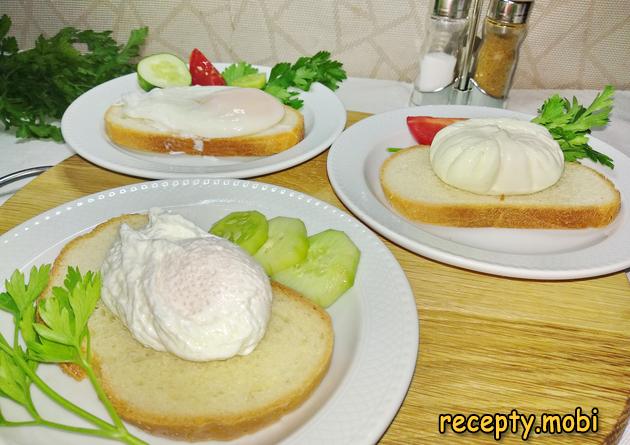
- Method 1 (the vortex): the simplest, with no extra ingredients, but the shape is "ragged". Ideal for experienced cooks.
- Method 2 (vinegar): medium difficulty, requires vinegar, but gives an almost round shape. The "happy medium".
- Method 3 (cling film): ultra-easy, perfect shape, and you can salt in advance. Ideal for beginners and for restaurant-style serving.
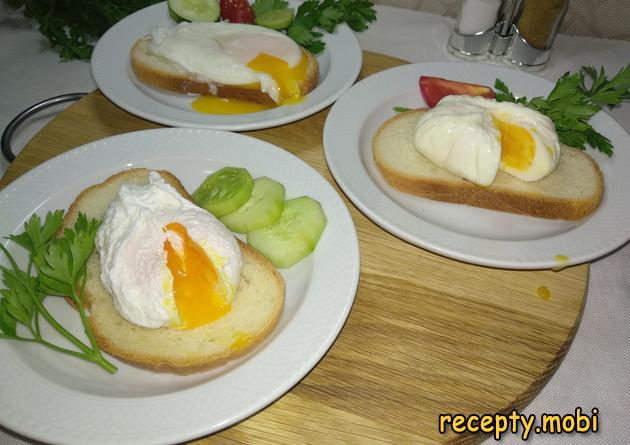
Each version comes out different in shape, but all 3 methods ACHIEVE THE MAIN GOAL – the yolk stays runny and "sunny" in the middle of a firm white. To serve, salt, pepper and bring to the table. In cross-section you can see how firm the yolk turned out in each version – it depends on the cooking time.
Cooking video
Video
FAQ
Can poached eggs be made without vinegar? +
Yes – methods 1 and 3 (the vortex and cling film) do NOT require vinegar. Vinegar is only needed in method 2 for extra "binding" of the white. Alternatives to vinegar: lemon juice (4 tbsp – gives a light citrus note), white wine vinegar (a more "European" aroma), apple cider vinegar (milder than table vinegar). Without vinegar the egg comes out with "ribbons" of white, but the yolk stays runny. For an absolutely round shape without vinegar, use method 3 in cling film. The vinegar evaporates completely during cooking – no characteristic aroma is left in the finished dish.
Which fresh eggs work best? +
Ideally, fresh farm eggs no more than 5 days from the production date. A fresh yolk is firm and holds its rounded shape, and the white is thick and dense "around" the yolk – which gives the best result. Old eggs (more than 14 days) have a "runny" white that spreads a lot. To check freshness: lower the egg into water – a fresh one "lies" on the bottom, while a spoiled one "floats". Choose medium or large eggs. For the cling film method you can use eggs that are not the freshest – the film "holds" the white regardless of its consistency.
How long does a cooked poached egg keep? +
A freshly made poached egg is best eaten IMMEDIATELY after cooking – it is tastiest hot with a runny yolk. In the fridge it keeps for up to 24 hours in a tightly sealed container with cold water – before serving, reheat in hot water for 30 seconds. After storing, the yolk will have "set", but the texture will still be tender. Do not reheat in the microwave – the egg may "explode". To prepare ahead: cook 4–6 eggs in the morning, cool them in cold water and keep them in the fridge until serving – a "restaurant technique" for brunches.
What to serve with a poached egg? +
A versatile breakfast for all kinds of serving. Classic: on baguette or rye toast with butter – a simple French breakfast. Eggs Benedict: on an English muffin with ham and hollandaise sauce – an American restaurant breakfast. Eggs Royale: with lightly salted salmon and spinach – the "gourmet" version. Eggs Florentine: with spinach and cheese – the vegetarian version. On avocado toast: avocado purée + cherry tomatoes + a poached egg – the trendy "brunch". In soup: a poached egg in chicken broth with herbs – the Italian "stracciatella". For breakfast – with a latte, orange juice or green tea.
- Comment
or post as a guest
Be the first to comment.