How to Properly Boil Beets – The Easiest Methods

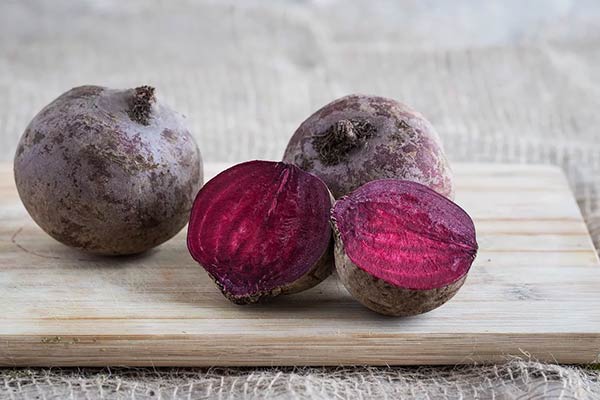
How to properly choose beets
Practice shows that customers in stores rarely evaluate the appearance of vegetables, especially if neatly packaged in bags. As a result one can buy limp or damaged beets, from which a tasty soup or vinaigrette cannot be made. When buying beets, pay attention to the following points:
- Quality roots that can be deliciously boiled should be of saturated color, without visible damage, dark spots, and signs of rot on the skin.
- Touch the beet to check its freshness. If firm, it is suitable for boiling. Limp roots spring back when pressed.
- Prefer washed vegetables whenever possible; all damages are visible on them, making it easy to assess their condition.
- Medium-sized beets have a pleasant taste and contain the most sugars. Too-large roots are practically tasteless and take a long time to boil, an unreasonable expenditure of time.

How to prepare beets for boiling
To make boiled beets tasty, they must be prepared in advance for cooking. The process includes the following steps:
- Selecting good specimens. Choose only firm roots from a large quantity; the most delicious dishes come from them. Leaves should be dark green — a sign that beets are fresh.
- Trimming the leaves. Use a sharp knife to trim foliage, but do not remove it completely. Cutting leaves right at the level of the root damages the skin, resulting in all the juice going into the cooking water.
- Cleaning the beets from soil residues. Rinse roots well under running water using a soft vegetable brush. If soil is heavily dried, soak roots in water for a few minutes, then rinse thoroughly.
Useful to know. Beets are peeled only if they will be used for soups. For vinaigrette and salads, roots are boiled with skin on, removed just before assembling the dish.
How long to boil beets
The boiling time depends on size. Large roots take up to 2 hours, medium ones boil for about 1 hour, while small vegetables are ready 30-40 minutes after the water starts boiling.
In a multicooker, beets are boiled in “Steam” mode for about 40-50 minutes. In a microwave, vegetables cook from 8 to 20 minutes depending on size.
How to boil beets for vinaigrette in a pot
The well-known dish called “Vinaigrette” cannot be imagined without bright red beets. They are mixed with other ingredients in boiled form. Therefore every home cook starting to prepare a vinaigrette must learn to boil tasty beets so the vegetables remain bright red inside and do not lose their taste qualities during thermal processing.
Cooking process:
- Decide how many roots you will need for the vinaigrette. Do not boil extras — they only last a couple of days in the refrigerator. Choose beets of approximately the same diameter.
- Wash the beets in water. Remove strong dirt using a dish sponge. Trim the leaves and remove damaged areas.
- Place beets in a suitable pot with a lid and pour boiling water over them so liquid is 2-3 cm above the vegetables. Cover the pot tightly, then place on the turned-on hotplate.
- From the moment liquid comes to a boil until ready, it should take 40 to 60 minutes. Reduce stove power to minimum so water gently bubbles and does not spill over with lid fully closed.
- After 40 minutes from boiling point, check the product for readiness — if a knife passes freely to the middle of the beet, vegetables are fully cooked.
- Turn off the burner. Slightly open the lid and, holding tightly with oven mitts, drain the hot liquid. Cool boiled vegetables at room temperature.
- Peel the cooled beet before using it in the vinaigrette with a small knife.
Useful to know. Sometimes peeling root vegetables can be difficult. To make the beet easy to peel, use a small trick — immediately after boiling, while hot, pour ice water over them. The cooled root vegetables will be easy to clean.
How to boil beets in a multicooker

Show ingredients
Modern kitchen technology significantly simplifies modern life. Knowing how to use a multicooker, you can effortlessly boil beets until ready. To ensure the product turns out tasty, know some secrets and nuances.
The process of preparing beets in a multicooker:
- Before placing beets in the dish, wash them thoroughly in water, if necessary with a brush. Soak heavily soiled root vegetables in water beforehand.
- Partially trim the tail if very long. Be sure to cut off leaves and damaged areas (skin with dark spots and signs of rot).
- Place beets in the bowl of the multicooker. Layer the vegetables if root vegetables are small. Pour enough water so its level is 3 cm above tops of vegetables.
- Tightly seal the lid of the device, then plug device into outlet. Set mode to “Soup” or “Boiling” and time to 60 minutes. Start the cooking process.
- When the multicooker turns off, check readiness of product with a knife — pierce the beet with a kitchen utensil. If knife goes in easily, vegetables are fully cooked.
- Remove vegetables from water using slotted spoon and transfer to a plate. Let beet cool to room temperature.
- Peel cooled beets and cut for the salad.
- Thoroughly wash the bowl in which vegetables were cooked under running water using a soft dish sponge.
Baked beets in the oven
Beets are great when boiled, but cooking in water loses vitamins, especially when boiled in pieces. When prepared in oven, loss of nutrients decreases significantly, plus the product acquires a tasty and golden crust.
Step-by-step instructions:
- Remove any adhering soil residues from surface of root vegetables and wash in water. Trim tail and leaves.
- Lay a paper towel on the table and place beets on it. Let water be absorbed.
- Cut foil into equal squares with scissors. Place beets on foil and wrap tightly.
- Place prepared packets with beets on a baking sheet. Bake for 1.5 hours at 200 degrees. This time is for baking medium-sized beets; small and young root vegetables cook for 1 hour.
- Start checking readiness of beets after 1 hour. Vegetables should be easily pierced with a knife, without much effort.
- Turn off the oven, but do not remove vegetables from foil. Let them sit for a short period in the oven. Only then serve at the table.
The simplest beet soup
Cold beet soup is most often associated not with spring, but with the middle of summer. During this time of year the harvest of young and juicy beets is collected, which makes the most delicious soup. By reading the detailed recipe you will master the skill of preparing this dish.
Ingredients:
- medium-sized beets - 3 pieces;
- boiled sausage - 250 grams;
- potatoes - 4 pieces;
- cucumbers (large) - 2 pieces;
- chicken eggs - 4 pieces;
- onion - 1 head;
- fresh herbs (dill) - to taste;
- salt - to taste.
Preparation:
- Boil the peeled and washed beets until cooked in a pot of water. 3-4 liters of water is sufficient for cooking root vegetables. You can cook beets whole or in small pieces.
- Transfer boiled beets to a plate using a slotted spoon. Chop cooled vegetables into small cubes. Strain the beet broth into a clean pot and cool it to room temperature.
- Boil eggs in salted water until done, then cool them. Cut egg whites into cubes and crumble the yolks.
- Boil washed and peeled potatoes whole in salted water, then cut them into slices or cubes.
- Chop washed cucumbers and sausage into cubes of the same size. Finely chop a small onion that has been peeled and washed.
- Transfer all chopped ingredients to a pot, then add salt and mix. Pour in the required amount of beet broth and stir again with a spoon.
- Taste the finished soup and add a bit of salt if you feel the dish is bland. Place the appetizing borscht in the refrigerator for 1 hour to chill and infuse.
- The borscht is completely ready. You can eat it. Enjoy your meal.
Good to know. The borscht turns out quite tasty using thawed cucumbers. Before adding, cucumbers should be thawed at room temperature and excess liquid drained.
Tips and Tricks
Tip 1. Boil beets whole with skin intact for best color retention. Peeling or cutting before boiling releases the bright red juice into the water, leaving paler beets and red-stained water. The whole-skin-on method keeps the beets vibrant and the water clear enough to discard easily. Peel only after the beets are cooked and cooled.
Tip 2. Add a splash of vinegar or lemon juice to the cooking water for even brighter color. The acid stabilizes the betalain pigments that give beets their red color, preventing the dulling that can occur during long cooking. About 1 tablespoon per liter of water is enough. The same color-preservation principle applies to borscht with pickled beets and sauerkraut and many other beet-based preparations.
Tip 3. Bake instead of boil for the most concentrated flavor. Oven-roasting concentrates the natural sugars and produces sweeter, more intense beet flavor than boiling. The wrapped-in-foil baking method takes longer but rewards the patience with noticeably superior results. Reserve baking for special occasions; quick weekday meals justify the time savings of boiling.
Tip 4. Save the beet cooking water for soups and dyeing. The pink liquid makes a fantastic base for borscht or vegetable soup, and works as a natural dye for hard-boiled Easter eggs. Do not pour it down the drain — the flavor and color are valuable kitchen resources. Pair finished boiled beets with crusty homemade bread and goat cheese for an elegant appetizer.
FAQ
How do I tell when beets are done?
The knife test is most reliable. Insert a thin knife into the thickest part of the beet — it should slide in with minimal resistance, like cutting butter. If the knife meets noticeable resistance, the beet needs more time. Color does not indicate doneness since beets stay red whether raw or fully cooked. Time estimates vary too much by beet size to rely on alone.
How long do boiled beets keep?
Stored covered in the refrigerator, whole boiled beets keep for 5-7 days. Peeled and cut beets keep for 3-4 days. The beets continue to release color and slightly soften over time. For longer storage, freeze cooked beet pieces in zip-top bags for up to 6 months — the texture is slightly softer after thawing but the flavor stays excellent.
Why do my beets taste like dirt?
Beets contain geosmin, a compound that gives some varieties a strong earthy flavor often described as “dirty.” Some cooks love this; others find it off-putting. Reduce the earthy taste by adding a splash of vinegar or lemon juice to cooking water, or by roasting instead of boiling. Choose smaller, younger beets, which tend to have less geosmin than large mature roots.
Can I eat beet greens?
Absolutely. Beet greens are highly nutritious and delicious when sauteed like spinach or Swiss chard. Wash thoroughly to remove grit, then saute with garlic and olive oil for a quick side dish. Save the greens when buying beets — many stores remove them, but the leaves represent free additional vegetable that would otherwise go to waste.