avg —
How to Properly Cook Beans

Instructions
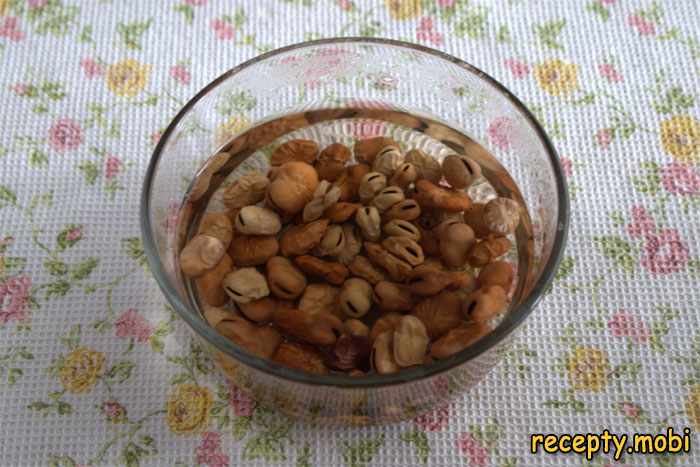
I measure out the required amount of dried beans and tip them into a deep bowl. Then I pour over freshly boiled water: this is my express soaking method. Hot water penetrates the dense skin faster than cold, and the swelling time drops to 60-80 minutes instead of a whole night.
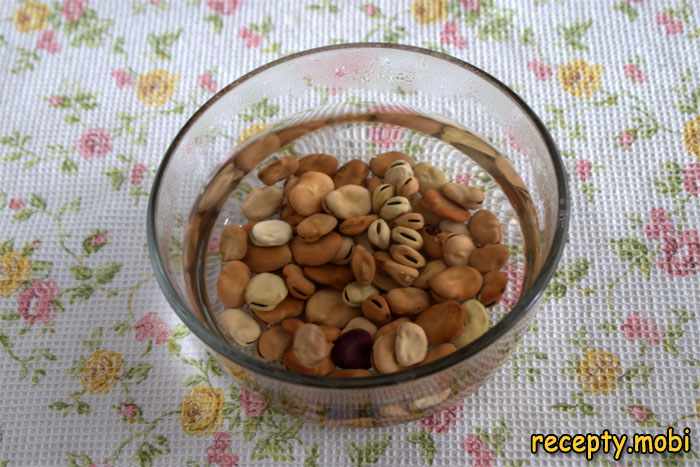
I cover the bowl with a plate or lid and leave the beans to swell for at least 60-80 minutes. The lid keeps the water from cooling too quickly, and in a warm environment the beans take up moisture more readily. Over this time they will almost double in size.
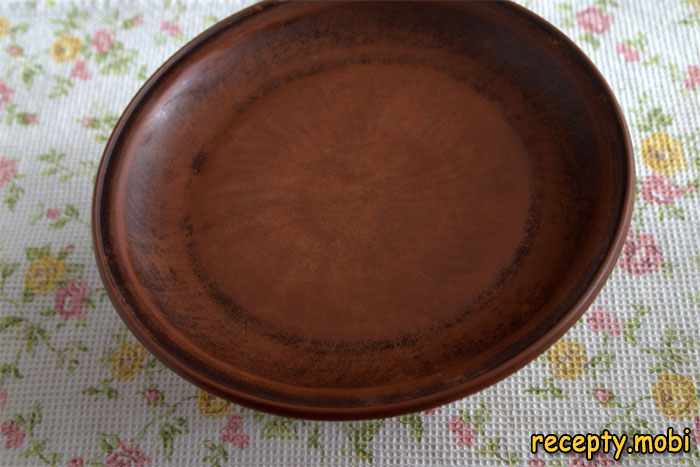
I check the beans after 60 minutes: they should be saturated with moisture and noticeably larger, roughly doubled in volume. The skin wrinkles slightly, and if you cut a bean in half there should be no dry white core inside. If a white centre is still visible, I leave them to soak for another 20-30 minutes. Properly swollen beans cook faster and turn out more tender.
I drain the water through a colander and rinse the beans under running water. I do not recommend using the soaking water, as it contains the oligosaccharides that cause bloating. I transfer the beans to a heavy-bottomed pan.
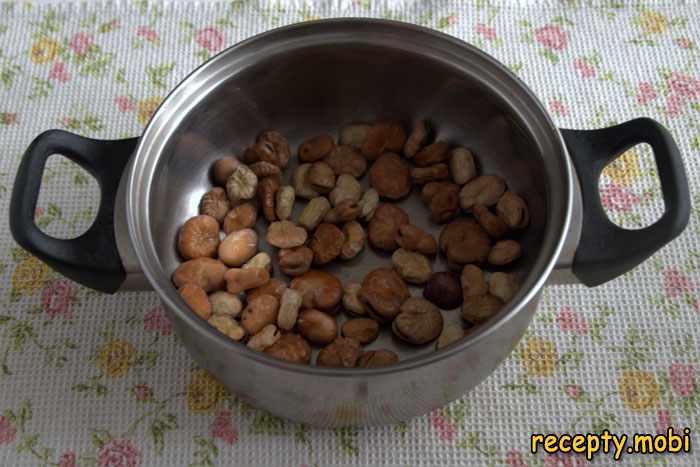
I pour fresh cold water over the beans at a 2:1 ratio. The water should cover them by 2-3 cm. I set the pan over high heat and bring it to the boil.
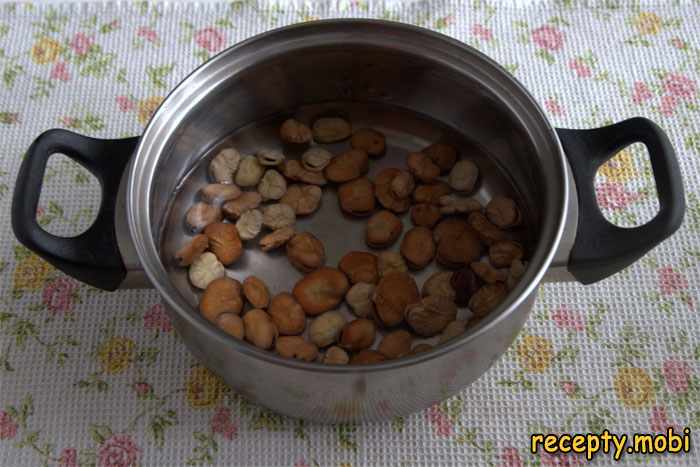
Once it boils, I turn the heat down to the lowest setting and simmer for 40-60 minutes with the lid slightly ajar. I skim off the foam with a spoon. I add salt 3-5 minutes before the end. To check they are done, I crush a bean with a fork: it should give way easily.
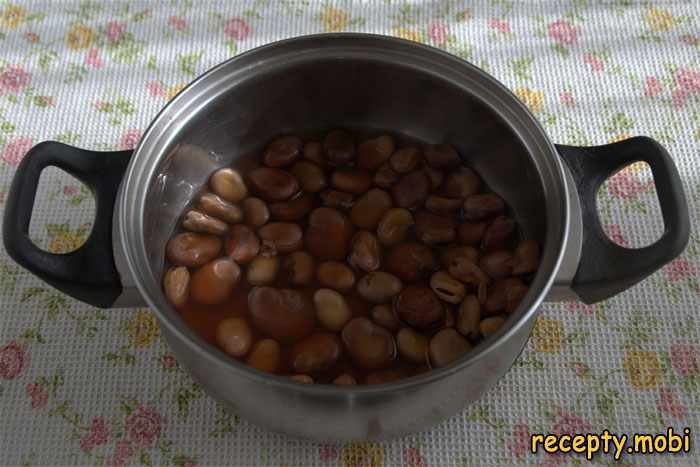
I tip the cooked beans into a colander or leave them in their cooking liquid until cool, which makes them even more tender. I use them as a side dish, in soups, salads or stews.
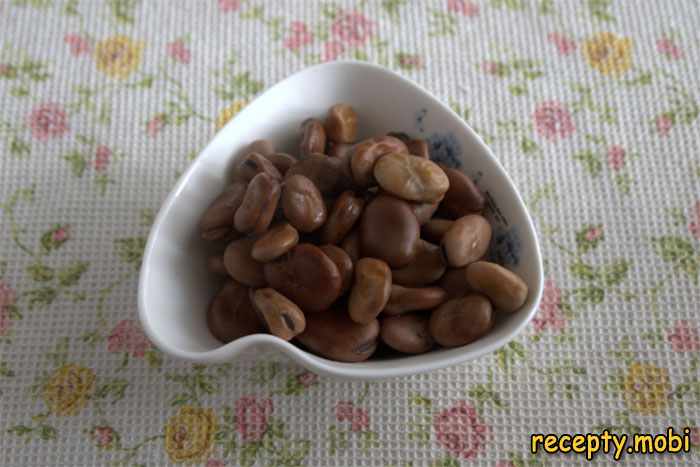


Types of broad beans and how to choose them
In the kitchen the word "beans" covers several different products, and the type directly determines the cooking time and whether you need to remove the skins. Most often people cook garden (vegetable) beans, also known as fava or horse beans, as well as field beans with a thicker, denser skin. Young beans still in their pods stand apart, as they need almost no preparation.
- Dried garden beans (fava): large and pale, with a thin skin; after soaking they cook the fastest and break down nicely into a puree.
- Dried field beans: smaller and darker, with a tough skin; they need a longer soak, and it is best to peel off some of the skin after cooking.
- Fresh young beans in the pod: tender and bright green; they are not soaked and cook in just a few minutes, and the skin slips off easily.
When buying dried beans, choose smooth, whole beans of the same size with no white bloom: mixed sizes cook unevenly, and old beans (last year's or older) stay tough however long you cook them. Choose fresh beans with firm, juicy pods and no dark spots. Well-cooked beans make a smooth paste for spreads, along the same lines as bean hummus.
Common mistakes when cooking beans and how to avoid them
Beyond toughness, there are a few other typical slip-ups that stop the dish turning out the way you wanted. Let us go through them one by one so the result is predictable.
- Not skimming the foam. In the first few minutes of cooking, beans throw up a lot of grey foam: this is leftover starch and the substances that cause bloating. Always skim it off, and it is best to drain the first water after it boils and replace it with fresh, so there is less gas and the bitterness goes.
- Cooking over high heat. A vigorous boil tears the skin, so the beans overcook on the outside while staying raw inside. Keep a gentle simmer, with the surface barely trembling.
- Topping up with cold water. If the water has boiled away, add only boiling water. Cold water makes the skin contract sharply, and the beans turn tougher.
- Tasting them raw or undercooking. Raw and half-cooked beans contain substances that irritate the stomach, so cook them until fully soft and do not taste a bean before it is done.
- Stirring too often. Frequent stirring with a spoon breaks up the swollen beans. It is enough to gently shake the pan or stir a couple of times over the whole cook.
Storing cooked beans and making a batch ahead
Boiled beans are handy to cook in a large batch: they keep well and save time on weekdays. The main thing is to cool them completely before putting them in the cold, otherwise warm beans in a sealed container quickly turn sour.
- In the fridge: transfer the beans to a container with a lid. Without their liquid they keep for 2-3 days, and if you cover them with the same cooking broth so they do not dry out, up to 4 days.
- In the freezer: tip the beans into a colander, let the water drain, divide them into portions in bags or containers and freeze. They keep for up to 6 months, and there is no need to thaw them before adding to a dish.
- The cooking liquid separately: do not pour away the bean broth; freeze it in portion moulds, as it adds flavour to soups and gravies.
Frozen beans are easy to drop straight into the pan: for example, add them in place of tinned ones to a bean soup, and a proper first course is ready with almost no fuss.
What to serve them with and what to cook from beans
Boiled beans are a ready side dish and the base for dozens of recipes. Dress them with olive oil, garlic and herbs, mash them into a puree, or add them to soups, salads and braised vegetables. In terms of flavour they pair beautifully with tomatoes, onion, coriander, walnut and chilli.
- As a side dish: serve the beans with meat or chicken, rounding them out with rice cooked in chicken stock for a filling lunch.
- Georgian style: the same approach is used to make lobio from pulses with nuts and spices.
- In a salad: boiled beans are a good stand-in for kidney beans, as in this salad with bell pepper.
- In a soup: add them to a rich borscht with beans or to rassolnik for body and protein.
Health benefits, nutrition and who should eat beans with caution
The figures in the table below are approximate and depend on the variety: dried beans are higher in calories because they contain less water, while during cooking the beans take up liquid and the calories per 100 grams drop noticeably.
There are also some limits. Because of the oligosaccharides, beans can cause bloating, so the first water is drained off and portions are increased gradually. They should be eaten with caution during flare-ups of gastrointestinal conditions and with gout. It is worth noting separately the rare inherited intolerance of fava beans (favism): with this condition garden beans are contraindicated.
Nutritional value of beans per 100 grams (approximate)
| Nutrient | Dried beans | Boiled beans | Fresh young |
|---|---|---|---|
| Calories, kcal | 333 | 110 | 72 |
| Protein, g | 26 | 8 | 5 |
| Fat, g | 1.5 | 0.5 | 0.6 |
| Carbohydrates, g | 58 | 18 | 11 |
| Fibre, g | 25 | 7 | 5 |
FAQ
How long do you cook beans without soaking? +
Without soaking, dried beans take 2-3 hours to cook. I do not recommend this method, as it triples the water and energy used, and the skin often stays coarse.
Why do beans stay tough after cooking? +
There are three reasons: salt or acid added at the start of cooking, too little soaking, or beans that are too old. Buy beans with a current use-by date.
Can you cook beans in a slow cooker? +
Yes: on the "Stew" setting, soaked beans take about 1.5 hours. In a pressure cooker it is 20-30 minutes for soaked beans.
Do you need to peel beans before cooking? +
Dried beans are cooked in their skins, but with field varieties that have a thick, tough skin it is easier to remove it after cooking, once the beans have softened. Young fresh beans have a thin skin that is usually left on.
Can you eat beans raw? +
No: raw and undercooked beans contain substances that irritate the stomach and hinder absorption. They must be cooked until fully soft, so it is best not to taste a bean before it is done.
How do you get rid of bitterness and excess gas from beans? +
Drain the water after soaking, replace the first water once it boils with fresh water, and skim off the foam thoroughly. This removes the bitterness and most of the oligosaccharides that cause bloating.
Why do beans foam so much while cooking? +
The foam is starch coming out along with soluble substances from the skin. Skim it off with a slotted spoon, otherwise the liquid turns cloudy and the beans hold their shape less well. A low heat reduces the foaming.
Can you freeze cooked beans? +
Yes. Cool the beans, let the water drain, divide them into portions in bags and freeze: they keep for up to 6 months. You can add them to soup or stew straight from frozen, without thawing.
How are broad beans different from kidney beans? +
They are different plants from the same legume family. Garden beans (fava) are larger and flatter, with a denser skin and a grassy flavour, whereas kidney beans are smaller, elongated and cook down softer.
How long do you cook fresh young beans in the pod? +
Shelled young beans are not soaked and cook in boiling salted water for just 5-7 minutes until soft. Very tender pod beans are done in 3-5 minutes.
- Comment
or post as a guest
Be the first to comment.
Related recipes