How to properly cook cornmeal – the simplest methods

Useful facts about cornmeal and porridge
- In 100 grams of corn kernels there are 8.3 grams of protein, as well as 71 grams of carbohydrates. Very little fat, no more than 1.2 grams. The energy value is 328 kcal.
- This product is a source of dietary fiber (4.8 grams in 100 grams of grain). Including porridge in your diet can improve gastrointestinal function, as the fiber contained in the grain is essential for the intestines.
- Cornmeal is rich in vitamins A, B, E, K, and PP. Because of this, the dish is beneficial for the entire body.
- The grains contain phosphorus and calcium. By including porridge in the daily diet, you can improve the condition of your hair and nails. The potassium and magnesium in the product positively affect cardiovascular function.
- Cornmeal has a lot of nicotinic acid, so it is recommended for people with elevated cholesterol levels.
- The grain should be stored in a dry and cool place for no more than 24 months. Cooked products can be kept in the refrigerator for up to 2 days.
Secrets and recommendations
- The ideal porridge is obtained in a pot with a thick bottom. In this dish it does not burn to the bottom, making it much easier to cook — you will not have to stir every minute.
- To get tasty porridge, adhere to the ratio of "grain/water". 1 part of corn kernels to 3 parts of water for thick porridge. For liquid dish, increase the amount of water to 5 cups for 1 cup of grain.
- If you have a multicooker at home, cook the porridge in it. This miracle helper simplifies the cooking process and reduces cooking time.
- How long to boil corn porridge? On the stove in a pot the dish boils for 30 minutes, in a multicooker for 30-40 minutes, in a microwave for 13-15 minutes, and in a pot in the oven for 50 minutes.
How to cook corn porridge in water
A dish made with the addition of water contains a minimal number of calories, which is why it is often included in a dietary diet. Porridge is served at the table as a standalone dish or as a side dish with fish and meat.
You will need:
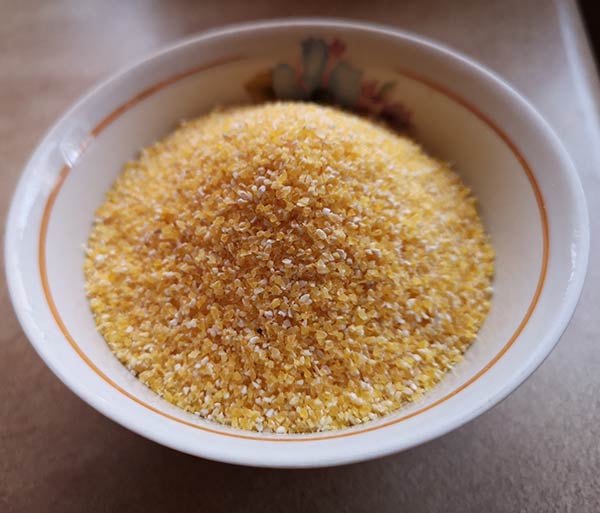
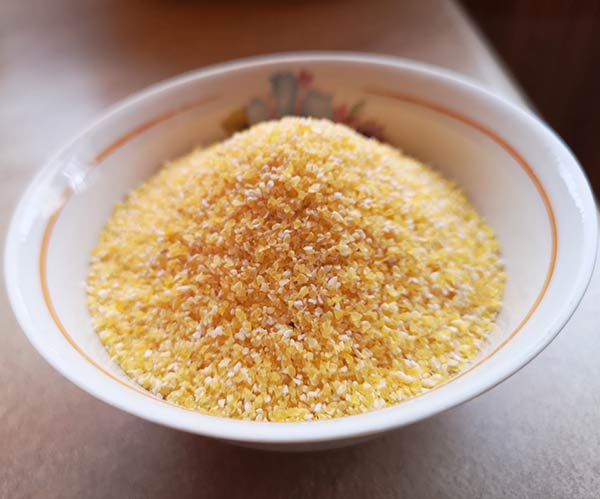
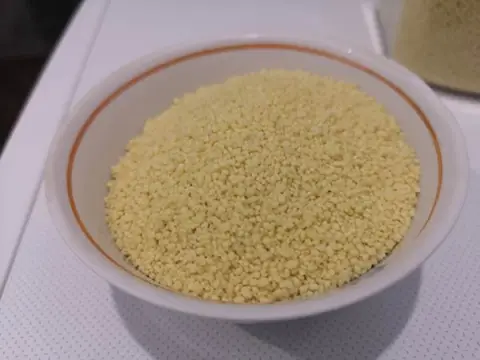
- cornmeal (fine grind) - 1 cup;
- purified drinking water - 3 cups;
- salt - 1/4 teaspoon;
- butter - a small piece.
Preparation:
- First rinse the grain thoroughly, placing it in a pot of water. Change the liquid several times until the water is clear.
- In a pot with a thick bottom, pour in the required amount of drinking water. For crumbly porridge, pour in 3 cups of liquid; for liquid corn porridge, 5 cups.
- Put the pot on high heat and wait for it to boil. Add salt, the rinsed cornmeal, and stir thoroughly with a spoon.
- Wait for the porridge to boil. To avoid lumps, continuously stir the dish. Stir with movements from the bottom up, carefully lifting the grain from the bottom to the surface.
- As soon as the corn porridge boils, turn down the heat and cook for no more than 30 minutes. After 20 minutes you can check for readiness — if the grains are soft inside, remove from the stove. If not, cook for another 10 minutes.
- Stir the porridge once every few minutes with a wooden spatula. Despite cooking in thick-walled cookware, do not neglect this rule.
- Add a piece of butter, turn off the heat, and leave covered for 10-20 minutes.
- Serve at the table as an independent dish, garnished with pieces of fruit or raisins. You can sprinkle the corn porridge with sugar.

Corn porridge with milk and pumpkin
Sweet and fragrant pumpkin goes perfectly with corn grits and decorates the usual dishes that are served for breakfast day after day. The dish prepared according to this recipe will be enthusiastically received by the whole family. The porridge with pumpkin turns out appetizing, fragrant, tasty, and the color of the dish changes from the usual yellow hue to bright orange.
Ingredients:
- corn grits - 1 cup;
- peeled pumpkin - 300 grams;
- drinking water - 1 cup;
- milk - 3 cups;
- sugar - 3 tablespoons;
- salt - 1 pinch;
- butter - 30 grams.
Cooking process for porridge:
- Cut the fresh pumpkin into cubes of equal size, remove the seeds and fibers. Rinse the cubes in water and place them in a pot.
- Boil the pumpkin in a pot with water for 15 minutes, starting the timer from the moment of boiling. Cook over medium heat; do not boil at maximum power as the flesh may stick to the bottom.
- While the pumpkin is stewing, prepare the grits — clean from plant debris, rinse in several waters until the liquid becomes clear. You can wash the corn under running water in a sieve.
- Leave the boiled pumpkin in whole pieces or blend it with a blender. This decision is made by each home cook independently, depending on taste preferences.
- Add the corn grits, salt, and sugar — stir thoroughly with a spoon.
- Heat the milk in the microwave or in a separate pot. Bring to a boil.
- Pour the hot milk into the porridge and cook over low heat until thickened. The cooking time depends on the degree of grinding of the grits, but usually corn grits are cooked for at least 25-30 minutes.
- At the very end, taste the dish — if necessary, add a little salt and sugar. Put a piece of butter, mix, and turn off the stove. Cover the pot with a tight lid.
- To achieve a more rich and deep flavor, let the porridge sit for 10-15 minutes.
- Serve the dish in deep bowls. This amount yields 2 adult servings. To prepare for a family of 4, take twice as many products.
How to cook corn porridge in a multicooker

Show ingredients
To prepare a healthy and tasty dish quickly and at any convenient time, cook it in a multicooker. If your device has a "delayed start" function, that is wonderful. The multicooker will start up on its own in the morning and cook porridge while you are still resting. When you wake up, a thick appetizing corn porridge will be waiting for you.
Ingredients for the dish:
- corn grits - 1 cup;
- sugar - 3 tablespoons;
- drinking water - 2.5 cups;
- butter - 30 grams;
- salt - to taste.
Preparation:
- Pour water into the multicooker bowl, add rinsed corn grits, sugar, salt, and a piece of butter.
- Place the bowl in the device and tightly close the lid. The porridge must be cooked with the lid on; it is only opened if the dish needs to be stirred.
- Turn on the "Porridge" mode. If the grits are large-grained, set the timer for 35 minutes; if fine-grained, 20 minutes.
- If you like very soft porridge, turn on the "keep warm" mode for half an hour after the signal. On low heat, the grains soften and the mass becomes tender and thick.
- Serve the finished dish in bowls at the table. Porridge cooked with water goes wonderfully with jam, preserves, or sweet-and-sour sauce.
How to cook corn porridge in a microwave
Corn porridge can be cooked in a microwave. It never burns while cooking and the process takes just a few minutes. A great solution when you need to prepare a hearty and healthy dish for breakfast in no time.
Step-by-step instructions:
- Rinse finely ground cornmeal (90 grams) in a sieve under running water or in a pot, changing the water several times.
- In a clean microwave-safe dish, combine the cornmeal with sugar (10 grams) and pour in boiling water (350 ml).
- Stir with a spoon and place the dish in the microwave. Cook on maximum power for 3 minutes, then stir with a wooden spoon.
- At the same power, cook for another 2 minutes — cover the dish with a lid.
- It will turn into a thick dense mass. Add 100 ml of hot water and a piece of butter, stir, and put it back in the microwave.
- Set the settings to 600 W and the timer for 7 minutes. After this time the porridge will be ready to serve. Enjoy your meal.
Corn porridge in a pot
Corn can also be cooked in pots. Oven-baked porridge turns out rich, juicy, and very appetizing. If desired, the dish can be served with dried fruits, pieces of fresh fruits, and nuts.
Ingredients for one serving:
- cornmeal - 50 grams;
- drinking water and milk - 100 ml each;
- salt - a pinch;
- butter - 10 grams.
Cooking process for the dish in a pot:
- Soak the cornmeal in water and stir with a spoon — drain the liquid. Repeat once more. Change the water until it becomes clear. Three times is enough.
- To prevent the clay pot from cracking during heating, soak it in water for 15 minutes.
- Pour milk and water into the pot, then add the cornmeal with salt. Stir with a spoon.
- Preheat the oven to 180 degrees. Place the pot in the oven and let the porridge cook.
- After 30 minutes, take the pot out, stir the porridge with a spoon, and put it back.
- Cook for another 15 minutes. Do not reduce the temperature; keep it the same.
- Turn off the oven, do not take out the pot, let the porridge steep.
- Serve on plates with a piece of butter. Enjoy your meal.
Knowing the nuances and tricks of the porridge cooking process can diversify your table and delight the whole family with a delicious and healthy dish.
Tips and Tricks
Tip 1. Use a heavy thick-bottomed pot for stovetop cooking. Thin pots produce uneven heating that causes burning at the bottom while the top stays raw. Heavy pots distribute heat gently and evenly, producing properly cooked porridge throughout. The pot quality matters dramatically for stovetop porridge success regardless of the cook’s skill level.
Tip 2. Stir continuously while adding cornmeal to boiling water to prevent lumps. Lumps in cornmeal porridge are nearly impossible to break up after they form — prevention through constant stirring is the only reliable approach. The same lump-prevention technique applies to similar grain preparations including semolina porridge and other ground-grain porridges.
Tip 3. Maintain the proper grain-to-liquid ratio for desired consistency. 1:3 produces thick porridge suitable for sides; 1:5 produces liquid porridge suitable for breakfast bowls. Adjust based on whether you want firm or pourable results. The ratios are essentially fixed laws — deviations produce predictable disappointments.
Tip 4. Let the porridge rest covered for 10-20 minutes after cooking. The rest lets the grains fully absorb remaining liquid and develop the proper soft texture. Serving immediately produces slightly grainy results; the patience-rewarded approach produces noticeably better porridge. Pair finished porridge with crusty homemade bread for a complete satisfying meal.
FAQ
Why is my cornmeal porridge lumpy?
The cornmeal was added too quickly to the water without stirring, or the water was not at full boil when added. To fix: pour cornmeal in a slow steady stream while stirring vigorously with a whisk. The continuous motion prevents the cornmeal from clumping. Some lumps can be broken up with continued stirring during cooking, but prevention through proper technique is much more reliable than fixing after the fact.
Can I use cornmeal flour instead of grits?
Yes — finer grinds produce smoother porridge that cooks faster (10-15 minutes vs 30 minutes). Adjust water slightly upward (3.5 cups instead of 3) since finer grinds absorb more liquid. The flavor is essentially identical; the texture differs based on grind size. Choose based on personal preference for smooth or grainy texture.
How long does cooked cornmeal porridge keep?
Stored covered in the refrigerator, cooked porridge keeps for 2-3 days. The texture firms up significantly when chilled — reheat with extra liquid (water or milk) to restore the proper consistency. The chilled firm porridge can also be sliced and pan-fried like polenta for delicious leftover transformations. Excellent versatility from a single batch.
What other grains work in similar preparations?
Polenta (which is essentially cornmeal porridge under a different name), grits, semolina, oatmeal, buckwheat, millet, and rice all use similar techniques. Each grain has slightly different liquid ratios and cooking times. The basic principle — rinse, combine with proper liquid amount, simmer covered, rest covered — applies across the grain-cooking spectrum.