How to Properly Cook Oatmeal – The Simplest Ways

Do you remember the famous oatmeal cooked in milk — tasty, viscous, and moderately sweet? A properly cooked porridge is liked not only by adults but also by children. It is prepared in just a few minutes — small flakes cook quickly and turn into a thick mass.
How much benefit there is in Hercules porridge is endless. One could write an entire book titled "Healing Grain" describing all the positive qualities of this product, its chemical composition, and reviews from home cooks. Many people have improved their figure by eating Hercules porridge daily. This complete guide covers all types of oatmeal available, methods for cooking with milk, microwave preparation, slow cooker techniques, and traditional whole-grain crushed oatmeal preparation.
What types of oatmeal are there
- Whole oat grits of the first or second grade. In the production process oats are well heated, steamed, then dried. The grains are polished before packing. Whole grits cook for a long time (up to 50 minutes) but are the most nutritious — they retain a lot of vitamins and minerals that disappear with extensive processing. Recommended for adults; not introduced into the diet of children under three years.
- Crushed oatmeal. By grinding cleaned oat grains, crushed grits are produced. Wonderful for making milk porridge. The average cooking time is 40 minutes.
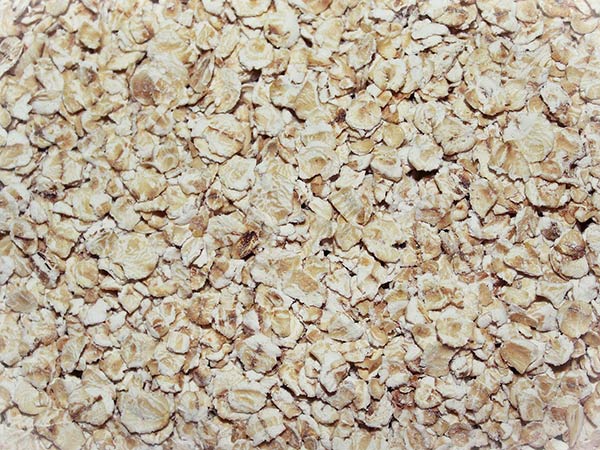
- "Hercules" flakes — the most popular product, familiar to many from childhood. The production process includes several stages: steaming, separating from embryos, removing husk. The grains are flattened and turned into flakes by passing through rollers. Porridge made from flakes cooks in average 20 minutes.
How to cook oatmeal in milk
Oatmeal cooked in milk is the ideal breakfast for both children and adults. It is hearty, nutritious, healthy, and very appetizing if cooked according to all the rules. To make the dish amazingly tasty, know some tricks and nuances; maintain the proportion of liquid to flakes, otherwise the porridge will be dry or too liquid.
To cook milk porridge, take the following ingredients:
- Extra No.2 oat flakes - 1 cup;
- milk (3.2% fat) - 2 cups;
- salt - 2 pinches;
- sugar - 1 tablespoon;
- butter - 30 grams.
Preparation:
- Measure the required amount of ingredients using a measuring cup. You can use a regular glass cup with volume 200 ml.
- Fill a saucepan with milk and place on the stove. Set the power to maximum.
- As soon as the milk starts to boil, reduce the stove heat by exactly 40% so the liquid does not boil too violently. Pour in the flakes and mix well.
- Cook the porridge for 10 minutes. Stir periodically with a spoon, otherwise the porridge will burn to the bottom.
- Add sugar and salt 1 minute before cooking is finished. At the same time, add butter.
- Taste the milk porridge to determine readiness. If the flakes are soft and the porridge has thickened, it is time to remove the pot from the stove.
- Cover the pot tightly with a lid and let the porridge sit on the turned-off stove for a couple of minutes.
- Serve the oatmeal in bowls. You will not need to call the children — they will come running on their own, drawn by the enticing aroma of the milk porridge.
It is useful to know. All children love sweets. To make sure children devour oatmeal in the morning, add sweet dried fruits, changing them every day. Today raisins, tomorrow prunes, the day after apricots, etc.

How to cook oatmeal in the microwave
Show ingredients
Cooking porridge in a pot is difficult because you must constantly stir the product with a spoon, otherwise the flakes stick to the dish. In the microwave the dish cooks quickly and easily. The cooking process takes very little time, and you end up with delicious porridge with all flakes swelling properly.
To make the porridge, take the following ingredients:
- oat flakes - 80 grams;
- milk - 100 ml;
- drinking water - 150 ml;
- butter - 2 tablespoons;
- sugar and salt - to taste.
The process of cooking porridge in the microwave:
- Take the ingredients from the list. Flakes packed in the bag are clean — they are not sorted or washed. Loose Hercules should preferably be sorted and rinsed.
- In a microwave-safe container, place the flakes and pour in clean drinking water.
- Put the oatmeal in the microwave on maximum power. Hold for 3 minutes.
- After the specified time, take the dish out and add sugar and salt. Mix well.
- Pour room temperature milk into the container and return to microwave at maximum. Cook for 3 minutes.
- Turn off the microwave and slightly open the lid. Transfer the dish to the table and mix with butter.
- Divide the porridge into portions and serve. You can add pieces of fruit (bananas or apples) or pre-soaked dried fruits.
It is useful to know. The cooking time is approximate. Some types of flakes cook for 15 minutes, while the smallest take no more than 5 minutes. The choice of time is individual.
How to cook oatmeal in a slow cooker
Many home cooks prepare oatmeal for breakfast. But in the morning there is very little free time — you need to help the children get ready, prepare for a new workday, and also make breakfast.
To make life easier, have a slow cooker at home. This indispensable helper will do all the work — cook wonderful porridge and keep it warm. Once you have made milk porridge in a slow cooker, you will never want to cook it on the stove in a pot.
The products needed:
- oat flakes - 1 cup;
- milk - 4 cups;
- sugar - 2 tablespoons;
- salt - 0.5 teaspoon;
- butter - a small piece.
Preparation:
- Open the package of oat flakes. Measure the contents with a cup. Pour into the slow cooker bowl, add salt, sugar, and butter.
- Pour the oat flakes with milk. To speed up the cooking process, pour hot milk over the Hercules.
- Close the device with the lid and activate the "Milk Porridge" mode. If this function is not available, activate "Porridge" mode.
- Set the cooking time if the multicooker does not calculate it automatically based on the amount of ingredients.
- The multicooker will do all the work for you — the porridge will turn out soft and very tender. Serve with raisins, dried apricots, or bananas. Enjoy your meal.

How to cook crushed oatmeal
Oatmeal cooks longer than Hercules but the result is a delightful porridge rich in vitamins and minerals.
For 1 cup of crushed oatmeal, take 4 cups of water and half a teaspoon of salt.
The process of cooking porridge on the stove:
- Pour cold water into a large pot and salt it.
- Rinse the crushed oatmeal several times until the liquid becomes clear.
- On the stove, bring the water to a boil, then reduce the heat.
- Pour the oatmeal into the boiling water and stir well with a wooden spoon.
- Do not stop stirring the porridge in the pot. Cook for half an hour after the second boil, or at most 40 minutes.
- Determine readiness — taste the porridge. If grains are soft inside, it is time to finish.
- The oatmeal turns out thick and fragrant if left under the lid for 15-20 minutes after cooking.
- The porridge is poured into bowls — handed out to children and adults.
Useful to know. To make porridge soft and cook faster, soak the grains in water overnight.
Try cooking oatmeal using these recipes and you will not be disappointed.
Tips and Tricks
Tip 1. Use Extra No.2 flakes for the best balance of nutrition and convenience. Extra No.1 takes too long for everyday breakfast; Extra No.3 instant flakes are too soft and lose much nutritional value. The middle option produces creamy properly textured porridge in 10 minutes — the sweet spot for most home cooks. Match the flake type to your specific cooking method and time available.
Tip 2. Use whole milk and quality butter for the most luxurious version. Reduced-fat milk and margarine produce noticeably inferior results. The fats carry flavor and produce the creamy texture that defines great oatmeal porridge. The same quality-dairy principle applies to many porridge preparations including how to properly cook millet and similar grain-based morning meals.
Tip 3. Stir frequently to prevent burning at the bottom of the pot. Oatmeal flakes settle to the bottom and burn quickly without regular stirring. The 30-second stirring every 2-3 minutes throughout cooking produces uniformly cooked porridge with no scorched bottom. Use a wooden spoon for the gentlest action that does not damage the cooking surface.
Tip 4. Top with fruit, nuts, honey, or jam for variety. The mild base accepts virtually any sweet topping — berries, banana slices, raisins, walnuts, almonds, pecans, maple syrup, brown sugar, cinnamon, or even savory toppings like cheese for adventurous eaters. Pair with crusty homemade bread for a complete satisfying breakfast experience.
FAQ
Why is my oatmeal lumpy?
The flakes were added all at once instead of in a steady stream while stirring. To fix: add flakes slowly while stirring continuously, and use a whisk rather than a spoon for the most reliable lump-prevention. Some lumps can be broken up with vigorous stirring during cooking, but prevention through proper technique produces dramatically better results than fixing afterward.
Can I make overnight oats with these flakes?
Yes — combine 1/2 cup flakes with 1/2 cup milk and 1/4 cup yogurt in a jar, add desired toppings, refrigerate overnight. The flakes soften without cooking, producing creamy cold breakfast ready to grab in the morning. Use Extra No.2 or No.3 flakes for best texture; Extra No.1 stays too chewy in cold preparation. Excellent meal-prep option for busy mornings.
How long does cooked oatmeal keep?
Stored covered in the refrigerator, cooked oatmeal keeps for 4-5 days. The texture firms up significantly when chilled — reheat with extra milk or water and stir vigorously to restore creamy consistency. The cooked porridge does not freeze well due to texture changes upon thawing. Best made fresh in single-meal portions for peak quality and minimal effort.
Are steel-cut oats different from Hercules flakes?
Yes — steel-cut oats are essentially what is called "crushed oatmeal" in this recipe. They have nuttier flavor and chewier texture than rolled flakes, but require longer cooking (40-60 minutes vs 10-20 minutes for flakes). Steel-cut oats are popular in American cuisine; rolled flakes (Hercules) are popular in Russian and European cuisines. Both are nutritionally similar with slightly different cooking properties.