Write a comment
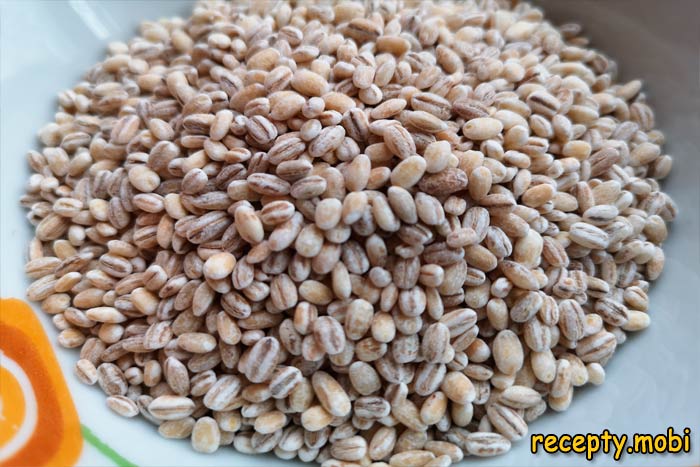
Pearl barley

How to Properly Cook Pearl Barley – The Simplest Methods

  • Rules for choosing quality grains

    The most delicious nutritious porridge comes from high-quality pearl barley. To choose the right product in the store, follow these basic rules:

    1. Packaging. First, pay attention to the integrity of the package — no scratches, holes, or significant dents. Transparent packaging is preferable since you can spot poor grains and ensure no debris.
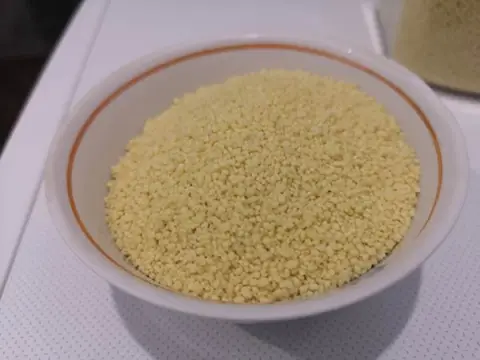
    2. Color. Take a good look at the grain color before putting the package in your basket — this indicates fresh or spoiled product. Color varies from white to yellow. Greenish tints are acceptable.
    3. Flowability. Well-dried grains do not clump together in the package. Turn the package upside down — if grains roll separately, the product is high quality.
    4. Shelf life. Study the package information for freshness. Find the "Best before" date. Expired grains are hard, take long to cook, and lose some beneficial properties.
    5. Presence of debris. If the package is transparent, easier to spot debris. Cleaner pearl barley means less prep time before cooking.

    How to properly store pearl barley at home

    To keep the product fresh long-term, store in a dry place without foreign odors (kitchen cabinet), pouring it into a container with a tight lid. The closed cabinet protects the grains from sunlight and moisture. Shelf life varies depending on grain processing method, but usually pearl barley stores for up to a year. Complete information always appears on the packaging.

    Do you need to soak pearl barley before cooking

    Soaking the grains makes them more tender and soft, significantly reducing cooking time. Skip this procedure and pearl barley needs cooking longer — at least 1 hour. Soaking grains also removes inhibitors that contribute to prolonged storage but are harmful to the human body. Soaking removes excess starch from the grain surface that makes cooked grains slimy. To achieve a crumbly side dish, leave the pearl barley in water for a couple of hours.

    Conclusion: Soaking pearl barley is not mandatory; it cooks either way. However, to speed up the cooking process and ensure the dish is tasty and nutritious, soak the pearl barley overnight so you can start cooking in the morning.

    Pearl barley

    How to soak pearl barley before cooking

    The soaking process does not take much effort or time. You need grains, a deep bowl, and drinking water. When choosing the container size, consider that grains swell and double in size. Thoroughly rinse the grains in several waters and remove debris. Transfer to a glass container and cover with cold water completely covering the grains. For porridge, soak 2-3 hours. For pickle soup, use the most crumbly grains — soak 5 to 12 hours.

    How long to cook pearl barley until ready

    The cooking duration is influenced by two factors:

    1. Storage period. Fresh grains cook faster than long-stored ones.
    2. Soaking. Cooking time increases significantly when dry grains go directly into water.

    To achieve a crumbly side dish, boil pre-soaked grains for 40 minutes from boiling; thicker porridge takes about 1 hour. Without pre-soaking, pearl barley cooks up to 1.5 hours, sometimes 1 hour suffices.

    How to cook pearl barley porridge in milk

    Pearl barley porridge is rarely seen on our tables, which is undeserved. It ranks high in beneficial substances and is very tasty when prepared correctly. Below is a tried recipe for milk porridge with pearl barley. Ingredients: peeled pearl barley - 1 cup (200 ml), milk - 1 liter, butter - 30 grams, cream - 100 ml, salt - 0.5 teaspoon, sugar - 0.5 tablespoon.

    Preparation:

    1. Prepare the grains for cooking porridge — remove plant debris and rinse thoroughly. Transfer to a saucepan, cover with cold water, and leave at least 3 hours (overnight is better).
    2. The main "highlight" of the recipe is choosing the right cookware. To make the dish truly delicious, cook in two pots (one larger and one smaller).
    3. Drain the soaked pearl barley in a colander, then transfer to the saucepan with milk. Bring milk to a boil. In a large pot, heat water.
    4. Place the small pot with milk and grains into the larger pot with boiling water. Once the water comes to a boil again, reduce stovetop heat to minimum. Cover the pot with porridge with a lid.
    5. Simmer the porridge in a "water bath" for 3 hours. Periodically check water level in the large pot, adding boiling water as needed.
    6. The risk of dish burning is minimized with this cooking method. Stir the porridge a couple of times to ensure grains cook evenly.
    7. Add salt, sugar, and cream to the porridge at the very end, and place a piece of butter just before serving.
    8. Taste — if grains are soft, the dish is ready. Turn off the heat.
    9. Serve hot porridge in bowls and enjoy. Bon appétit.

    How to cook pearl barley porridge in a multicooker

    Pearl barley grain

    Show ingredients

    It's easiest to prepare pearl barley porridge using a multicooker. The main advantage is no constant stirring needed. You'll get an amazing result if you follow all proportions. Ingredients: pearl barley - 1 cup, drinking water - 1.5 cups, milk - 1.5 cups, salt - to taste, sugar - 1 tablespoon, butter - 1 piece.

    Preparation:

    1. Rinse grains multiple times, then soak for a couple of hours to swell. Drain prepared pearl barley in a colander and rinse thoroughly under cold running water.
    2. Bring water and milk to a boil. In the multicooker bowl, place grains, add milk and water, plus sugar and salt.
    3. Start cooking porridge in "Pilaf" or "Stew" mode. Set time manually starting with 50 minutes. Close the multicooker lid tightly.
    4. After time is up, add a piece of butter. Select "Warm" mode. Let the dish sit under the lid for 10 minutes.
    5. The dish is ready — plate and serve. Pairs wonderfully with dried fruits, jam, honey, or berries. Bon appétit.

    How to cook pearl barley as a side dish without soaking

    The most delicious dish comes from pre-soaked grains, but free time is not always available, especially if cooking pearl barley as a side dish spontaneously. Dry grains make a wonderful side for meat and fish dishes, just take much longer to prepare. Ingredients: pearl barley - 1 cup, drinking water - 5 cups, sunflower oil - 1 tablespoon, salt - 0.5 tsp.

    Preparation:

    1. Sort grains, selecting highest quality (without dark spots and damage). Rinse pearl barley, changing water several times until transparent. Remove floating debris.
    2. Transfer grains to a pot and pour in 3 cups of water. Place pot on stove. When water boils, reduce heat to minimum and cook 7 minutes. Drain pearl barley in a colander and pour off water.
    3. In a clean pot, transfer pearl barley, add sunflower oil and water (2 cups). Salt. Cook from boiling 20-25 minutes on low heat. Slightly open the lid, do not close completely. Stir often with a spoon to prevent burning.
    4. Taste the side dish. If grains are hard, increase cooking time 5-10 minutes, adding hot water if necessary.
    5. Turn off the stove. Place pot on table, cover well, and let dish steep about 15 minutes. Pearl barley prepared this way turns out crumbly and very tasty.

    Mistakes when cooking pearl barley

    Sometimes novice cooks make mistakes that result in unappetizing pearl barley:

    1. The dish burned to the bottom of the pot during cooking. Usually due to not following the water-to-grain ratio. Small liquid amounts are quickly absorbed, causing the pearl barley to burn. Sometimes happens when cooking on high heat.
    2. Unpleasant smell of finished porridge. Most likely the grains were stored with strong-smelling products. Expired shelf life can also cause unpleasant smell.
    3. Pearl porridge turned sticky and clumpy. Porridge from poorly rinsed grains often turns out sticky. Pearl barley stored in damp environment should not be used.

    You can prepare a variety of nutritious healthy dishes from pearl barley, so it is worth buying this product at least occasionally. Now you know different ways to cook pearl barley properly.

    Tips and Tricks

    Tip 1. Always soak pearl barley overnight when possible. The 8-12 hour soak transforms the grain’s character — cooking time drops dramatically and texture becomes far more pleasant. Quick-cook pearl barley exists but lacks the depth of properly soaked traditional grain. The same overnight-soak principle elevates other tough grains like wheat berries, farro, and dried beans.

    Tip 2. Use a heavy-bottomed pot to prevent scorching. Thin pots create hot spots that burn the bottom layer while the top stays raw. Cast iron or thick stainless steel distributes heat evenly across the long simmer time. The same heavy-cookware principle elevates many slow-cooked grain dishes including sushi rice preparation and other patient grain cooking.

    Tip 3. Add salt only at the end of cooking, not the beginning. Salt added early can toughen the grain skins and slow water absorption. Adding salt after the grains are tender allows proper seasoning without affecting cooking texture. The same end-salt principle applies to most grain and legume cooking where tenderness matters.

    Tip 4. Serve hot with a generous knob of butter and fresh herbs. The butter melts into the warm grains, adding richness that transforms simple porridge into something special. Pair with crusty homemade bread for a complete satisfying breakfast. Sweet versions (with milk, sugar, butter, and dried fruit) suit morning meals; savory versions (with herbs, broth, and meat) make hearty side dishes.

    FAQ

    What is the difference between pearl barley and other barley products?

    Pearl barley has been polished to remove the bran and outer hull, producing the round white-cream colored grain familiar in Russian and Eastern European cooking. Pot barley retains more of the bran for higher fiber content. Hulled barley keeps the bran but removes only the inedible outer hull. Pearl barley cooks fastest of the three and produces the silkiest texture, which is why it dominates traditional porridge and soup recipes.

    Why does my pearl barley turn out gummy?

    Either too little water or insufficient rinsing before cooking. Use the proper 1:5 ratio for crumbly side dishes (much more water than rice needs). Rinse the grains thoroughly under running water until the water runs clear — this removes excess surface starch that causes gummy texture. The double-rinse before and after soaking produces the cleanest finished texture.

    How long does cooked pearl barley keep?

    Stored covered in the fridge, cooked pearl barley keeps for 4-5 days. The flavor improves on day two as residual moisture distributes evenly. Reheat with a splash of water or broth to restore moisture. The grain freezes well for up to 3 months in portion-sized containers; thaw overnight in the fridge before reheating. Pre-cooked pearl barley speeds up many soup and pilaf recipes throughout the week.

    Can I cook pearl barley in a slow cooker?

    Absolutely. Combine 1 cup soaked pearl barley with 3 cups water or broth in a slow cooker. Cook on low for 6-8 hours or on high for 3-4 hours. The set-and-forget convenience makes the slow cooker ideal for busy schedules. The grain emerges tender and creamy with minimal active attention. Add seasonings at the start; the long cook fully integrates flavors throughout the grain.

    Write comments...
    symbols left.
    or post as a guest
    Loading comment... The comment will be refreshed after 00:00.

    Be the first to comment.