How to Properly Cook Rice for Sushi – The Simplest Methods

How to choose rice for sushi
To make authentic Japanese sushi, you need to use the right rice. When choosing a quality product, follow these simple rules:
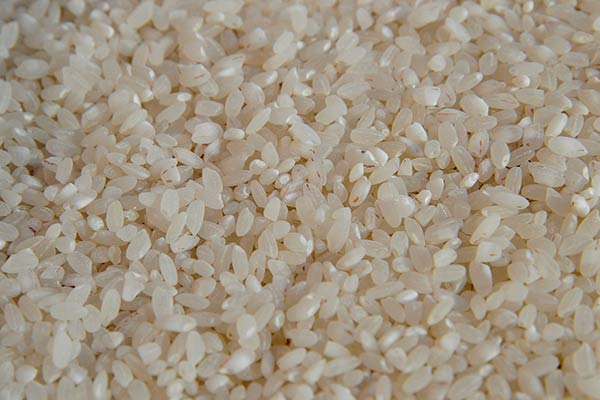
- Buy medium-grain rice. This variety leads in starch content, which makes the porridge sticky. Sushi made from such rice does not crumble and shapes easily.
- Size and shape. The grains should be uniform size and maintain integrity. Refuse to buy if you find starchy dust, broken pieces, or bits in the packaging.
- Smell. Rice quickly absorbs odors, so check its smell to ensure proper storage. Quality rice has a pleasant slightly milky aroma.
- Color. Only opaque white rice is suitable for sushi. If grain color deviates significantly from this standard, refrain from purchasing.
- Suitable varieties. Whenever possible, buy sushi rice and koshihikari rice. Such products are extremely rare in regular grocery stores and can be found in large supermarkets in special sections.
How to cook rice for sushi on the stove
Rice is quite simple to cook in a pot with water; the main thing is to calculate the cooking time correctly so the grains do not overcook. Ingredients: medium-grain rice - 1 cup, sugar - 0.5 tablespoons, salt - 0.5 teaspoons, water - 1.5 cups, rice vinegar - 50 ml.
Preparation:
- Thoroughly sort the grains, as there may be plant debris or even small stones. Spending an extra 5 minutes guarantees a quality product.
- Place the rice in a deep sieve, immerse in cold water, and wash thoroughly. Change the water at least 2-3 times until it becomes clear. This removes dust and impurities.
- Place the sieve with rice over an empty pot and let sit for 40 minutes. The grains dry slightly and excess water drains.
- Put the rice in a pot and cover with cold water. Turn stove to medium power and place the pot on it. Bring to a boil.
- Reduce heat to minimum as soon as the water boils. Cover with a lid. Cook the grains until done for 15-20 minutes.
- Do not remove the lid during cooking and do not stir the rice. Cooking on low heat minimizes the risk of grains sticking to the bottom.
- While the rice cooks, simultaneously prepare the dressing. In a small pot, pour rice vinegar and add salt and sugar. Cook over low heat, stirring until the dry ingredients dissolve completely. Remove from stove.
- When all water has evaporated from the pot with the rice, turn off the stove and leave covered for 10 minutes.
- Transfer the rice from pot to bowl. Pour in the dressing and gently stir with a wooden spatula. Form sushi when the rice cools to room temperature.
Helpful to know. When stored in the refrigerator, cooked rice becomes hard and is not recommended for sushi preparation. Using "stale" rice spoils the taste of the final dish.

How to cook rice for sushi in a rice cooker
Show ingredients
A modern kitchen appliance ensures even heating, so the rice does not stick to the pot during cooking. The shape and structure of the ingredient remain unchanged — a big plus over stovetop cooking. Here is how to cook rice in a rice cooker:
- Clean the grains from production debris and rinse thoroughly in several waters. Wash in a regular pot or in a sieve under running water.
- In the bowl of the multicooker, pour in the rice and add water in a 1:1.5 ratio (for 1 cup of grains - 1.5 cups of water).
- Place the bowl in the multicooker and tightly close the lid. Set the appropriate cooking mode — "Rice" or "Buckwheat." The multicooker automatically sets the cooking time; if not, set 20 minutes manually.
- When the device signals that cooking is done, unplug it and let the rice sit under the lid for 10 minutes.
- Transfer the finished product to a bowl and dress with the rice vinegar mixture of salt and sugar. The cooled rice at room temperature is ready for sushi.
Secrets of cooking rice for sushi
By adhering to the basic cooking rules, achieving a quality base for sushi is not difficult. A few important secrets:
- Type of grain. Ordinary medium-grain rice works for sushi, but special Japanese rice produces better results — this product can sometimes be found in large supermarkets.
- Maintaining the rice-to-water ratio of 1:1.5. When boiling, do not decrease or increase the liquid amount — strictly adhere to the ratio.
- Cleaning the product. Rinse the rice several times, changing the water until it becomes transparently clear. Remove floating grains and debris.
- Adding seasoning to the water. Place kombu seaweed in a pot of cold water and bring to a boil. Remove the seasoning before boiling, otherwise the rice taste suffers.
- Dressing. The secret to delicious sushi is vinegar dressing. Pour over the cooked rice and gently mix with a wooden spatula. Do not stir vigorously, or the rice turns to mush.

How to correctly prepare "Philadelphia"
After learning to cook rice for sushi, master the simplest recipe for a Japanese dish. To cook sushi at home, gather: nori sheet - 1/2 part, Philadelphia cheese - 20 grams, salmon - 40 grams, cooked rice - 120 grams, cucumbers - 15 grams.
Preparation:
- Lay a bamboo mat on the kitchen table and place a layer of plastic wrap on top.
- Place the nori sheet on the plastic wrap, smooth side down. The rough side should be on top.
- In the center of the sheet, place the cooked rice and spread evenly across the entire surface with a spoon. Make sure the rice extends beyond the bottom edges, while the top remains free (about 1 cm).
- Carefully lift the preparation, place plastic wrap on the mat, and turn the nori rice-side down onto it.
- Finely chop the rinsed cucumbers into thin strips. Squeeze cheese into the center of the nori sheet and place chopped cucumbers next to it.
- Fold the edges of the mat over the preparation. Gently press and form the sushi. To give the dish the correct shape, compress the mat from the sides and top.
- Remove the sushi from the plastic wrap. Cut the salmon into thin pieces and place on the formed rolls. Reform the rolls with the bamboo mat.
- Cut the sushi into portioned pieces with a sharp knife and serve. Enjoy your meal.
To ensure sushi are always aromatic and tasty, learn to properly cook rice — it is the main ingredient in this Japanese dish. The tips from this article will help master the skill of sushi preparation at home.
Tips and Tricks
Tip 1. Rinse the rice until the water runs completely clear. Most home cooks stop rinsing too soon, leaving residual starch that makes finished sushi rice gummy rather than properly sticky. Five or six rinses is normal for fully clean rice. The thorough rinsing is the most important single step in sushi rice preparation. Skip it and the rice quality suffers regardless of all other techniques.
Tip 2. Use real Japanese sushi rice when possible. Generic medium-grain rice works but produces inferior results compared to proper Koshihikari or sushi-marked varieties. The starch composition of true sushi rice gives the perfect sticky-but-distinct grain texture that defines great sushi. The same quality principle elevates other rice-based dishes including pearl barley preparation and other grain-focused recipes.
Tip 3. Cool the cooked rice with a fan or by spreading it thin. Sushi rice should reach body temperature (37°C) before being shaped. The traditional Japanese method uses a wooden bowl (hangiri) and a fan to cool the rice while cutting in the vinegar dressing. Home cooks can use a wide bowl and stir gently to distribute the dressing while cooling.
Tip 4. Wet your hands with water before handling sushi rice. Dry hands stick to the sticky rice and produce torn, messy results. The water acts as a barrier that lets you shape the rice cleanly. Many sushi chefs keep a small bowl of vinegar-water (called tezu) at hand for constant moistening. Pair finished sushi with crusty homemade bread on the side for a fusion meal that satisfies multiple cravings.
FAQ
Why is my sushi rice mushy?+
Three usual causes: too much water in the cooking ratio, overcooking, or stirring too vigorously when adding the dressing. Stick strictly to the 1:1.5 rice-to-water ratio. Cook only as long as the recipe specifies and let it steam covered after. Use gentle folding strokes with a wooden spatula when adding the vinegar dressing — never stir like risotto. Sushi rice should be sticky enough to shape but with distinct visible grains.
Can I use brown rice for sushi?+
Technically yes, but the result is dramatically different from traditional sushi. Brown rice is less sticky than white sushi rice, making it harder to shape into rolls. The flavor is nuttier and more substantial. If trying brown rice sushi, increase the water (1:2 ratio) and cooking time (40-50 minutes). The result is healthier but less authentic. Many traditionalists prefer to stick with white rice for the proper sushi experience.
How long does cooked sushi rice keep?+
Sushi rice is best used within 4 hours of cooking, while still at body temperature for shaping. Refrigerated rice becomes hard and unsuitable for sushi within hours. The starch retrogrades quickly in cold temperatures. For meal prep, cook fresh rice for each sushi-making session rather than trying to store and reuse. Leftover sushi (already assembled) keeps for a day in the fridge but should be eaten the same day for best quality.
What rice vinegar is best?+
Look for unseasoned rice vinegar from a Japanese brand — Marukan and Mizkan are widely available and reliable. Pre-seasoned "sushi vinegar" (already mixed with sugar and salt) saves a step but offers less control over the final flavor. White wine vinegar can substitute in a pinch but produces a sharper, less authentic taste. Apple cider vinegar does not work — the apple flavor competes with the rice and fish.