How to store flour, sugar, yeast, and spices – tips and charts
Proper storage of pantry staples like flour, sugar, yeast, and spices makes a big difference to the quality of your baking. The right conditions determine whether pests get into your grains, whether the flour absorbs moisture, whether the spices keep their aroma, and whether the yeast stays active. This guide explains in detail where, how, and in what containers to store each of these products, along with shelf-life figures and handy tips and tables. It also shows how to protect flour from insects, how to keep sugar from clumping, and how to preserve spice aroma for years. Bookmark it as a quick reference.
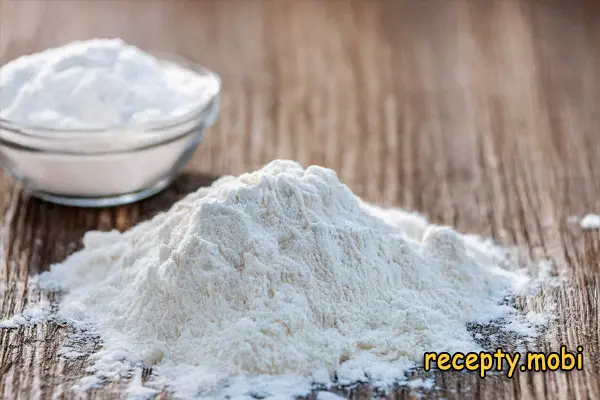
To ensure your baked goods always turn out well, it's important to store ingredients correctly. If the flour gets damp, the yeast spoils, or the spices lose their aroma, even a good recipe won't help. In this article you will find simple tips and tables covering where, how, and how long to store flour, sugar, yeast, and spices.
Why this is important
- The quality and shelf life of your ingredients depend on proper storage.
- Storage mistakes can lead to insects in the flour, sugar crystallization, mould on yeast, and a complete loss of aroma in spices.
- It also saves money: you won't have to throw away spoiled products and redo dishes.
How to store flour
Where and how to store wheat flour
- Keep it in a dark, dry place, away from heat and moisture.
- The temperature should be no higher than 20 °C, and humidity up to 60 %.
- Immediately after purchase, transfer the flour to an airtight jar or bucket with a tight lid.
- Label the container with the purchase date: for example, "May 2025."
Storage features of whole grain, rice, and almond flour
These types of flour contain natural oils that quickly oxidise at room temperature, giving off a rancid smell.
Store them in the refrigerator in an airtight container, and the flour will keep for up to 18 months.
How to prevent bugs from appearing
- Add a bay leaf or an unpeeled clove of garlic to the flour container as a natural pest repellent.
- Check your supplies regularly: if the flour has changed colour or smell, or if something is moving in it, throw it away without regret.
Table: Flour Storage
| Type of flour | Where to store | In what to store | Shelf life |
|---|---|---|---|
| White wheat | Pantry | Jar with lid | 6–12 months |
| Whole grain | Refrigerator | Bag and airtight jar | up to 18 months |
| Almond, rice | Refrigerator | Same | up to 12 months |
How to store sugar
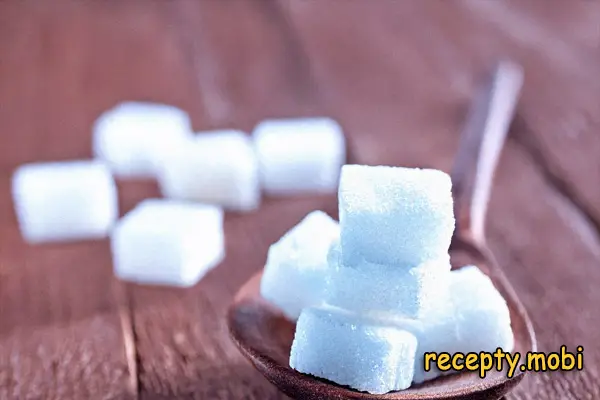
Sugar does not spoil, but it absorbs moisture, so it can clump, and powdered sugar clumps especially quickly in humid conditions.
Granulated and cane
- Keep it in a dry place at a temperature up to 25 °C.
- Store it in a glass or plastic container with a tightly closing lid.
Powdered sugar
- Place a fabric bag of dry rice inside the jar to absorb moisture.
- Do not use silica gel if the powder will be used without heat treatment.
Brown sugar
It often dries out and hardens into a solid mass. To prevent this, place a piece of apple, a marshmallow, or some orange peel in the jar, which helps keep the sugar moist and crumbly. Change the "moisturiser" once a week.
Table: Sugar Storage
| Type of sugar | Where to store | In what to store | Shelf life |
|---|---|---|---|
| Granulated sugar | Pantry | Jar or bucket | Indefinitely (dry!) |
| Powdered sugar | Pantry | Jar with a bag of rice | Up to 2 years |
| Brown sugar | Pantry | Jar with moisturiser | Up to 2 years |
How to store yeast
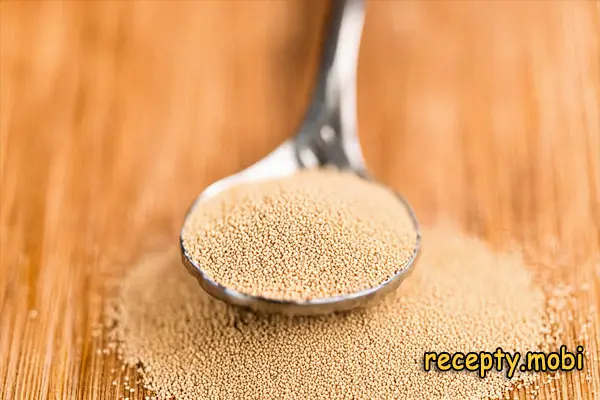
Dry yeast (before and after opening)
- Before opening, it can be kept in the pantry, but the refrigerator is better.
- After opening, transfer it to a jar, press out the air, and close it tightly. Store it in the refrigerator for up to 4 months.
Fresh compressed yeast
- Store it only in the refrigerator at a temperature of 2–4 °C.
- Do not freeze it, as the yeast cells die in the process.
- Shelf life is up to 2 weeks.
- If mould, a sour smell, or darkening appears, the yeast has spoiled.
How to check yeast activity
- Combine 1 tsp yeast, 100 ml warm water (around 38 °C), and 1 tsp sugar. Foam should appear within 10 minutes.
- If there is no foam, the yeast no longer works.
Table: Yeast Storage
| Type of yeast | Where to store | How to store | Shelf life |
|---|---|---|---|
| Dry (sealed) | Pantry/refrigerator | In the package | until the date on the package |
| Dry (opened) | Refrigerator | Jar, without air | up to 4 months |
| Fresh compressed | Only the refrigerator | In foil and a container | up to 2 weeks |

How to store spices
General rules
- Store spices in a dark, dry place, away from the stove, oven, and sunlight.
- Use jars with tightly closing lids, preferably made of dark glass or opaque plastic.
Whole vs ground
- Whole spices such as peppercorns, cloves, and coriander retain their aroma 2–3 times longer.
- Ground spices are best used within 1 year.
How to tell if spices have spoiled
- Have they lost their smell? It's time to replace them.
- Have they changed colour or started clumping? Check the taste.
Table: Shelf life of spices
| Type of spices | Where to store | Shelf life | Comment |
|---|---|---|---|
| Whole | Dark shelf | Up to 3–4 years | Store in an airtight jar |
| Ground | Dark shelf | 1–2 years | Check aroma and colour |
Conclusion
All dry ingredients follow one simple principle: keep them dry, cool, and tightly closed. Store flour and yeast in airtight jars, spices in the dark, and sugar away from moisture. Anything containing oils, such as whole grain and nut flours, is best moved to the refrigerator right away. Label your jars with dates, review your supplies every six months, and your baking will always turn out well.