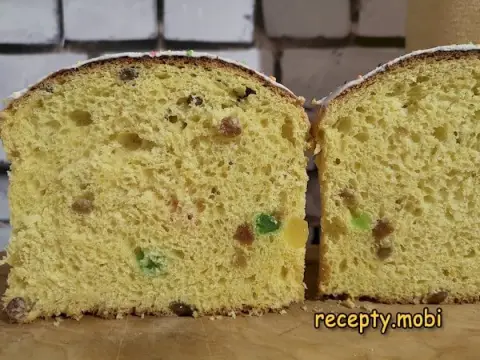
avg —
Icing for Easter Cake with Gelatin (Without Eggs)

Instructions
I prepare the ingredients needed for the gelatin sugar icing for kulich. If you like, the vanillin can be replaced with a few drops of lemon juice. The water should be at room temperature.
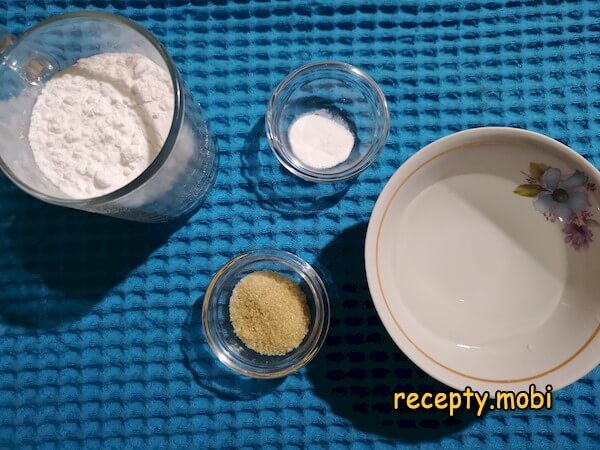
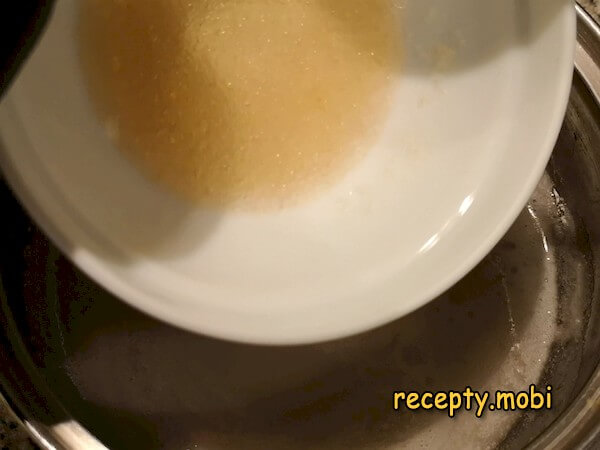
I mix one teaspoon of gelatin with two tablespoons of water and leave it to swell.
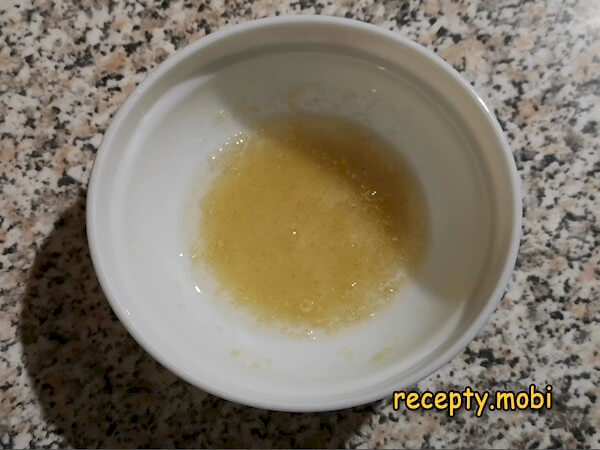
In a small saucepan, I pour in 150 g of powdered sugar and 1 g of vanillin, then add 2 tbsp of water. I place it over medium heat and, stirring constantly, bring the mixture to a boil and remove it from the heat.
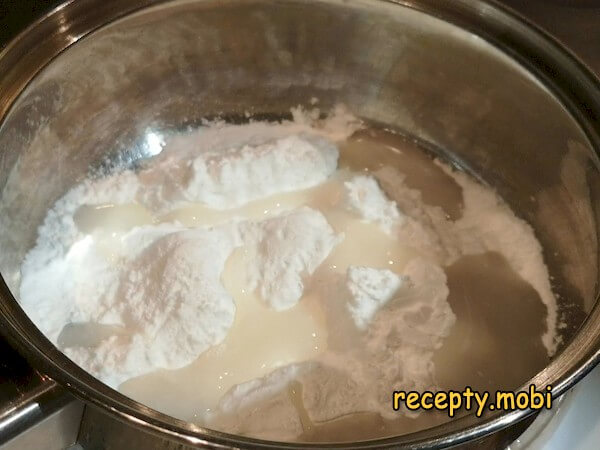
I add the swollen gelatin to the sugar syrup and stir until it dissolves completely.
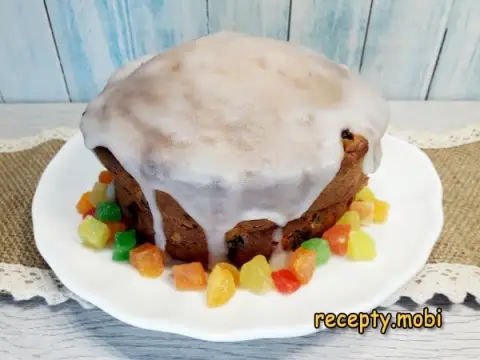
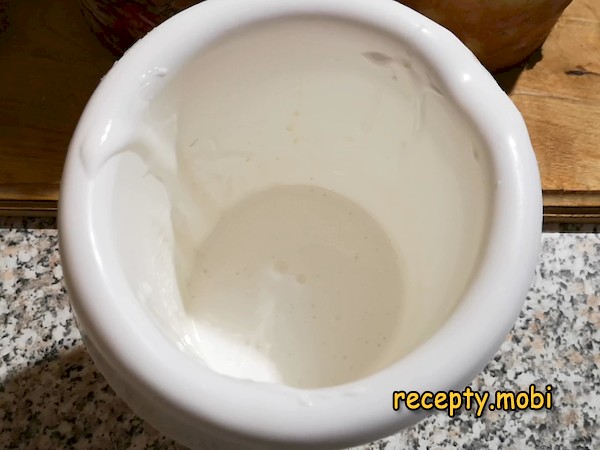
I pour the mixture into a convenient container and, while it is still warm, beat it with a mixer until it is lightly thick. This takes about 3-4 minutes. The gelatin, egg-free icing for kulich is ready.


Tips
- 1
GELATIN INSTEAD OF EGGS is the secret of safety. Without raw egg whites, the risk of salmonella is ruled out. For children and pregnant women, it is a perfectly safe icing.
- 2
APPLY IT IMMEDIATELY is the secret of a smooth finish. The icing sets in 5-7 minutes. If you wait, it turns lumpy and uneven. Spread straight onto the cakes, it gives an even layer.
- 3
SPRINKLES BEFORE IT SETS is the secret of getting them to stick. Sprinkles will not stick to dry icing. On damp icing they "glue" themselves on firmly.
- 4
BEAT IT WITH A MIXER is the secret of fluffiness. Without beating you get a thin, transparent mass. After 3-4 minutes with a mixer the icing turns white, thick and opaque. The same principle works in other kinds of icing for Easter cakes.
Video

FAQ
Which gelatin should I choose? +
Ideally, a quick-dissolving powdered gelatin of Bloom 180-200 (1 tsp = 5 g). Alternatives: leaf gelatin (3 sheets = 1 tsp of powdered), Dr. Oetker gelatin (1 tsp, the premium option), Garnets gelatin (1 tsp, the "budget" option), Dr. Oetker gelatin (1 tsp, the premium option), agar agar (1/4 tsp, the "vegetarian" option), pectin (1 tsp, the "premium fruit" option). Fresh gelatin in a sealed pack is the premium choice. Do not use expired gelatin (it will set poorly) or sweet flavoured jelly mixes. For "classic icing", you must use a neutral, quick-dissolving gelatin.
What can replace the vanillin? +
Alternatives: vanilla sugar (1 tsp, the "budget" option), vanilla extract (1/4 tsp, the "premium natural" option), a vanilla pod (1/4 pod, the premium option), vanilla paste (1/4 tsp, the "premium confectionery" option), vanilla essence (1-2 drops, the "budget" option), a few drops of lemon juice (1/2 tsp, as suggested in the recipe, it adds aroma), ground cardamom (a pinch, an "Eastern" note), cinnamon (a pinch, a "wintry" note). Fresh vanilla in pods is the premium choice. Do not use flavourings with an artificial smell, or flavourings meant for alcohol. For a "classic kulich", you must use vanillin or vanilla.
How long does the icing keep? +
Fresh icing is at its "star" best right after it is made (apply it immediately). Set icing cannot be "revived". If you have some left over after coating the cakes, keep it in a warm dish over hot water for no more than 30 minutes. There is no point keeping leftovers in the fridge, because they will set rock hard. Cakes with icing keep for 5-7 days (the icing becomes firmer within 24 hours). In the freezer (on the cake) they keep for up to 2 months, but the icing may crack when defrosted. Do not leave the cakes out in the open without packaging, or the icing will dry out and crumble.
How can I decorate the cakes over the icing? +
The Easter classic: with an assortment of coloured sugar sprinkles. With "star" or "heart" sprinkles (for children). With tinted desiccated coconut. With gold or silver confectionery pearls. With sugar flowers for kulich. With grated nuts (almonds, pistachios). With finely chopped candied fruit. With chocolate shavings. With fondant flowers. With little chocolate eggs or rabbits (an Easter theme). With fresh berries (but add them just before serving). With powdered sugar through a stencil (for a pattern). For an "Easter table", it is a versatile decoration. For children, bright sprinkles with figures.
- Comment
or post as a guest
Be the first to comment.