Kitchen Accessories: 10 Kitchen Gadgets That Simplify Cooking
I am forever picking out kitchen gadgets and accessories – they make all the difference to how quickly and how happily I cook. Shops are packed with every kind of "helper" imaginable, but my choice is limited by space, since the kitchen rarely stretches beyond six square metres. In this article I go through 10 things that take up the least room yet bring the most benefit. It is all from personal experience – every item has been tried and tested in my own kitchen.
Kitchen knives
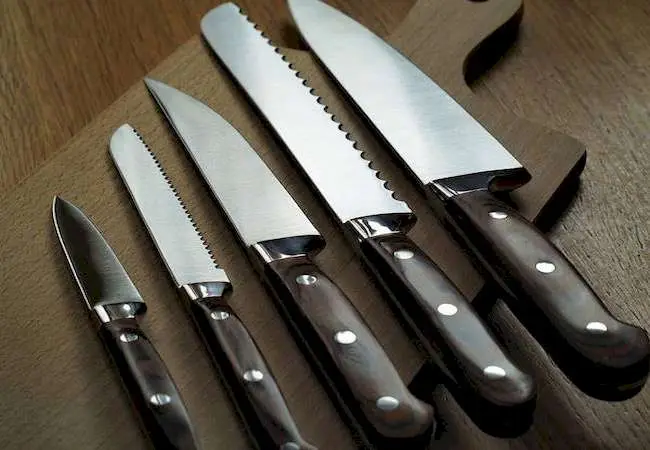
Have you ever tried to cut through a head of cabbage or a tomato with a blunt knife? If so, you already appreciate just how useful a sharp knife is. How many knives does an amateur cook need? Usually three or four are enough: a small one for peeling vegetables, a bread knife, a chef's knife with a long, broad blade, and a meat knife with a narrow blade. As for the material: blades were once made mainly of steel, but today titanium and ceramic are popular too. Good knives are best kept in a wooden block and dried thoroughly straight after washing. Be sure to buy a decent sharpener – in a couple of minutes it will "breathe new life" into blunted blades.
Vegetable peeler
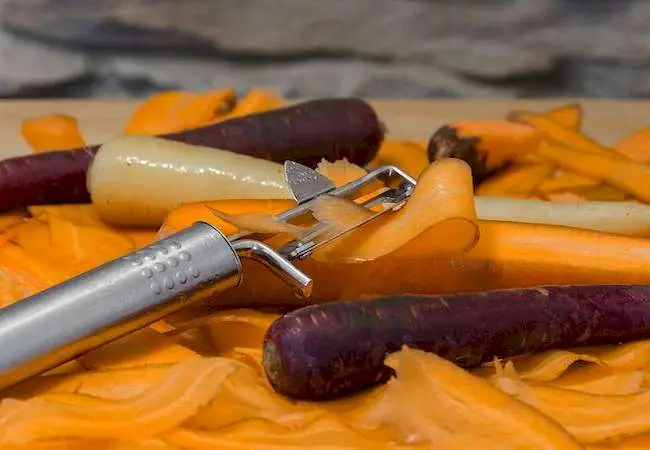
A vegetable peeler is an indispensable gadget for fruit and vegetables with a thick skin: potatoes, asparagus, carrots, apples. The first peeler was officially registered in 1936 – before that, cooks relied solely on a knife. What else is it good for? Vegetable noodles: remove the skin, then carefully peel off thin "ribbons" of flesh layer by layer – you get a lovely, fine "pasta" of courgette, carrot or cucumber.
Kitchen scissors and can opener
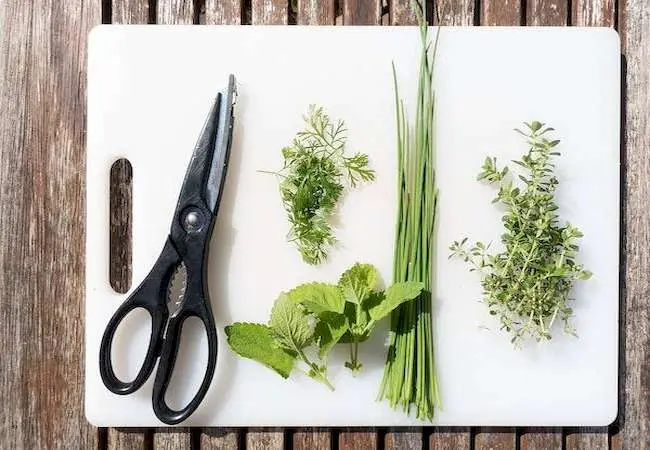
Love chicken? Kitchen scissors are your best helper. Instead of risking a burn by cutting roast poultry with a knife, reach for a handy pair of scissors. They also come in useful for herbs, bacon and pizza. I would put the can opener in this group too: tinned fruit or vegetables, beans, tuna for a salad – many cans are hard to open without a good opener. Modern models often combine the two: scissors plus opener on a single handle.
Wooden spoon
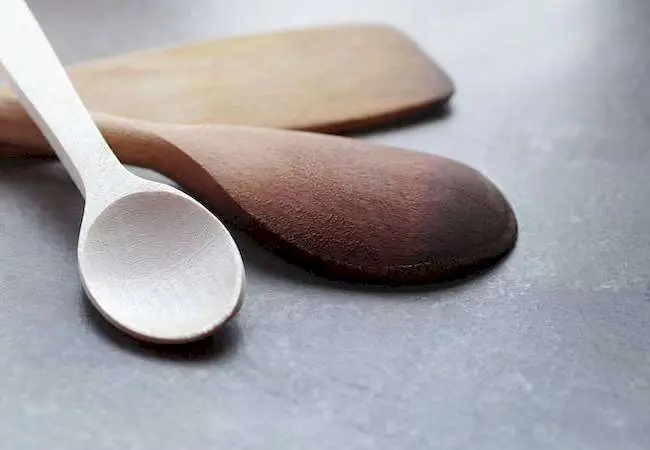
A wooden spoon may seem like an archaic item, but it is indispensable for non-stick cookware. Metal scratches the coating (especially Teflon), whereas wood is gentle. Thanks to a wooden spoon, a frying pan or saucepan will last a long time without damage. On top of that, wood does not conduct heat – the handle stays cool, so you can stir for a long time without any risk of burning yourself.
Cutting board
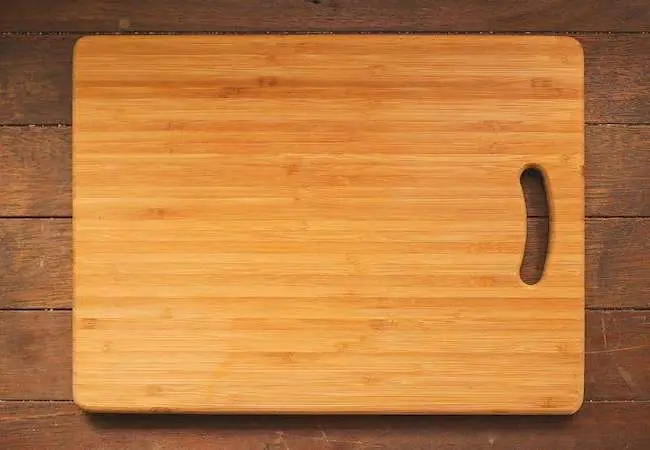
Once you have sharp knives and a peeler, all that is missing is a cutting board. It is worth getting at least two, ideally in different colours. Why? One should be only for raw meat and fish (they carry a lot of bacteria) – you must not cut foods on it that will not be heat-treated. As for the material: avoid glass and stone (too hard, they quickly blunt knives). The "happy medium" is plastic, wood or bamboo. Wood and bamboo are decorative and eco-friendly, while plastic offers more design options and colour-coding (different boards for different foods).
A good square grater
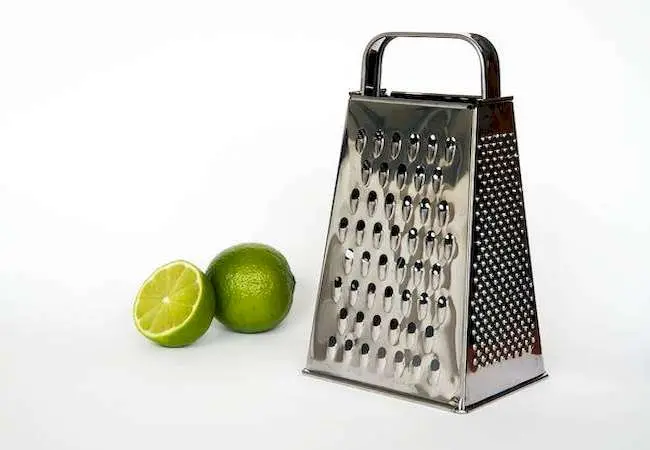
The days of two-sided graters (coarse and fine) are gone. The modern square (or "tower") grater has 4–6 sides: coarse, fine, a "shredder" for French fries, "rings" for decoration, a fine side for Parmesan, and a "wave" for Korean-style cucumber and carrot. A single grater like this replaces 5–6 separate tools. Pay attention to a stable base – otherwise you will be "holding" it with one hand.
Measuring cup or measuring jug
These items are indispensable for anyone who loves to bake – especially for less experienced cooks who cannot yet judge the right amount "by eye". It is a good idea to have at least one measuring cup for liquids (with a scale in ml) and one for dry ingredients (in grams and cups). Clear glass ones are more convenient than plastic – you can see the level. A jug with a spout makes pouring easier without spills.
Colander
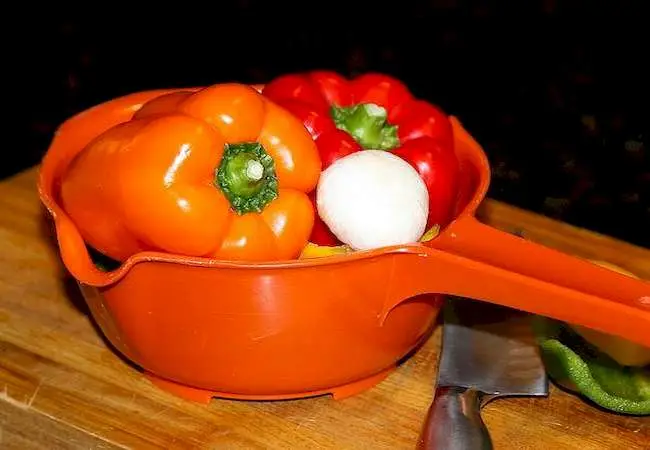
It is hard to manage without a colander – boiling pasta, washing berries and vegetables, draining potatoes after boiling. A metal colander is more reliable than a plastic one and does not warp from boiling water. In addition, get a sieve with fine holes – for sifting flour or straining raspberry and currant jelly. Collapsible silicone colanders are handy for small kitchens – they take up the least space.
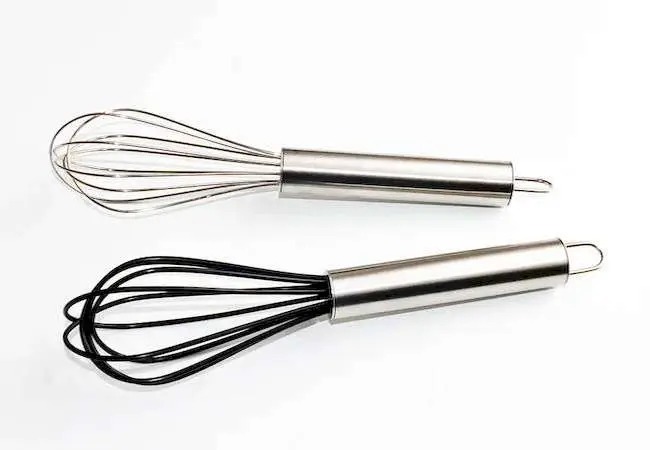
Whisk
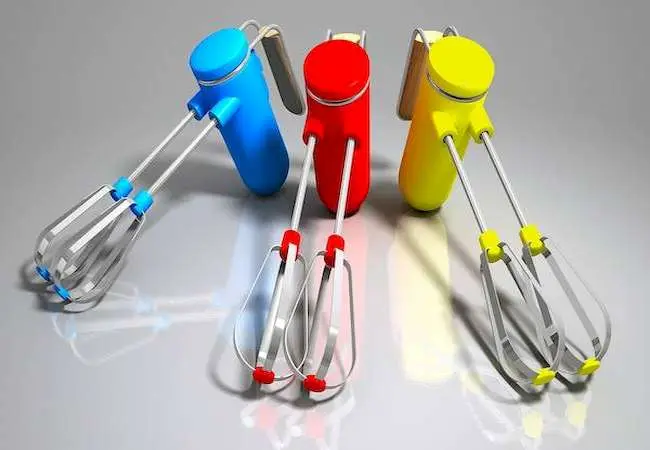
You can whip egg whites without a whisk, but it takes a long time. If you love baking pies and making desserts, a whisk is a must. Most models have a handle with wire loops arranged radially. A modern option is a whisk in the form of an attachment for a hand mixer – it saves even more time. Silicone whisks are suitable for non-stick pans. Choose the size to match the volume – small for eggs, large for batter.
Immersion blender (or mixer)
Many people call the blender a universal kitchen appliance – with it you can quickly chop hard ingredients and make creamy soups and sauces. Modern models are compact and do not take up much room. Important: most hand blenders cannot cope with foods that are too hard (cabbage leaves, ice cubes). If you love smoothies, consider a stationary blender or a food processor. For everyday tasks (purées, sauces), a 600–800 W immersion model is enough.
❓ Frequently asked questions
How much should you budget for a "basic set" of kitchen gadgets?
A minimal basic set (3 knives, 2 boards, a peeler, a grater, a measuring cup, a colander, a whisk, a wooden spoon, scissors) costs around 5,000–8,000 roubles. With an immersion blender, it comes to 7,000–12,000 roubles. You do not have to buy it all at once – you can build the set up gradually, starting with a sharp chef's knife and a cutting board. Expensive brands (Wüsthof, Victorinox) cost 3–5 times more, but they last 10+ years.
Which cutting board material is best?
The best choice is wood or bamboo (eco-friendly, "kind" to knives); the alternative is hard plastic (easy to wash and disinfect). Avoid glass and stone – they look nice, but they blunt knives instantly. A wooden board needs care: once a month, treat it with mineral oil (not olive oil – it will go rancid). Plastic can go in the dishwasher; wood should be washed by hand only. For raw meat, a separate board is essential (a coloured one for visual coding).
Do you need an electric mixer if you have a blender?
They are not interchangeable. A blender chops (puréed soups, smoothies), while a mixer whips (egg whites, creams, batter). If you bake often, a mixer is a must. If you bake rarely, you can get by with a whisk and a blender with a whisk attachment. The best option for an "all-rounder" is a planetary (stand) mixer, but it takes up a lot of room. For a small kitchen – a hand mixer with 2–3 speeds plus an immersion blender with attachments. A food processor replaces both, but it costs more.
How do you care for sharp knives?
Wash them right after use – dried-on food residue makes cleaning harder. Do not put them in the dishwasher – the harsh environment and contact with other utensils blunt the blade. Store them in a wooden block, on a magnetic strip or in a special box – NOT in a drawer with other tools. Sharpen them as needed (every 2–4 months) using a sharpening stone or a professional sharpener. Never cut on a glass or stone surface – they go blunt after a single use.