Shrimp – how to choose, how and how long to boil different types

Shrimp — the question of how to cook them properly and how to choose them at the store comes up for everyone who wants to make a tasty tender appetizer, salad or main course. Store shelves today carry a huge variety of shrimp: small everyday shrimp, king prawns, tiger prawns, Argentine red shrimp, pre-cooked frozen and raw frozen — and each has its own correct cooking time and preparation technique. The main rules: drop shrimp only into actively boiling salted water with spices, cook exactly as long as needed (from 2 to 7 minutes depending on size) and immediately plunge into cold water after cooking to stop the heat. This guide covers all the main shrimp varieties, their distinctive features, exact cooking times and tips for choosing quality product at the store.

Shrimp is a popular delicacy known for its pleasant taste, high nutritional qualities, and delicate aroma. To prepare shrimp at home and not be disappointed with the resulting dish, one must adhere to several rules covering selection at the store, proper thawing, and cooking technique appropriate to the type of shrimp on hand. This complete guide walks through the entire process from store shelf to serving plate, with specific cooking techniques for boiled-frozen, royal, and tiger shrimp varieties.
How to choose frozen shrimp
Seafood is sold fresh only near the sea. In other parts of the country, shrimp are sold frozen. To choose a quality product, follow basic rules:
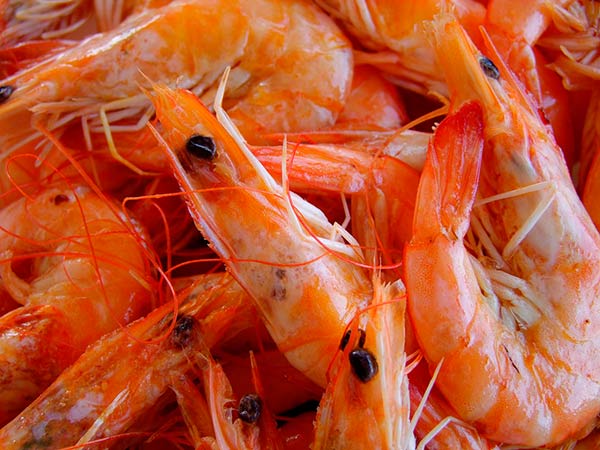
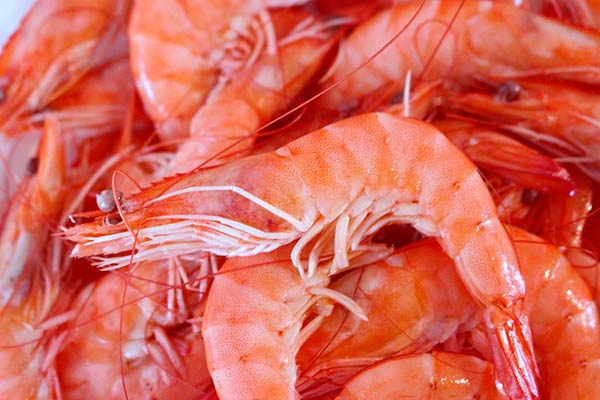
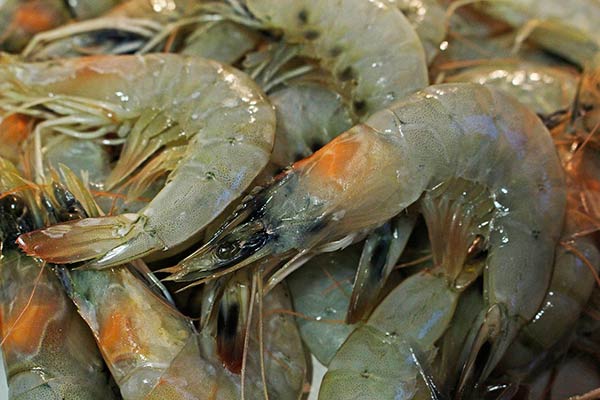
- First, note that there are simply frozen shrimp and boiled-frozen shrimp. To determine which product you are buying, pay attention to the color — fresh-frozen shrimp have a greenish-gray shade, while cooked ones are gently pink.
- Shrimp are sold peeled or in shells. Typically large seafood is left in the shell, while cold-water crustaceans are peeled.
- Avoid shrimp in tightly packed packages that prevent thorough inspection. Prefer products sold in bulk.
- Frozen shrimp should have an ice glaze that protects the product from oxygen contact, preventing the meat from oxidizing. There should not be large pieces of ice.
- The color of frozen seafood should be gray with a hint of pink. Refrain from purchasing bright pink and orange shrimp.
- When inspecting, pay attention to the shrimp’s tail — if straight, it means stale seafood was frozen. A sign of a quality product is a tail bent like a hook.
- Shrimp with dark, especially black heads should be set aside immediately; they cannot be consumed as they are likely spoiled.
- If the shell has white spots, it can be confidently stated that the product has been frozen too much.
- Seafood should not have foreign odors — if they smell of mold, dampness, or mud, refuse the purchase.
- Any unnatural-looking contaminants on the shell surface should be a reason to refuse the purchase.
- If shrimp are purchased packaged, they must be easily visible. Often low-quality products are packaged in poorly visible colors.
- The label should display all information about the product: who produced it, date of freezing, and expiration date.

How long to boil shrimp
Cooking time depends on the type of shrimp (simply frozen or previously thermally processed) as well as size. It is unlikely to find raw seafood, as stores mainly sell boiled-frozen.
Products that have been thermally processed before freezing (light pink color) are boiled for 3 to 5 minutes.
Simply frozen shrimp (rarely sold in grocery stores, gray color) are cooked in a pot of water for at least 10 minutes.
Preparing shrimp for boiling
Frozen seafood is prepared as follows:
- Buy unpeeled frozen shrimp from the store.
- Transfer the product to a bowl and place it in the sink. Turn on cold water at a gentle stream. Let the shrimp thaw in cold water. Under no circumstances thaw in warm water or at room temperature, as this will negatively affect the taste.
- When fully thawed, rinse again under running water. Be sure to clean off any adhering plant debris.

How to boil boiled-frozen shrimp
This is the simplest and most convenient way to prepare boiled-frozen shrimp. Following the step-by-step instructions, you will get truly delicious food.
Ingredients:
- 500 grams of shrimp;
- 5 cups of drinking water;
- lemon juice;
- 2 peppercorns;
- bay leaf;
- 1 tablespoon of table salt.
Preparation:
- Defrost seafood according to all the rules — transfer from packaging into cool water. After several dozen minutes, the shrimp will be thawed and ready for boiling.
- Fill the pot with water so it fills the container only to 1/2. Cover with a lid and place on the stove, waiting for it to start boiling.
- Add bay leaf, allspice, salt, and a little lemon juice to the boiling water.
- Add the main ingredient to the pot and boil for 4 minutes after it comes to a boil again. The shrimp must not overcook; otherwise the meat becomes rubbery. Doneness can be determined by appearance — the shell becomes slightly translucent.
- Turn off the stove. Use a slotted spoon to remove the shrimp from the pot and transfer to a plate. Serve in peeled form.
Read about another cooking method on this page.
How to boil royal shrimp in the shell

Show ingredients
Royal shrimp, unlike their relatives, have impressive size (10 to 25 cm). These shrimp are rarely found in nature and are most often farmed on special farms. They arrive in stores in cooked-frozen form.
For rich flavor and aroma, prepare them using this recipe:
- cooked-frozen royal shrimp - 1 kilogram;
- allspice - 3 pieces;
- clove - 3 pieces;
- black pepper - 15 pieces;
- bay leaf - 2 pieces;
- dried parsley and dill - 10 g each;
- one lemon;
- table salt - 90 grams;
- water - 2 liters.
Preparation:
- To ensure even cooking, shrimp should be added to boiling water in thawed state. Quality defrosting without losing flavor can only be done at room temperature. Do not defrost in warm water or microwave.
- Cook the broth from water and spices. Pour water into a pot and place on stove. After boiling, add salt, juice of half a lemon, bay leaf, clove, allspice, and black pepper. At the very end add dried parsley and dill — herbs pair wonderfully with shrimp flavor.
- Add the shrimp to the boiling broth and cook for 5 minutes. If too large, increase cooking time to 7 minutes.
- Remove finished shrimp with slotted spoon and transfer to plate. Serve with your favorite sauce. Enjoy your meal.
How to boil tiger shrimp
Sold under this name, shrimp with dark stripes along the shell. In natural conditions they are found in the Sea of Japan, where they are caught. However a significant number of tiger shrimp are also farmed on special farms.
Farmed shrimp can reach 35 cm, while in natural conditions they usually do not exceed 25 cm. Tiger shrimp are not boiled before being sent to stores; they are frozen fresh, so cooking time increases.
You will need:
- frozen tiger shrimp - 1 kilogram;
- drinking water - 2 liters;
- pepper - a few peas;
- salt - 2 tablespoons.
Preparation:
- In a large pot, pour cold water and move to stove. Turn burner to maximum power.
- When water boils, add salt and seasoning, then add the previously thawed shrimp.
- After a few seconds the water will boil again. Cook the shrimp from this point for 10 minutes at gentle boil.
- At end of cooking, turn off stove and pour water through a colander.
- Serve the finished shrimp. Enjoy your meal.
It’s good to know. Shrimp have very tender and delicate meat, so preliminary defrosting in hot water should not be done. Seafood should be left at room temperature or in a bowl of cold water so the ice melts gradually.
Tips and Tricks
Tip 1. Buy shell-on shrimp whenever possible for maximum flavor. The shells protect the delicate meat during cooking and impart subtle ocean flavor that peeled shrimp simply lack. Save the shells after peeling for shrimp stock — simmer in water with aromatics for 30 minutes for a fantastic seafood base. The minor extra effort pays back in dramatically better taste.
Tip 2. Salt the cooking water generously — about 1 tablespoon per liter. The salty water seasons the shrimp meat from the outside in, producing properly seasoned shrimp without needing to add salt at the table. Bland boiled shrimp usually result from undersalted cooking water. The same generous salting principle applies to other seafood preparations including other shrimp boiling methods and various crustacean dishes.
Tip 3. Stop cooking the moment the shrimp turn opaque pink and curl into C-shapes. Overcooked shrimp turn into rubbery, tough disappointments within seconds of overdoing the boil. Drain immediately when they reach the proper appearance — the residual heat will finish the cook during plating. Setting a timer for the recommended duration (3-5 minutes for boiled-frozen, 10 minutes for fresh-frozen) takes the guesswork out of the timing.
Tip 4. Serve hot or cold based on the application. Hot shrimp suit pasta dishes, stir-fries, and warm appetizers. Cold shrimp work for cocktail-style presentations, salads, and chilled appetizer platters. Pair with crusty homemade bread for soaking up garlic butter on the plate. A simple lemon-garlic-parsley butter sauce elevates plain boiled shrimp to restaurant quality.
FAQ
Should I refreeze shrimp that thawed accidentally?+
No. Refreezing thawed shrimp degrades texture significantly and increases food-safety risk. If your shrimp thawed unexpectedly, cook them immediately and freeze the cooked product instead. Cooked shrimp freeze well for up to 3 months. The texture-quality penalty for refreezing raw shrimp is dramatic — rubbery, mushy, off-flavor results that disappoint anyone who tastes them.
How long do cooked shrimp keep?+
Stored covered in the fridge at proper temperature (+2 to +6°C), cooked shrimp keep for 3 days maximum. The seafood smell becomes noticeably stronger as the shrimp age — trust your nose. Cooked shrimp can be frozen for up to 3 months but the texture suffers compared to freshly-cooked. For best quality, cook only what you plan to eat within 24-48 hours.
Why are my shrimp rubbery?+
Always overcooking. Shrimp need only 3-5 minutes (boiled-frozen) or up to 10 minutes (fresh-frozen) of cooking. Even an extra 60 seconds turns properly cooked shrimp into rubbery disappointments. Use a timer, watch for the C-curl shape and opaque pink color, and drain immediately when ready. The narrow window between perfect and overcooked is the most common shrimp-preparation mistake.
Can I cook shrimp from frozen without thawing?+
Yes, but with adjustments. Add 2-3 extra minutes to the cooking time and stir gently to prevent the shrimp from clumping together as they thaw in the boiling water. The texture is slightly inferior to properly thawed-then-cooked shrimp but acceptable for emergency situations. The proper method (cold-water thaw, then cook) produces noticeably better texture results.