Write a comment
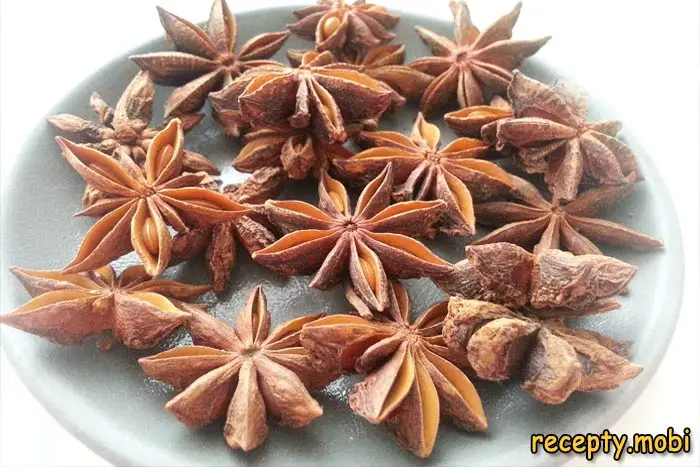
Star anise

Star Anise – properties, uses in cooking and herbal medicine

Among the variety of spices beneficial for health, star anise is one of the least known and least used. Nevertheless, many people are familiar with its distinctive star shape from holiday baking and mulled drinks. To pay tribute to the benefits of this wonderful spice, this guide walks through all its properties, traditional uses in cooking and herbal medicine, where to buy quality star anise, and the contraindications worth knowing before you start using it regularly. The intense licorice-like aroma and impressive medicinal properties make star anise worth a place in any well-stocked spice rack alongside cinnamon, cloves, and cardamom.

Properties of Star Anise

Star anise (not to be confused with regular anise — the two are botanically unrelated) is considered a real natural antibiotic due to the essential oil extracted from this plant. The oil is used in medicine and herbal therapy for preparing medicines and natural remedies. One of the characteristics that makes this spice especially valuable is its carminative properties (the ability to reduce gas formation in the intestines) and digestive properties. Star anise is successfully used to stimulate appetite in people recovering after illness when normal hunger has not yet returned.

Star anise also helps the enzymatic activity of the liver, but above all it exhibits excellent antibacterial and antiviral activity. The spice has proven effective against recurrent herpes outbreaks. The spice is a good diuretic (recommended for those suffering from fluid retention) and an expectorant, thinning mucus and promoting its natural removal during cough or bronchitis episodes. The most interesting active ingredient present in star anise is anethole, which has anti-inflammatory properties similar to those found in modern pharmaceuticals but in a gentler natural form.

Star anise

How to use in cooking and herbal medicine?

Given its bright aromatic flavor reminiscent of licorice, star anise is mainly used for making liqueurs and sweets. The spice is sold in dried form and depending on the dish you intend to prepare, it can be used whole or ground. As for liqueurs, star anise gives alcoholic drinks (Absinthe, Sambuca, Pastis) their distinctive and recognizable aroma that defines those classics.

Thanks to its healing properties, you can prepare an excellent herbal tea with ginger, lemon, honey, and star anise — ideal for fighting cough and flu. If you suffer from digestive problems (heartburn, bloating), try herbal tea based on fennel seeds, cardamom, cumin, and star anise. Star anise is also a key component in the famous Chinese cuisine blend "5 spices," which also includes white pepper, fennel seeds, cloves, cinnamon, and salt. The 5-spice blend gives Chinese roasted meats their signature warm complexity.

Where to buy star anise?

Today, buying star anise is relatively easy. It can be found in large supermarkets, exotic or Asian grocery stores, and shops selling organic spices and herbs. If you live in a small settlement, star anise can be ordered online from various specialized websites. Look for whole star-shaped pods rather than ground powder — whole star anise stays fragrant much longer and looks beautiful in the spice jar. Quality star anise is dark brown with intact star points and a strong aromatic smell when sniffed at the jar lid.

Contraindications

Star anise, like many other natural products, has contraindications particularly noticeable with prolonged uncontrolled use. Possible side effects include diarrhea, vomiting, nausea, or stomach pain up to actual cramps in severe cases. The compound anethole, while beneficial in moderation, can become irritating in large quantities. It is advisable to avoid consuming the spice during pregnancy and breastfeeding due to its strong active compounds. Children should also use it sparingly. As with any potent natural remedy, moderation produces health benefits while excess can cause problems.

Tips and Tricks

Tip 1. Toast star anise briefly before using to maximize aroma. A 30-second dry toast in a hot pan releases the essential oils that carry the flavor. The aromatic difference between toasted and untoasted star anise is dramatic, especially in mulled wines, holiday baking, and Asian dishes. The same toasting principle elevates almost any whole spice from average to extraordinary.

Tip 2. Add star anise to braises and stews for deep, complex warmth. One whole star added to beef stew, pork shoulder, or duck confit transforms the flavor profile beautifully. Remove the whole star before serving since the woody pod is unpleasant to bite into. The spice pairs particularly well with cinnamon, ginger, and bay leaf, building layered warmth in slow-cooked dishes including stewing dishes of all kinds.

Tip 3. Use star anise in poaching liquids for fruit. Pears, peaches, apples, and quinces poached in syrup with star anise become elegant desserts. The spice infuses warm aromatic complexity into the fruit and the syrup itself. Serve with vanilla ice cream or yogurt for an effortless restaurant-quality dessert. The technique works year-round with whatever fruit is in season.

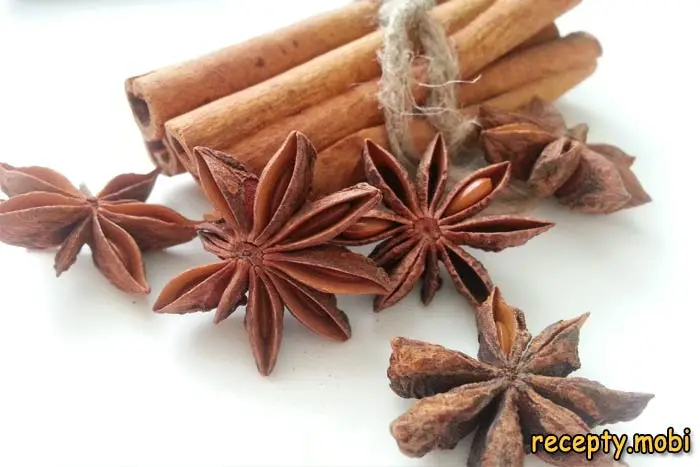
Tip 4. Store star anise in an airtight glass jar in a cool dark place. Whole star anise keeps its aroma for up to two years; ground anise loses potency within 6 months. Buy whole pods and grind small amounts as needed for the freshest flavor. The dried whole stars also work as natural decoration for holiday baking and gift packaging when paired with cinnamon sticks and dried orange slices alongside warm homemade bread.

FAQ

What is the difference between star anise and regular anise?

Despite the similar names and overlapping flavor (both contain anethole, the compound responsible for the licorice taste), the two are completely unrelated plants. Regular anise (Pimpinella anisum) is a Mediterranean herb whose seeds resemble fennel. Star anise (Illicium verum) is the dried fruit of an evergreen tree native to China. They can substitute for each other in some recipes but star anise has stronger flavor — use about half as much when substituting.

Can I cook with star anise daily?

Star anise is safe in normal culinary amounts — the small quantities used in cooking pose no health risk for most adults. Daily use in tea or food is fine. Avoid concentrated medicinal doses without guidance from a healthcare provider, especially during pregnancy or while breastfeeding. The cautions in the article apply to therapeutic concentrations, not the small amounts used in everyday cooking.

How can I tell if star anise has gone bad?

Properly stored star anise lasts a very long time but eventually loses aroma. Sniff the jar — if the smell is faint or absent, the spice has aged out and should be replaced. Visually, fresh star anise is dark reddish-brown with intact star points. Pale, broken, or moldy stars should be discarded. Mold is rare with dry storage but possible if the jar gets damp. When in doubt, replace; the spice is inexpensive enough that fresh stock makes culinary sense.

What dishes are most enhanced by star anise?

Asian dishes (Vietnamese pho, Chinese five-spice braises, Indian masalas) are the classic homes for star anise. Western applications include mulled wine, gingerbread, fruit poaching, and slow-braised meats. Star anise also appears in herbal teas, particularly digestive blends. The spice excels wherever warm aromatic complexity is desired and pairs beautifully with cinnamon, cloves, ginger, citrus zest, and brown sugar. Experiment to find your favorite uses.

Write comments...
symbols left.
or post as a guest
Loading comment... The comment will be refreshed after 00:00.

Be the first to comment.