What are strong and weak flours: a simple explanation for baking enthusiasts
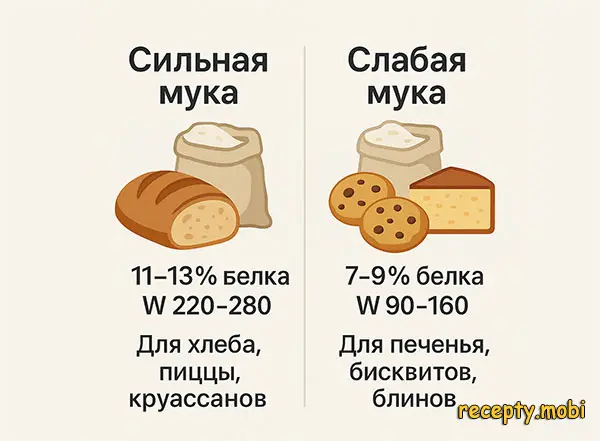
Strong and weak flour is a simple way of dividing wheat flour by protein (gluten) content — and understanding the difference is the key to better baking. Strong flour contains 11-14% protein and produces an elastic, springy dough that's perfect for bread, pizza, ciabatta and puff pastry — anything that needs to rise high and hold structure. Weak flour contains 8-10% protein, forms a more tender, crumbly dough and is the right choice for sponge cakes, cupcakes, cookies, pastries and pancakes, where softness matters more than strength. I'll show you how to identify flour strength at home without lab equipment, what the common categories mean and why even the same brand can vary batch to batch.
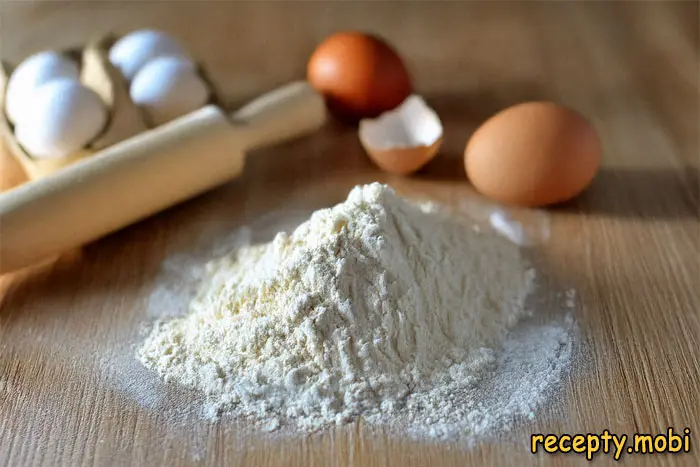
Have you noticed that the same baked goods can turn out airy and light one time, yet heavy and rubbery the next — even when you follow the recipe exactly? The reason may not lie in your technique at all, but in the flour. Yes, wheat flour can be strong or weak, and the choice affects the result: bread with a crisp crust or a flat cake, a fluffy sponge or a dense lump.
What is flour strength?
Flour strength is a measure of how well the flour can absorb moisture, form gluten and hold on to gas bubbles during fermentation. Put simply, the strength of the flour determines how elastic, airy or, conversely, crumbly the dough turns out. The higher the strength, the more the dough:
- is elastic,
- rises better,
- holds its structure longer.
Strength is directly linked to the protein content (also known as gluten). The more protein there is, the higher the gluten and, accordingly, the stronger the flour.
How to determine the strength of flour?
1. By protein content:
- <10% protein — weak flour
The dough is crumbly, soft and not elastic. Suitable for sponges, biscuits and shortcrust pastry. - 10–12% protein — medium strength
All-purpose flour for cakes, pies, pancakes, fritters and plain (unenriched) baking. - 12–14% protein — strong flour
Gives a dense, elastic structure. Ideal for bread, pizza and croissants. - >14% protein — very strong flour
Used in professional baking: panettone, Italian bread and pasta.
2. By W index (if specified):
The W index (Chopin alveograph test) is a scientific measure that reflects how much energy is needed to stretch a sheet of dough until it tears. It is directly related to the gluten content and shows the "strength" of the flour. The higher the W, the "stronger" the flour.
| W-index | Flour strength | Application |
|---|---|---|
| 90–160 | Weak | Sponge cakes, biscuits, shortcrust pastry |
| 160–220 | Medium | Cakes, pies, fritters, pancakes |
| 220–280 | Medium strong | Bread, plain baking, ciabatta |
| 280–350 | Strong | Pizza, baguettes, croissants |
| 350+ | Very strong | Pasta, panettone, sourdough bread |
If the W index is not given, look at the protein percentage — it gives a general idea of the strength.
Can you mix flours?
Yes! Even professionals often do this:
- For pancakes: to make them soft so they don't tear, add a little strong flour to weak flour.
- For bread: want a more tender crumb? Mix a little weak flour into strong flour.
- For pies: if the filling is heavy and the dough crumbles, add a bit of strong flour.
- For pizza: stiff dough? Soften it by adding 10–20% weak flour.
Tips for storing flour
- Airtight containers.
Transfer the flour from its bag into a sturdy plastic or glass container with a lid — that way it won't absorb moisture or odours, and won't become a haven for bugs.
- A dry, cool place.
Ideally below 24 °C, away from excess steam (not by the stove or near the sink). A dark kitchen cupboard or pantry is perfect.
- Keep away from light.
Direct sunlight and temperature swings speed up the oxidation of the fats and spoil the product.
- Shelf life and 'first in, first out'.
- Check the date on the packaging.
- Always use up the old flour before the new, so you don't 'trap' leftovers at the bottom of the container.
- Freezing for long-term storage.
If you don't plan to use it within the next 2–3 months, freeze the flour in an airtight bag. Before baking, simply let it come back to room temperature.
- Pest control.
Once a month, check the flour for tiny bugs or 'webbing'. If you find any, throw it out and wash the container well.
Conclusion
Understanding flour strength is the key to perfect baking. Choose your flour to suit the task at hand:
- Want a crisp baguette? Go for strong flour.
- A fluffy sponge? Only weak flour.
- A soft cake? All-purpose flour with 10–11% protein.
And if you don't have the right flour to hand — now you know how to 'weaken' or 'strengthen' it for the recipe. Experiment, and may every bake turn out 10 out of 10!