What is Batter and How to Make It – The Simplest Methods
What products are fried in batter
Zucchini, cauliflower, onion rings, and tomatoes are commonly fried in liquid dough. Additionally, fruits and berries (cherries, sweet cherries, apples, pears, and bananas) can also be fried in batter. Batter is especially relevant for preparing pieces of pork, beef, and chicken. Fish in batter turns out juicy and appetizing. The technique transforms ordinary ingredients into restaurant-quality bites with minimal effort and standard pantry ingredients.
Cooking tips
- Meat products and vegetables need to be boiled before being dipped in batter; otherwise, they will not cook through simultaneously with the dough. Fruits and fish can be dipped in batter raw without pre-cooking.
- A liquid batter is suitable for dry products — it allows sunflower oil to penetrate well during frying, resulting in a juicy dish. Thick dough creates a dense crust under which the juice is preserved — such batter is ideal for juicy products.
- Carbonated mineral water in the batter makes it airy, golden, and tender. The bubbles add lift that produces a noticeably lighter crust.
- Aromatic herbs and spices in the batter give the finished dish a special flavor and significantly enhance its aroma. Suitable additives include garlic, crushed bell pepper, mushrooms, herbs, cheese, fried onions, young nuts, and various spices.
- For a fluffy, light, lace-like batter, add whipped egg whites just before cooking. The egg whites create the airy texture that makes restaurant-quality battered foods.
- It is best to prepare the liquid dough 1 hour before adding the products. During this time, the gluten loses elasticity and the dough does not dry out too much during frying.
- For truly delicious results, dip the chilled product (meat or vegetables) into the batter, then place in a pan with hot boiling oil. Fry on both sides until golden.
- The consistency of the dough is very important. To check if the batter is right, dip a spoon into it. If the dough evenly coats the spoon without gaps, the batter is ready for frying.
- The finished dish should preferably be placed on a paper towel or napkin to absorb excess fat before serving.

Popular batter recipes
Here is a selection of batter recipes for meat and vegetable products. Be sure to follow ingredient proportions and cooking recommendations for the best results across each variation.
Classic recipe. It is not difficult to prepare such batter even for a novice cook. Ingredients: drinking water - 1 tablespoon, sunflower oil - 1 tablespoon, egg - 1 piece, wheat flour - 100 grams, table salt - 1 pinch. Preparation:
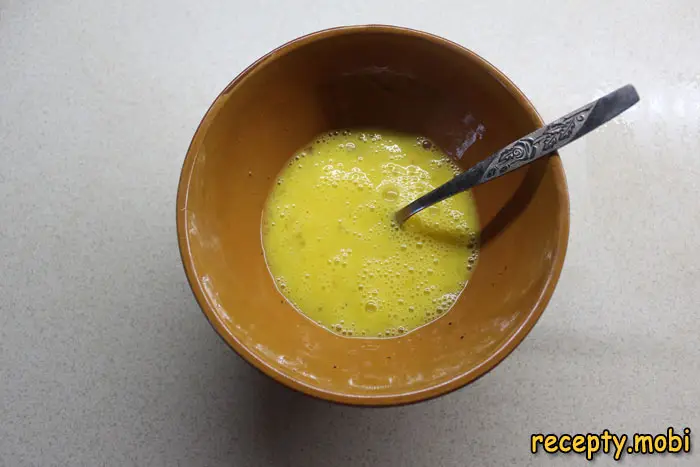
- Prepare the batter in a deep bowl. Combine sunflower oil with the egg and beat well with a whisk.
- Salt the egg mixture. Season the batter with Provencal herbs or black pepper if desired.
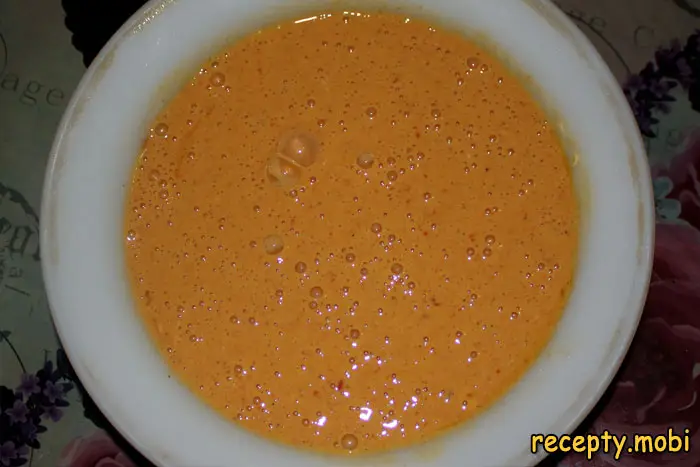
- Pour wheat flour into a bowl and add cold water. Whisk until a homogeneous mass without lumps forms.
- The classic batter is ready. It can be used for frying meat and fish.

Sweet batter for frying apples. Batter with sugar prepared by this recipe suits frying apples and other fruits. Sweet tooths will love this option. Ingredients: sour cream - 100 ml, granulated sugar - 50 grams, high-grade wheat flour - 1 cup, milk - 150 ml, eggs - 3 pieces, vanillin - 1 pinch. Preparation:
- Carefully separate the egg yolks from the whites and place in separate dishes.
- Whip the egg whites with a mixer or whisk until a fluffy mass forms. Chill the egg white mixture in the refrigerator.
- Beat the yolks with sugar (2 tablespoons) and mix well with a spoon. Then season with vanilla and mix again.
- Mix the yolk mass with sour cream and half of the milk. Sprinkle in the sifted wheat flour and knead the dough. Pour in the remaining milk and whisk until there are no lumps of flour.
- Finally, fold in the egg whites and mix thoroughly with a spoon to preserve the airy texture.
- Dip the sliced apples into the batter and fry in a pan with boiling sunflower oil until golden brown.
Garlic batter. Garlic batter pairs well with many products including fish, meat, and vegetables. It has various preparation options. Here is one of the simpler recipes. Ingredients: eggs - 1 piece, garlic - 2 cloves, wheat flour - 2 tablespoons, black pepper - to taste, table salt - to taste. Cooking process:
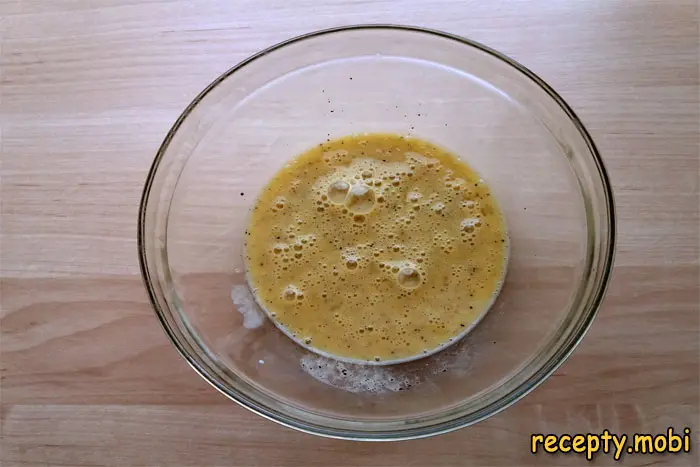
- Mix the egg with salt and spices in a deep bowl. A whisk works well for this.
- In the egg base, sprinkle in half of the wheat flour and mix well. Add the remaining flour and beat again with a whisk.
- Prepare the main ingredient — garlic. Peel the cloves and grate finely or pass through a press.
- Add the garlic to the batter and whisk again. The garlic batter is ready and can be used for cooking dishes immediately.
This article presents a small selection of batter recipes; batter can be made with the addition of various spices and aromatic herbs. Try, experiment, and create new recipes based on your taste preferences and the ingredients you have available.
Tips and Tricks
Tip 1. Use ice-cold liquid in the batter for the crispiest crust. Cold batter hits hot oil and creates dramatic temperature contrast that produces lighter, crisper results than room-temperature batter. Some chefs even add ice cubes to the batter at the last second. The temperature shock is what tempura batter masters all swear by — works just as well in any batter recipe.
Tip 2. Check oil temperature with a thermometer. The right frying temperature is 180°C for most batters. Below this, food absorbs oil and becomes greasy; above, the batter burns before the inside cooks. A clip-on candy thermometer takes the guesswork out and produces consistent results. The same temperature precision matters for proper frying technique across all fry-cooking applications.
Tip 3. Do not overcrowd the pan. Adding too many battered pieces drops the oil temperature dramatically and produces soggy results. Fry in batches with plenty of space between pieces. Keep finished pieces warm in a low oven on a wire rack while you cook the rest. Crowding is the most common cause of disappointing fried-batter dishes.
Tip 4. Drain on a wire rack rather than paper towels. Paper towels trap steam against the bottom of the fried food and turn the crust soggy within minutes. A wire rack lets air circulate underneath, keeping everything crispy. Pair finished battered foods with crusty homemade bread and a fresh salad for a complete meal.
FAQ
What is the difference between batter and breading?
Batter is a liquid coating (flour-water-egg mixture) that creates a thicker, more substantial crust when fried. Breading uses dry breadcrumbs (often combined with egg dip) for a crunchier, more textured exterior. Each technique produces different results: batter for puffy crispy crusts (think tempura, fish-and-chips); breading for crunchy crusts (think schnitzel, fried chicken). Some recipes combine both for maximum texture interest.
Why is my batter sliding off the food?
Two usual causes: food too wet, or food not coated in flour first. Pat food dry with paper towels before dipping. Lightly coat in plain flour, then dip in batter — the flour gives the batter something to grip. Cold food and warm batter also help adhesion. Letting the battered food rest on a rack for 2-3 minutes before frying allows the batter to set slightly and grip better.
Can I make batter ahead of time?
Most batters benefit from a 30-60 minute rest before use, allowing gluten to relax and produce more tender results. Beyond an hour, however, batter starts to lose its lifting power as the leavening fades. Make batter no more than 2 hours ahead. For longer hold, refrigerate covered — cold batter may need a brief stir to recombine before use. Always test consistency before frying; thin with water or thicken with flour as needed.
What oil works best for frying battered foods?
Refined oils with high smoke points are best: sunflower, peanut, canola, or soybean oil. Olive oil smokes too low for proper frying. Lard and beef tallow give exceptional flavor in traditional preparations like English fish-and-chips. Avoid mixing different oils in the same batch — they have different smoke points and can produce uneven results. Replace frying oil after each session for the cleanest flavor.