What to Replace Eggs in Baking: 11 Best Alternatives
How to replace eggs in baking is a question that comes up for anyone dealing with an egg allergy, following a vegan diet, observing a religious fast or simply discovering an empty egg carton at the worst possible moment. The good news: eggs play several different roles in baking — they bind, leaven and add moisture — and for each of those jobs there's an effective substitute. This article gathers 11 proven alternatives with exact proportions: flax and chia "eggs", mashed banana, applesauce, aquafaba, psyllium husk, silken tofu, yogurt, sparkling water, vinegar with baking soda and commercial powdered replacers. For each option you'll learn what kind of baked goods it suits best, the strengths and the things to watch out for. Pick whichever ingredient you already have on hand and your baking will turn out every bit as good as the classic version.

Eggs play a key role in baking: they bind the ingredients together, give structure, moisture and fluffiness. But sometimes you need to replace them – because of an allergy, during a fast, for a vegan table, or simply when there are no eggs to hand. Fortunately, there are plenty of products that handle this task effectively.
In this step-by-step guide I have gathered 11 proven alternatives with exact proportions and recommendations for use. Each substitute suits a particular type of baking – cookies, muffins, brownies, bread, meringue. Choose the right option depending on the recipe and the result you want.
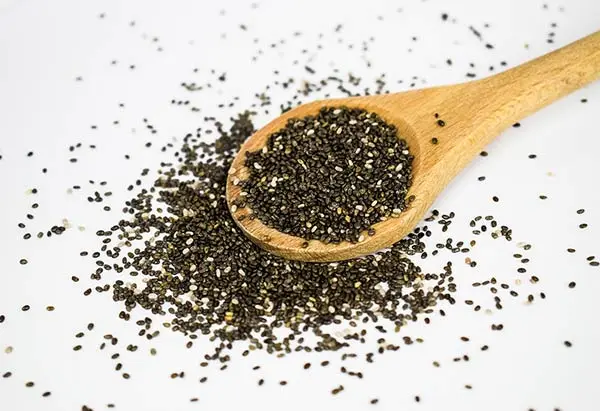
Ground flaxseeds and chia seeds
Flaxseeds and chia seeds, mixed with water, form a gel-like mass that binds the ingredients in the dough well – they work much like egg white.
- Proportion: 1 tablespoon of ground seeds + 3 tablespoons of water = 1 egg.
- Use: cookies, cupcakes, bread.
- Notes: they add a light nutty flavour and make the baked goods denser.
Fruit and vegetable puree
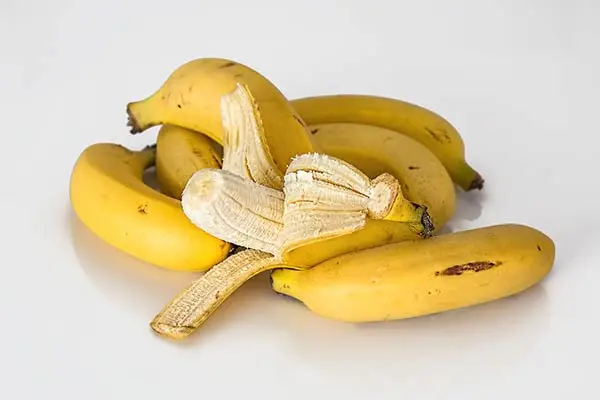
Puree of bananas, apples, pumpkin or carrots contains pectins that help bind the ingredients and add moisture to the baked goods.
- Proportion: 1/4 cup (about 65 grams) of puree = 1 egg.
- Use: cakes, muffins, brownies.
- Notes: it may affect the flavour and colour of the finished item.
Yogurt or buttermilk
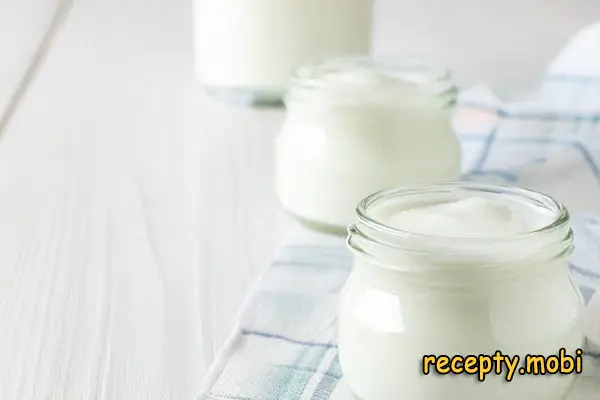
Fermented dairy products such as yogurt or buttermilk contain proteins and fats that can replace eggs in recipes – they work especially well in batter for muffins and cupcakes.
- Proportion: 1/4 cup (60 grams) of yogurt or buttermilk = 1 egg.
- Use: muffins, cupcakes, pies.
- Notes: it is better to use unsweetened varieties so as not to change the flavour of the baked goods.
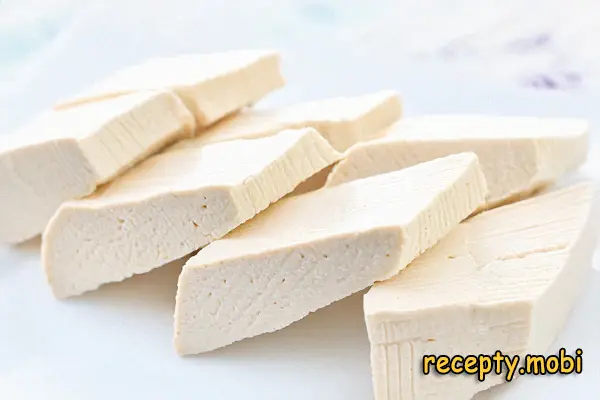
Tofu
Soft tofu, blended until smooth, serves as an egg substitute, especially in dense baked goods. Its neutral flavour makes it a versatile candidate for any recipe.
- Proportion: 1/4 cup (60 grams) of tofu puree = 1 egg.
- Use: pies, brownies, bread.
- Notes: it gives a dense texture and a neutral flavour.
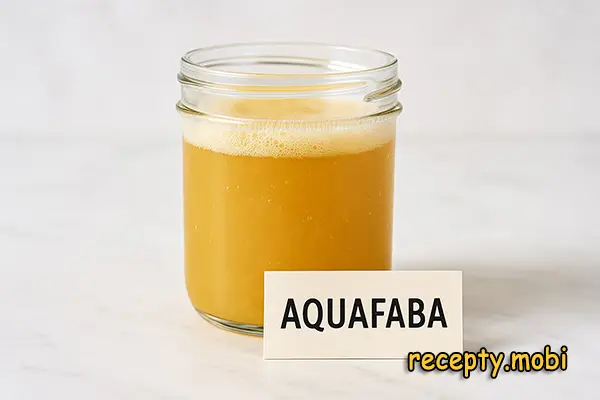
Aquafaba
Aquafaba is the liquid from tinned chickpeas or other legumes, and it has properties similar to egg white. It whips up beautifully into a fluffy foam – ideal for vegan meringues.
- Proportion: 3 tablespoons of aquafaba = 1 egg.
- Use: meringues, mousses, soufflés.
- Notes: it whips up excellently and suits recipes that call for egg whites.
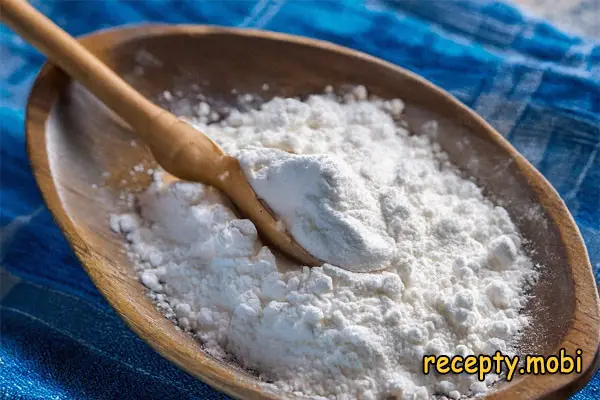
Starch
Potato or corn starch, mixed with water, can replace eggs by providing a binding function without affecting the flavour.
- Proportion: 2 tablespoons of starch + 3 tablespoons of water = 1 egg.
- Use: cookies, cupcakes, pancakes.
- Notes: it does not affect the flavour or colour of the baked goods.
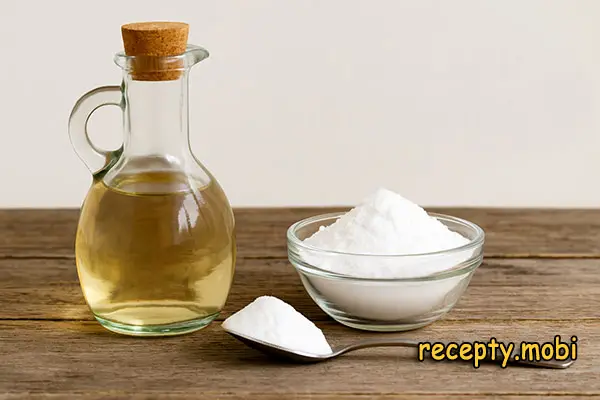
Vinegar and baking soda
The combination of vinegar and baking soda triggers a reaction that releases carbon dioxide, which gives baked goods fluffiness – it works as a natural raising agent.
- Proportion: 1 teaspoon of vinegar + 1 teaspoon of baking soda = 1 egg.
- Use: muffins, cupcakes, quick breads.
- Notes: it does not affect the flavour, but it gives a light texture.
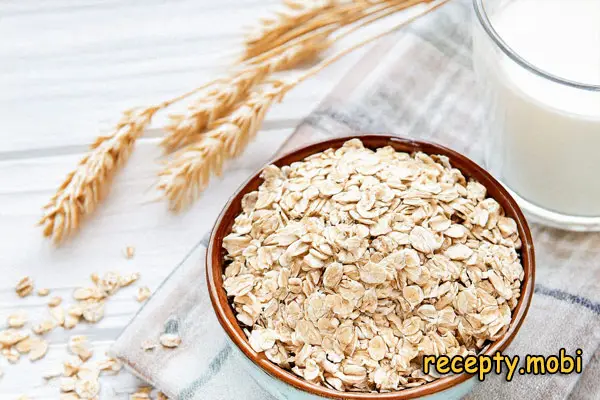
Rolled oats
Soaked rolled oats act as a binding agent in the dough, additionally enriching the baked goods with fibre and nutrition.
- Proportion: 2 tablespoons of rolled oats, soaked in water, = 1 egg.
- Use: pancakes, patties, fritters.
- Notes: they give the baked goods extra texture and nutrition.
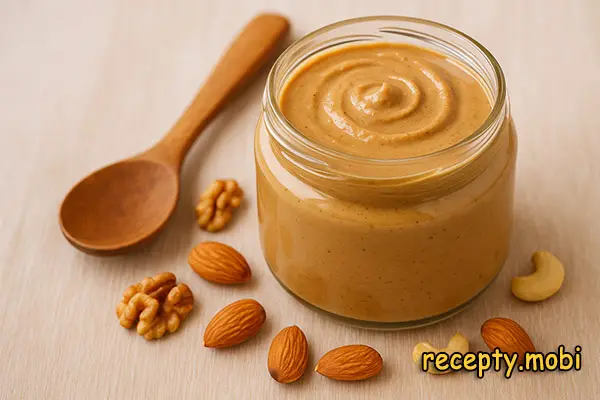
Nut butter
Peanut, almond or cashew butter can replace eggs, adding fats and binding the ingredients into a dense, smooth mass.
- Proportion: 3 tablespoons of nut butter = 1 egg.
- Use: cookies, brownies, bars.
- Notes: it gives a nutty flavour and a dense texture.
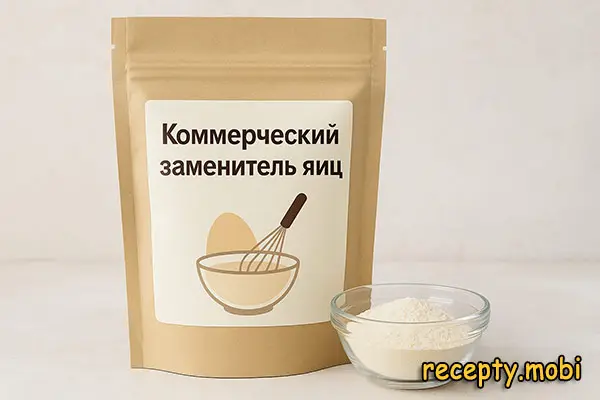
Commercial egg replacers
There are ready-made powdered mixes developed specifically to replace eggs in baking. They are convenient for cooks who regularly bake without eggs.
- Use: various types of baking, according to the instructions on the package.
- Notes: they are convenient to use and provide a consistent result.
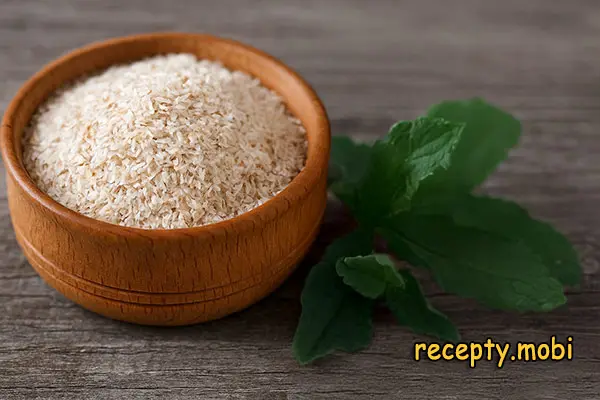
Psyllium husk
Psyllium is a soluble fibre that, on contact with liquid, forms a gel that binds the ingredients well. It is especially popular in gluten-free baking.
- Proportion: 1 teaspoon of psyllium + 3-4 tablespoons of water = 1 egg.
- Use: bread, cupcakes, fritters, gluten-free baking.
- Notes: it has no flavour, but it makes the texture denser and moister. It is recommended to let it stand for 5-10 minutes before adding it to the dough.
Conclusion
The choice of a suitable egg substitute depends on the particular recipe and the result you want. Experiment with the different alternatives to find the best option for your culinary needs. Each substitute has its own advantages: flaxseeds and chia seeds – healthy omega-3, fruit purees – natural sweetness, aquafaba – fluffiness for meringues. Start with 1-2 options, get the hang of them, and gradually expand your "arsenal" of substitutes.
❓ Frequently asked questions
Which egg substitute is the most versatile?
For most types of baking, a mixture of ground flax with water is versatile (1 tbsp of seeds + 3 tbsp of water = 1 egg). It suits cookies, cupcakes, muffins and bread – a neutral flavour and good binding properties. Starch with water also works well (2 tbsp + 3 tbsp of water) – it does not affect the flavour or colour. For sweet recipes you can use banana puree (1/4 cup) – it adds sweetness and moisture. Start with these three – they solve 80% of tasks.
What should I choose for vegan meringue?
Only aquafaba – the liquid from tinned chickpeas. It is the only product that whips into a stable foam like egg white. Proportion: 3 tbsp of aquafaba = 1 egg (white). For the best result, use cold aquafaba and a glass or metal bowl for whipping. Add a few drops of lemon juice to stabilise the foam. Add the icing sugar gradually. Whip for longer than egg whites – up to 10 minutes at maximum speed.
Can eggs be replaced when baking bread?
Yes, for bread the best options are: psyllium (1 tsp + 3-4 tbsp of water), a flax "egg" (1 tbsp of ground seeds + 3 tbsp of water), tofu puree (1/4 cup). They give the crumb the necessary density and the dough elasticity. Aquafaba and soda-vinegar also work, but they are less preferable for yeast bread. For gluten-free bread, psyllium is the best choice, as it forms a "network" that replaces gluten.
How do the different proportions for the alternatives differ?
The difference lies in which function of the egg the substitute performs: flaxseeds (binding), starch (thickening), aquafaba (fluffiness), puree (moisture + binding), soda-vinegar (raising). In a recipe with 2 eggs you cannot use a single alternative – it may not cover all the functions. It is better to combine them: for example, replace one egg with flax (binding) and the second with soda-vinegar (fluffiness). This imitates the full effect of eggs. For simple recipes with 1 egg, one substitute is usually enough.
From the same series: what to substitute for sour cream – 10 alternatives with proportions.
From the same series: what to substitute for kefir.