What to Substitute for Flour in Baking: 10 Best Alternatives
Flour substitutes for baking open up a world of options whether you are avoiding gluten, cutting carbs or simply out of all-purpose flour. The good news is that at least ten reliable alternatives exist, and each one brings its own texture and flavor to the finished product. The most accessible swaps include cornstarch or potato starch for lighter cakes and crepes, oat flour for cookies and muffins, rice flour for gluten-free breads, and almond or coconut flour for low-carb recipes. Each substitute behaves differently – some absorb more liquid, others change the crumb structure – so ratios matter. Below we cover all ten options with exact conversion amounts, explain which baked goods each one suits best, and flag common pitfalls so your first attempt works the way you want.
When it comes to replacing wheat flour in baking, I have put together a selection of 10 tried-and-tested alternatives. From my own experience, the main secret to a successful swap is to always consider what the flour does in the recipe. For gluten-free baking you need rice, corn, or nut flour. To cut calories, reach for oat bran or vegetable purees. There is no single universal substitute – each one works for a particular type of baking.
This step-by-step recipe is my proven cheat sheet for replacing flour in any home baking. These alternatives help you make gluten-free dishes, lower the calorie count, use up leftover ingredients, or simply add variety to the flavour. Each substitute gives the finished dish its own character – experiment to suit your taste and your goal.
Ingredients (10 alternatives to wheat flour)
- potato or corn starch;
- legume puree (chickpeas, beans, lentils);
- mashed potatoes;
- nut flour (almonds, hazelnuts);
- quinoa, buckwheat, millet;
- oat or wheat bran;
- semolina;
- crushed biscuits;
- rolled oats;
- grain flour (coconut, rice, rye).
Preparation step by step
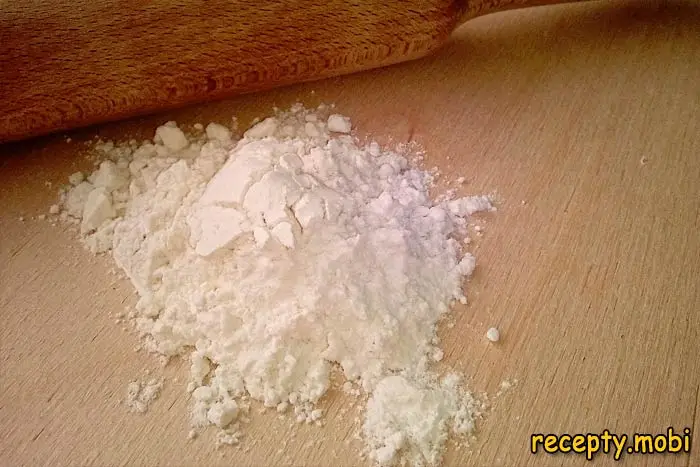
1. STARCH replaces flour at a ratio of 2 tbsp flour = 1 tbsp starch. Replace 1/4–1/3 of the flour with starch for a "lighter" bake. Potato starch gives a tender texture, while corn starch makes it denser. It suits sponge cakes, muffins, and biscuits. It lowers the calorie count and gives a feeling of fullness from a smaller portion.
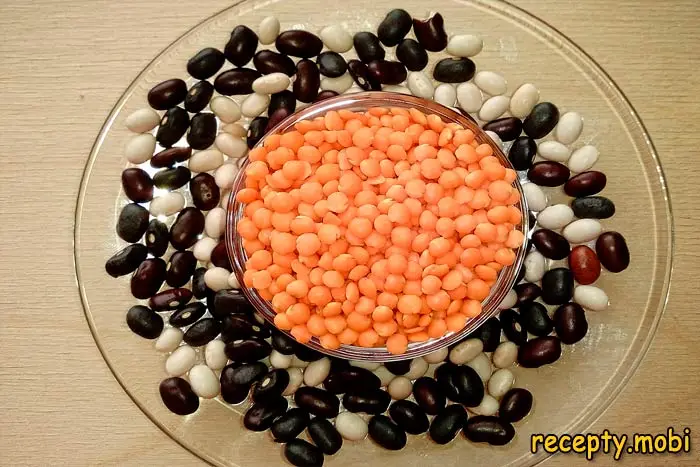
2. LEGUMES – a puree of chickpeas, beans, or lentils makes baked goods airy, hearty, and rich in plant protein. Avocado works in the same way. It suits brownies, muffins, and biscuits. Replace 100 g of flour with 150 g of puree and reduce the liquid by 30 ml. A healthy gluten-free alternative for vegan baking.
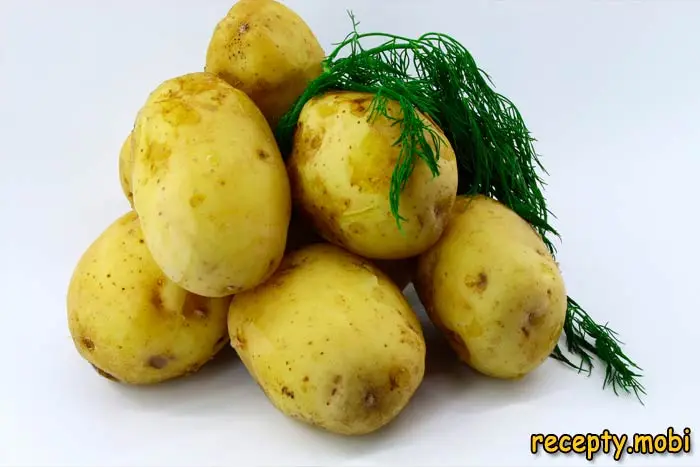
3. MASHED POTATOES contain starch, swell when heated, and bind the mixture. Be sure to let the mash cool before adding the other ingredients – if it is hot it will scramble the eggs. It suits potato pancakes, potato fritters, and bakes. It replaces up to half the flour in savoury baking recipes. It gives a distinctive "homemade" flavour.
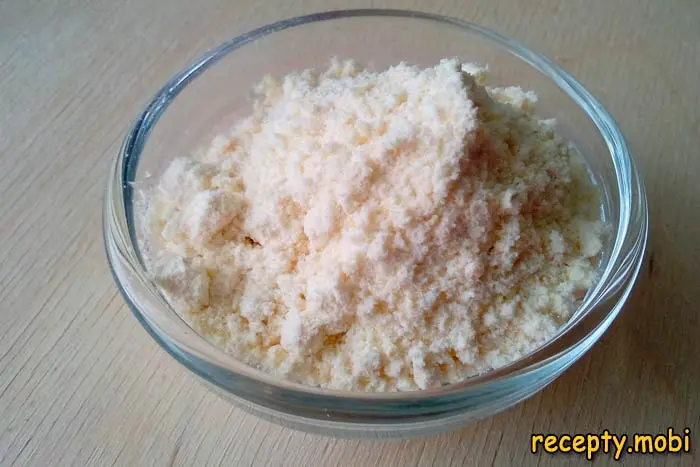
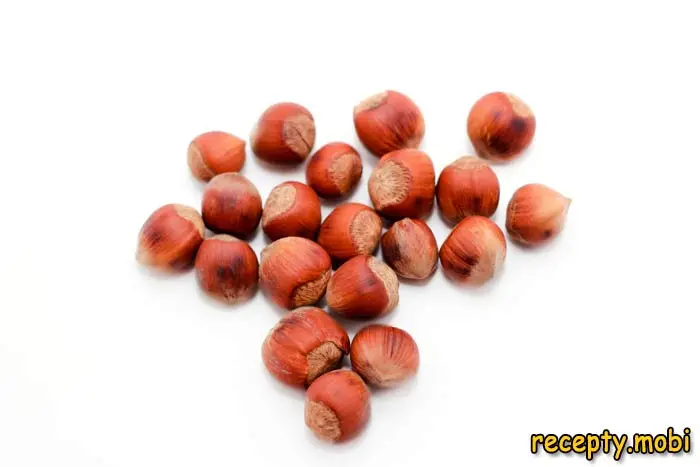
4. NUT FLOUR made from almonds, hazelnuts, or walnuts is rich in antioxidants, vitamin E, and healthy fats. Replace half the wheat flour with nut flour – a full swap will give too dense a texture without the usual lightness. It suits cakes, biscuits, and muffins. A gluten-free alternative with a rich flavour.
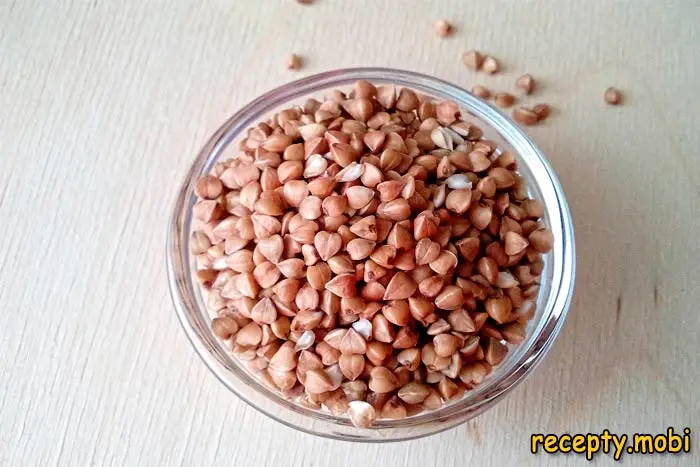
5. QUINOA, BUCKWHEAT, OR MILLET should be ground in a coffee grinder or cooked for use in baking. Replace the flour in equal proportion (1:1). Each grain "flour" lends a subtle, distinctive aroma: buckwheat is nutty, quinoa grassy, and millet neutral and slightly sweet. Natural gluten-free alternatives.
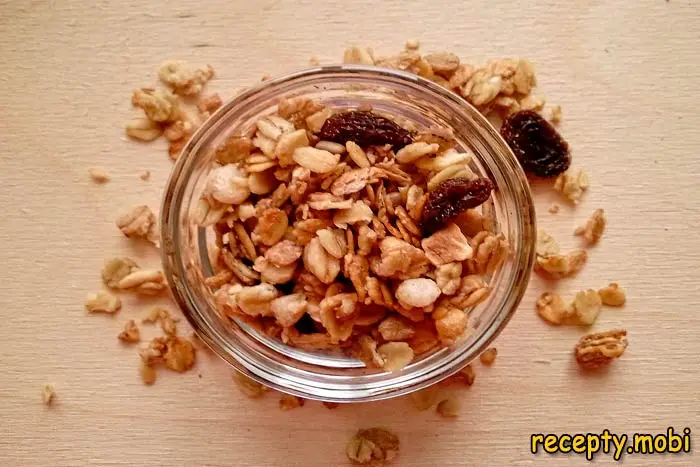
6. OAT OR WHEAT BRAN is lower in calories and considerably richer in fibre than ordinary flour. Replace the flour in equal amounts (1:1). It suits homemade bread, biscuits, and fritters. An ideal choice for a diet-friendly menu and for keeping the gut working well. A healthy swap for the whole family.
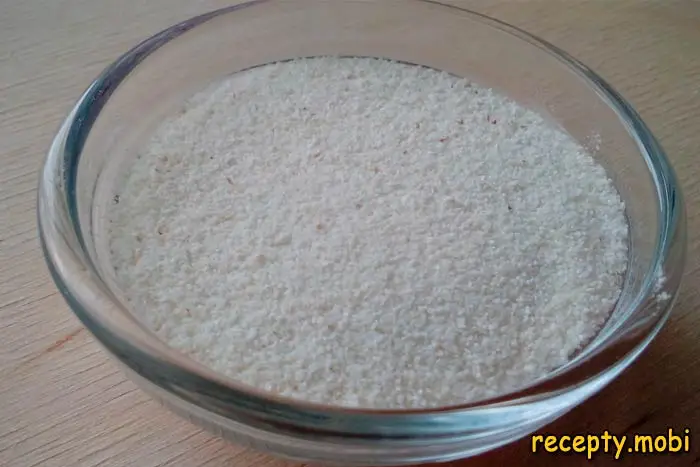
7. SEMOLINA should be soaked in milk or water to swell before use (for 30 minutes). Replace the flour in equal amounts. It suits semolina cakes, bakes, cheese pancakes, and fritters. It gives a tender, "grainy" texture and the distinctive taste of childhood. A classic of homemade baking in the best sense.
8. CRUSHED BISCUITS – grind dried-out biscuits to a powder in a blender or with a rolling pin. Reduce the sugar and butter in the recipe – they are already present in the biscuits. Ideal for cheesecake bases, dessert foundations, and pie fillings. A creative alternative that uses up leftovers.
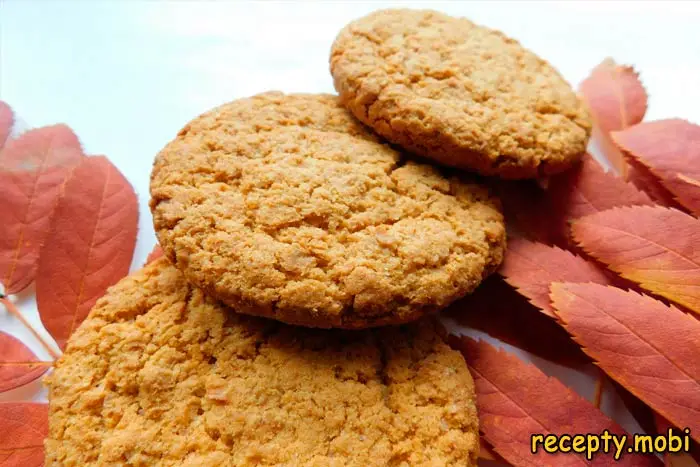
9. ROLLED OATS should be ground into flour with a coffee grinder or a powerful blender. They fully replace wheat flour in any baking (1:1). They suit biscuits, muffins, pancakes, and fritters. They give a distinctive "oaty" aroma and a slightly dense texture. A healthy, fibre-rich alternative.
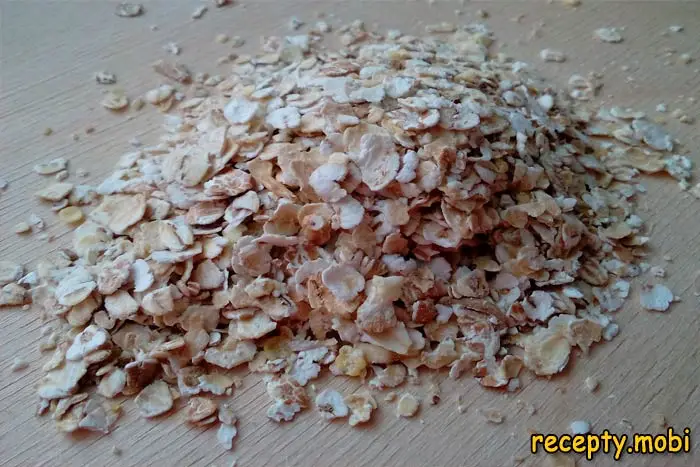
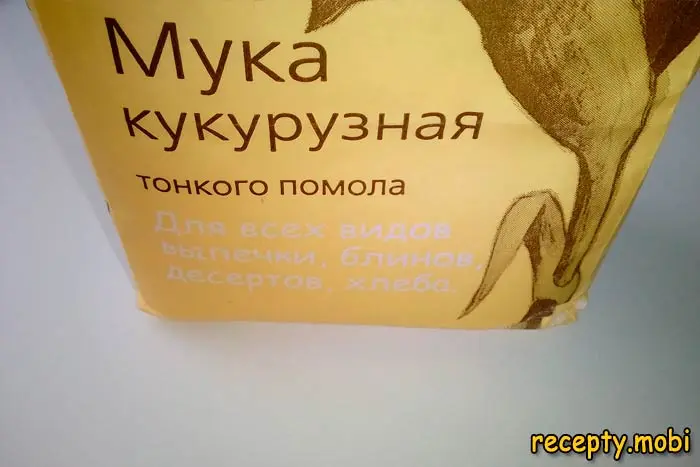
10. GRAIN FLOUR – coconut, rice, buckwheat, rye – is rich in fibre, and some types are gluten-free. They are denser than wheat flour, so use half as much (for example, 200 g of wheat flour = 100 g of coconut flour). They suit gluten-free and diet-friendly baking. Each one gives the dish its own distinctive aroma.
Tips and Tricks
Tip 1. For gluten-free baking, choose rice, corn, buckwheat, or nut flour – they are all gluten-free.
Tip 2. To lower the calorie count of your baking, use oat bran, legume puree, or ground rolled oats.
Tip 3. Do not replace 100% of the flour at once – start with a 30–50% swap and increase the proportion gradually. I follow a similar principle when choosing substitutes for diet baking.
Tip 4. Gluten-free flour often needs an extra binder – xanthan gum or added eggs for elasticity.
❓ Frequently asked questions
What is best to use for gluten-free baking?
The best gluten-free options are: rice flour (a versatile, neutral choice), corn flour (for muffins and bread), coconut flour (for low-carb baking), almond nut flour (for cakes and biscuits), and buckwheat flour (for pancakes). They are often combined – for example, rice and corn flour 50/50 for bread. For elasticity, add 1 teaspoon of xanthan gum per 200 g of gluten-free flour – it imitates the function of gluten in baking.
What is best to choose for losing weight and dieting?
The lowest-calorie alternatives are: oat bran (180 kcal per 100 g versus 340 kcal for wheat flour), lentil or chickpea puree (110–180 kcal), and pumpkin or apple puree (40–50 kcal). They cut the calorie count of baked goods by 3 to 7 times. Greek yoghurt with oats is an excellent swap for healthy-eating pancakes and fritters. For sweet baking, coconut flour has a natural sweetness and needs less sugar.
Will the flavour of the baking change when you replace the flour?
Yes, but often for the better. Nut flour gives sweet baking a refined character. Rolled oats lend a cosy, "rustic" taste. Coconut flour adds a tropical note. Legume puree gives a neutral flavour with extra nutrition. Buckwheat flour brings an interesting nutty aroma to pancakes. The main thing is to match the substitute to the character of the dish: thin sponges need a neutral swap, while denser muffins suit the more aromatic options.
Can you combine different alternatives in one recipe?
Yes, combining them often gives the best result. Classic pairings include: rice and almond flour 50/50 (a tender gluten-free base), oat flour and starch 70/30 (a diet-friendly sponge), and coconut and rice flour 30/70 (a balanced gluten-free base). Do not be afraid to experiment in small batches – that is how you find the perfect combinations for family recipes. Note down the proportions that work so you can repeat them.
From the same series: what to substitute for sour cream – 10 alternatives with proportions.
From the same series: what to substitute for kefir.
More from this series: what to substitute for sugar: 10 alternatives with proportions.