Which thickener is better to choose for jam
The right thickener can transform a runny jam into a perfectly set spread without hours of simmering — and it lets you keep the natural flavor and color of the fruit while using far less sugar. The most popular options are pectin (a natural extract from apples), pectin gel mixes, agar-agar, gelatin and cornstarch, and each behaves differently. Pectin is the all-purpose workhorse, agar gives a firmer, jelly-like set, gelatin is best for refrigerated jams and starch is mostly for pie fillings. I'll compare them in detail, share exact ratios per 1 kg of fruit, explain when to add each one and how to avoid clumps, and recommend the best thickener for different fruits.
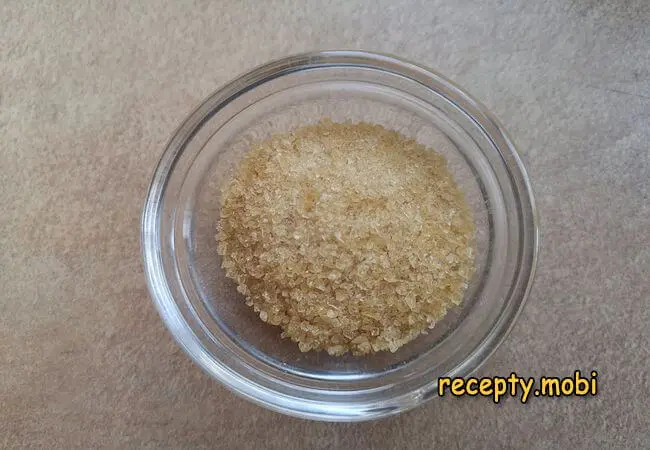
I use jam thickeners all the time – they let me keep the maximum amount of vitamins in the berries while cutting down the heat treatment. Fresh berries from your own garden are a treasure trove of minerals and vitamins, but you cannot keep them fresh through the winter. The best thing to do with a surplus harvest is turn it into jam – and this is where the three main thickeners come into play: pectin, gelatin and agar-agar. In this article I go through the pros and cons of each, with specific example recipes.
Why add a thickener
Jam made from juicy berries (blueberries, strawberries, currants) almost always turns out runny. To make it thick you have to boil it until the volume has reduced by half – this takes a lot of time, and the amount of nutrients goes down. By adding a thickener, I cut the cooking time to 5–10 minutes, and the consistency still comes out thick.
Pectin – a natural thickener made from apples
Pectin is a natural thickener for winter preserves, made from apples. Added during cooking, it produces a thick mass that resembles a fruit jelly. The additive has no smell – the aroma of the finished dish does not change.
To get the right result, I stick to the proportions: 12 g of pectin per 1 kg of berries. When sugar is added (0.5 kg of sugar per 1 kg of berries), 5 g of pectin is enough. Add more and the flavour is spoiled. Add less and the consistency stays runny.
Worth knowing: do not boil the jam for more than 5 minutes, otherwise the pectin loses its gelling properties.
Example: "Assorti" jam with pectin
To add some variety, I make an "Assorti" jam from different berries. You will need:
- 500 g of fresh berries (raspberries, currants, lingonberries, etc.);
- a glass of sugar (200 g);
- pectin (5 g).
Preparation:
- Fill a deep pot with the berries and add the sugar. Mix thoroughly with a spoon and set on the stove.
- Stir from time to time so the berries do not burn. Once it comes to the boil, cook for 5–10 minutes.
- Put 2 tbsp of sugar in a small dish and mix it thoroughly with the pectin. Then add it to the jam and immediately stir with a whisk – so it spreads evenly.
- Boil the jam for 1–3 minutes, then pour into glass jars. Close with lids and put away for storage.
Gelatin – a classic for marmalade-like preserves
Gelatin is one of the ingredients in marshmallows, jelly sweets and other confectionery. Thanks to it, desserts become pliable and hold their shape. To thicken jam, I add gelatin during cooking. The taste is not affected – gelatin has a neutral flavour.
Example: red currant jam with gelatin
Ingredients:
- 1.3 kg of red currants;
- 1 kg of granulated sugar;
- 20 g of food gelatin.
Preparation:
- Clean the berries of stalks, leaves and other debris.
- Tip the currants into a deep pot and crush them until they release their juice.
- Bring the mass to the boil and cool slightly. Rub it through a sieve to separate the juice from the seeds.
- Pour the currant juice into a separate pot and set on the stove. Add the sugar and boil for 5–10 minutes.
- Dissolve the gelatin in warm water. Pour the resulting mixture into the jam and bring to the boil.
- As soon as it boils, take the pot off the heat – pour the jam into sterile jars and close with lids.
- Store the jam in a cool place.
Agar-agar – a plant-based "super-thickener"
Agar-agar is a fully natural additive, produced from seaweed. You need not worry about losing any flavour – the thickener does not change the colour or smell of the product. Its main feature: agar-agar sets at room temperature (unlike gelatin, which needs cold).
Example: strawberry jam with agar-agar
Ingredients:
- 2 kg of ripe strawberries;
- 150 ml of drinking water;
- 1 kg of sugar;
- agar-agar (20 g).
Instructions:
- Clean the strawberries of debris and discard any mushy or damaged berries. Rinse under running water if needed.
- Layer the berries in an enamel pot (strawberries – sugar – strawberries). Leave for 12 hours so the strawberries release their juice.
- Half an hour before cooking, prepare the agar-agar: pour water over the powder (1 cup of liquid per 1 tsp of thickener) and leave for 30 minutes. Then bring the mixture to the boil.
- Put the pot of strawberries on low heat. Once it boils, cook for 3 minutes. Add the hot agar-agar mixture and boil for another 3 minutes. Skim off the foam.
- Pour the jam into sterile jars, cover with a tight lid and leave until completely cool. Then move to a cool place.
Which thickener to choose for jam
Above I have looked at the most popular food additives. To make a decision, you need to settle on the kind of jam you want. For a "marmalade" version – gelatin. For a thick, jelly-like mass – pectin. For a "firm" jam that sets quickly at room temperature – agar-agar.
❓ Frequently asked questions
Which is better: pectin or gelatin?
It depends on your goal. Pectin is plant-based, odourless, gives a jelly-like structure and preserves naturally (on its own it can "bind" sugar and acid). Gelatin is of animal origin, gives a dense "jelly" structure and needs cold to set. Pectin is better for jam "like grandma used to make" – softly thick. Gelatin is for marmalade-like preserves. Vegans should use only pectin or agar-agar. Cost: pectin 200–400 roubles per 100 g, gelatin 50–100 roubles per 100 g. The price is justified – pectin gives a more "professional" result.
Can thickeners be mixed?
I do not recommend it – they work differently and can "conflict". Pectin is activated when boiled with acid, gelatin when dissolved in liquid, and agar-agar when heated to 90 °C. When mixing them, it is hard to calculate the final thickness accurately. If you want to "boost" the effect, choose one and increase the dose by 20–30%. For example, 7 g of pectin instead of 5 per 1 kg of berries. For special occasions, professional confectioners use ready-made "gelling sugars" (Gelfix and others) – the proportions are already balanced there.
How can I check whether the jam will thicken?
The classic "drop on a saucer" test: place a drop of hot jam on a cold saucer taken from the freezer. After 1–2 minutes, tilt the saucer – if the drop holds its shape and does not run, the jam is ready. For jam with pectin, gelatin or agar, check 5 minutes after pouring it into the jar – by then it should start to "set". I judge the final thickness the next day, after it has cooled and rested in the fridge. If it is still runny, boil it for another 5 minutes and check again.
What to do if the jam has not thickened?
Possible causes and solutions. Too little thickener – add another 3–5 g and boil for 3–5 minutes. Overcooked (pectin) – sadly, it cannot be restored; use it as a syrup for soaking sponge cakes. Not enough acid (for pectin) – add 1 tsp of lemon juice per 1 kg of berries and reboil. Expired thickener – gelatin "loses its strength" after 2 years, so check the date. To "rescue" runny jam – add 10–15 g of gelatin dissolved in warm water, bring to the boil, take off the heat and cool in the fridge.