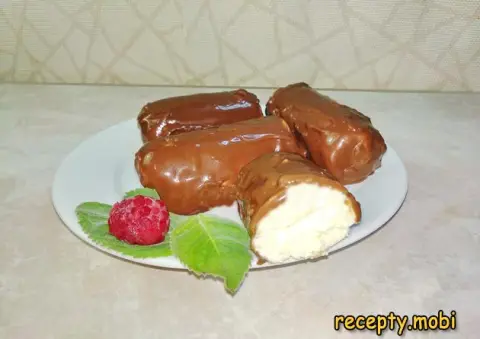
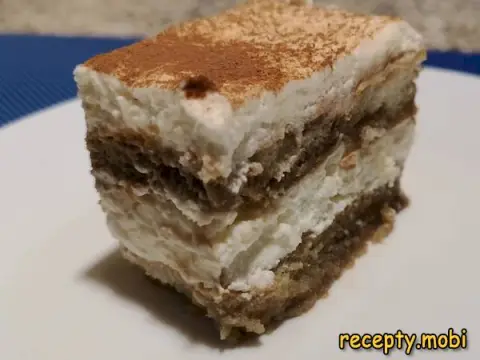
avg —
Cream cheese for cake on cream

Instructions
Prepare the ingredients you need. The cheese and the cream (it must be high in fat) should be very cold. I keep the mixing bowl together with the mixer whisks in the refrigerator for a while – the cream then whips better. For the flavouring, vanillin, vanilla paste, vanilla extract or ordinary vanilla sugar all work.
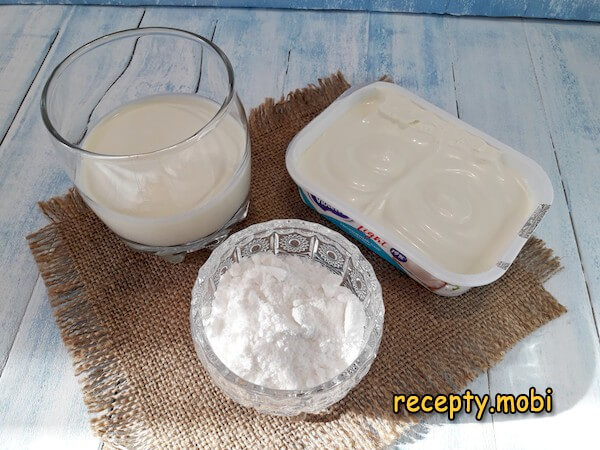
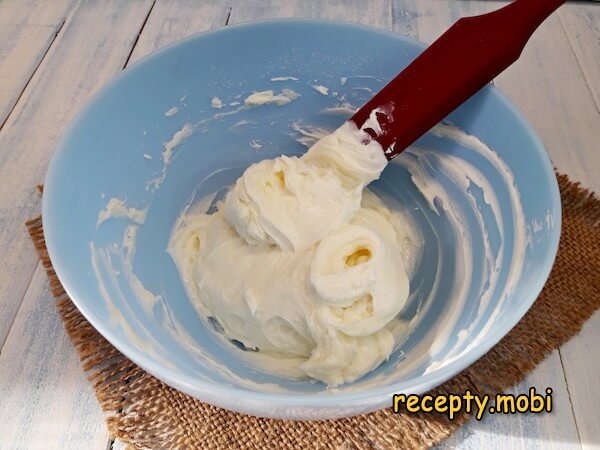
So that the frosting comes out smooth, without lumps, I whip the cream cheese separately, adding the vanilla and powdered sugar to it afterwards. I whip everything on medium speed only briefly – just enough for the mixture to become uniform and silky.
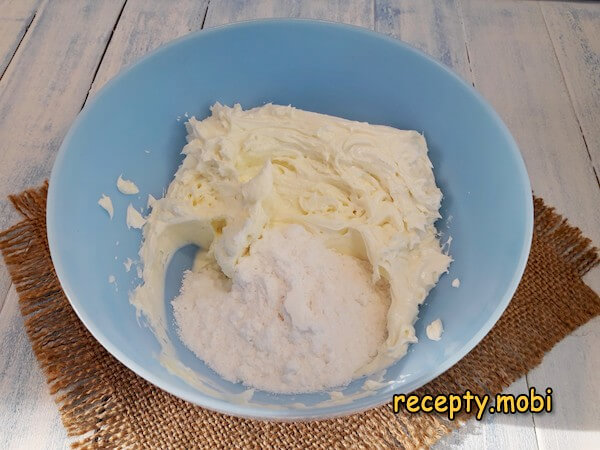
I always run a silicone spatula once around the walls of the bowl and whip everything again, to make sure there are no unmixed lumps. The result is an absolutely smooth texture.
In a separate container (it is better if it has a tall, narrow shape) I whip the cream. I start at the very lowest speed, gradually increasing it, but not to the maximum – a little below it. I bring the cream to soft peaks, not fully stiff ones. If at this stage you whip the cream to stiff, firm peaks, then on further mixing with the cheese the cream will split, and the frosting will turn out runny.
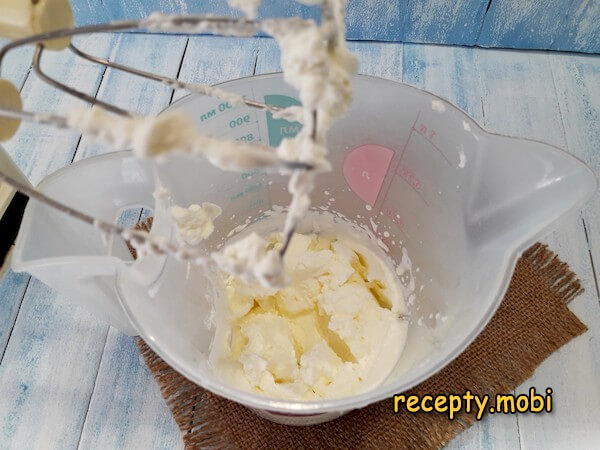
Then I transfer the cream into the cheese.
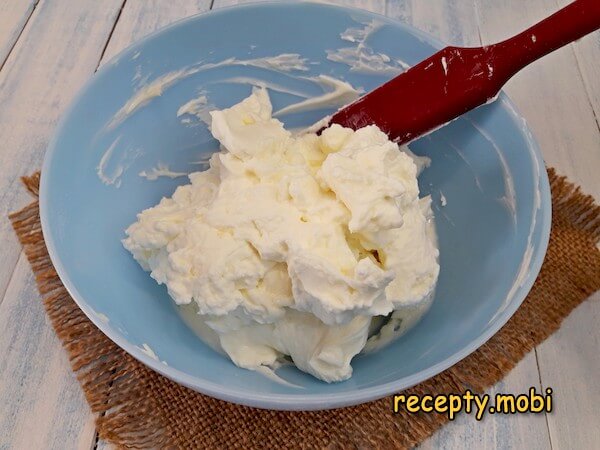
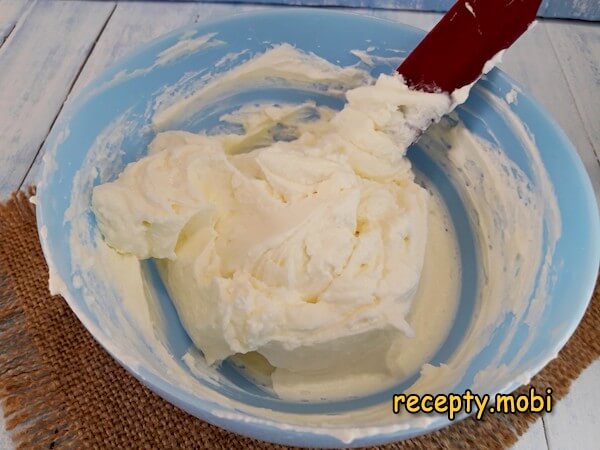
On the lowest mixer speed, I combine them into a single whole.
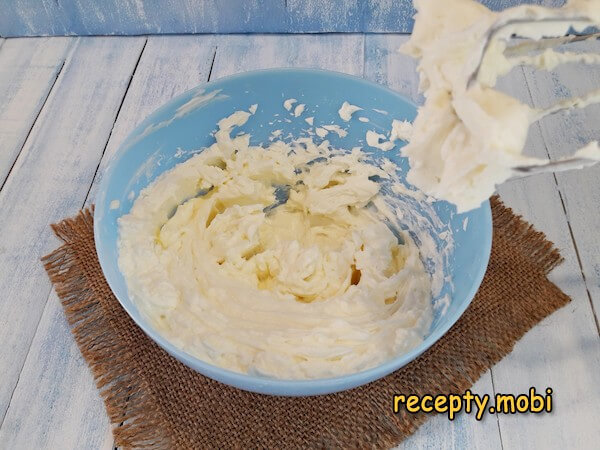
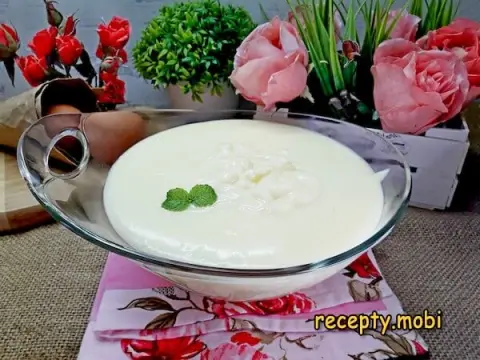
During whipping the frosting thickens further, becomes fluffy and takes on a uniform texture.
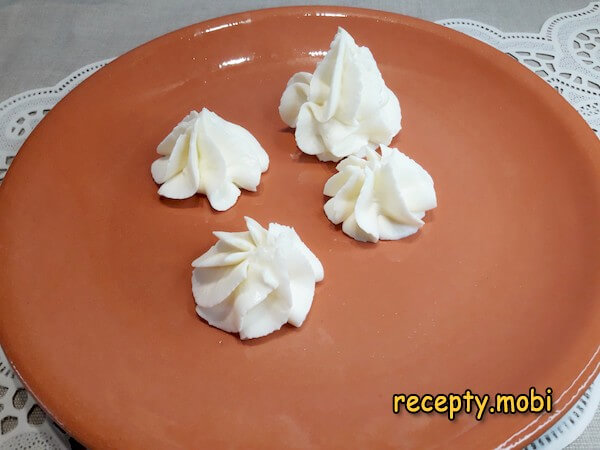
To check its quality, I put this frosting into a piping bag with a shaped nozzle and pipe a few domes – they all have clear definition and do not spread.


Tips
- 1
COLD INGREDIENTS are the secret to stability. Warm cheese and cream will not whip into a firm frosting. I keep the cheese, cream, bowl and whisks in the refrigerator for 30 minutes before whipping.
- 2
33% FAT is the secret to holding shape. Cream of 20–30% will not give enough density – the frosting will run. Only cream of 33% and above holds its shape on a cake.
- 3
SOFT PEAKS are the secret to texture. Cream over-whipped to stiff peaks will split in the cream cheese frosting. I stop at soft peaks – the frosting then comes out silky.
- 4
SEPARATE WHIPPING is the secret to smoothness. I whip the cheese and the cream in different bowls, then combine them on the lowest speed. The same principle works for other kinds of creams and desserts.
FAQ
Which cream cheese should I choose? +
Use a full-fat, unsalted cream cheese with no additives – this is the classic choice. Mascarpone also works and gives a more tender result, though it is more expensive. Do not use processed cheese spreads, cheese with herbs or spices, or cheese that is close to its use-by date.
What can I use instead of 33% cream? +
Cream of 35% or 38% works well and gives a brighter flavour. Full-fat sour cream (30%) can be used too, for a tangier, more classic taste, and softened butter (about 50 g) gives a denser frosting. Do not use cream below 30%, as it will not whip, or long-life cream, which whips poorly. For the classic version, use cream of at least 33% fat.
How long does cream cheese frosting keep? +
In the refrigerator, in a tightly closed container, it keeps for 2–3 days; any longer and the frosting loses its stability and tang. Before using, let it stand for 5 minutes at room temperature. I do not recommend freezing it, as the structure breaks down completely after thawing. It is best to make it on the day you assemble the cake. A finished cake with the frosting keeps for up to 3 days in the refrigerator.
What does cream cheese frosting pair with? +
It is a classic on vanilla or chocolate sponge. It is piped onto cupcakes with a shaped nozzle and used for pastries such as Esterházy and Napoleon, as a layer in honey cake and red velvet, and as a topping for small cakes. It pairs well with berries (strawberry, raspberry, blueberry), nuts (pistachio, almond), chocolate shavings, caramel sauce and lemon curd – an all-round frosting for a homemade cake.
- Comment
or post as a guest
Be the first to comment.