avg —
Lemon Curd

Instructions
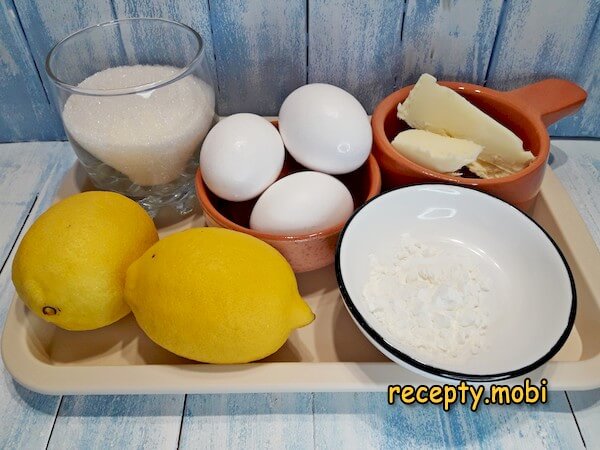
I prepare the ingredients. You need to obtain 100 millilitres of juice from the lemons, so keep that figure in mind and squeeze gradually, so as not to cut open more fruit than necessary. If the shelled weight of an egg is under 55 grams, use 3 of them. The cornstarch for the curd can be replaced with potato starch with no loss of flavour or texture.
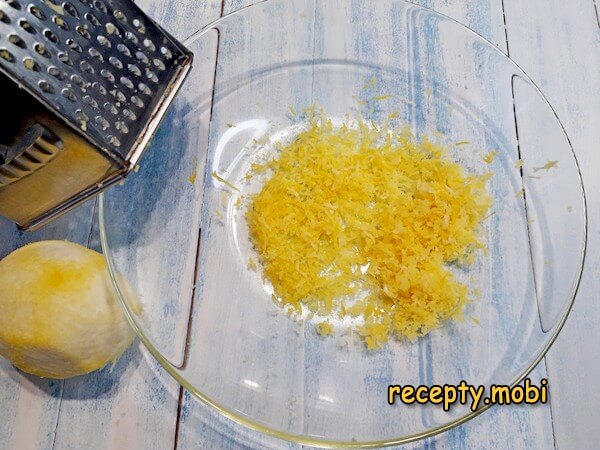
On a fine grater I grate the zest of one lemon, but only its yellow part (the white pith would be bitter).
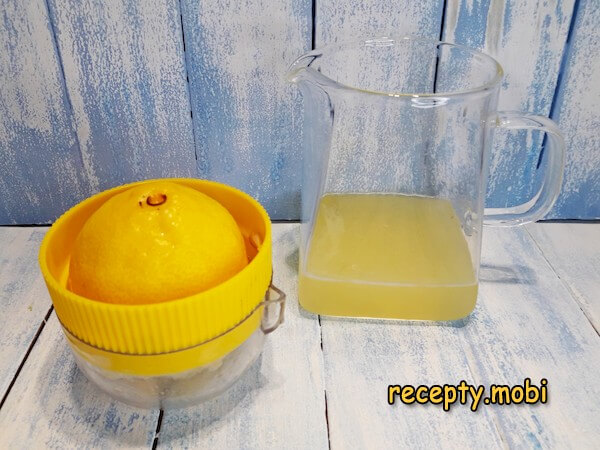
Separately, I squeeze out 100 millilitres of lemon juice.
I crack the eggs into a saucepan.

I add all the sugar to them.
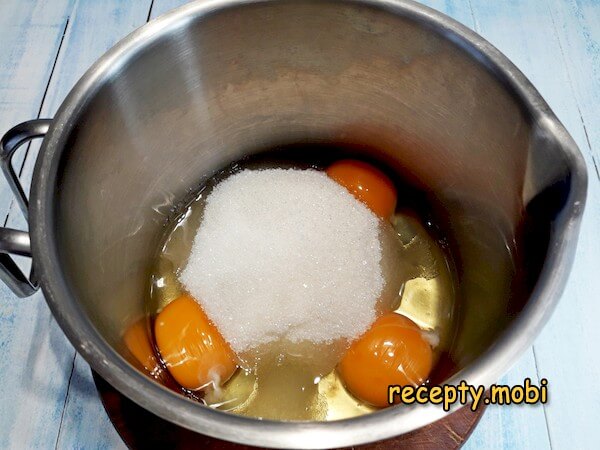
I stir the mixture with a whisk (no need to beat it), then pour in the starch and stir again.

I add the zest.

I pour in all the juice. I stir the mixture thoroughly so that any dry lumps dissolve.

I set the saucepan on the stove over medium heat. The main thing now is to stir the mixture the whole time and bring it to the boil, then cook it for one more minute.
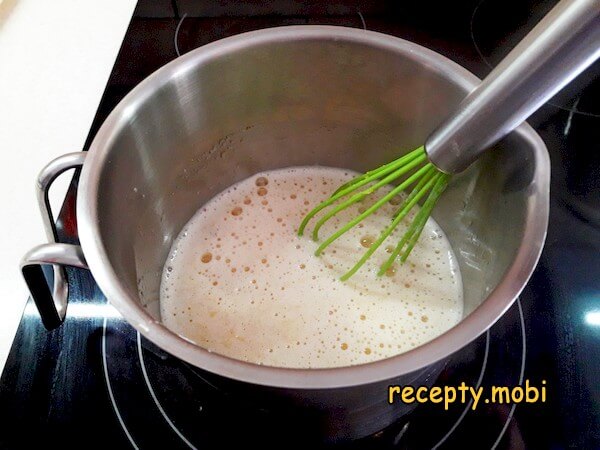
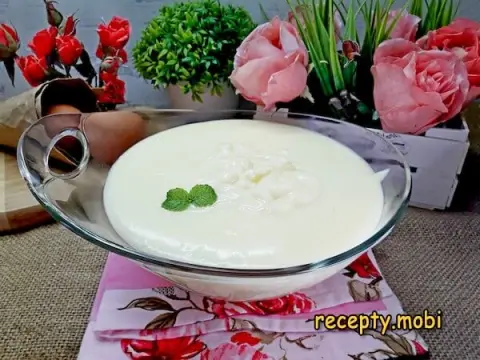
The cream noticeably changes its structure and thickens. Now it needs to be pressed through a sieve, bringing the consistency to a silky state.
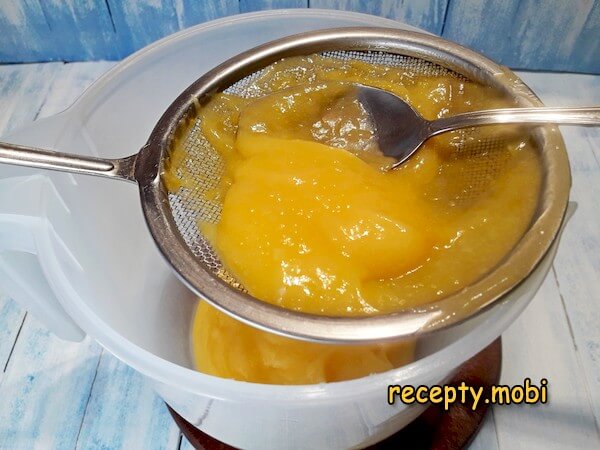
Straight into the hot cream I add the butter.
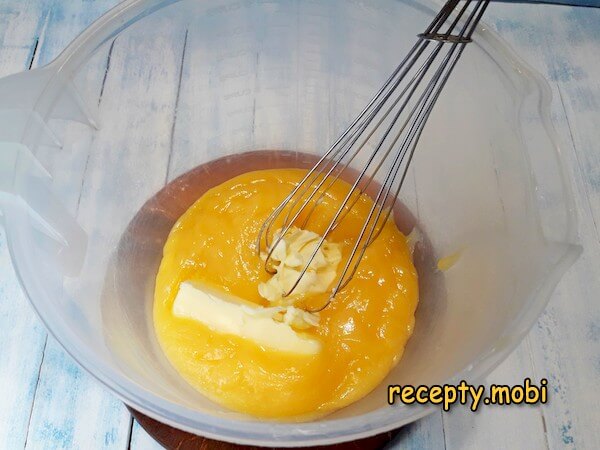
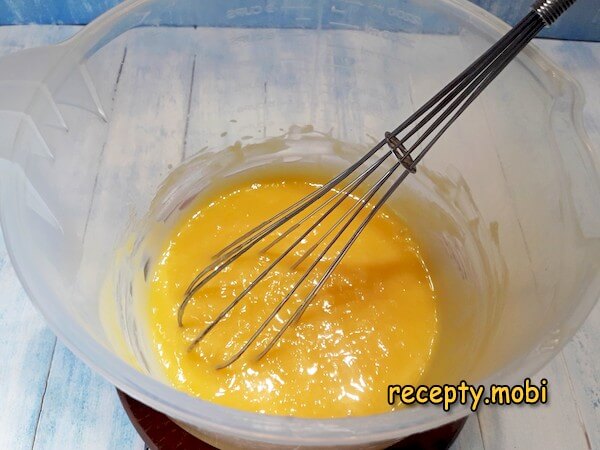
I stir the mixture with a whisk until smooth. After that, all that remains is to cool the curd, covering it with cling film pressed against the surface, then transfer it to a jar or an airtight container.


Tips
- 1
Only the yellow zest is the secret of the flavour. The white part of the lemon is bitter. Only the top yellow layer is aromatic, with no bitterness.
- 2
Constant stirring is the secret of smoothness. Without stirring, the eggs will set into lumps. Stirring constantly with a whisk keeps the texture silky.
- 3
Pressing through a sieve is the secret of the texture. The zest stays noticeable in the mass. Through a sieve, the curd becomes uniformly silky, like a factory-made cream.
- 4
Butter into the hot cream is the secret of the emulsion. Butter added to a cold cream will separate. Only when added to the hot cream after straining does it combine into a silky mass. The same principle works in other kinds of custard creams and cake fillings.
FAQ
Which lemons should you choose? +
Ideally, thin-skinned, juicy "Meyer" lemons (1.5–2 pcs — "premium, slightly sweet"). Alternatives: Turkish lemons (2 pcs — "classic"), "Villa Franca" lemons (2 pcs — "classic"), unwaxed organic lemons from an eco-shop (2 pcs — premium), Sicilian ones with green flesh (2 pcs — premium), Georgian lemons (2 pcs — premium), Uzbek ones (2 pcs — "budget"), a mix of lemons and limes (1+2 pcs — "premium mix"). Organic lemons from your own garden are the premium option. Do not use: lemons coated in wax (their zest cannot be used) or dry, old ones with thin flesh. For the "classic" version, you definitely want heavy, juicy, thin-skinned lemons.
What can replace cornstarch? +
Alternatives: potato starch (5 g — "classic, identical"), rice starch (5 g — premium), pectin (3 g — "premium, a fruit thickener"), a mix of flour and butter (10 g — "French roux"), flour 5 g plus an extra 2 minutes of cooking ("budget"), agar-agar 2 g ("premium, vegan"), gelatine 5 g ("a different, jelly-like texture"), no thickener with 3 eggs ("classic without starch"). Fresh homemade potato starch is the premium option. Do not use: modified starch with E-additives, or expired starch. For the "classic" version, you definitely want cornstarch or potato starch.
How long does lemon curd keep? +
In the fridge, in a tightly closed glass jar, it keeps for 5 days. On the second day the flavour becomes richer, as the zest gives its aroma to the butter. Before serving, leave it on the counter for 10 minutes (the butter will soften). In the freezer it keeps for up to 1 month in an airtight container; thaw it in the fridge for 6 hours. Fresh, after 1 hour of chilling, it is at its "star" best (fully thickened). On the third day the flavour becomes milder and the sourness is muted. Do not leave it at room temperature for longer than 4 hours. It is ideal to make it "for tomorrow's pie" or for cupcakes.
What do you serve lemon curd with? +
A classic for desserts: with thin pancakes and toast. With a croissant or a bun. With cheesecake as a sauce topping. With a "Pavlova" cake. In cupcakes as a filling. With English scones and cream. With lemon tartlets. With madeleine biscuits. With muffins. In a sandwich with shortbread biscuits. With whipped cream. With crackers. With a scoop of vanilla ice cream. With toast at breakfast. With a cup of English "Earl Grey" tea. With a yogurt-and-berry "cocktail". For an "English breakfast" — it works for everything. Lemon curd for pies, mousses, and gifts in a jar.
- Comment
or post as a guest
Be the first to comment.