avg —
Candies with peanuts, dried apricots, and prunes at home

Instructions
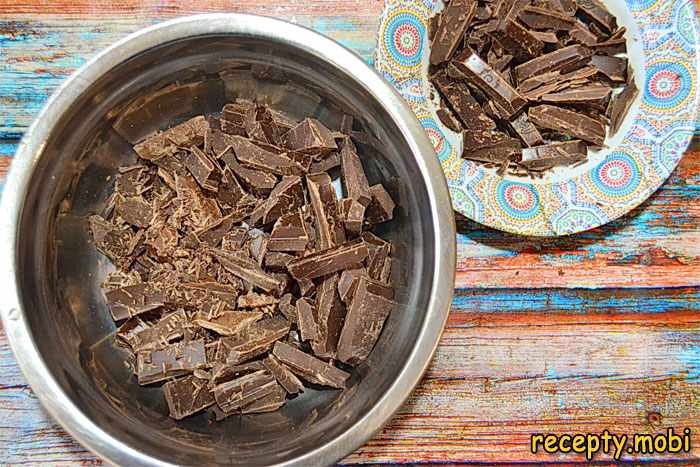
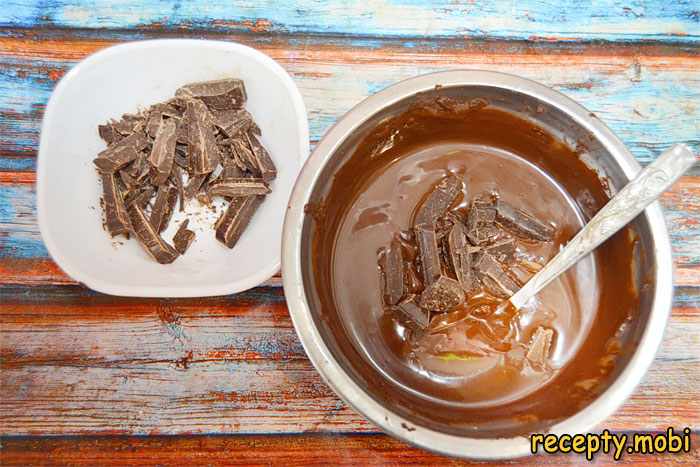
Cut the chocolate into small pieces. Set aside a quarter of the total amount for tempering process.
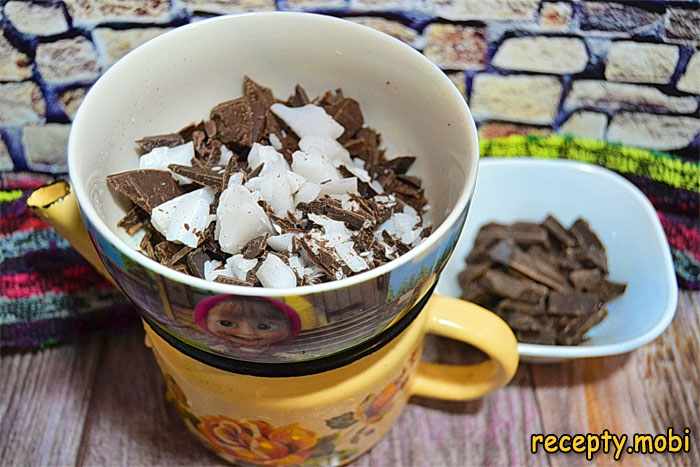
Place the chocolate together with the cocoa butter to melt in a water bath, stirring constantly from the beginning of the melting process.
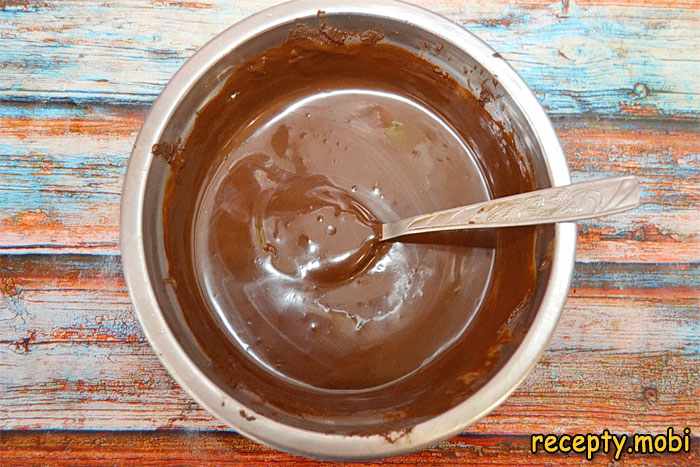
Raise the temperature of the mixture to 45 degrees (be sure to monitor the temperature). By this time, all the chocolate should be melted.
Add almost all of the previously set aside chocolate to the melted mixture (leave about a quarter) for proper tempering.
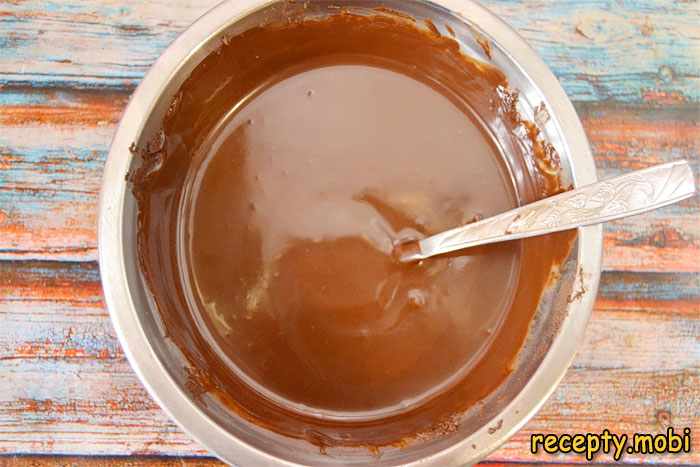
Stir the mixture with the chocolate until all the chocolate melts and the temperature of the mixture reaches 27 degrees. This is a mandatory condition. After this, we need to place the chocolate back on the water bath and raise its temperature to 32 degrees.
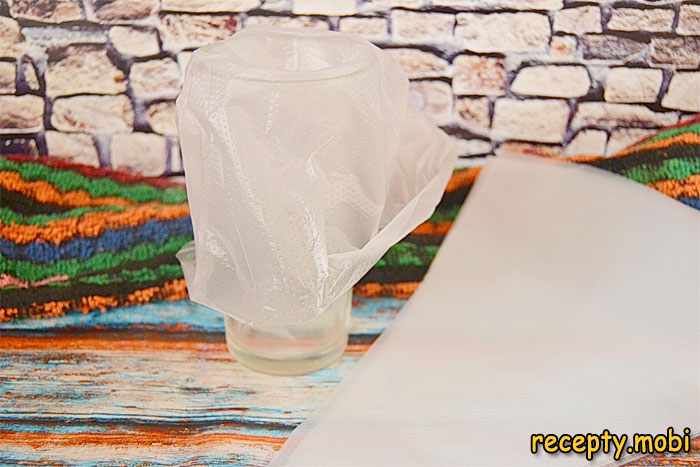
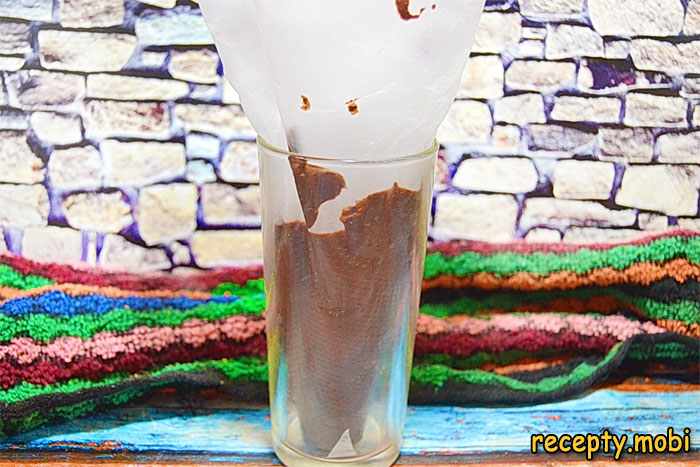
After this, we can start working with the chocolate. Prepare a pastry bag for the mixture in advance.
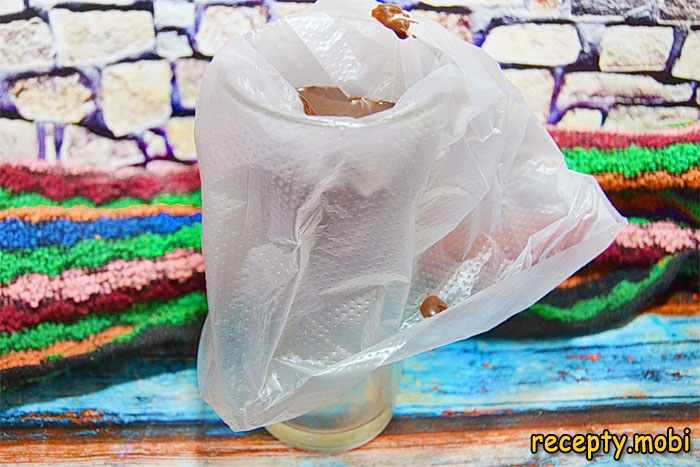
Fill the bag with the mixture for proper finished application control.
Cut a hole at the tip for piping control.
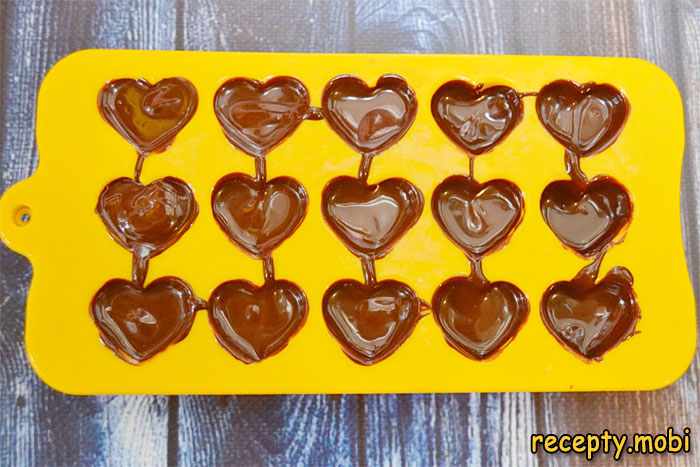
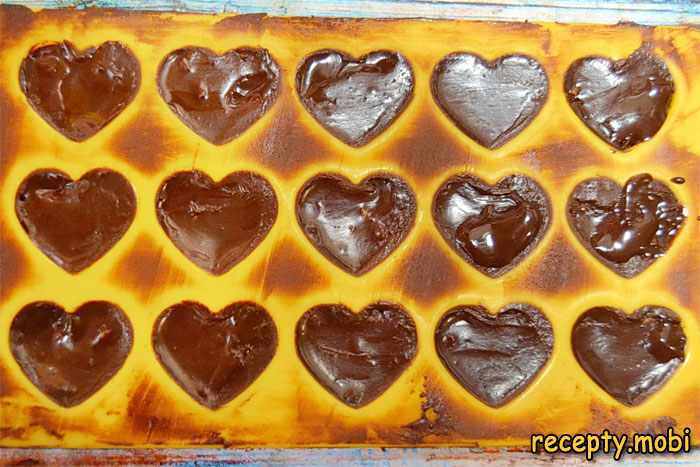
Completely fill the hole of the mold with chocolate.
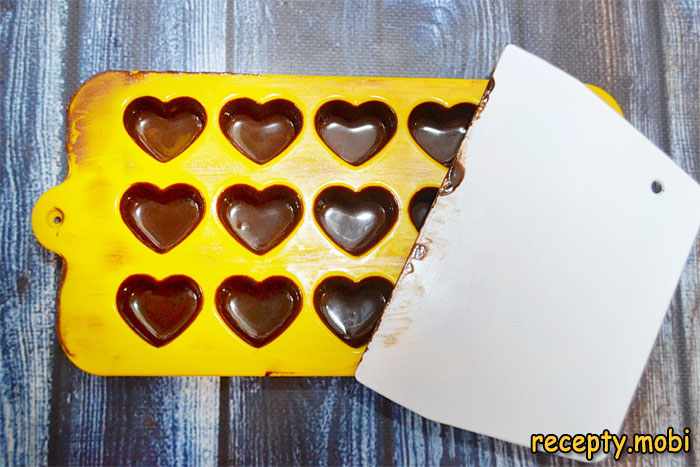
Now carefully turn the mold upside down and hold it parallel to the table to allow excess chocolate to pour out for proper finished hollow shell formation.
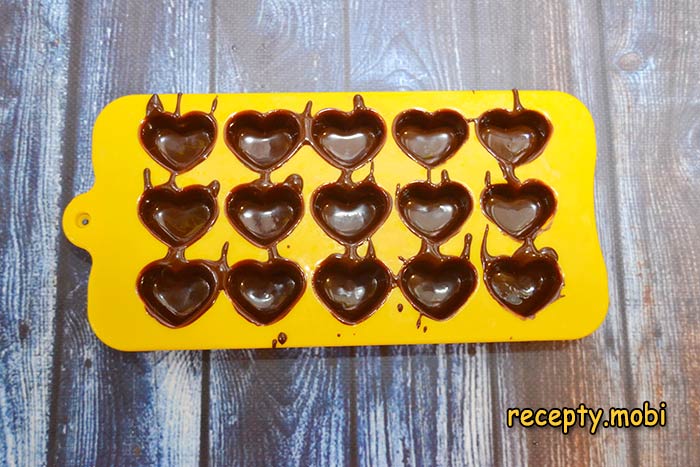
This way we have formed a shell for the candies.
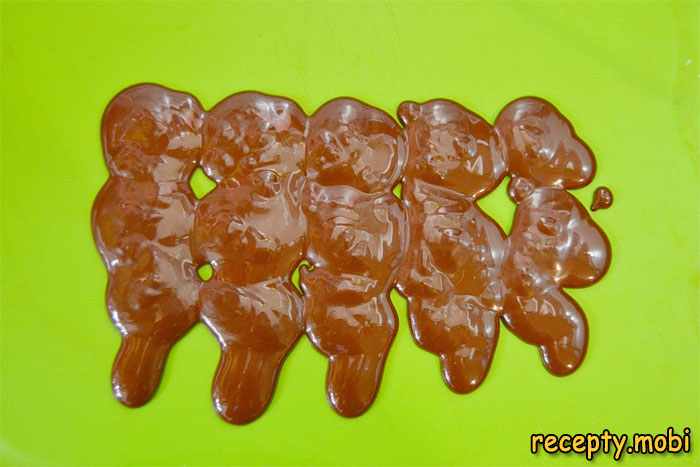
Using a pastry spatula, remove all excess chocolate and place the mold in the refrigerator to harden the chocolate. The chocolate that poured out of the mold will be collected and used for forming the bottom.
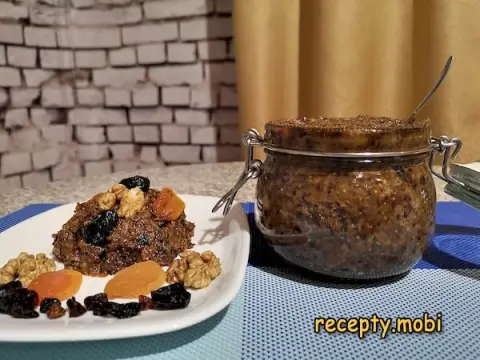
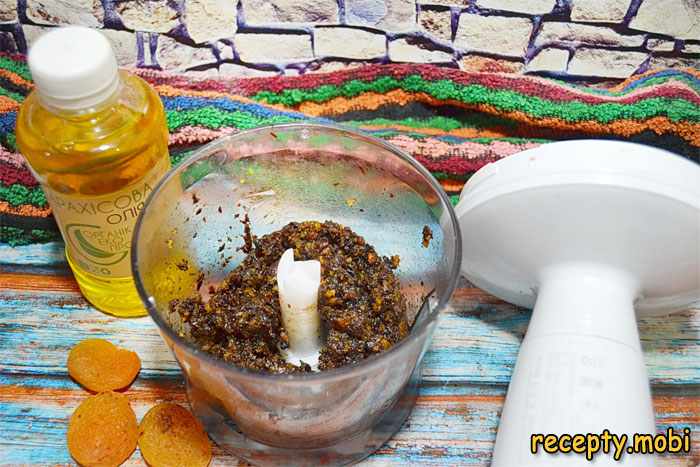
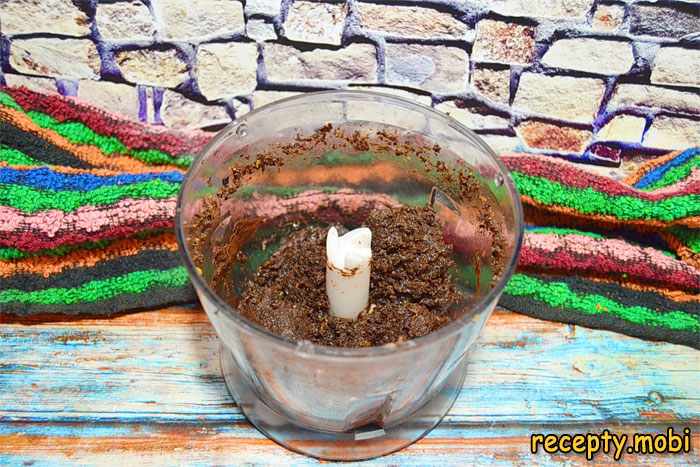
In the meantime, let's prepare the filling. Place the dried apricots and prunes in a blender and puree them.
Add a spoonful of peanut butter and a spoonful of melted chocolate. Mix well again. The filling is ready.
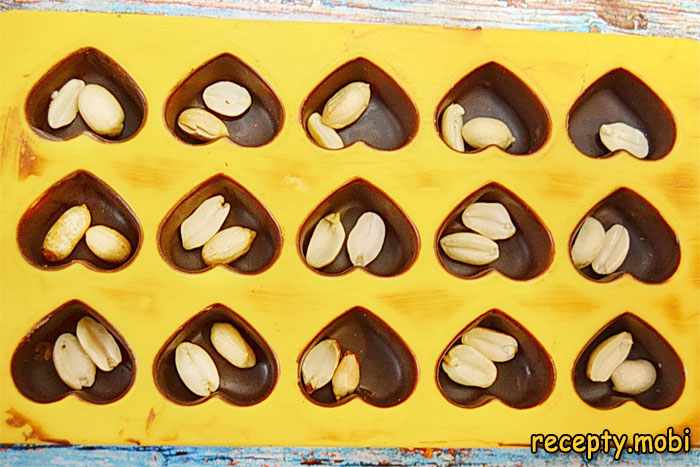
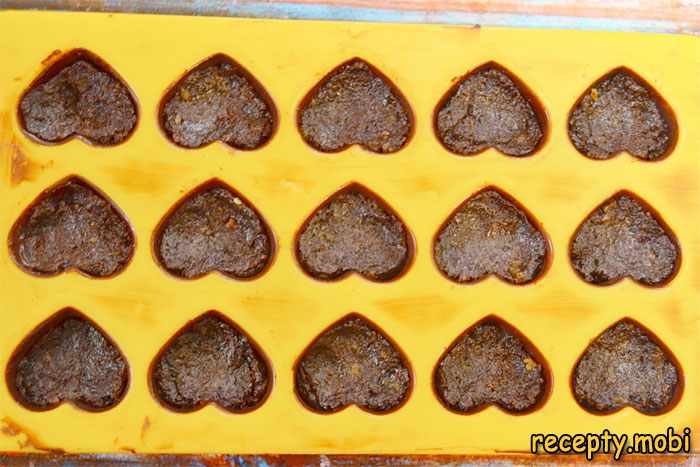
Wait for the shells of our candies to harden, then place a nut in each one.
Next, fill the mold with the prepared filling, stopping just below the top.
The next day (or maybe earlier) you can remove the candies from the mold.
Tips
- 1
Use quality dark chocolate (70%+ cocoa) for the best finished rich flavor and proper tempering. Low-quality chocolate produces inferior melting and dull bloom; quality couverture chocolate produces the proper signature glossy snap character authentic to professional confectionery preparations. Test chocolate quality by snap — fresh quality chocolate breaks with clean crisp sound. The chocolate quality matters more than home cooks typically realize for finished candy quality and overall gift-confectionery success consistently across batches reliably across various special occasion celebrations throughout the year.
- 2
Follow proper tempering temperatures (45→27→32 degrees) for finished glossy stable chocolate shells. Skipping tempering produces dull bloomy chocolate; properly-tempered chocolate produces the proper signature glossy snap character authentic to traditional confectionery preparations. The same temperature-control principle elevates many tempered-chocolate preparations including cottage cheese cake with gelatin 'Hat' and similar chocolate-decorated preparations across various confectionery traditions throughout the year reliably.
- 3
Allow full overnight setting time for finished proper texture and easy mold release. Rushing the set produces sticky soft candies that won't release; full overnight setting produces the proper signature firm clean-release character authentic to traditional confectionery preparations. The patient overnight-setting principle pays back significantly in finished candy-quality consistently across batches and various artisan candy preparations throughout the year for proper traditional results worth showcasing reliably across various gift-giving occasions throughout the year.
- 4
Pair the finished candies with traditional accompaniments for proper presentation. Pack in decorative wrappers, place in elegant gift boxes, alongside tea or coffee service, or as part of dessert platter for proper finished celebration applications. Pair with crusty homemade bread for substantial brunch spreads, alongside fresh berries for traditional accompaniment, or with sparkling wine for elegant Valentine's Day or anniversary presentations worth showcasing across various entertaining occasions reliably throughout the year.
FAQ
Can I use milk chocolate instead? +
Yes, milk or white chocolate work as substitutes producing distinct character. Each chocolate produces distinct character: dark chocolate is most traditional and complex, milk chocolate is sweetest and kid-friendly, white chocolate is creamiest. Tempering temperatures differ slightly — milk chocolate tempers at 28-29 degrees, white chocolate at 27-28 degrees. Choose based on personal preference and intended audience for proper finished candy variations consistently throughout the year reliably for proper personalized finished results.
How long do handmade candies keep? +
Stored covered in cool dry place (not refrigerator unless humid environment), the candies keep for 3-4 weeks at peak quality. Cocoa butter content keeps texture stable. Refrigeration causes condensation and bloom — avoid unless climate requires. The candies do not freeze well due to chocolate crystalline structure changes. Best consumed within 2 weeks for the brightest most appealing finished tempered character across multiple celebration applications throughout the year.
What other fillings can I use? +
Yes, salted caramel, peanut butter, hazelnut praline, raspberry ganache, or marzipan all work beautifully as alternatives. Each filling produces distinct character: dried fruit puree is most traditional and natural, salted caramel is most decadent, hazelnut praline is most European, raspberry ganache is most elegant, marzipan is most classic. Mix and match for endless variations across various confectionery traditions throughout the year for proper personalized finished results.
Why is my chocolate not tempering? +
Three usual causes: imprecise temperatures (digital thermometer required), water contamination (water and chocolate don't mix), or insufficient stirring during tempering. Address proper temperature monitoring, dry equipment, and patient stirring for consistently tempered results. The combination of precise temps, dry working environment, and patient handling produces dramatic glossy-snap quality reliably across various confectionery preparation sessions throughout the year for proper traditional tempered results consistently.
- Comment
or post as a guest
Be the first to comment.