avg —
Chocolate-Vanilla Pudding "Tropical Blues"

Instructions
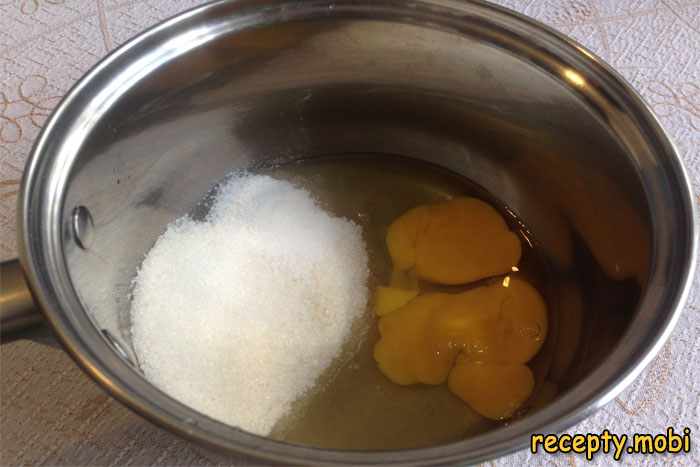
When preparing milk pudding, you won't encounter any difficulties. It's very simple; the main thing is to follow the step-by-step instructions and not deviate from them. First, we combine the eggs and sugar, which we previously mixed with vanilla sugar.
Next, we need an ordinary fork. We use it to beat the eggs and sugar.
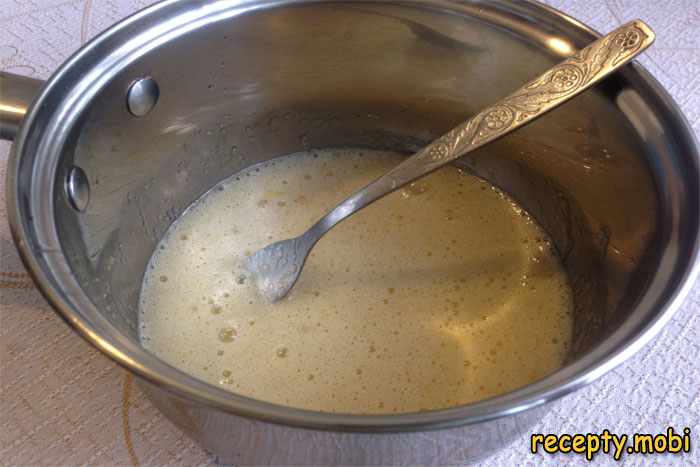
The next ingredient is flour. We add it in and beat everything again. We beat thoroughly. There should be no lumps.
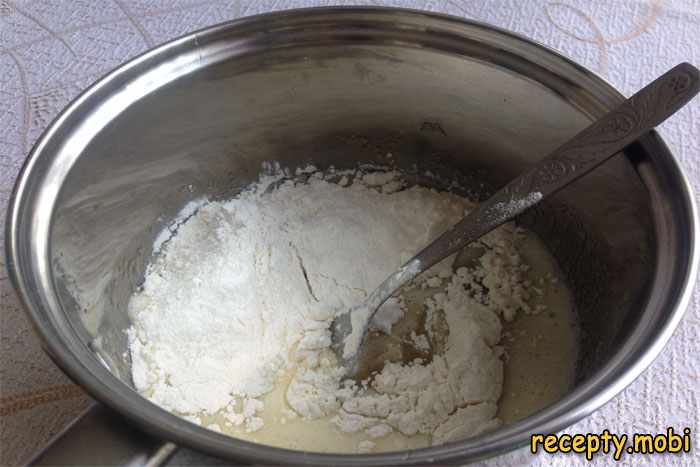
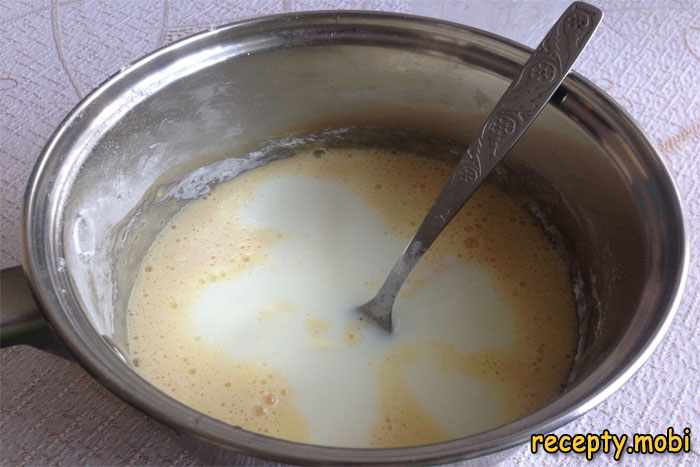
We've dealt with the flour, there are no lumps, so we can pour in the milk. Don't pour all the milk in at once. First, add one cup and mix the components until a homogeneous mass is obtained. After that, pour in the remaining milk and mix again. Using a spoon, check to ensure there is no flour stuck to the bottom. This is important because the pudding may burn as a result.
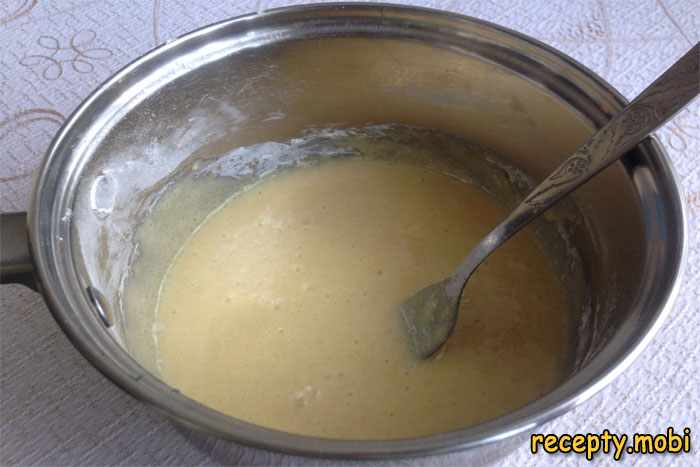
The base of the pudding is ready, place the pot over medium heat. The most responsible moment has arrived. We arm ourselves with a spoon and constantly stir the milk mixture, not stepping away for a moment. Periodically, we run the spoon along the bottom, as the pudding will start to stick to the bottom of the pot and may begin to burn as it thickens. This needs to be avoided to preserve the taste of the pudding.
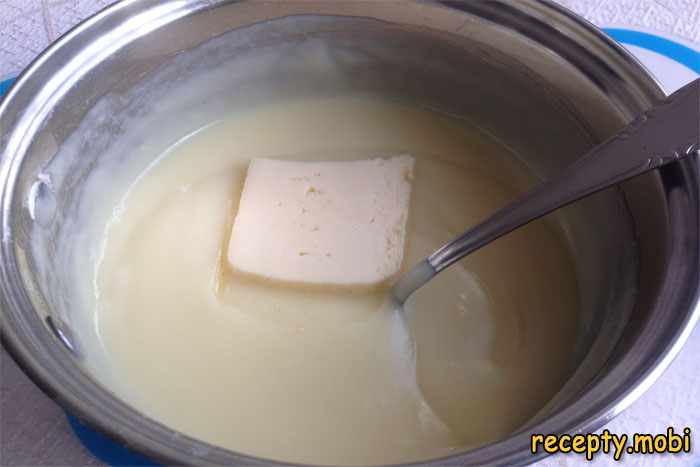
Once the pudding thickens properly, we remove it from the heat and add the butter. We mix until completely dissolved. As a result, we should have a mass of a milky-yellow color, with a uniform consistency.
We divide the pudding into two equal parts.
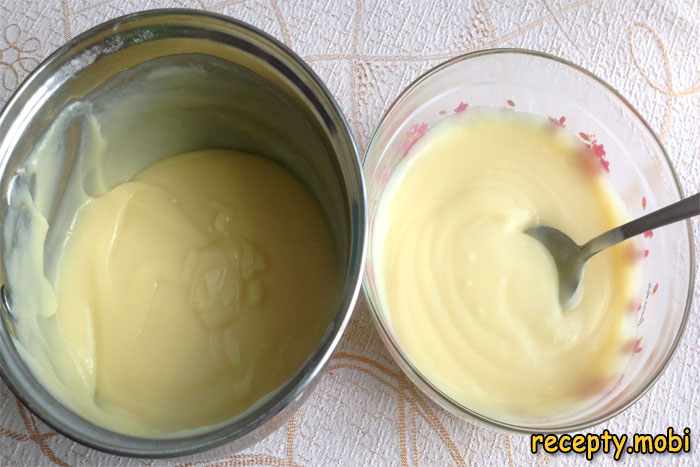
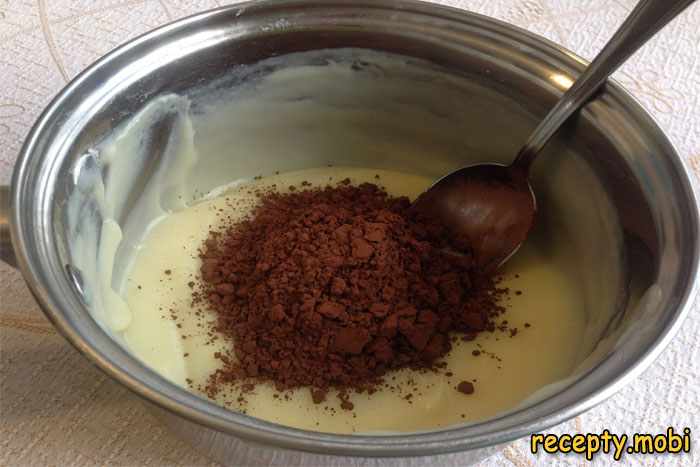
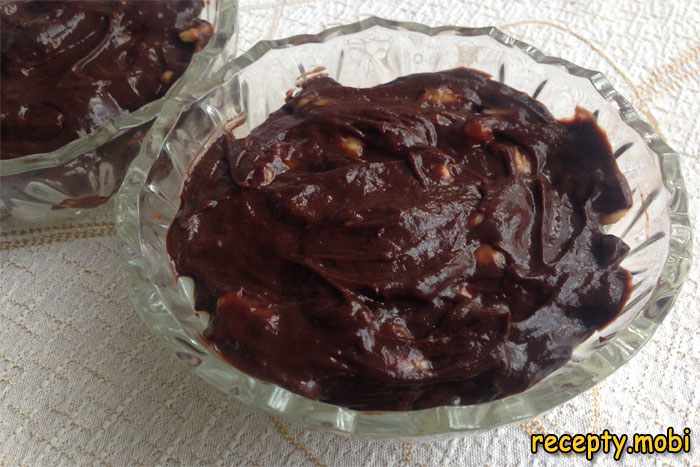
To one part, we add cocoa and mix until an even chocolate color is achieved.
In the chocolate part of the dessert, we will add a banana. For this, we cut it into small pieces. This is done easily. We cut the banana lengthwise into four parts and then slice it into small quarters.
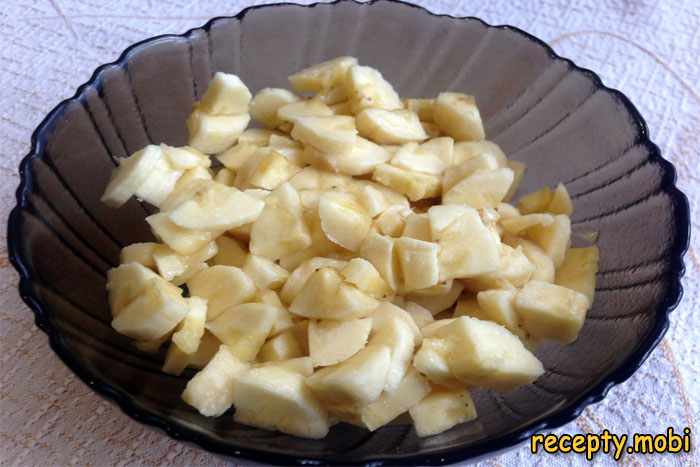
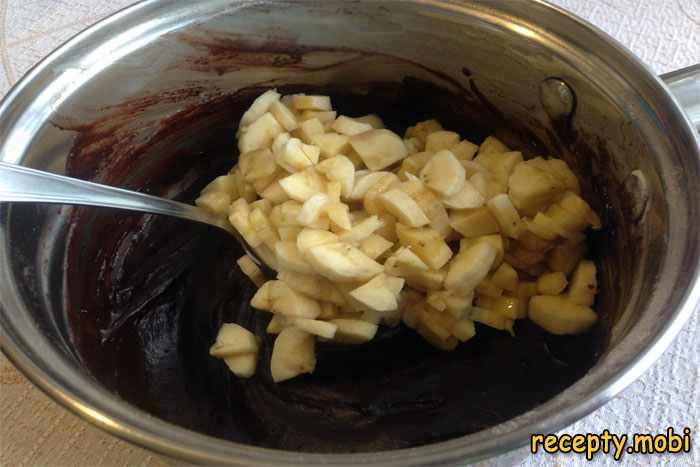
The prepared fruit is placed in the chocolate part of the pudding and mixed to ensure the pieces of banana are evenly distributed in the cream.
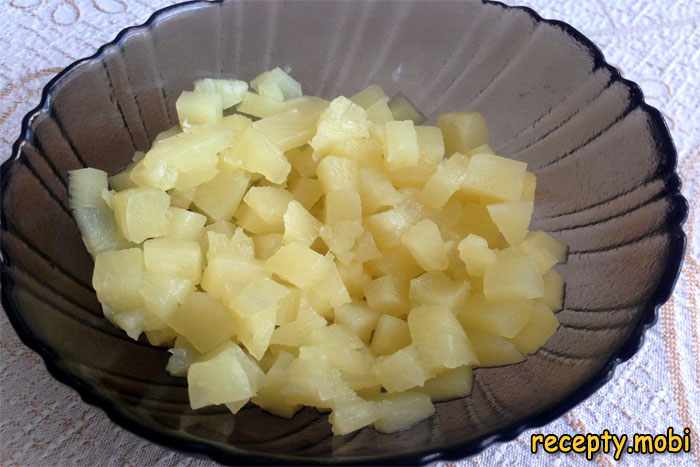
Let's deal with the pineapple rings. We cut them into small cubes and combine them with the white part of the pudding.
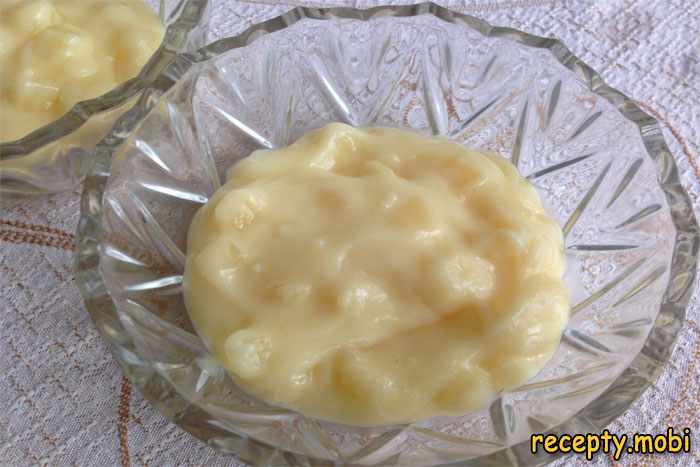
Both parts of the pudding are ready; we start assembling the dessert into a whole. For this, we will need beautiful glasses or bowls. We layer the vanilla-pineapple part of the dessert at the bottom of the dish.
The second layer consists of the chocolate-banana part.
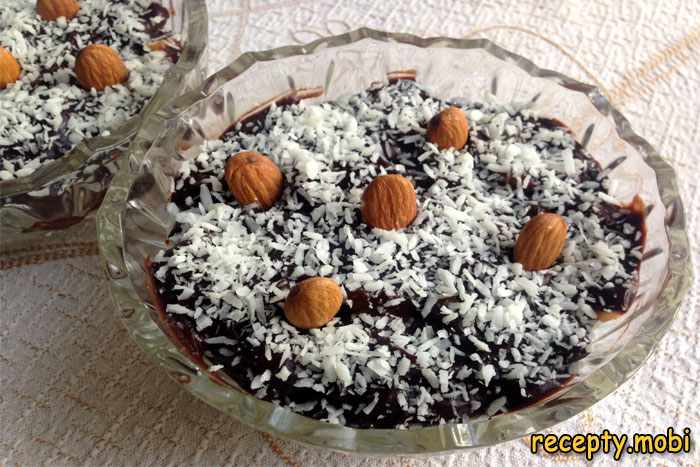
Well, and what are the tropics without coconut? We take the coconut flakes and generously sprinkle them over the dessert.
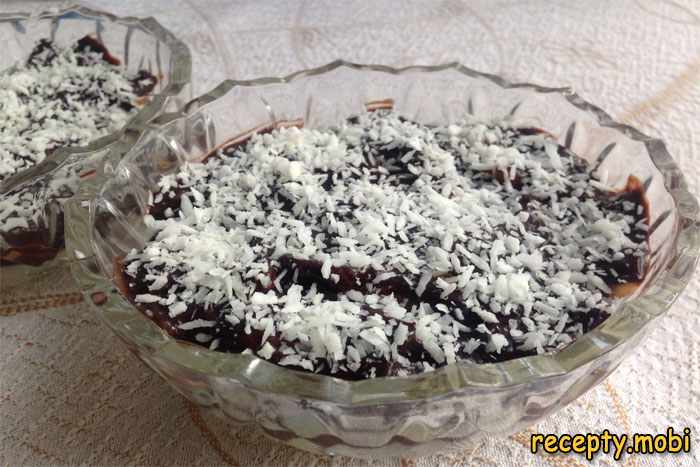
Additionally, we decorate the dessert with almonds, which can be replaced with cashews if desired. We place the finished dessert in the refrigerator for at least a couple of hours, and then we can start enjoying the taste. Bon Appétit!
Tips
- 1
Mix flour with eggs before adding milk for best finished smooth texture. Adding flour directly to milk creates lumps; properly egg-flour pre-mixing produces the proper signature smooth uniform character authentic to traditional Russian-European pudding preparations. The mixing-sequence matters more than home cooks typically realize for finished pudding-quality and overall family-meal success consistently across batches reliably across various dessert occasions throughout the year for proper traditional results consistently.
- 2
Stir constantly while cooking to prevent burning for proper finished texture. Unstirred pudding burns and sticks to bottom; properly continuously-stirred pudding (running spoon along bottom) produces the proper signature smooth uniform character authentic to traditional Russian-European pudding preparations. The same constant-stirring principle elevates many milk-based preparations including butter-enriched custard applications across various traditional international culinary occasions throughout the year reliably.
- 3
Layer cold pudding in glasses for proper finished visual appeal. Hot pudding melts and merges layers; properly cooled or chilled pudding layered in beautiful glasses produces the proper signature distinct two-color presentation character authentic to traditional Russian-European dessert preparations. The patient layering principle pays back significantly in finished dessert-quality consistently across batches and various two-color pudding preparations throughout the year for proper traditional results worth showcasing reliably across various family-meal occasions for proper home-cooking results.
- 4
Pair the finished tropical pudding with traditional accompaniments for proper presentation. Serve chilled with coconut flakes and almond decoration, alongside fresh tropical fruits for substantial summer dessert spreads, or with hot tea for elegant family-meal presentations worth showcasing across various entertaining occasions reliably. Pair with crusty homemade bread tea-time accompaniments for substantial dessert spreads throughout the year for proper traditional results worth showcasing reliably across various family-meal occasions throughout the year.
FAQ
Can I use other fruits? +
Yes, mango, papaya, kiwi, peach, strawberry, or any seasonal fruits all work beautifully as substitutes for banana and pineapple. Each option produces distinct character: classic banana-pineapple combination provides tropical authentic character, mango adds elegant exotic flavor, papaya adds subtle tropical sweetness, kiwi adds tangy color contrast, peach adds stone-fruit depth, strawberry adds ruby pops. Mix and match seasonal fruits for endless variations across various Russian-European pudding traditions throughout the year for proper personalized finished results consistently.
How long does this pudding keep? +
Stored covered in the refrigerator, the pudding keeps for 2-3 days at peak quality. The flavors meld and improve over the first 24 hours as components marry beautifully. Keep refrigerated due to dairy and fresh fruit content. The texture firms slightly with chilling. Best consumed within 1-2 days for the brightest most appealing finished results across multiple dessert applications throughout the year reliably across various family-meal occasions throughout the year for proper traditional Russian-European character preserved properly across various dessert preparations.
Can I use cornstarch instead of flour? +
Yes, cornstarch works beautifully producing equally delicious results with slightly cleaner texture. Each option produces distinct character: flour provides classic Russian-European pudding character with subtle wheat note, cornstarch produces silkier glossier finish without gluten. Use 2-3 tablespoons cornstarch as substitute for 4 tablespoons flour — cornstarch is roughly twice as effective. Mix with cold milk first to prevent lumps. Choose based on dietary needs (gluten-free) and texture preference for proper finished pudding variations consistently throughout the year reliably.
Why does my pudding have lumps? +
Three usual causes: flour added to hot milk directly, insufficient mixing of eggs-flour-sugar base, or pot heat too high causing rapid coagulation. Address proper egg-flour-sugar pre-mixing before adding milk, gradual milk addition (1 cup at a time), and medium-heat cooking with constant stirring for consistently smooth results. The combination of proper sequence, gradual liquid addition, and patient heat produces dramatic texture-quality reliably across various Russian-European pudding preparation sessions throughout the year for proper traditional results consistently.
- Comment
or post as a guest
Be the first to comment.