avg —
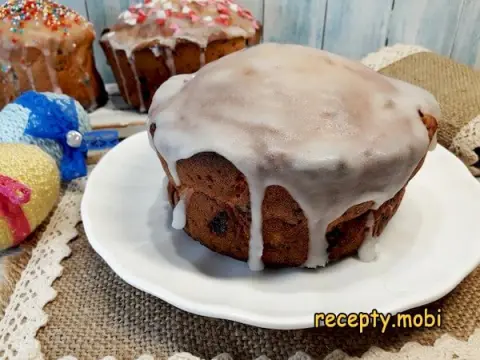
Cottage Cheese Easter in the Oven

Instructions
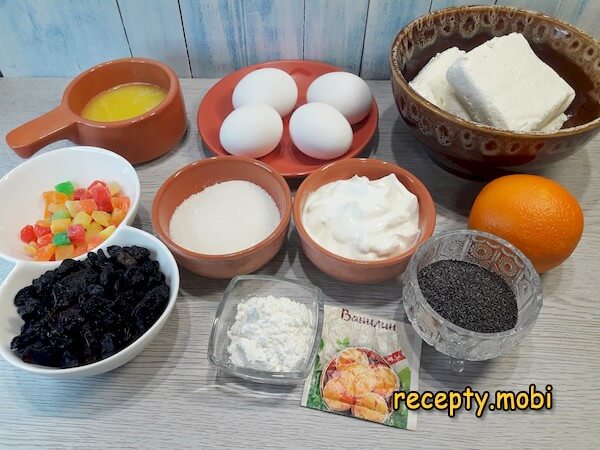
I prepare the ingredients. The orange can be replaced with a lemon, and the starch with semolina. It is best to use cottage cheese sold in packs, as it is paste-like and will not need to be ground through a sieve; if the mass is lumpy, it has to be ground first. I switch the oven on to preheat straight away, setting it to 160 degrees, and place a tray of water on the lower rack.
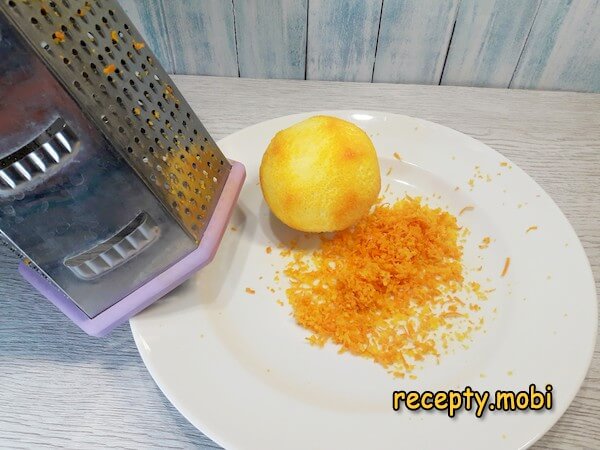
I grate the orange part of the orange with a fine grater.
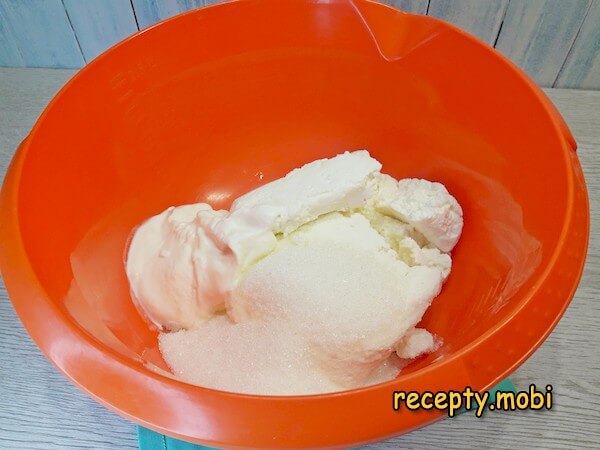
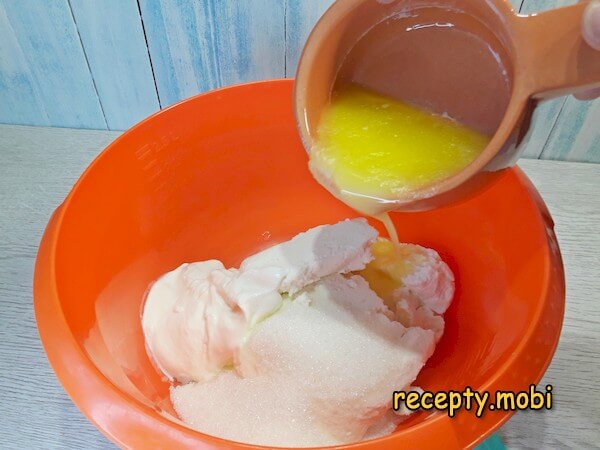
Into a roomy bowl with the cottage cheese I add the sour cream, sugar, and vanillin.
Into the same bowl I pour the melted butter.
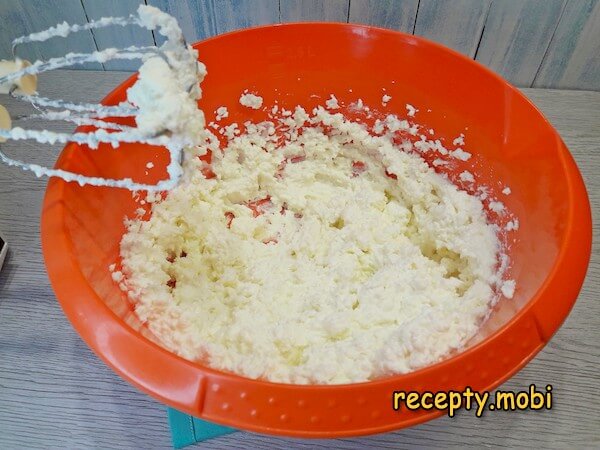
With a mixer I turn this mixture into a single smooth mass.
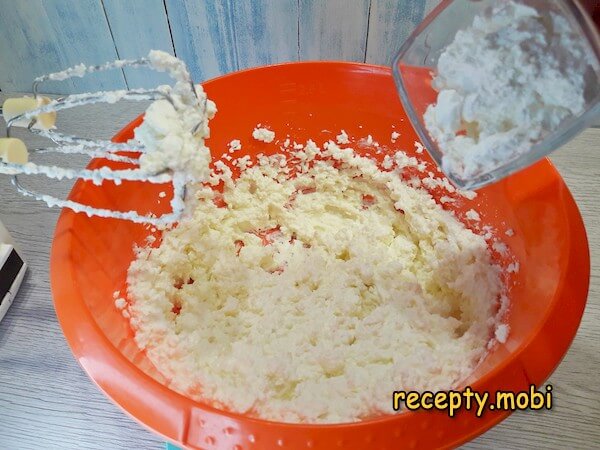
I add the starch.
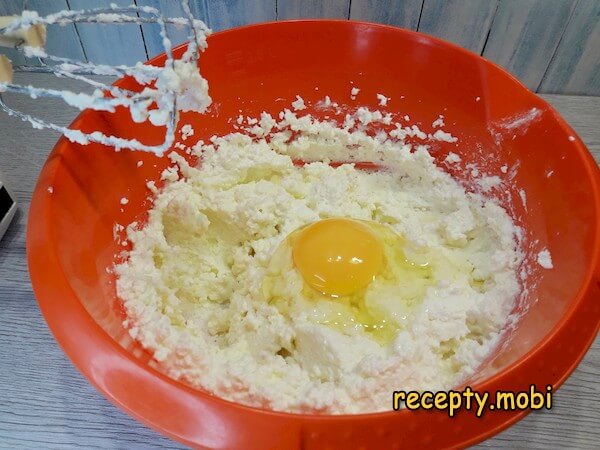
I beat in the eggs one at a time, mixing thoroughly after each addition.
After the final beating with the mixer, you should get a uniform, silky paste.
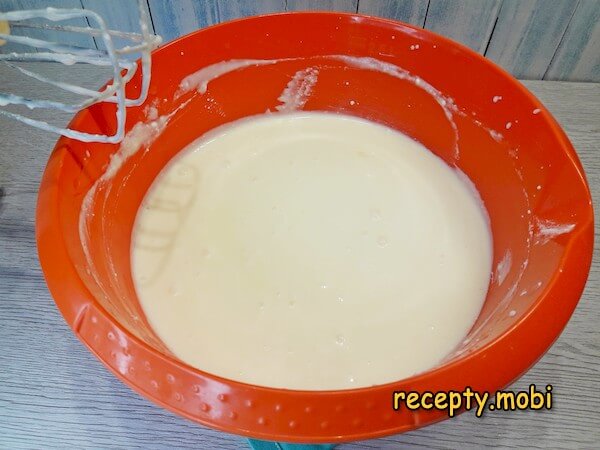
I transfer a portion of this paste (about 150 grams) into a separate small bowl.

I add the poppy seeds to it.
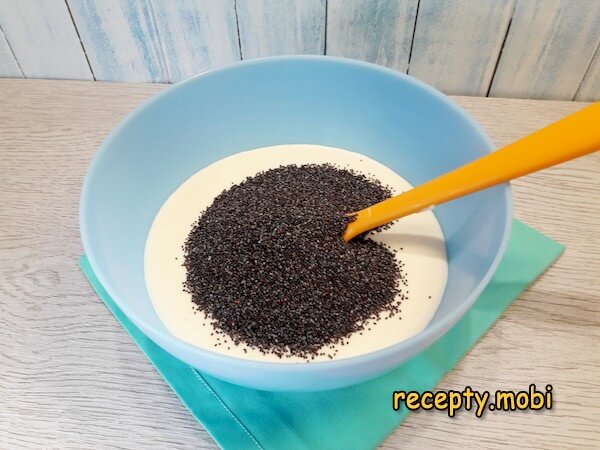
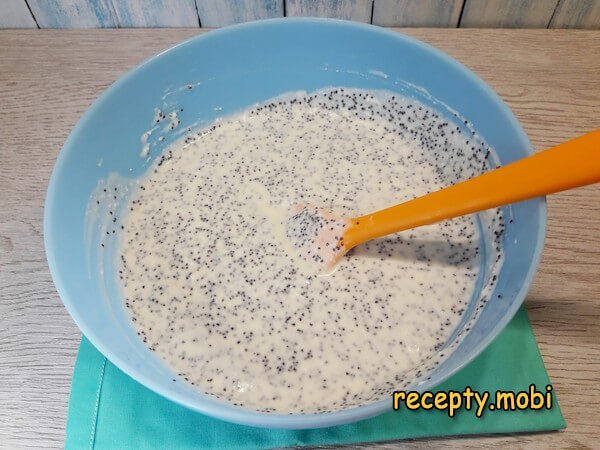
I mix it.
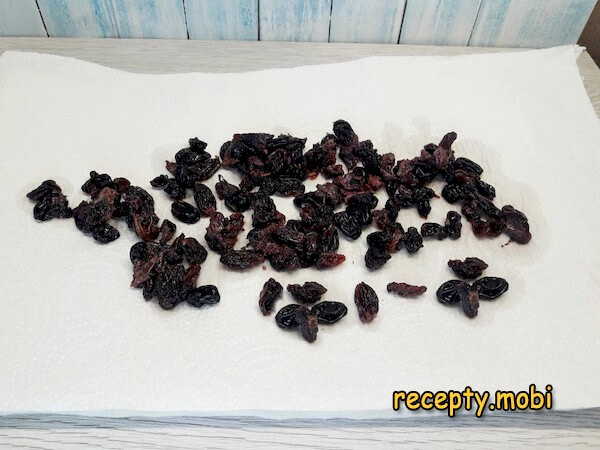
I rinse the raisins, scald them with boiling water, and pat them dry with a paper towel.
Into the larger portion of cottage cheese paste I add the orange zest.

Then the candied fruits and raisins.

I mix everything together.

I prepare a form, which needs to be lined with parchment and, if necessary, reinforced on the outside with foil. If I am not confident in the quality of the baking paper, I grease it with butter so the Easter cake does not stick during baking.
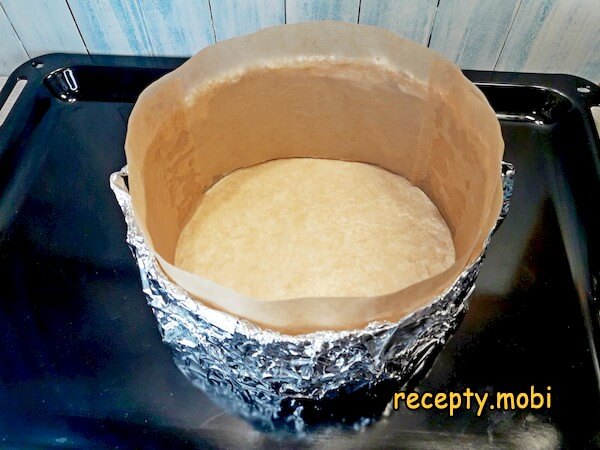
First I pour the poppy seed mass into the form.
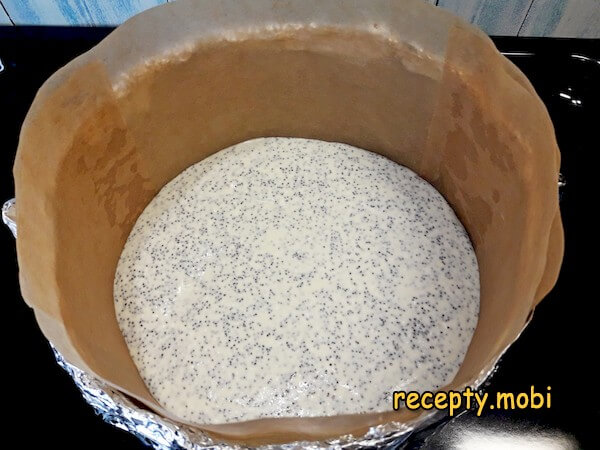
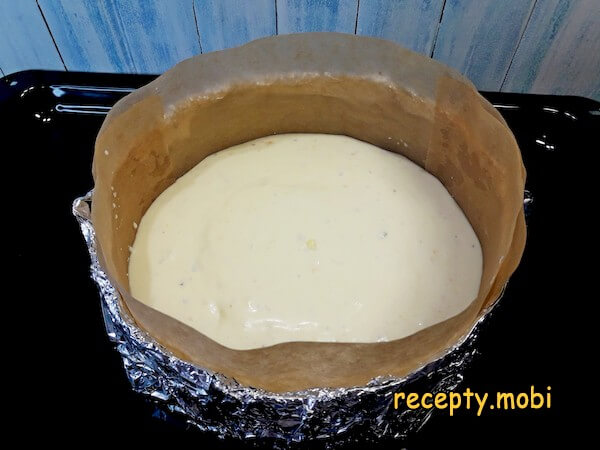
Then the one with the dried fruits. I place the form in the oven on the middle rack.
I bake the cottage cheese Easter in the oven for 50 minutes, then I turn on the convection mode to brown the top and bake for another 7 minutes. If the oven does not have this function, I raise the temperature to 180 degrees and leave the Easter cake there for another 10 minutes.
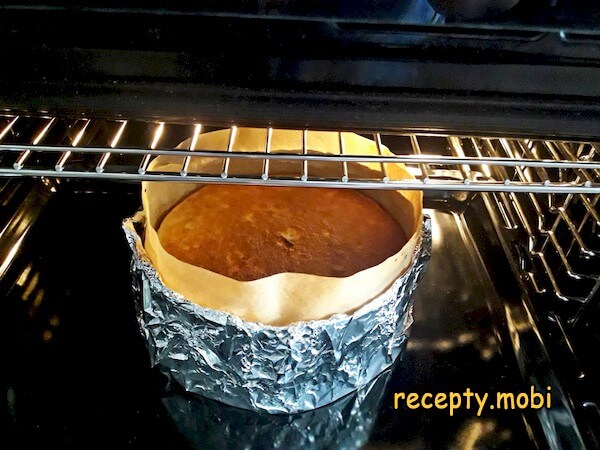
The cottage cheese Easter in the oven is ready. I take the form out of the oven and let it cool completely.
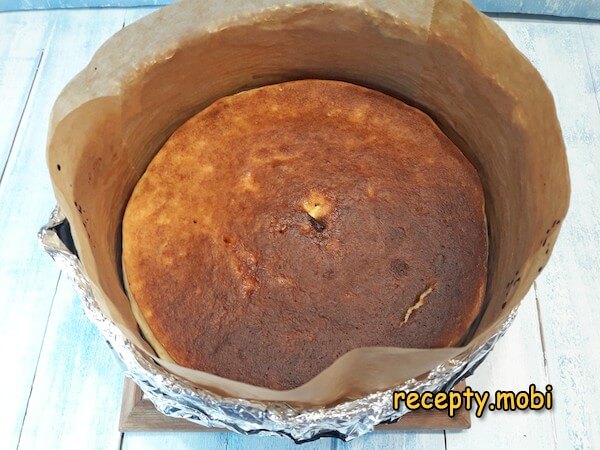
Then I cover it with a towel and put it in the fridge for a couple of hours to let the structure stabilise.

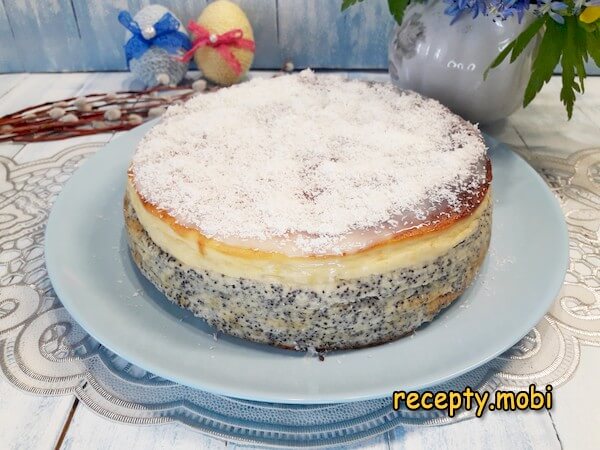
After that time I take the Easter cake out of the form. I brush the top with condensed milk or melted chocolate and sprinkle it with coconut flakes.


Tips
- 1
WATER IN THE OVEN is the secret to tenderness. A tray of water creates steam, so the Easter cake does not dry out and stays silky, like a cheesecake.
- 2
TWO LAYERS – POPPY SEED AND RAISIN is the secret to the effect. The poppy seed base plus the coloured layer with candied fruits create a beautiful cross-section, like in shop-bought baking.
- 3
3 HOURS IN THE COLD is the secret to the shape. Without resting, the Easter cake will "fall apart" when sliced. Complete chilling stabilises the structure.
- 4
PASTE-LIKE COTTAGE CHEESE is the secret to smoothness. Granular cottage cheese needs to be rubbed through a sieve, while the paste-like kind from a pack works straight away. The same principle applies to other kinds of cottage cheese Easter cakes.
Video

FAQ
Which cottage cheese should I choose? +
Ideal is fresh paste-like cottage cheese at 9% fat in a pack (540 g – convenient, no need to sieve). Alternatives: homemade cottage cheese at 9-15% (540 g – premium), soft cottage cheese in a brick (540 g), a 50/50 mix of 9% and 18% cottage cheese (270 g each – "premium balance"), mascarpone plus cottage cheese 50/50 (270 g each – "premium creamy"), thick Greek yoghurt plus cottage cheese 50/50 (270 g each – "diet"). Fresh cottage cheese with a short shelf life is the premium choice. Do not use: low-fat (the paste turns out dry), expired, or with fruit additives. For a "classic" result, use at least 9% fat.
What can I use instead of poppy seeds? +
Alternatives: cocoa powder (30 g – "chocolate" version), black sesame (30 g – "premium Asian"), chopped prunes (50 g – fruity accent), ground coffee (15 g – "with an espresso note"), chopped nuts (30 g – premium), grated dark chocolate (30 g – premium), ground cinnamon plus nuts (1 tsp plus 30 g – warm notes). Fresh poppy seeds in a sealed pack are the premium choice. Do not use: salted seeds (they will spoil the taste) or sweet poppy seed filling with sugar in the finished mass. For a "classic" result, use dry poppy seeds or an alternative to taste.
How long does baked Easter cake keep? +
In the fridge in a tightly closed container – 4-5 days. Longer than that and the Easter cake loses its tenderness and the candied fruits dry out. Before serving, let it stand for 15-20 minutes at room temperature so it becomes soft. In the freezer – up to 1 month; defrost in the fridge for 8-10 hours. Fresh Easter cake is at its "star" best 3-4 hours after baking (once it has stabilised in the cold). On the second day the flavour is deeper and brighter. Do not leave it at room temperature for longer than 4 hours, as the egg base spoils.
What do you serve baked Easter cake with? +
The classic for Easter: with an Easter kulich and dyed eggs. With a cup of black tea with lemon. With a glass of Cahors (church wine). With a glass of freshly squeezed grape juice. With a cup of coffee with milk. With fresh berries on top (strawberries, raspberries, blueberries). With hot cocoa and marshmallows for children. With berry jam. With a glass of sweet Baileys liqueur. With a cup of herbal tea with mint. With a white dessert wine. For the Easter table it is a versatile serving. It is the main cottage cheese dessert for Bright Easter in a modern "cheesecake style".
- Comment
or post as a guest
Be the first to comment.