avg —
Custard Curd Easter Cake

Instructions
Prepare all the products from the list. I use full-fat cottage cheese (9%) – with low-fat cheese the pascha turns out "dry".
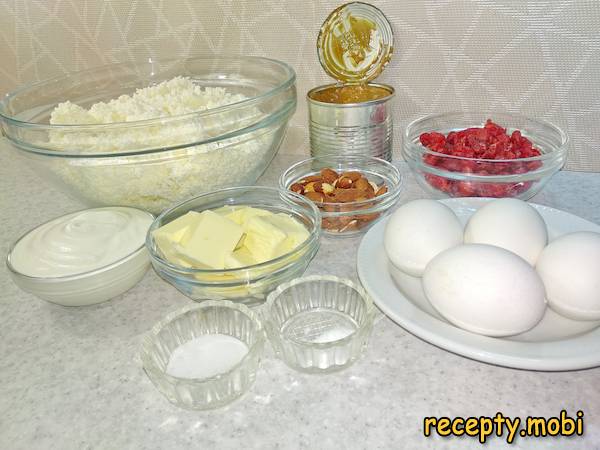
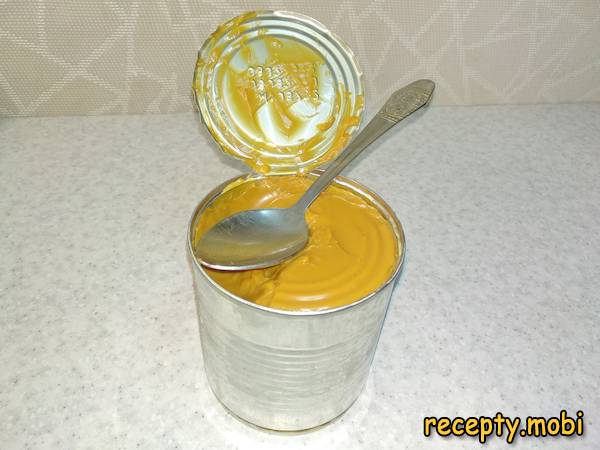
Some products I prepare in advance. I boil the condensed milk over low heat for 2 hours. Do not let the water boil hard! Set the heat below medium. Homemade boiled condensed milk is much tastier than the shop-bought kind, but a tinned one will do too.
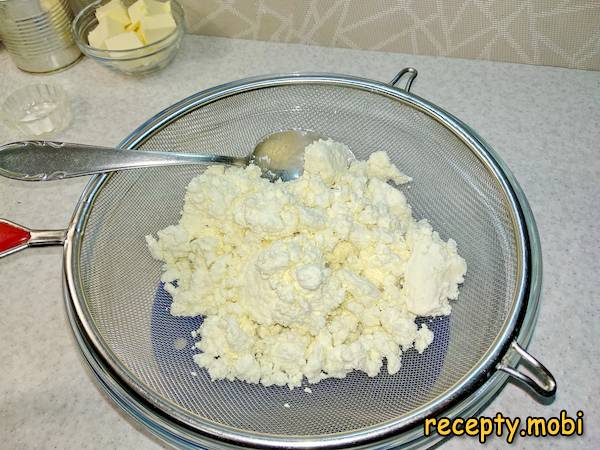
I rub the cottage cheese through a fine sieve – this is the secret of a tender pascha with no lumps.
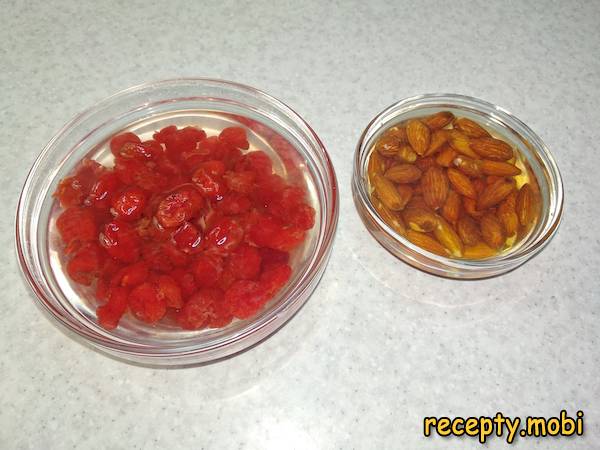
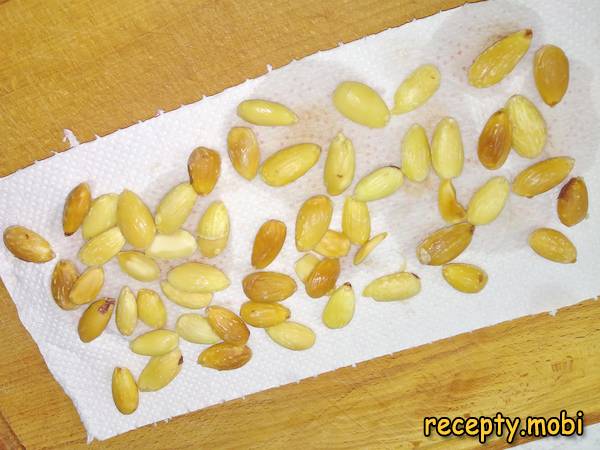
Pour boiling water over the dried cherries. Leave them for 15–20 minutes so they soften. Pour boiling water over the almonds too for 7–10 minutes – after that the skins come off easily.
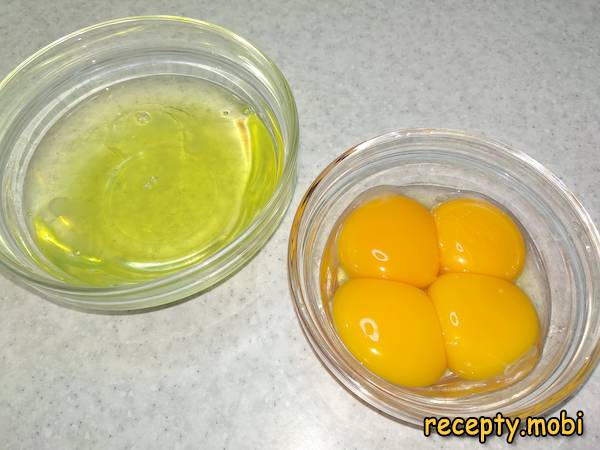
Separate the eggs into whites and yolks. The whites are not needed for a custard pascha – I keep them for other dishes (meringues, for example).
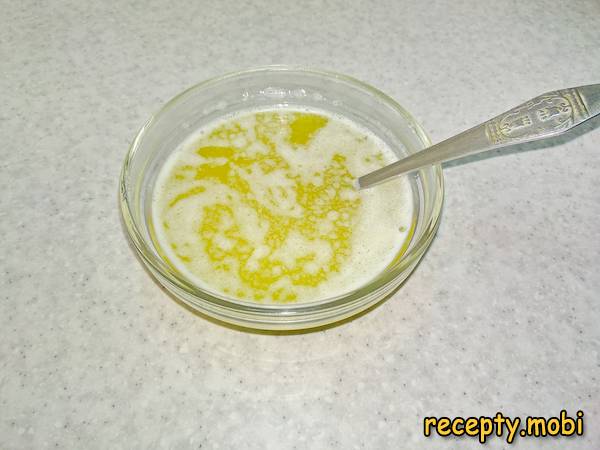
Melt the butter in a water bath or in the microwave.
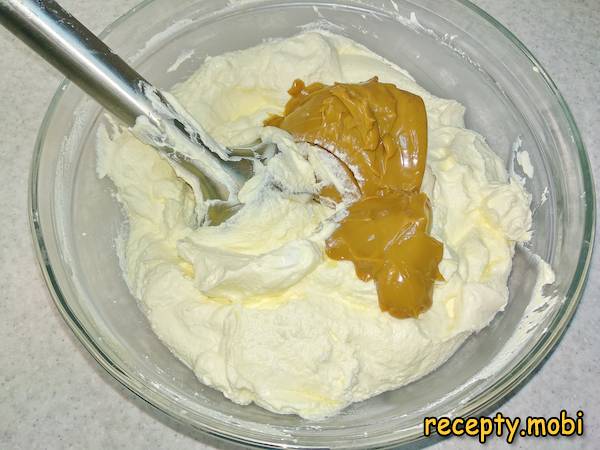
To the sieved cottage cheese add the yolks, salt, vanillin, sour cream and melted butter. Blend with an immersion blender until smooth – the mass should be even, with no grains.
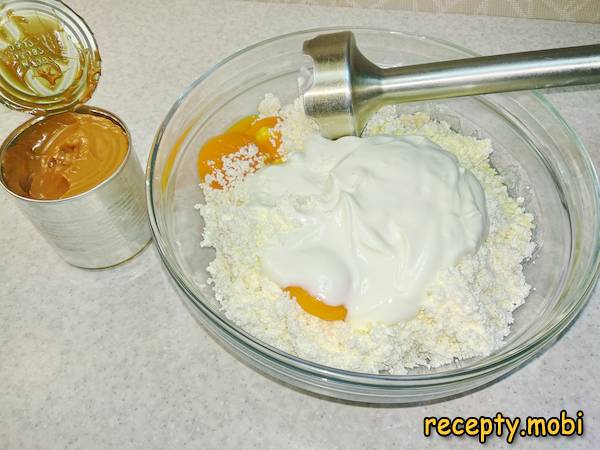
Add the boiled condensed milk. Adjust the amount to taste – it determines the sweetness and shade of the pascha. Blend again.
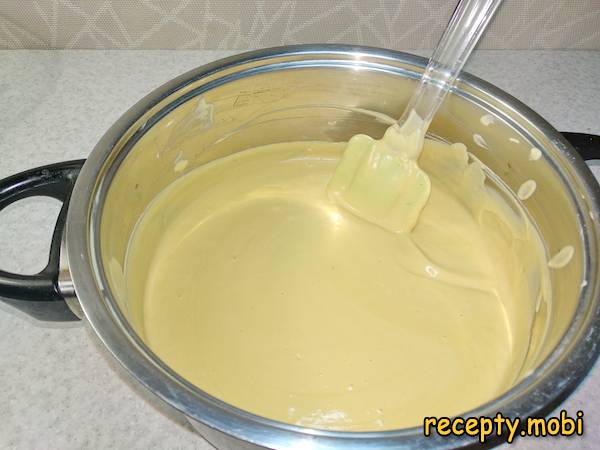
Transfer the curd mass to a saucepan, set it over medium heat and bring it up to steaming. The mass must NOT boil – otherwise the yolks will curdle. The aim is to heat it just enough for the products to undergo heat treatment. While the mass is on the stove, stir it constantly with a silicone spatula.
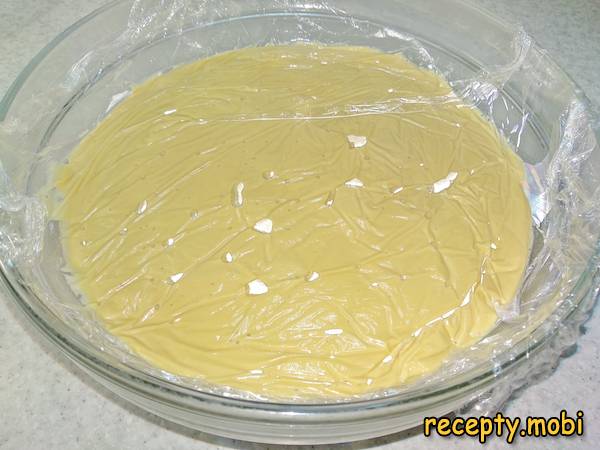
Transfer the warmed mass to a clean dish and cover it with cling film in contact with the surface (so it does not dry out). Leave it for a few hours to firm up.
Meanwhile, peel the almonds and let them dry.
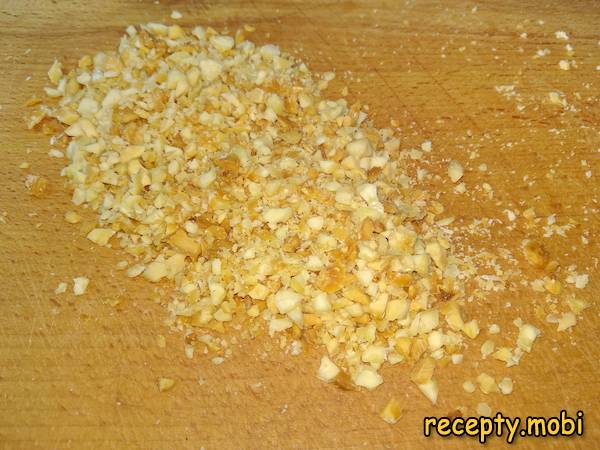
Finely chop the almonds with a knife or in a chopper.
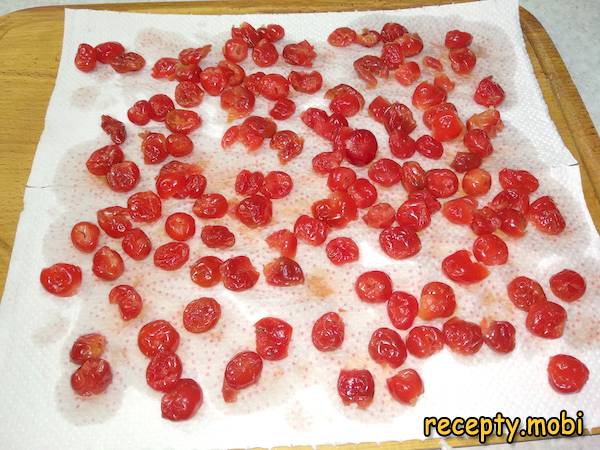
Lay the cherries on a paper towel to draw off the excess liquid.
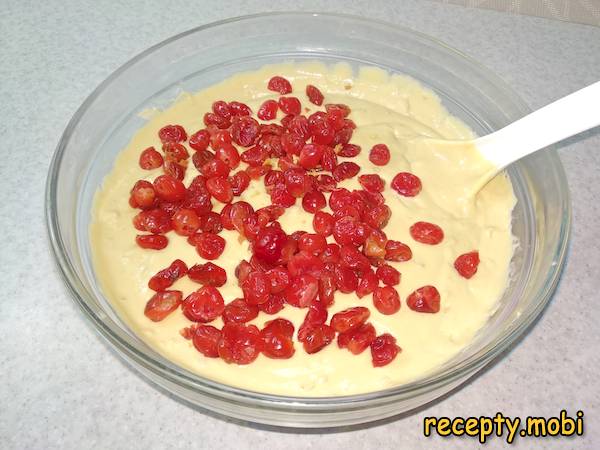
After a couple of hours, add the almonds and cherries to the curd mass. Mix gently – with a spatula, not a blender, so the pieces stay whole.
Prepare the pascha mould – a wooden or plastic one (a pasochnitsa).
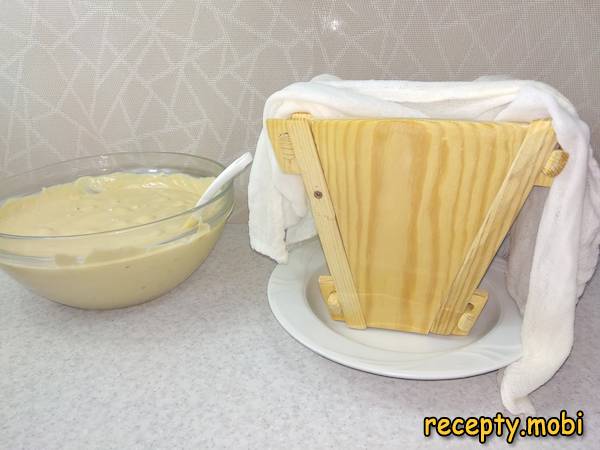
Place the mould on a plate (to let the whey drain off) and line the inside with damp cheesecloth or cotton fabric. Lay the edges of the fabric over the corners of the mould.
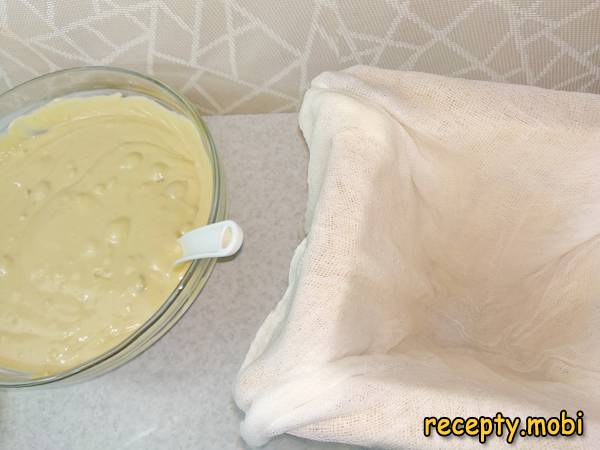
Fill the mould tightly with the curd mass and compact it – leave no voids. Fill it to the top and cover with the edges of the fabric. Place a saucer or flat lid on top and set a weight on it – I use a marble mortar.
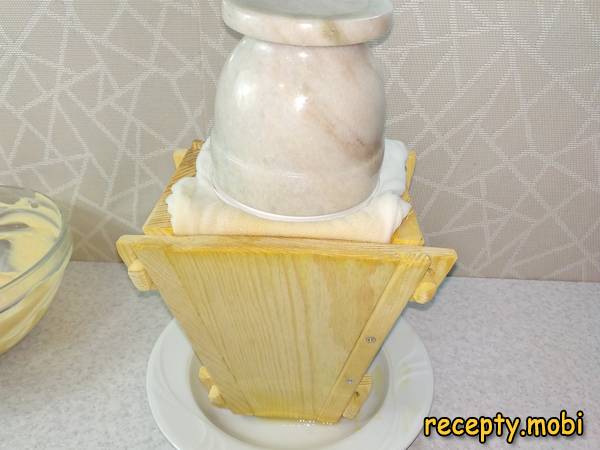
The pascha settles for a day – during this time it compacts well and releases the excess whey. Remove the weight and pull back the edges of the cheesecloth. Place the plate you will serve it on over the top.
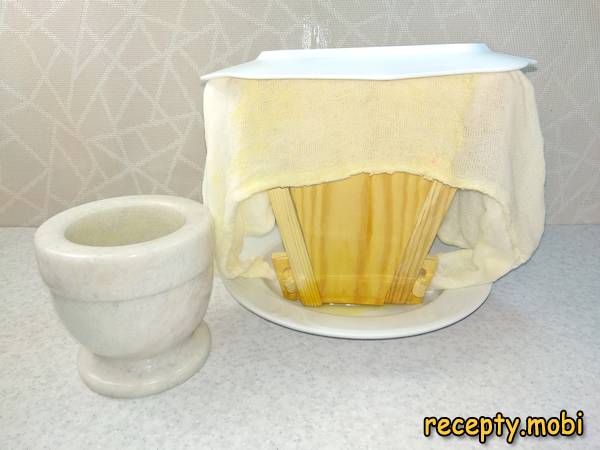
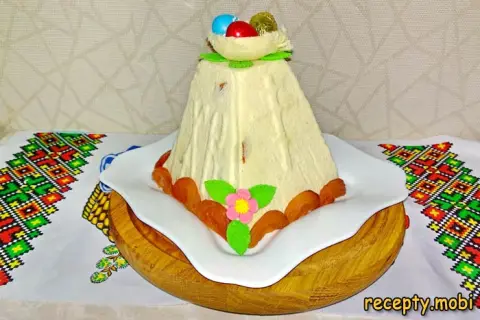
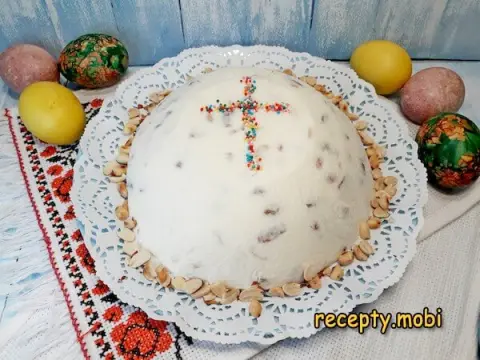
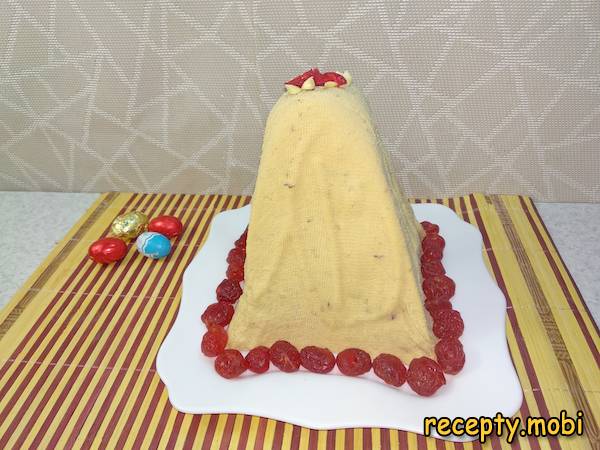
Turn the mould over, remove the pascha and carefully peel off the cheesecloth. Decorate to taste – usually with the remaining cherries and almonds.
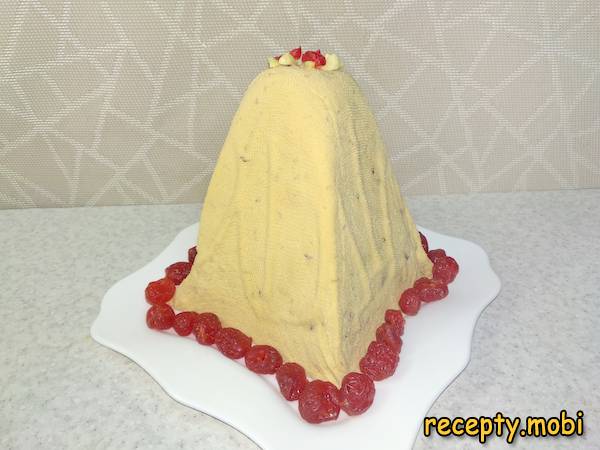
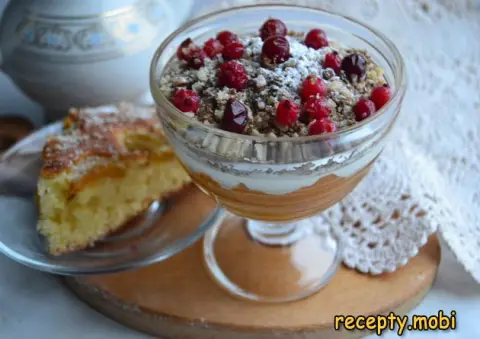
The custard curd Easter cake is ready. It has turned out elegant and truly festive.


Tips
- 1
RUB the cottage cheese through a sieve – this is the key to a tender, lump-free texture. A blender does not fully replace a sieve.
- 2
Do NOT bring the mass on the stove to a boil – heat it only until it steams (about 70–80 °C). Otherwise the yolks will curdle and the pascha will turn out "grainy".
- 3
Homemade boiled condensed milk (2 hours of boiling in the tin) gives a richer caramel flavour than the shop-bought kind. The difference is noticeable.
- 4
Keep the pascha under the weight for a full day – during this time the excess whey drains off and the flavour concentrates. There is no rushing it. I use the same principle of "time works on the flavour" in other Easter dishes.
Video

FAQ
What can replace the almonds and dried cherries? +
Alternatives for the almonds: hazelnuts (more fragrant, more "dessert-like"), walnuts (a classic for Russian cuisine), cashews (softer, more "creamy"). Alternatives for the cherries: dried cranberries (more tart), raisins (sweeter, more traditional), dried apricots in pieces (a honeyed note), candied fruit. Almonds and cherries together give a "European" character. A traditional Russian pascha is made with raisins and candied fruit. Important: SOAK the dried fruit in boiling water for 15–20 minutes – otherwise it will draw moisture out of the curd and the pascha will turn out dryish.
Why did the pascha turn out runny? +
Three reasons: the cottage cheese was too wet (wring it in cheesecloth before rubbing it through), it was held under the weight for too short a time (you need 12–24 hours, no less), or too much condensed milk or sour cream was added. It is hard to fix an already-made runny mass – you can add 1–2 tbsp of powdered milk and blend again. For next time, use 9% cottage cheese, 20% sour cream (not 10%), and press under a weight for at least a day. In theory, the "custard" method should give a firmer texture.
How long does the finished pascha keep? +
In the refrigerator – 3–5 days in a tightly closed container or under cling film. The flavour grows brighter with each day as the condensed milk soaks into the curd. After 5 days "sour" notes may appear (a natural property of cottage cheese). It must not be kept at room temperature – at most 2 hours on the festive table while serving. I do not recommend freezing it – the texture falls apart, the tenderness is lost, and after defrosting the pascha becomes grainy.
Can I make it without boiled condensed milk? +
You can, but the flavour will be different. Substitutes: ordinary condensed milk + 2–3 tbsp of sugar (a less caramel shade), icing sugar 150–200 g (purely sweet, without the condensed milk), honey 100 g (a honeyed character). Boiled condensed milk gives exactly that "caramel" shade and special sweetness – without it the recipe becomes an ordinary curd pascha. If you have no ready-boiled tin, simmer an ordinary one for 2 hours in a water bath (always keeping it fully covered with water – otherwise the tin bursts).
- Comment
or post as a guest
Be the first to comment.