avg —
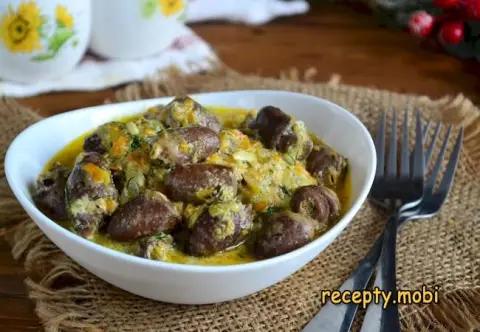
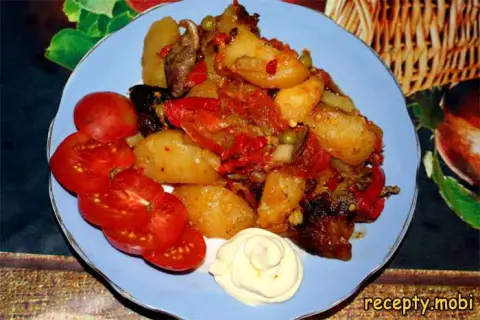
Chicken Hearts in Sour Cream Sauce

Instructions
Trim excess fat and large vessels from the chicken hearts. Split each heart lengthwise and remove any visible clots with the knife or kitchen paper. Avoid rinsing raw poultry under running water and clean the work area afterwards.
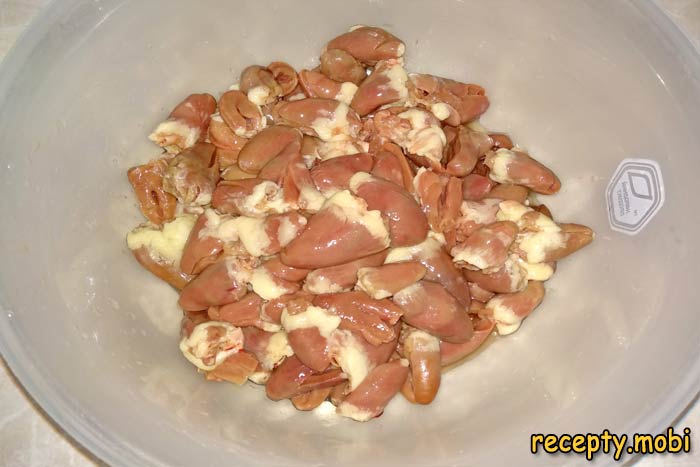
Gather the onion and carrot alongside the trimmed hearts. Keep the heart pieces a similar size so they cook evenly.
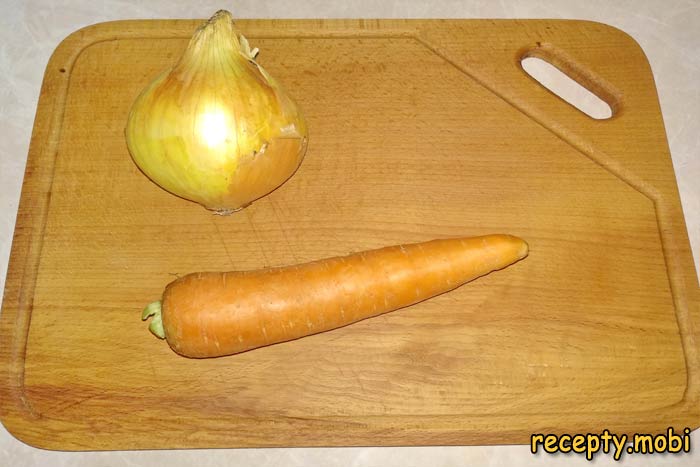
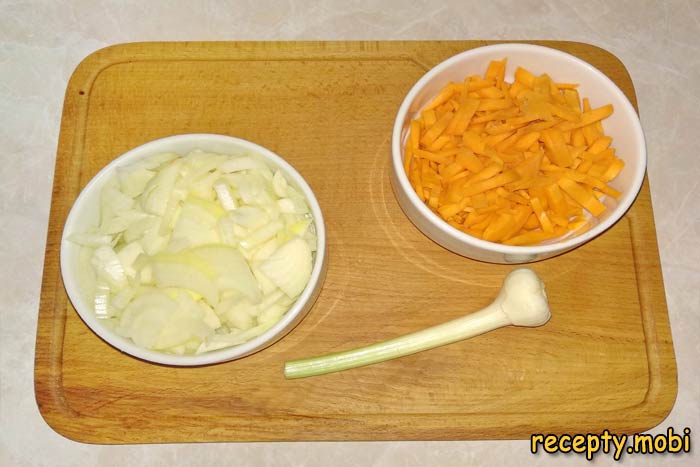
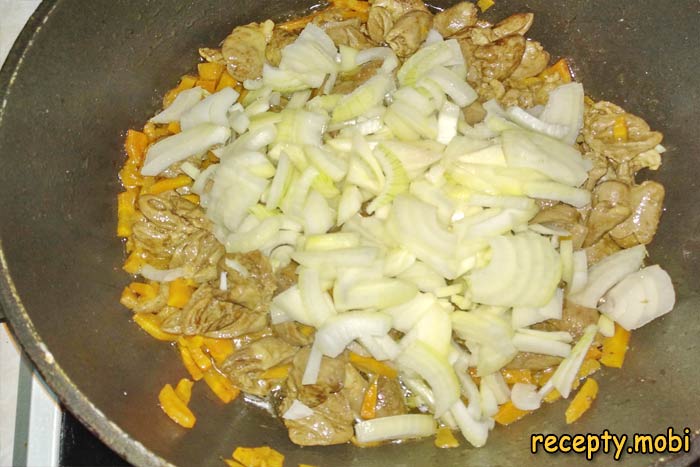
Peel the onion and cut into quarter-rings. Peel the carrot and cut into thin strips or grate coarsely.
Heat the vegetable oil in a heavy skillet. Add the hearts in an even layer and fry for about 5-7 minutes, stirring, until lightly browned. Work in batches if the pan is crowded.
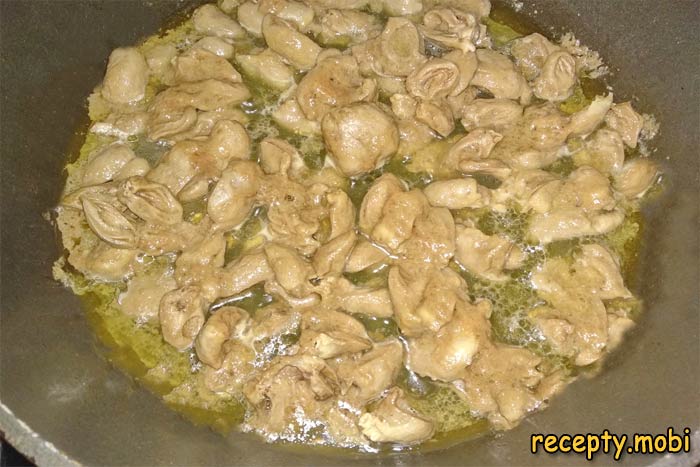
Add the carrot and cook for about 5 minutes over medium heat, stirring to prevent it from sticking.
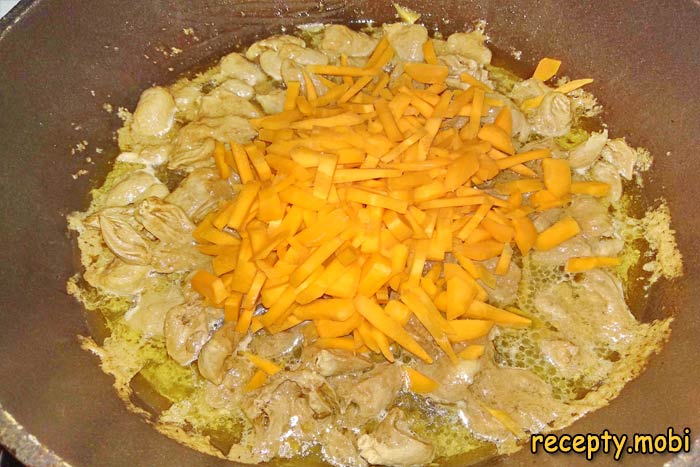
Add the onion and cook for another 10-15 minutes, stirring, until softened. Lower the heat or add a small splash of water if the pan begins to dry out.
Prepare the bay leaves, allspice, ground pepper and salt. Peel and finely chop or crush the garlic.
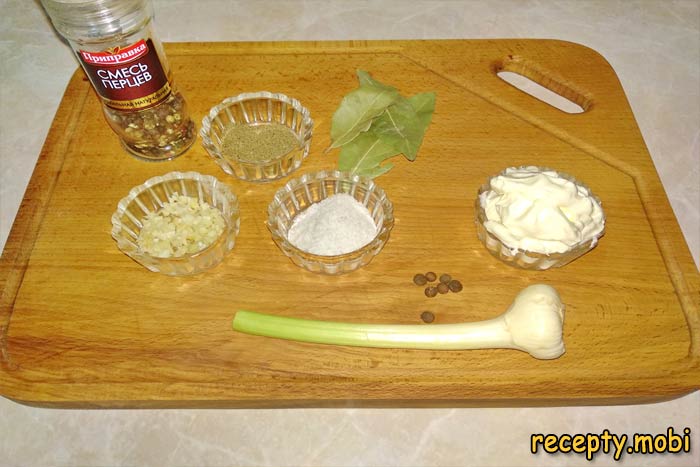
Add the garlic and spices to the hearts and vegetables. Stir and cook briefly until fragrant.
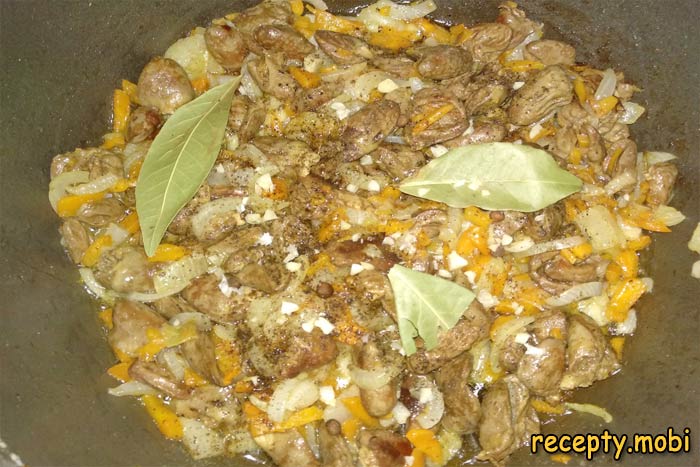
Reduce the heat and stir in the sour cream.
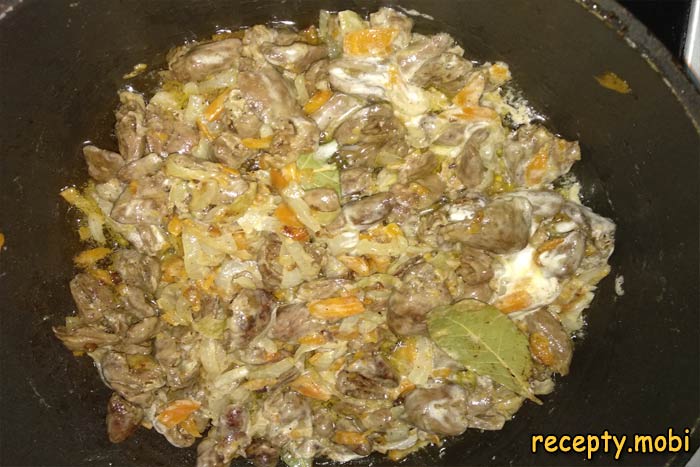
Add the measured 100 ml of warm water, stir and cover. Simmer gently until the hearts are tender and reach 165°F (74°C). If already tender this final stage may take only a few minutes; otherwise continue simmering and add water as needed. Avoid a vigorous boil, which can split the sauce.
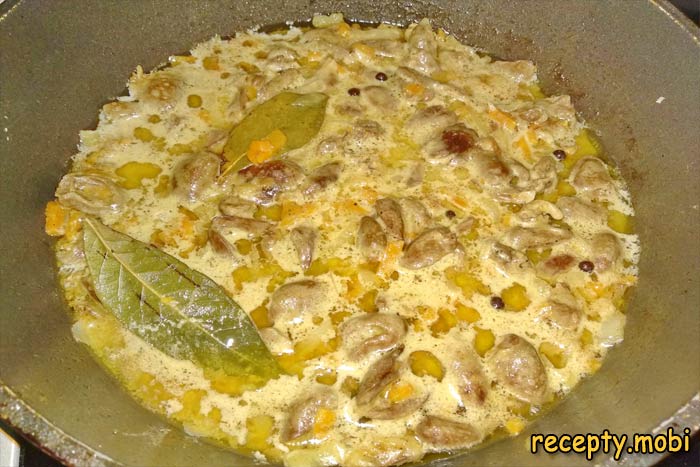
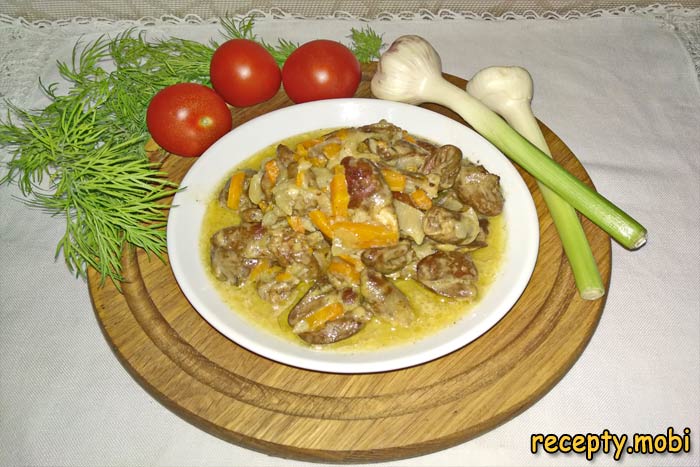
Remove the bay leaves and whole allspice berries before serving. Adjust the seasoning and sprinkle with parsley or dill. Serve with mashed potatoes, rice or buckwheat.


Before You Start
Trim and halve the hearts for more even cooking, then fry and simmer them with the vegetables. Their size and tenderness determine how much simmering they need. Have warm water ready to loosen the sauce if it thickens.
How to Tell When Chicken Hearts Are Ready
Check both safety and texture: poultry giblets need to reach 165°F (74°C), but some hearts may still need longer gentle cooking to become tender. Halving makes pieces more even; it does not guarantee they will soften in half the time.
Keeping the Sour Cream Sauce Smooth
Reduce the heat before adding sour cream and avoid rapid boiling. The listed 20% sour cream gives a fuller sauce, but fat percentage alone does not guarantee that it cannot split. Stir gently and add a little warm water if the sauce becomes too thick.
For more meal ideas, see 28 chicken recipes for lunch and dinner.
FAQ
Why are my chicken hearts still chewy? +
They may need more gentle cooking, especially if they are large. Keep some liquid in the pan, cover and check periodically. Do not stop simply because the estimated time has elapsed.
Can I substitute gizzards or liver? +
They need different methods and cooking times. Gizzards often require substantially longer to tenderise, while liver has a softer texture. Use a dedicated recipe rather than swapping either into this timing unchanged.
What should I serve with chicken hearts in sour cream? +
Mashed potatoes, plain rice, buckwheat or pasta work well with the sauce. Add a fresh vegetable salad if desired; the stated three servings refer to the hearts and sauce, not an included side dish.
How should I store and reheat them? +
Refrigerate within 2 hours, or within 1 hour above 90°F (32°C). Keep covered at 40°F (4°C) or colder and use within 3-4 days. Reheat to 165°F (74°C), adding a little water if the sauce has thickened.
- Comment
or post as a guest
Be the first to comment.